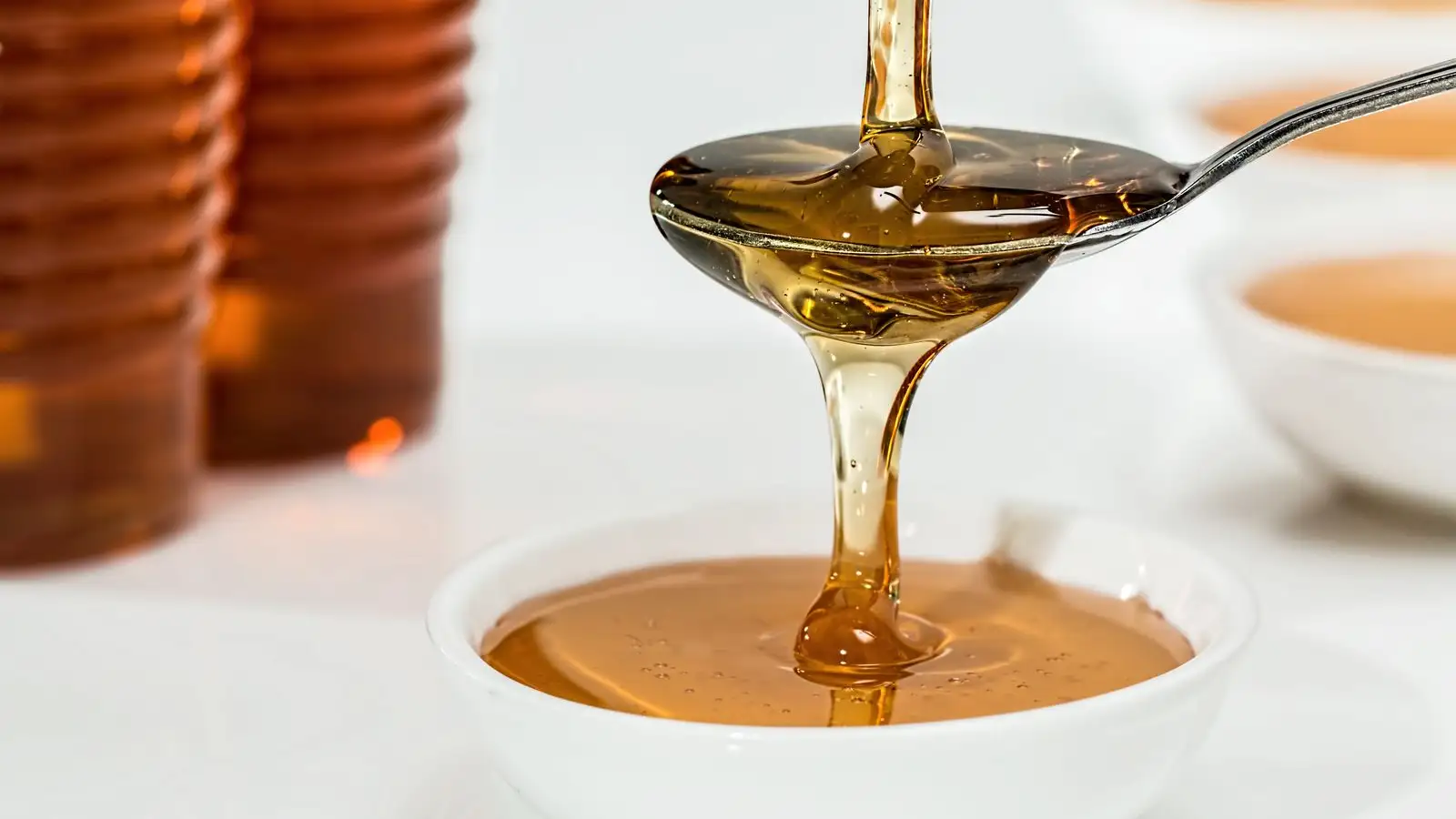
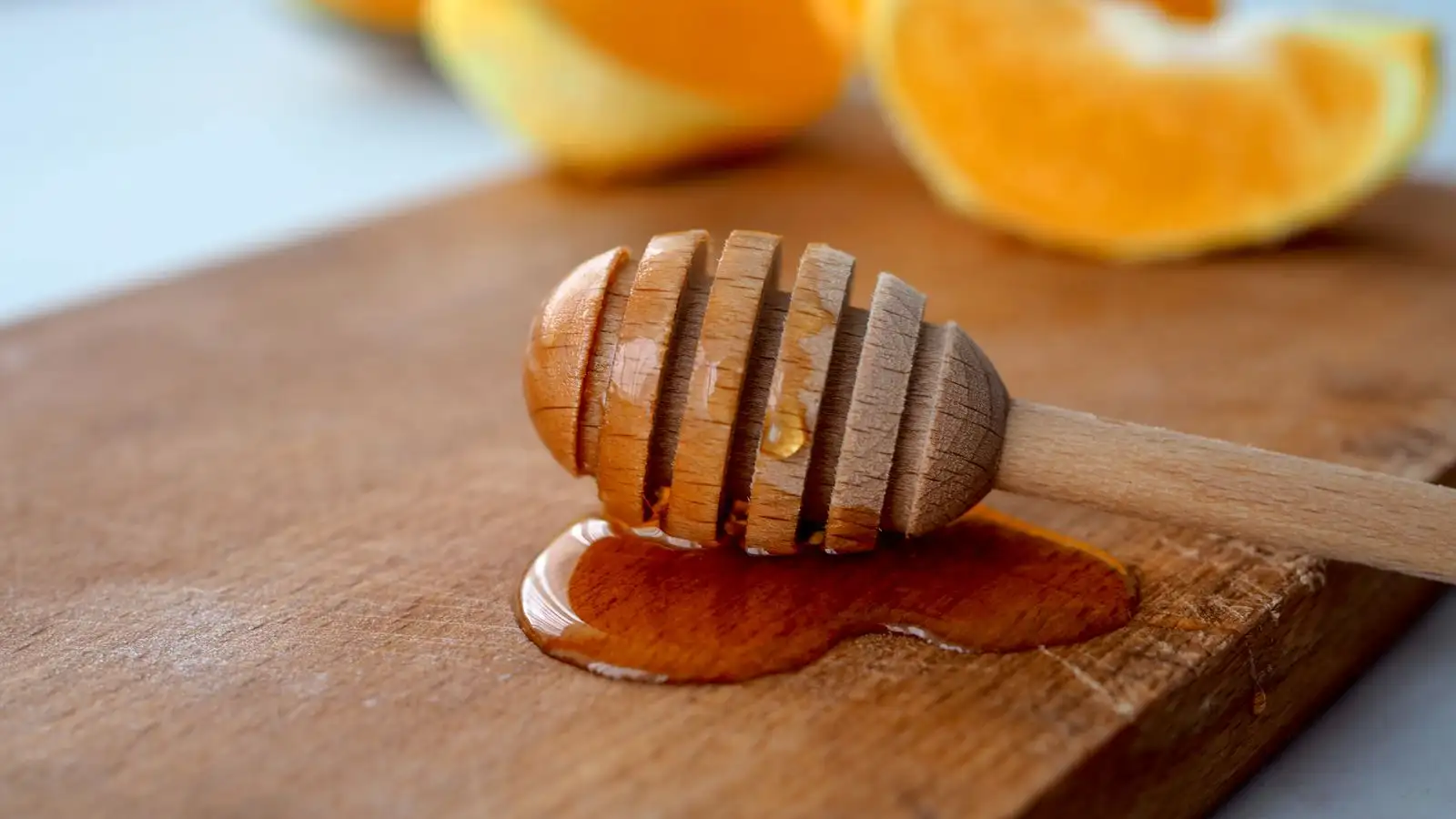
The mistake is placement. Manuka honey loses its flavor fastest when the jar sits wherever it is most convenient — the cabinet above the stove, the counter beside the coffee maker, the windowsill that catches the afternoon light — because that one spot hands the honey over to heat, light, moisture, and kitchen odors all at once, and none of them gives you a warning sign. Move the jar to a dark, cool, dry cabinet that holds between 50°F and 70°F (10°C–21°C), screw the lid down tight, put real distance between it and the spice rack, and the jar you open in two years will taste like the jar you bought.
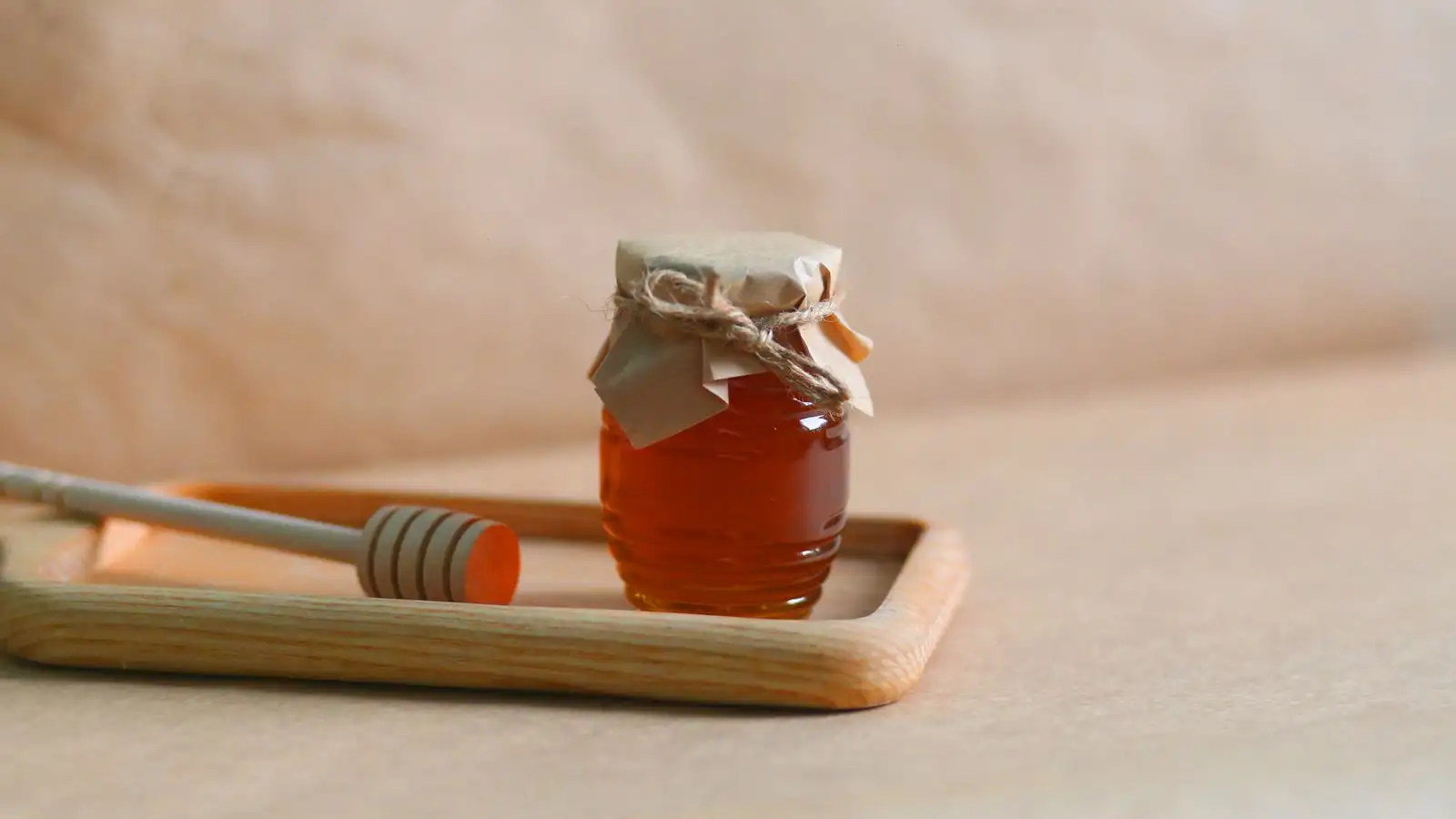
I keep two jars on a shelf by my desk for exactly this reason. Same producer, same batch code inked on the bottom, bought on the same afternoon. One spent a year in the cabinet over the stove because that is where the tea lives. The other went into a low cupboard on an interior wall — the one I have to crouch to reach, which is probably why it stayed there. I opened them side by side last winter with a spoon and a mug of hot water.
The stove jar had gone dull. Not spoiled; spoiled is a different thing and I will get to it. Flattened. The sharp, almost resinous edge manuka has when it is fresh had worn off, and what was left was sweetness with no direction, like a note played with the sustain pedal down. The color had shifted too, from pale amber-cream toward something browner at the top of the jar. The cupboard jar still had the crema taste — that earthy, faintly medicinal thing that makes people either love manuka or not — and it still smelled the way it smelled in the shop.
That is what a bad storage spot does. It does not ruin the honey overnight. It sands the flavor down a little at a time, which is why almost nobody catches it until the jar is half gone.
The heat that never feels hot
Above 80°F is where I start paying attention. Not because a single warm afternoon kills the jar, but because the damage is cumulative and the kitchen heat that does the work never feels dramatic.
Think about the cabinet over a stove. It is not steadily hot. It spikes — every time you boil pasta, roast a chicken, run the dishwasher with the dry cycle on. The cabinet goes up, comes back down, goes up again. Do that four hundred times in a year and you have cooked a good bit of the aroma out of the jar without a single moment you would have called a mistake.
The spot that catches people is on top of the refrigerator. It feels cool and out of the way. It is one of the warmest surfaces in the room, because the compressor and coils are pushing heat out right underneath it. I moved a jar off mine years ago and the flavor difference over six months was the thing that first made me start thinking about any of this.
Light is the second one, and it works through glass
A jar on a windowsill or a backlit display shelf is getting light all day, and honey in a clear jar has no defense against it. The aroma compounds that give manuka its particular smell are the fragile part, and light is patient with them.
I have never needed a study to believe this. I have needed a dark cupboard. The shelf I see every day is not the shelf honey belongs on. The shelf I have to open and reach into is.
The lid is doing more work than you think
Manuka honey is hygroscopic. It pulls water out of the air. That is true of honey generally, and it is the reason a jar left open or loosely covered goes wrong in a way that heat and light never quite manage.
Every time the lid comes off, the air in the room gets a chance. If you are scooping a spoonful while a pot of something is steaming two feet away, you are offering the honey a spoonful of that steam. If the spoon you dip is wet — and the spoon you just stirred tea with is always wet — you are adding water straight into the jar.
So: lid off for seconds, not minutes. Dry spoon. No spoon standing in the jar between uses. That is the whole discipline.
When enough water gets in, the moisture content rises past the point where the honey can hold itself together, and yeast that was sitting there the whole time gets to work. That is fermentation, and it looks different from everything else I have described. Fizzing. A sour or boozy note in the smell. A watery layer separating out. Pressure under the lid, sometimes enough to dome it. If you see that, the jar is done, and the cause was moisture, not age.
Odors travel both directions
Honey takes on the smell of what is next to it. A sugar solution like this will absorb volatile compounds from the air around it, and it does not stop at the lid.
I tested this once by parking a jar beside an open bag of cardamom for a few weeks. The cardamom showed up on the front of the spoon. Faint, but unmistakable, and it did not leave.
Spices are the obvious one. Onions and garlic are worse, because they are usually sitting out in the open. If your honey shelf shares space with either, it is not a honey shelf. It is a flavor exchange.
Do not refrigerate it
I understand the instinct. Cold preserves things. It does not preserve honey.
Cold speeds up crystallization. Manuka crystallizes readily anyway — a jar that goes grainy and firm is behaving normally, not failing. But the refrigerator gets you there faster, and then you are dealing with a texture you did not ask for. Honey also does not need the cold, because the thing that spoils most food is not operating in a jar of honey in the first place.
If your jar has already crystallized, that is fine. Some people prefer it — it turns spreadable and slightly grainy, and it is the same honey. To bring it back, stand the jar in a bowl of lukewarm water with the lid loosened, stir it once in a while, and keep the water at wrist temperature. Not hot. If the water is uncomfortable on your wrist, it is doing to the honey exactly what the cabinet over the stove was doing.
What the years actually do
Manuka honey does not spoil the way jam or leftovers spoil. Low moisture and high acidity see to that. What it does instead is age. Flavor fades, aroma fades first, and the color drifts darker. That darkening is normal and is not a defect — a jar that has gone from pale cream to a deeper amber over three years in a good cupboard is still good honey.
Stored properly, several years is realistic. Not indefinite, and I would not swear to a specific month count. I cannot give you a number for how much aroma you lose per month at 72°F versus 68°F, and anyone who claims to is guessing. What I can tell you is that the two jars on my shelf were a year apart in age and could not have been more than a foot apart in quality, and the only variable was where they sat.
The part most people get wrong
Every storage guide says cool, dark, dry. That is correct and it is also useless, because it describes a condition rather than a decision. You will not remember to check a condition. You will remember a place.
So pick the place once, at the moment you bring the jar home, before it goes anywhere near the stove. Lowest shelf, interior wall, away from the dishwasher and the fridge and the spice rack. Somewhere the temperature sits in that 50°F to 70°F band and does not swing much.
Some kitchens in July do not have a spot like that without air conditioning. Mine barely does. When that happens you do the best available thing — lowest, darkest, most interior cupboard you have — and you accept that summer costs you a little. If you have a jar you are going to finish in three months and a jar you are saving, treat them differently. The one you are using can live closer to the action. The one you are keeping should go straight to the back.
I check the old jars the same way every time now. Smell first, with the lid just cracked. Then look at the color and texture. Then taste off a clean spoon. That order tells me everything I need before I decide whether the jar is aging well or has actually gone off, and it has never once been wrong about which of those two things I was looking at.