How Orange Blossom Honey Gets Its Orange Blossom Aroma
Volatile compounds from citrus nectar end up in the jar. How orange blossom honey gets its aroma, and how to taste and describe it with real precision.
Tasting literacy for honey: flavor wheel and vocabulary work, aromatic families, sweetness-acidity-bitterness balance, body and mouthfeel, and how botanical source and processing change perceived character.
Volatile compounds from citrus nectar end up in the jar. How orange blossom honey gets its aroma, and how to taste and describe it with real precision.
Body and mouthfeel in honey come from the nectar blend, not just sugar and moisture. Here's why clover pours heavy while wildflower stays thin.
A fixed order for describing single-source honey: name the aroma family first, then intensity, then finish, with usable words for each slot.
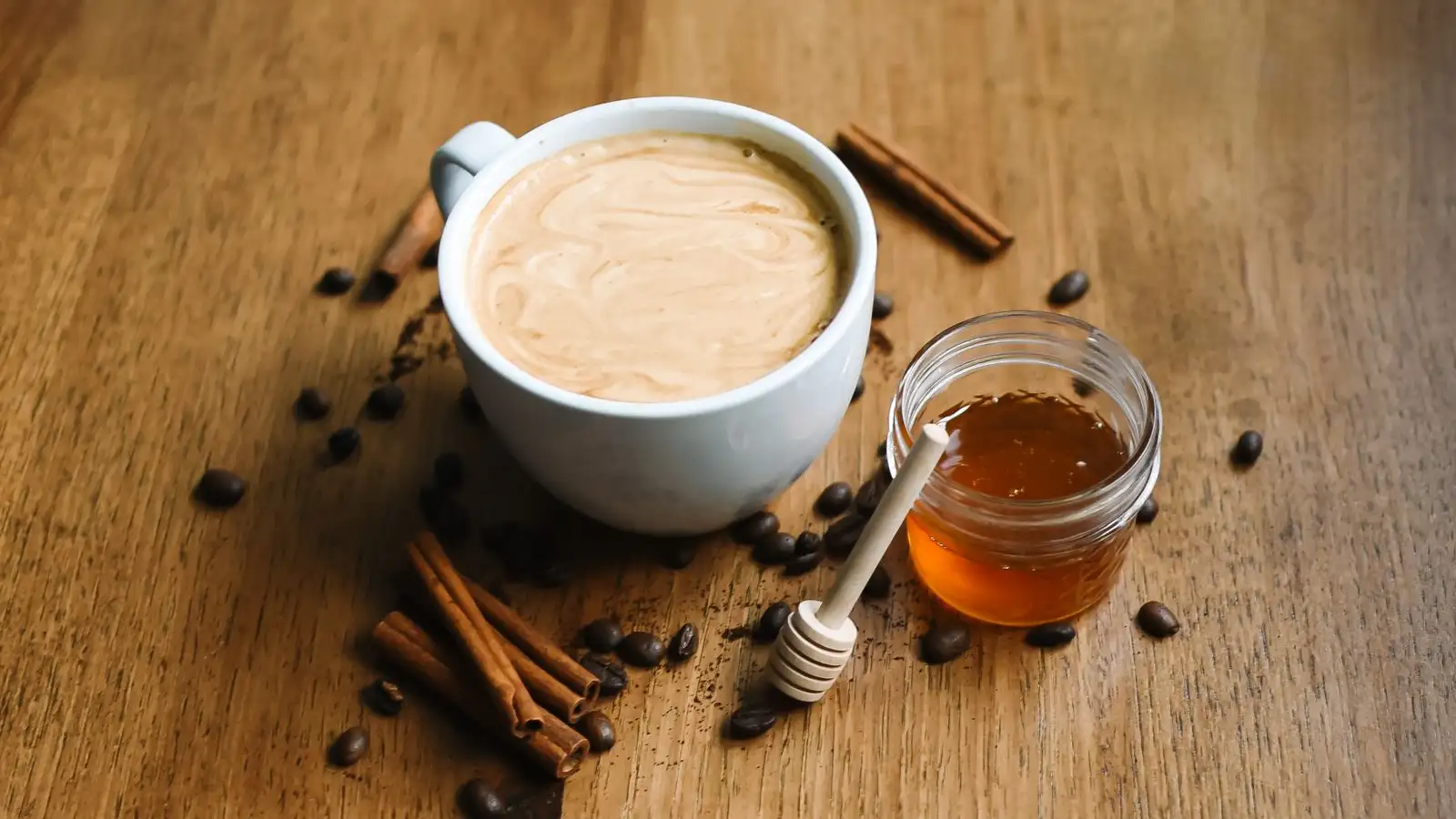
Honey adds tartness, volatile aroma, and a fast-fading sweetness that sugar never does. Here's what changes in dressings, sauces, and marinades.
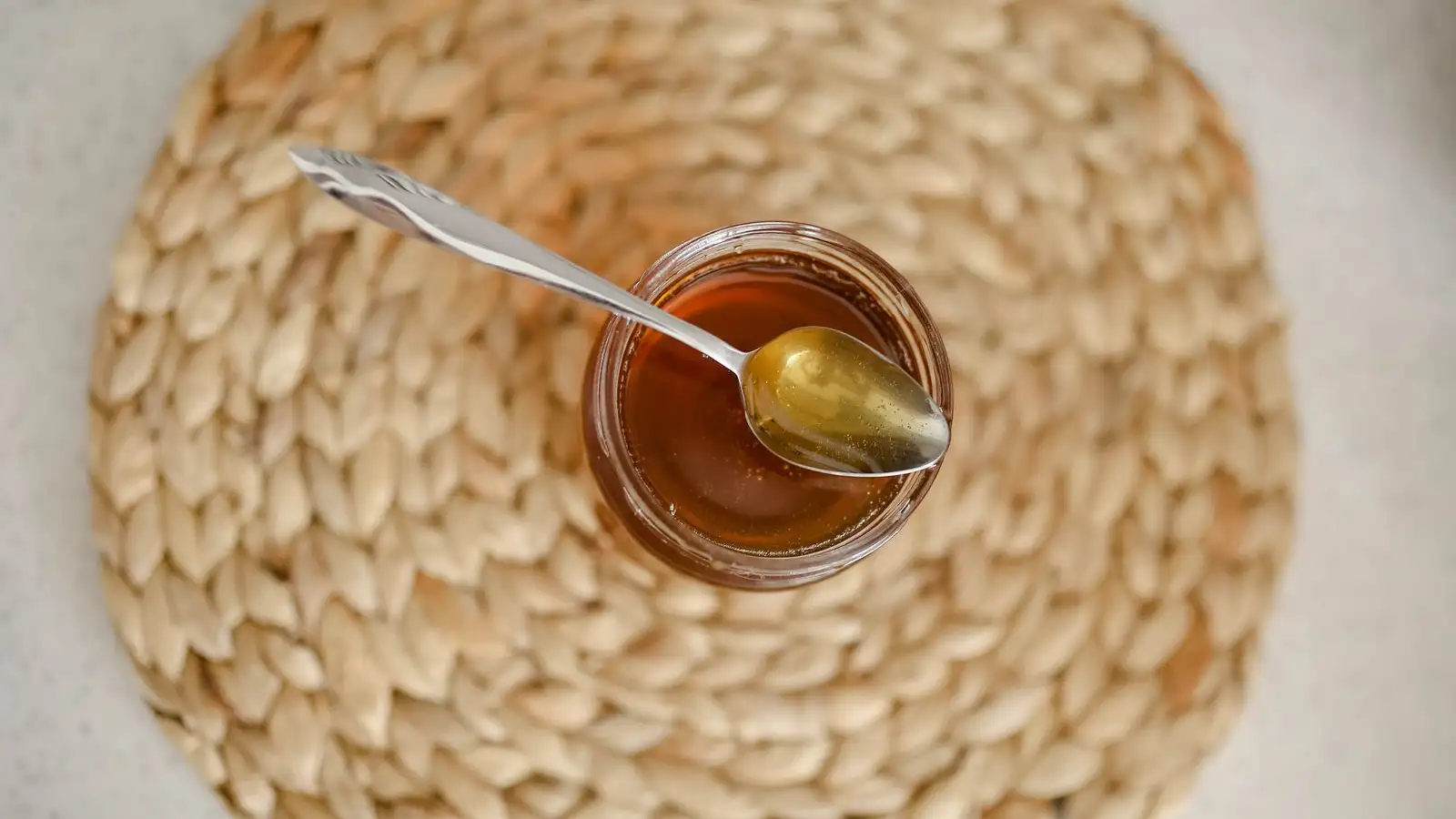
How monofloral honey stays focused on one aroma signature while polyfloral honey layers several, and the flavor wheel names what you taste.
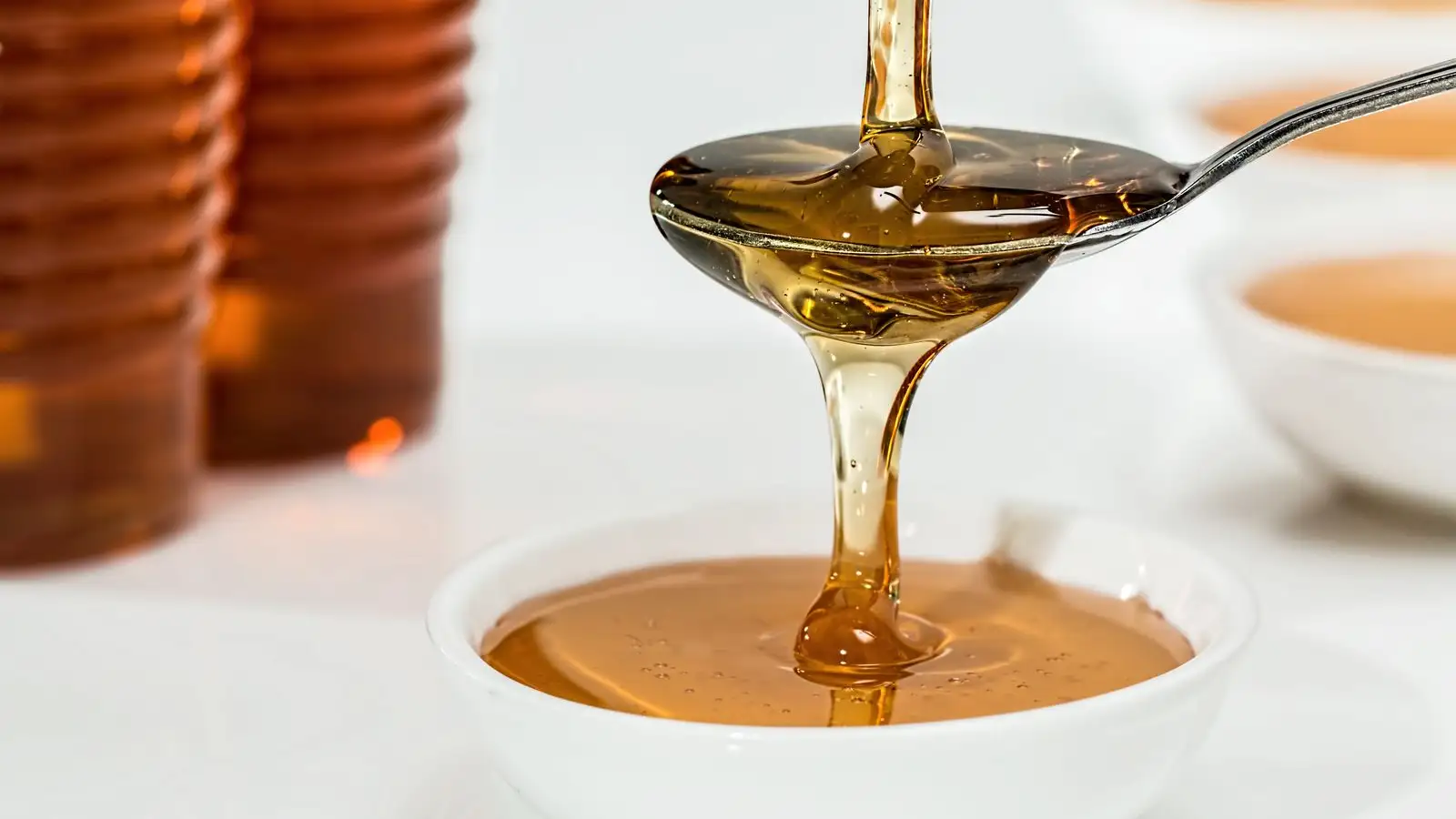
Manuka honey tastes less sweet, with wet-bark aroma, lingering bitterness, and astringency. Here's the exact vocabulary and how to taste it beside clover.