Honey Trails

  • Home
  • Varieties
    • Monofloral Honey Profiles
    • Polyfloral & Wildflower
    • Honey Color & Appearance
    • Regional & Terroir Types
    • Varietal Comparison Guides
  • Sensory
    • Flavor Wheel & Vocabulary
    • Aroma & Aromatic Families
    • Sweetness, Acidity & Bitterness
    • Texture, Body & Mouthfeel
    • Processing Effects on Sensory
  • Science & Storage
    • Sugar & Moisture Content
    • Acidity & Enzyme Activity
    • Heat, Browning & Flavor
    • Crystallization Science
    • Storage & Shelf Life
    • Re-Liquefying & Texture
  • Culinary
    • Baking & Baked Goods
    • Sauces & Marinades
    • Confections & Sugar Work
    • Beverages & Syrups
    • Sweetener Substitutions
    • Recipe Troubleshooting
  • Pairings
    • Cheese Pairings
    • Tea & Coffee Pairings
    • Yogurt & Breakfast Pairings
    • Spices & Herbs Pairings
    • Charcuterie & Savory Boards
  • Labels & Culture
    • Regulated Terms
    • Organic & Certification
    • USDA Grading
    • Varietal & Origin Labels
    • Label & Claim Myths
    • Honey in Regional Cuisines
  1. Home
  2. Honey Varieties & Botanical Profiles

Honey Varieties & Botanical Profiles

Variety-level reference on honey by botanical source: monofloral profiles, wildflower and polyfloral blends, regional and terroir types, color and appearance, and side-by-side varietal comparison for cooks and tasters.

October 19, 2026

Clover, Acacia, and Orange Blossom Honey Do Three Different Jobs

Clover, acacia, and orange blossom honey each do a different job in the kitchen. Here's which one to grab for baking, glazing, drizzling, or tea.
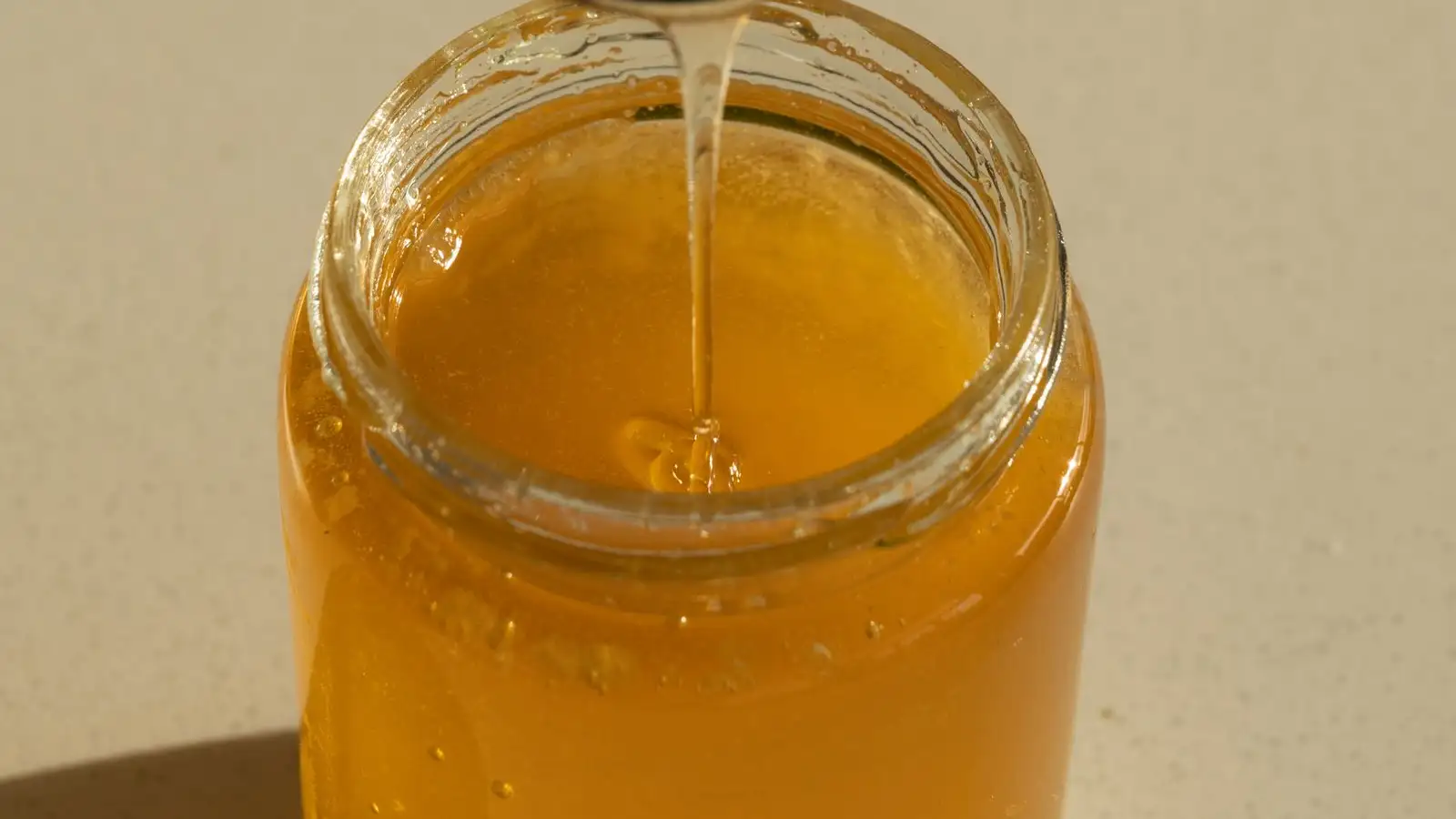
Grade A Says Nothing About How Your Honey Tastes or Sets
October 8, 2026

Grade A Says Nothing About How Your Honey Tastes or Sets

USDA Grade A measures defects, not flavor or set time. Botanical source and stated origin predict how honey tastes and how fast it crystallizes.
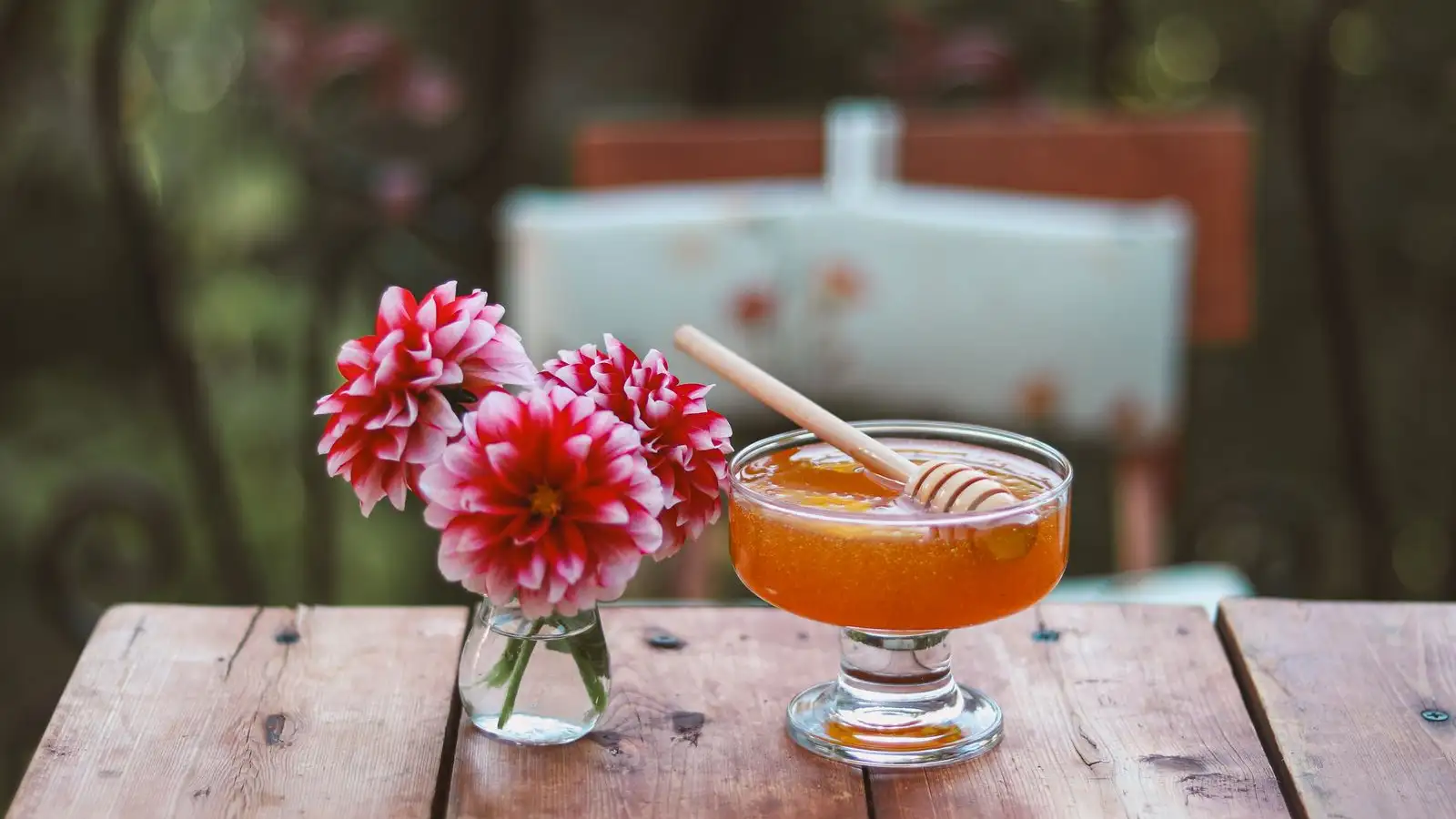
Why the Same Honey Type Tastes Different in Another Region
October 4, 2026

Why the Same Honey Type Tastes Different in Another Region

The same honey varietal can taste like two different foods across regions. Here's how soil, bloom timing, and nearby forage change aroma, and how to taste it.
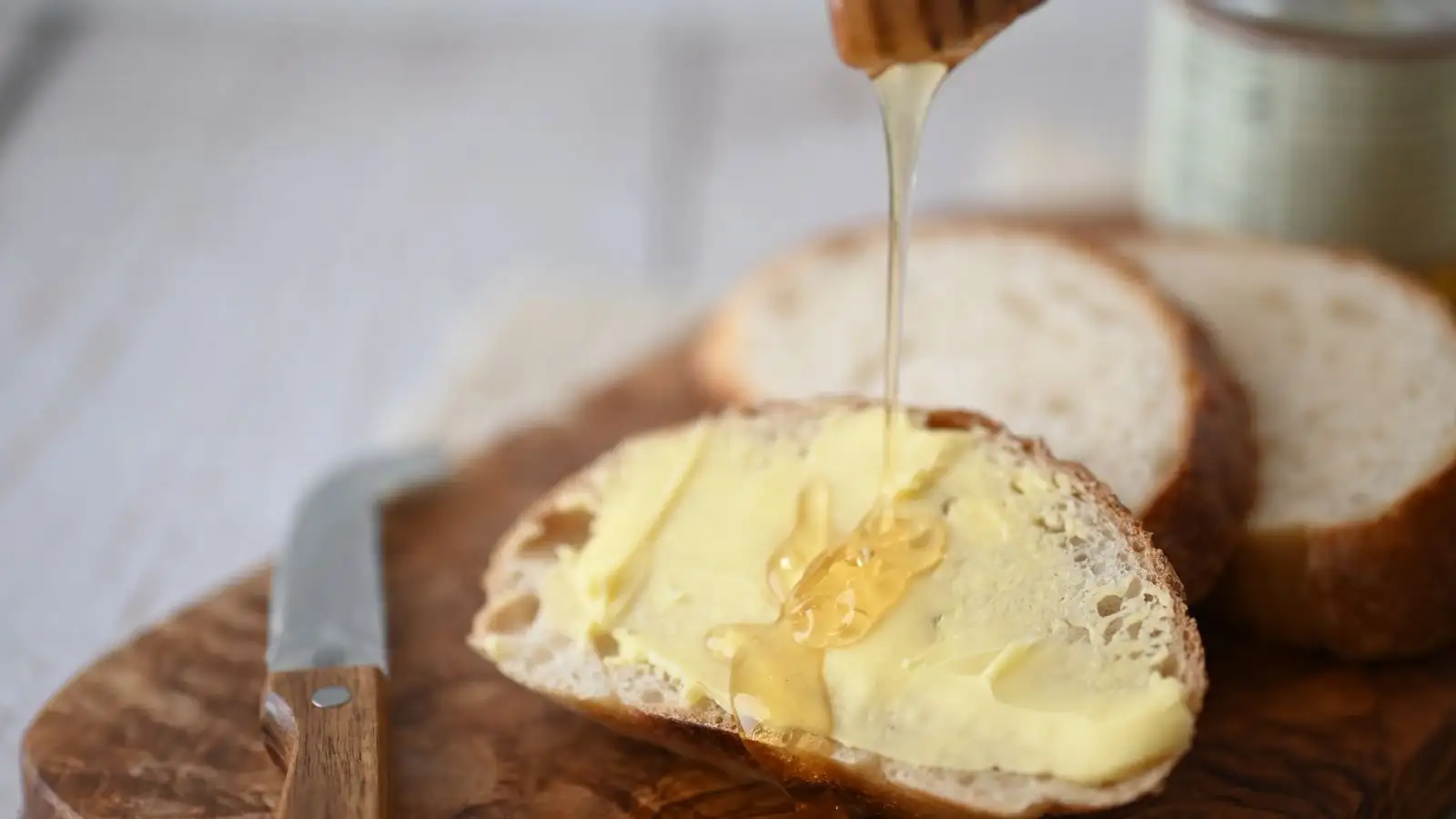
Why Does My Usual Honey Taste Different This Year?
September 30, 2026

Why Does My Usual Honey Taste Different This Year?

Rainfall, bloom timing, and soil make the same varietal honey taste and set differently year to year. How to compare two jars — and why color misleads.
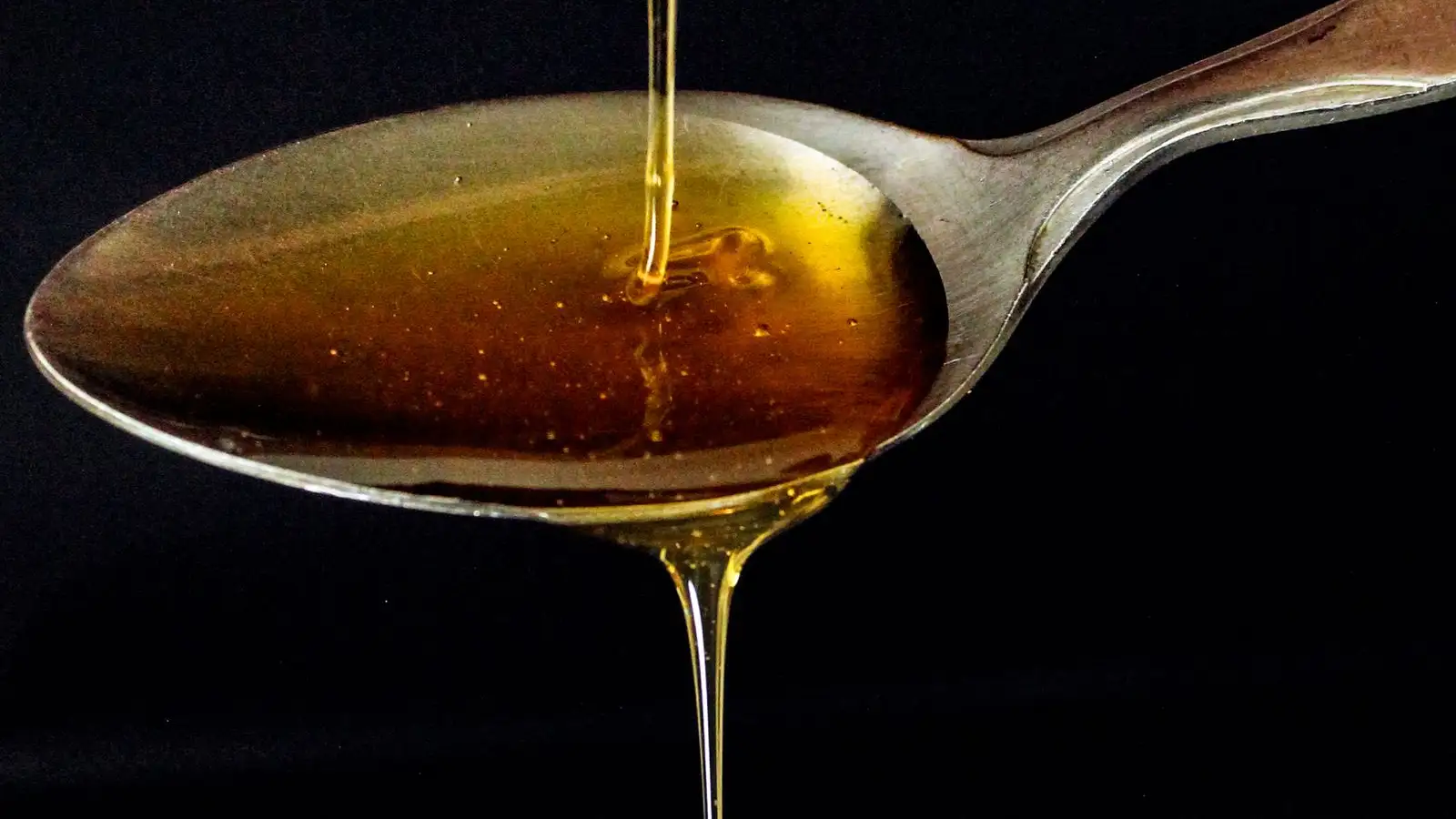
Darker Honey Isn't Always Stronger, and Color Can Mislead
September 27, 2026

Darker Honey Isn't Always Stronger, and Color Can Mislead

Honey color doesn't predict flavor intensity. Learn why dark honey can taste mild, pale honey can be bold, and how to taste honey before pairing it with food.
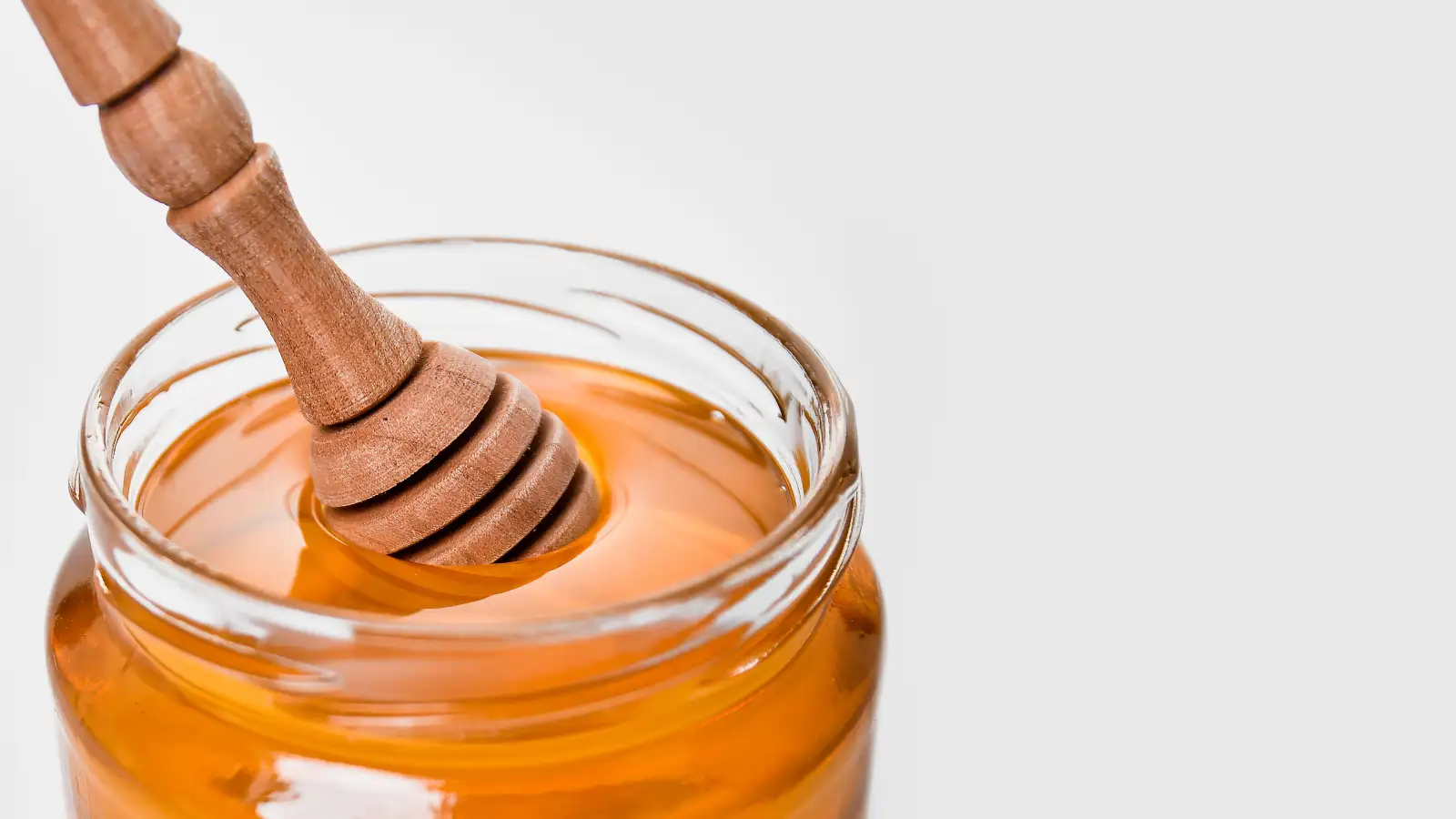
Darker Honey Isn't Better Honey, but It Cooks Differently
September 22, 2026

Darker Honey Isn't Better Honey, but It Cooks Differently

Color is a shortcut for how honey tastes and browns, not a quality grade. What pale, amber, and dark jars do differently in baking and sauces.

Search

Categories

  • Honey Varieties & Botanical Profiles
  • Sensory Literacy & Flavor Analysis
  • Honey Composition & Food Science
  • Crystallization, Texture & Storage Quality
  • Culinary Applications & Recipe Development
  • Honey Pairing Guides
  • Labels, Grades & Buyer Education
  • Honey Culture & Food History
  • Honey Varieties
    • Monofloral Honey Profiles
    • Polyfloral & Wildflower Profiles
    • Regional & Terroir Honey Types
    • Varietal Comparison Guides
  • Kitchen & Pairings
    • Culinary Applications & Recipe Development
    • Baking & Baked Goods
    • Sweetener Substitution & Conversions
    • Honey Pairing Guides
  • Quality & Labeling
    • Honey Composition & Food Science
    • Crystallization Science & Sugar Ratios
    • Storage Conditions & Shelf Life
    • Labels, Grades & Buyer Education
  • About & Legal
    • About Us
    • Contact Us
    • Privacy Policy
    • Disclaimer

© 2026 Honey Trails

Honey Trails publishes general educational information about honey, not medical or dietary advice. Consult a qualified healthcare professional about your specific situation.