Why a One-for-One Honey Swap Quietly Ruins the Recipe
A one-for-one honey swap changes liquid, leavening, and browning all at once. Here's how the four adjustments travel together in baking, and why they matter.
Honey in the kitchen: baking, sauces and marinades, confections, beverages and syrups, sweetener substitution and conversions, recipe development and troubleshooting, and myth-clearing on baking and substitution.
A one-for-one honey swap changes liquid, leavening, and browning all at once. Here's how the four adjustments travel together in baking, and why they matter.
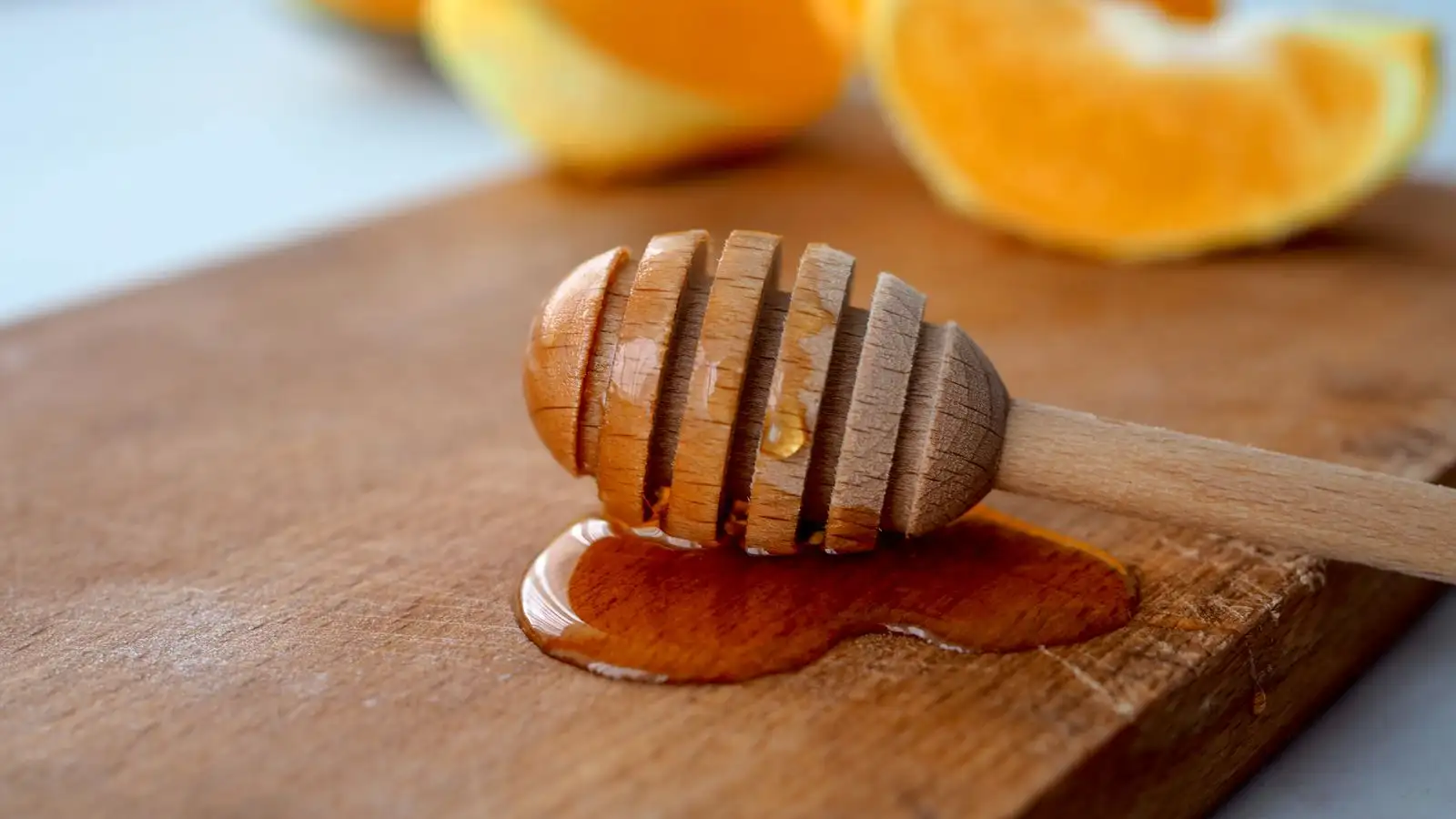
Manuka honey's earthy bitterness survives cooking while its aroma bakes off. Learn to use less of it, land it late, and pair it with salt, acid, and fat.
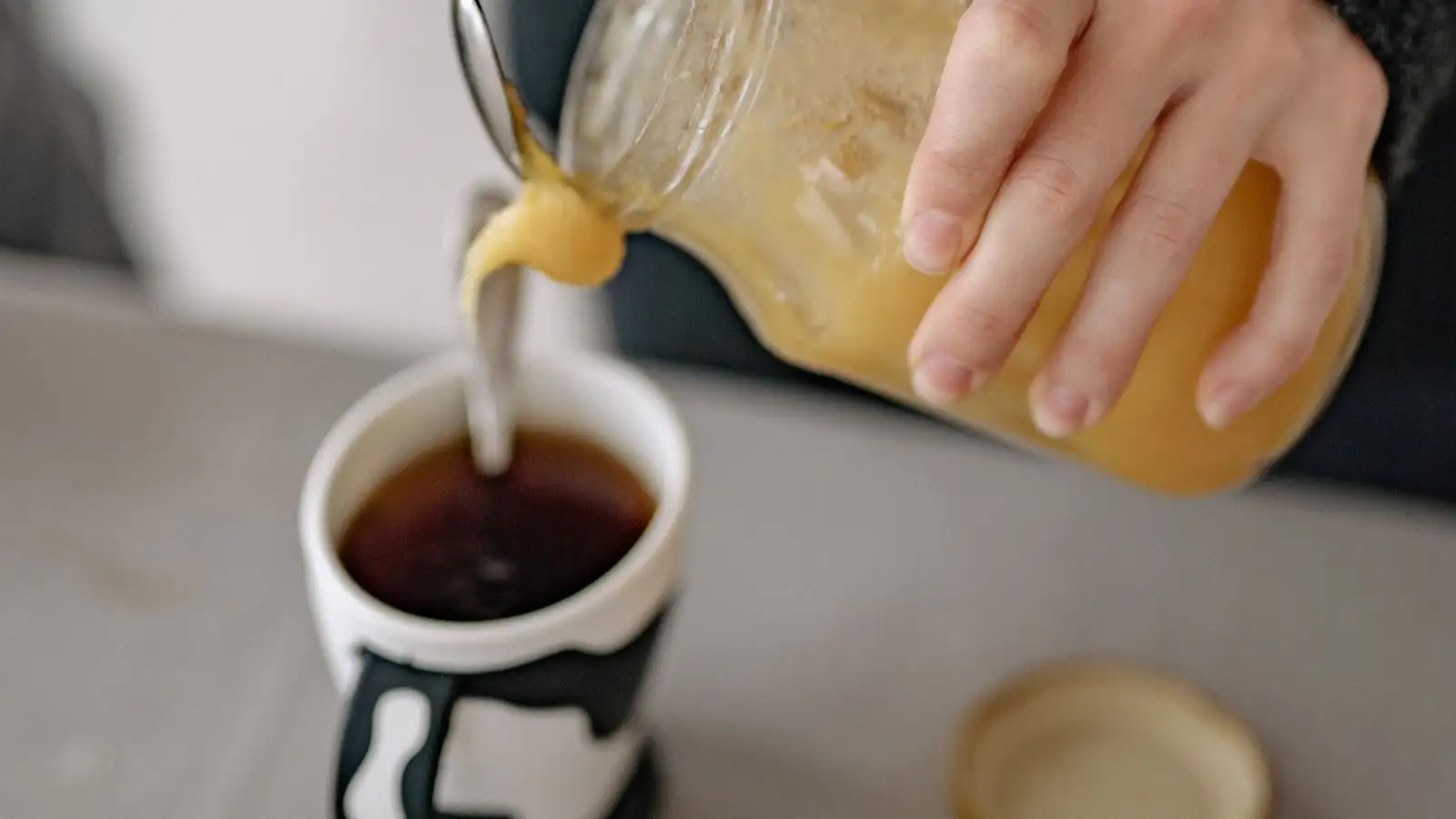
Replace each cup of sugar with three-quarters of a cup of honey, pull a quarter cup of liquid, and add a quarter teaspoon of baking soda. Here's why.
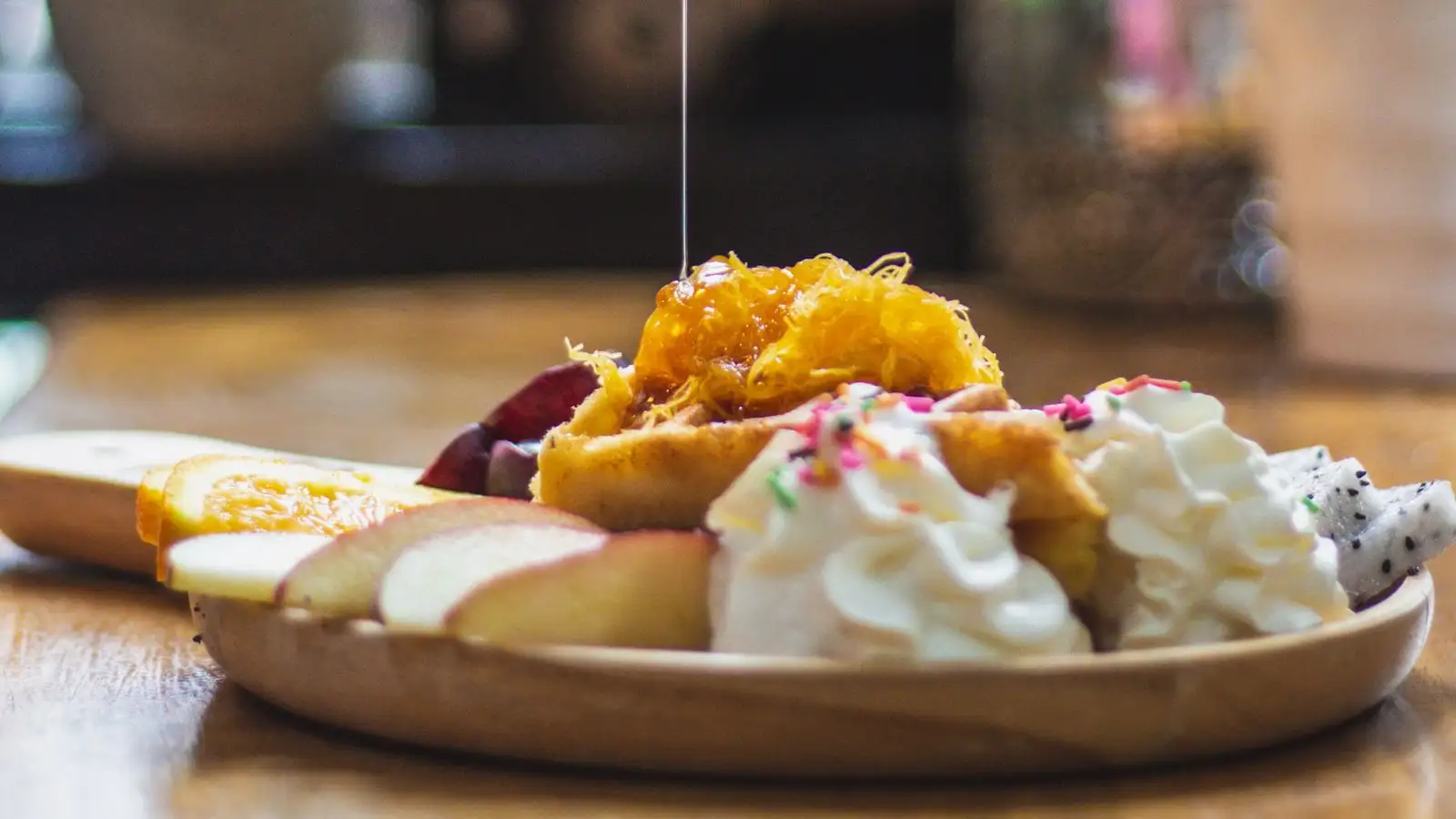
Yes, the varietal changes sweetness, browning, and aroma. A cook's guide to matching clover, buckwheat, and orange blossom to the right dish.
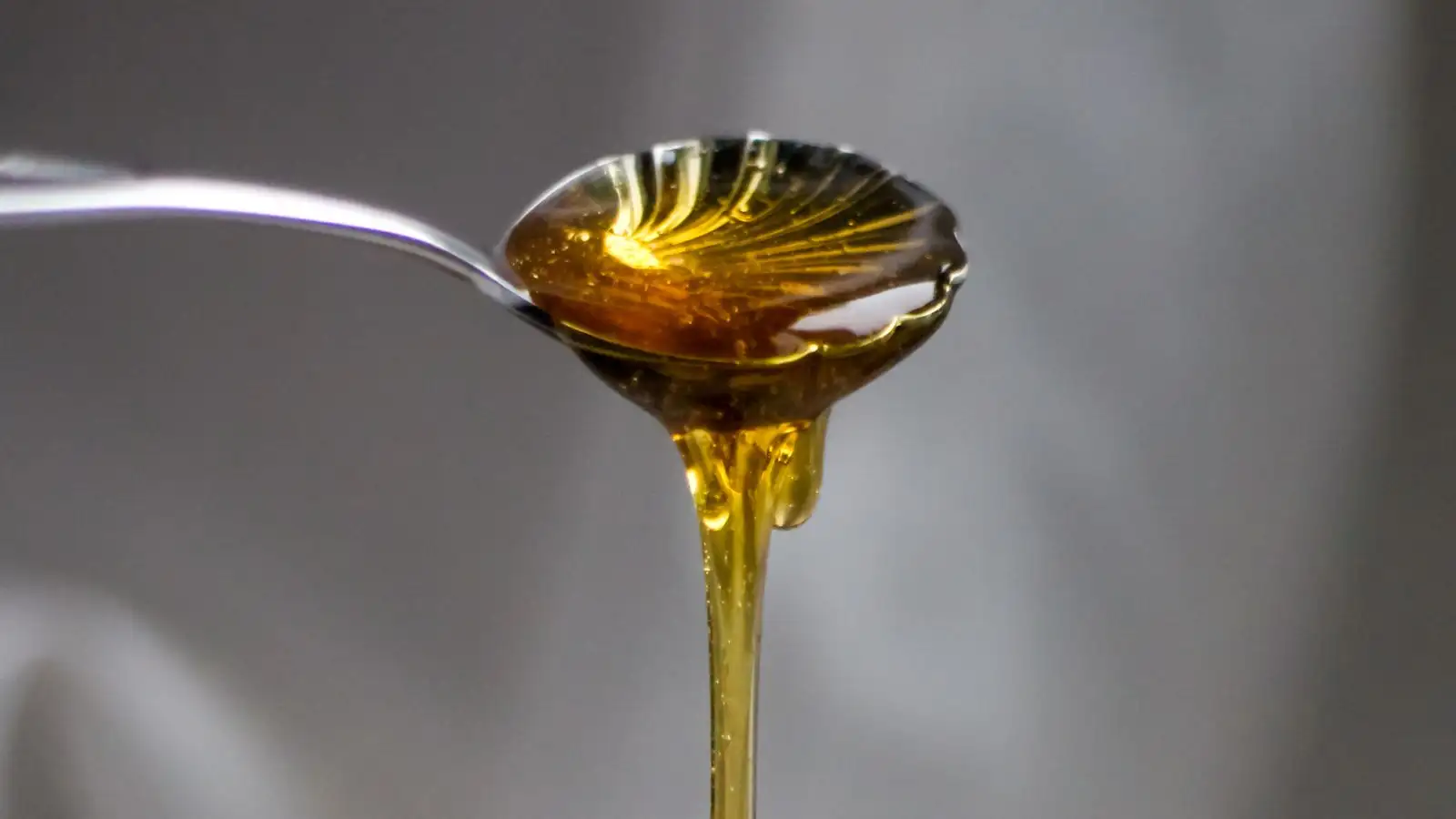
Use three-quarters cup honey per cup of sugar, then cut liquid by a quarter cup, add baking soda, and drop the oven 25 F. The reverse swap needs water added.
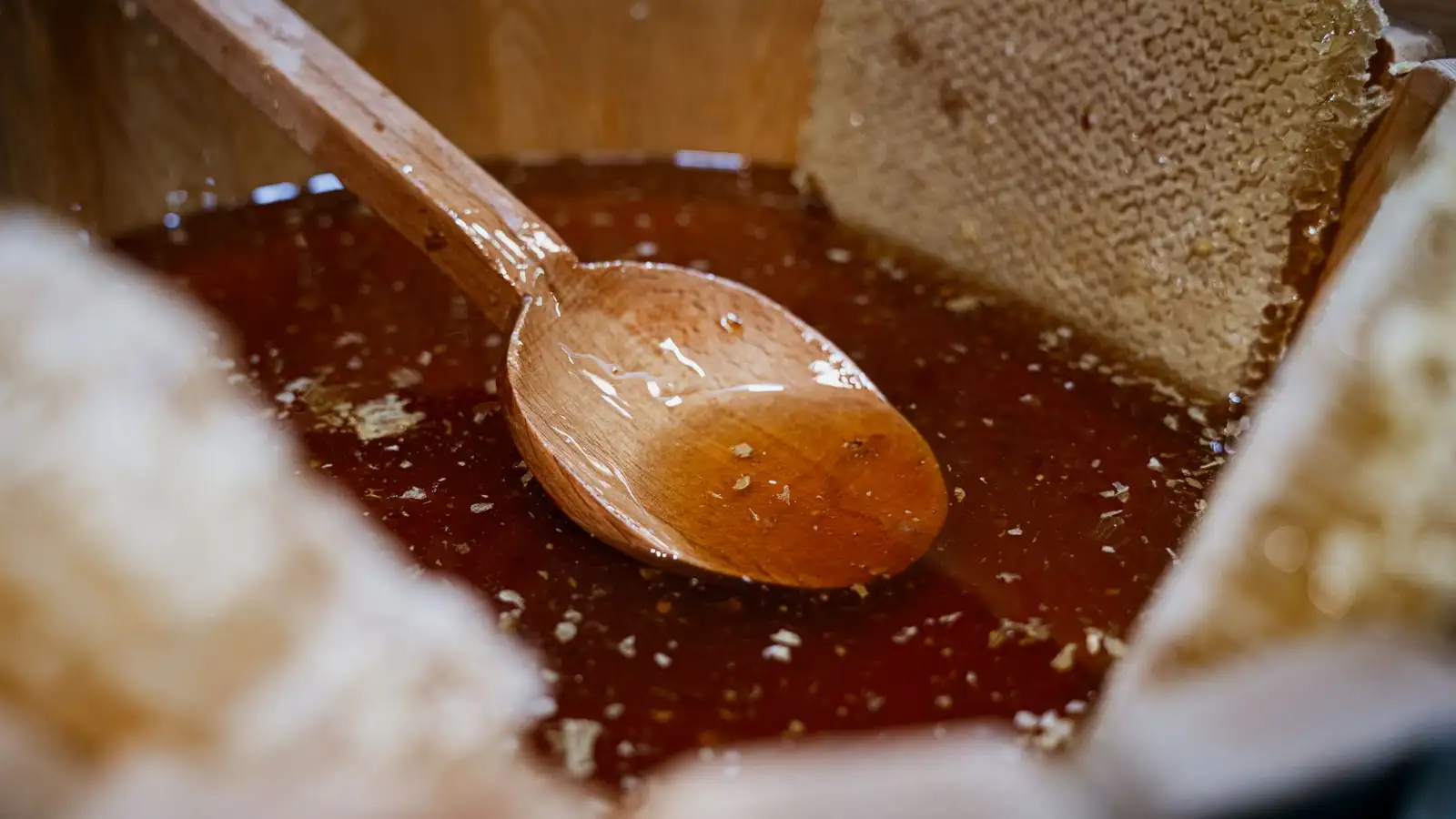
Honey and granulated sugar are not interchangeable by measure. Here is how water content, fructose, and acidity change what each one does in a recipe.
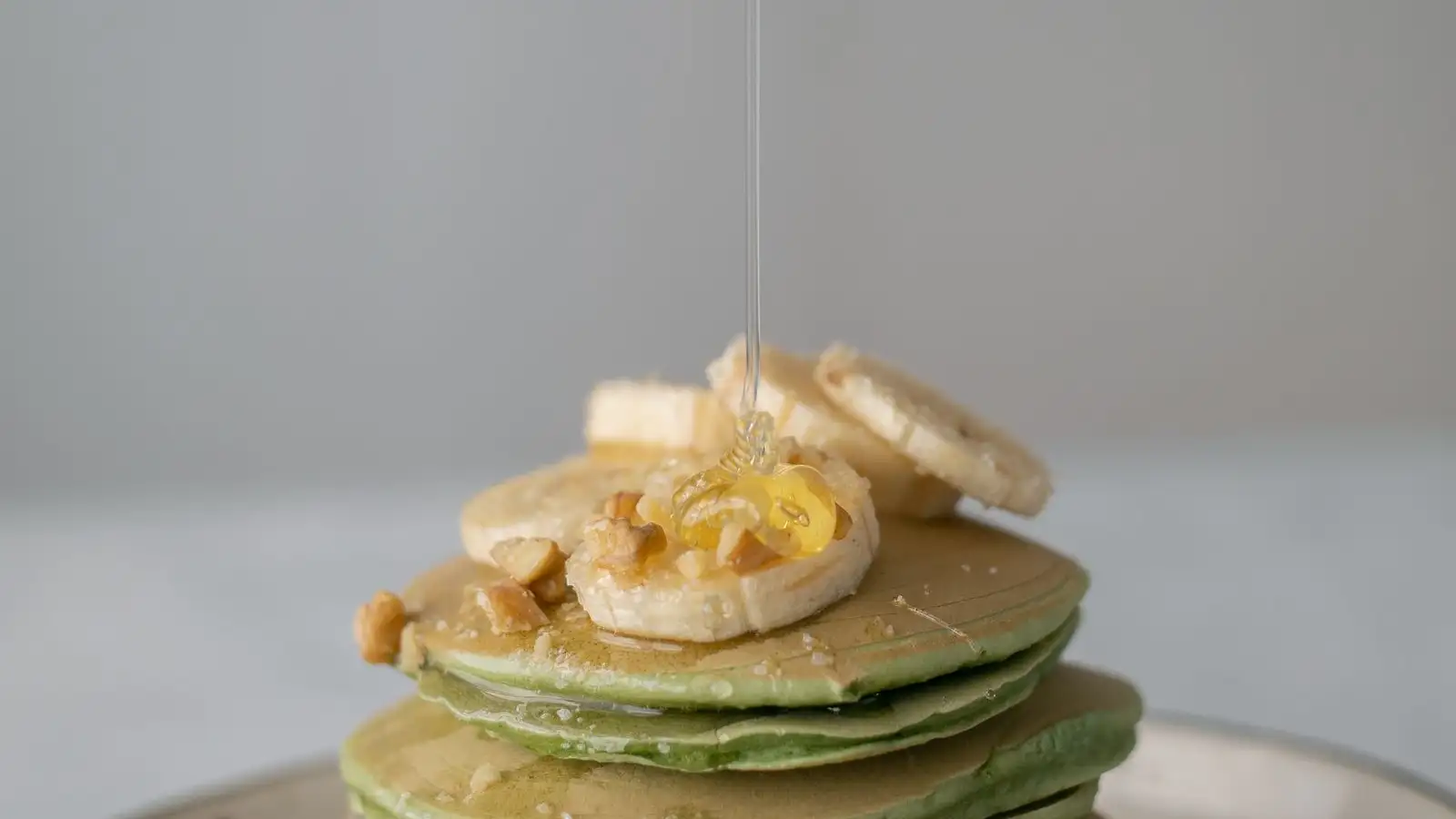
Swapping sugar for honey mid-recipe shifts moisture, sweetness per gram, and browning. Organic certification changes none of the mixing-bowl math.
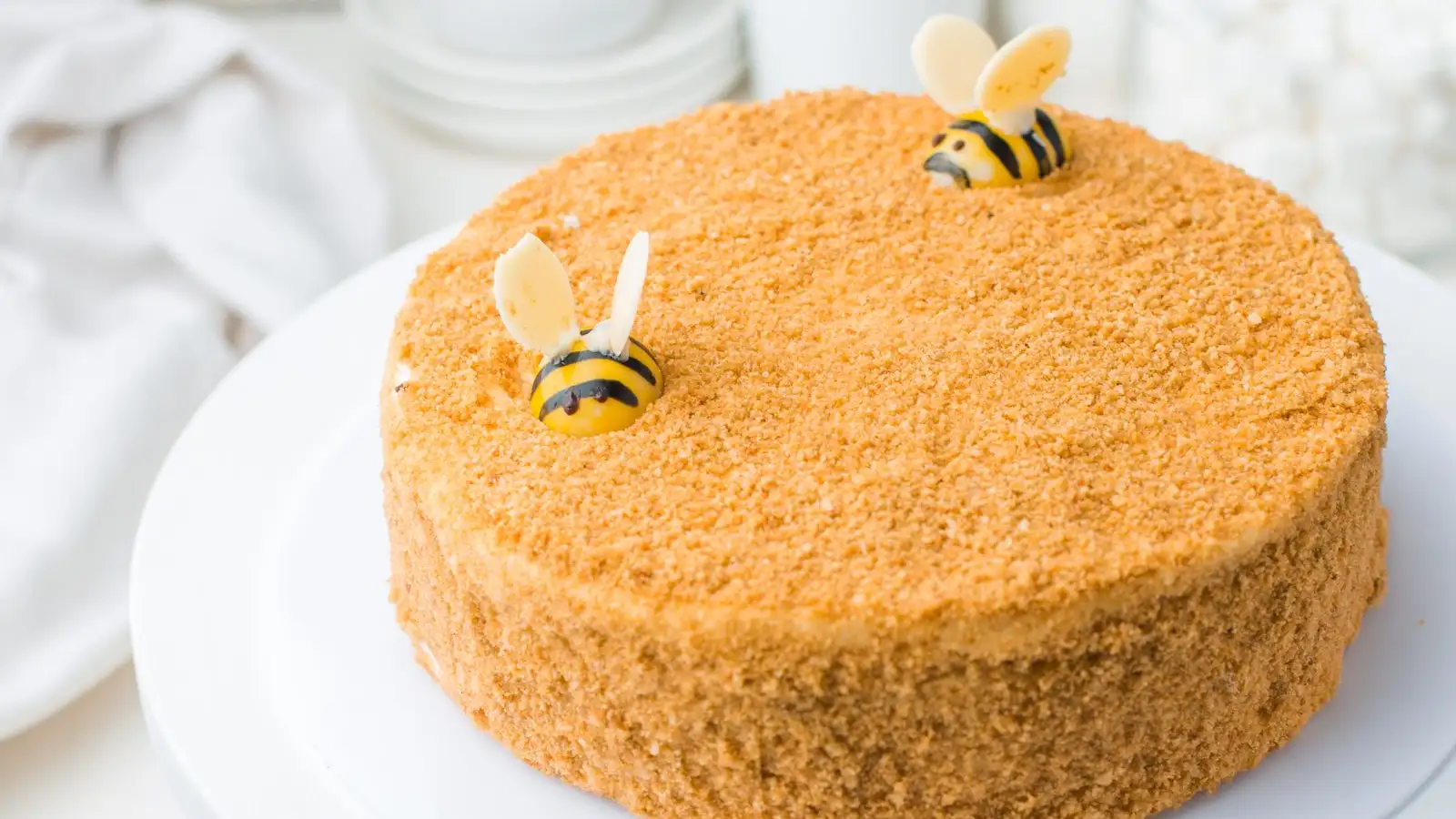
Honey changes crumb structure, spread, and rise — not just flavor. How creaming, water, and acidity behave when sugar is swapped out, and why half is right.
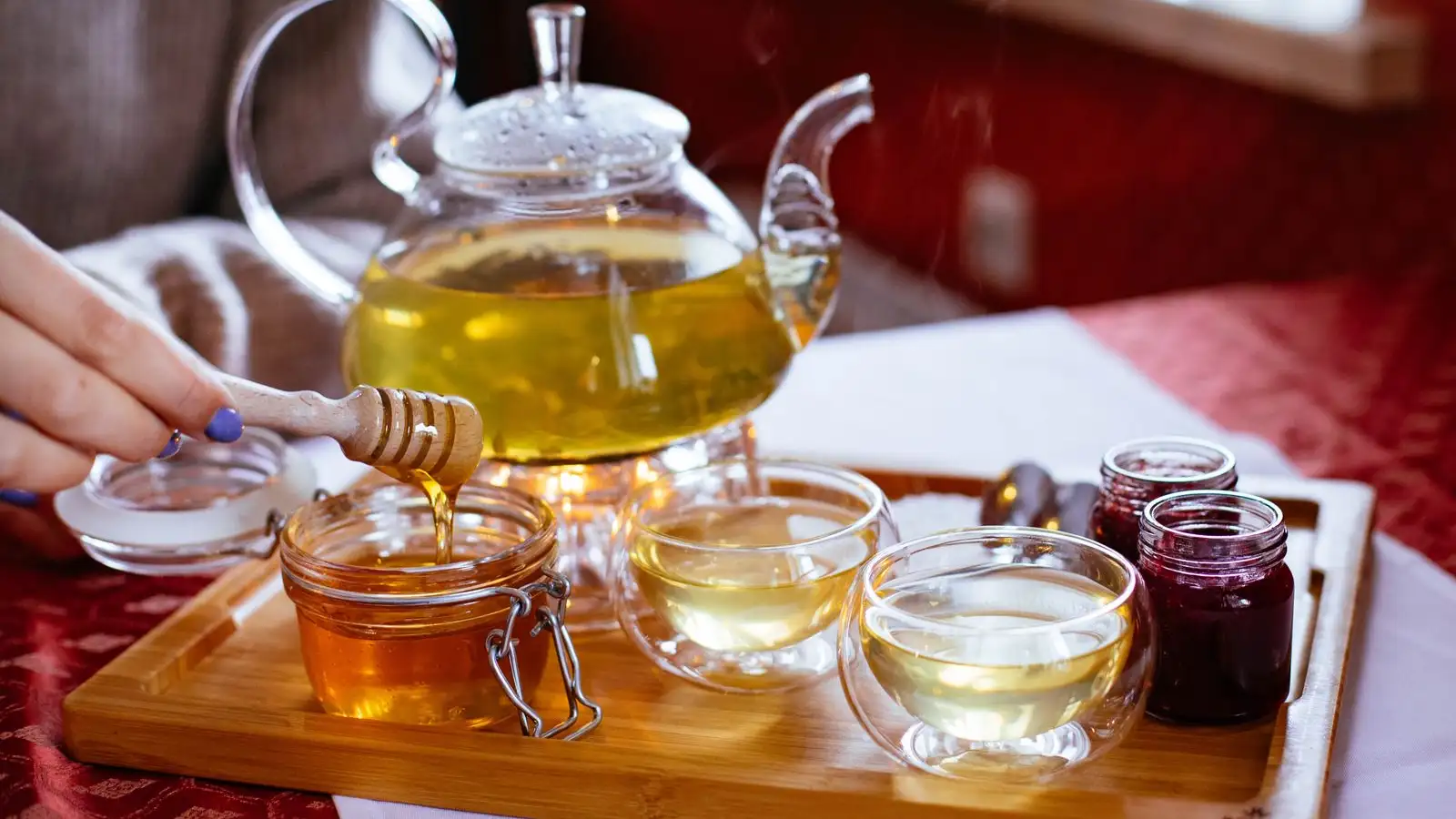
Learn how equal parts honey and hot water make a honey syrup that dissolves in cold drinks, plus 1:1 vs 2:1 ratios, crystallized honey, and aroma.
Heat strips raw honey's aroma but leaves its sugar, acid, and water untouched. Here's what to weigh, what to expect, and where the pricey jar pays off.