Honey Trails

  • Home
  • Varieties
    • Monofloral Honey Profiles
    • Polyfloral & Wildflower
    • Honey Color & Appearance
    • Regional & Terroir Types
    • Varietal Comparison Guides
  • Sensory
    • Flavor Wheel & Vocabulary
    • Aroma & Aromatic Families
    • Sweetness, Acidity & Bitterness
    • Texture, Body & Mouthfeel
    • Processing Effects on Sensory
  • Science & Storage
    • Sugar & Moisture Content
    • Acidity & Enzyme Activity
    • Heat, Browning & Flavor
    • Crystallization Science
    • Storage & Shelf Life
    • Re-Liquefying & Texture
  • Culinary
    • Baking & Baked Goods
    • Sauces & Marinades
    • Confections & Sugar Work
    • Beverages & Syrups
    • Sweetener Substitutions
    • Recipe Troubleshooting
  • Pairings
    • Cheese Pairings
    • Tea & Coffee Pairings
    • Yogurt & Breakfast Pairings
    • Spices & Herbs Pairings
    • Charcuterie & Savory Boards
  • Labels & Culture
    • Regulated Terms
    • Organic & Certification
    • USDA Grading
    • Varietal & Origin Labels
    • Label & Claim Myths
    • Honey in Regional Cuisines
  1. Home
  2. Crystallization, Texture & Storage Quality

Crystallization, Texture & Storage Quality

Physical behavior and quality-keeping of honey: crystallization mechanics, temperature and seed crystal effects, re-liquefying methods, storage conditions and shelf life, and the myths attached to crystallization and spoilage.

October 20, 2026

How to Freeze and Thaw Honey Without Cracking the Jar

Freeze honey in freezer-safe jars with an inch of headspace, seal them tight, and thaw slowly in warm water — plus why glass jars actually crack.

October 15, 2026

Is Crystallized Honey Still Fine to Bake With?

Crystallized honey still bakes fine. The two places it differs are measuring by weight instead of volume, and cold dishes that never dissolve the crystals.
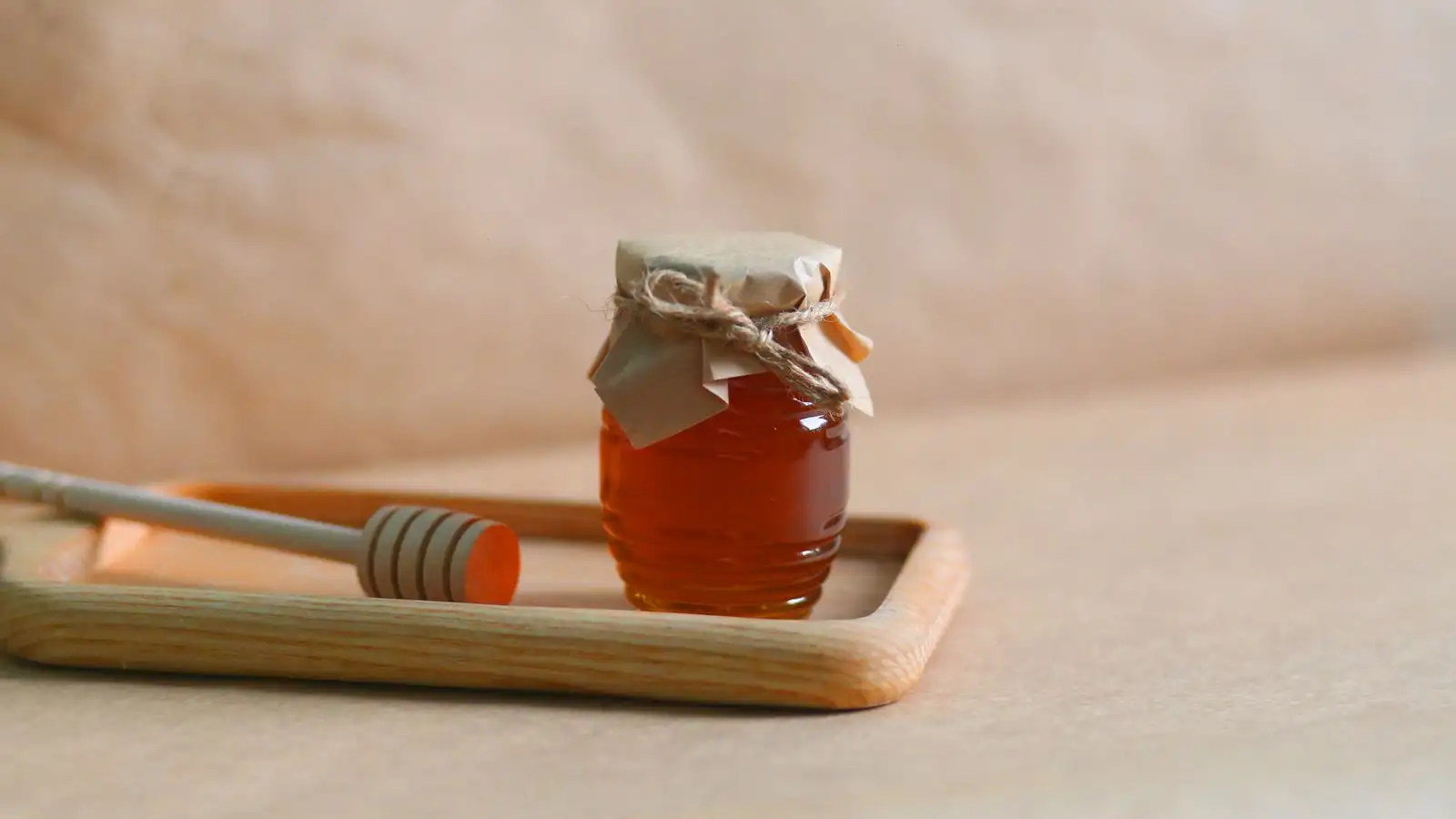
The Storage Mistake That Makes Manuka Honey Lose Its Flavor
October 14, 2026

The Storage Mistake That Makes Manuka Honey Lose Its Flavor

Heat, light, moisture, and kitchen odors quietly flatten manuka honey's flavor. Here's where to actually keep the jar, and what to watch for.
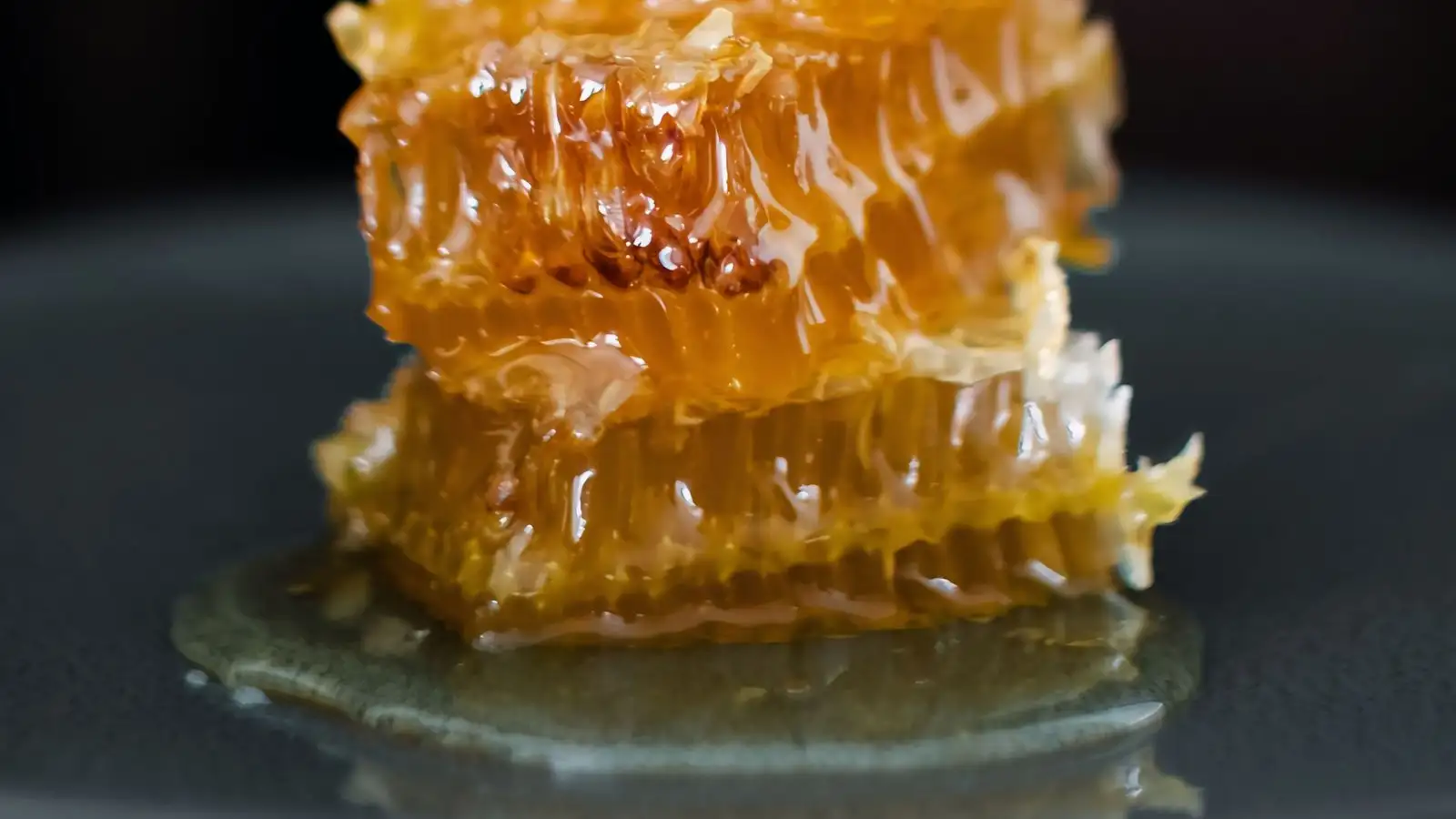
Why a Water Bath Beats the Microwave for Crystallized Honey
October 11, 2026

Why a Water Bath Beats the Microwave for Crystallized Honey

A warm water bath at 100-110°F restores crystallized honey in 20-45 minutes without scorching it. Here's the method, the stirring, and what shortcuts cost.
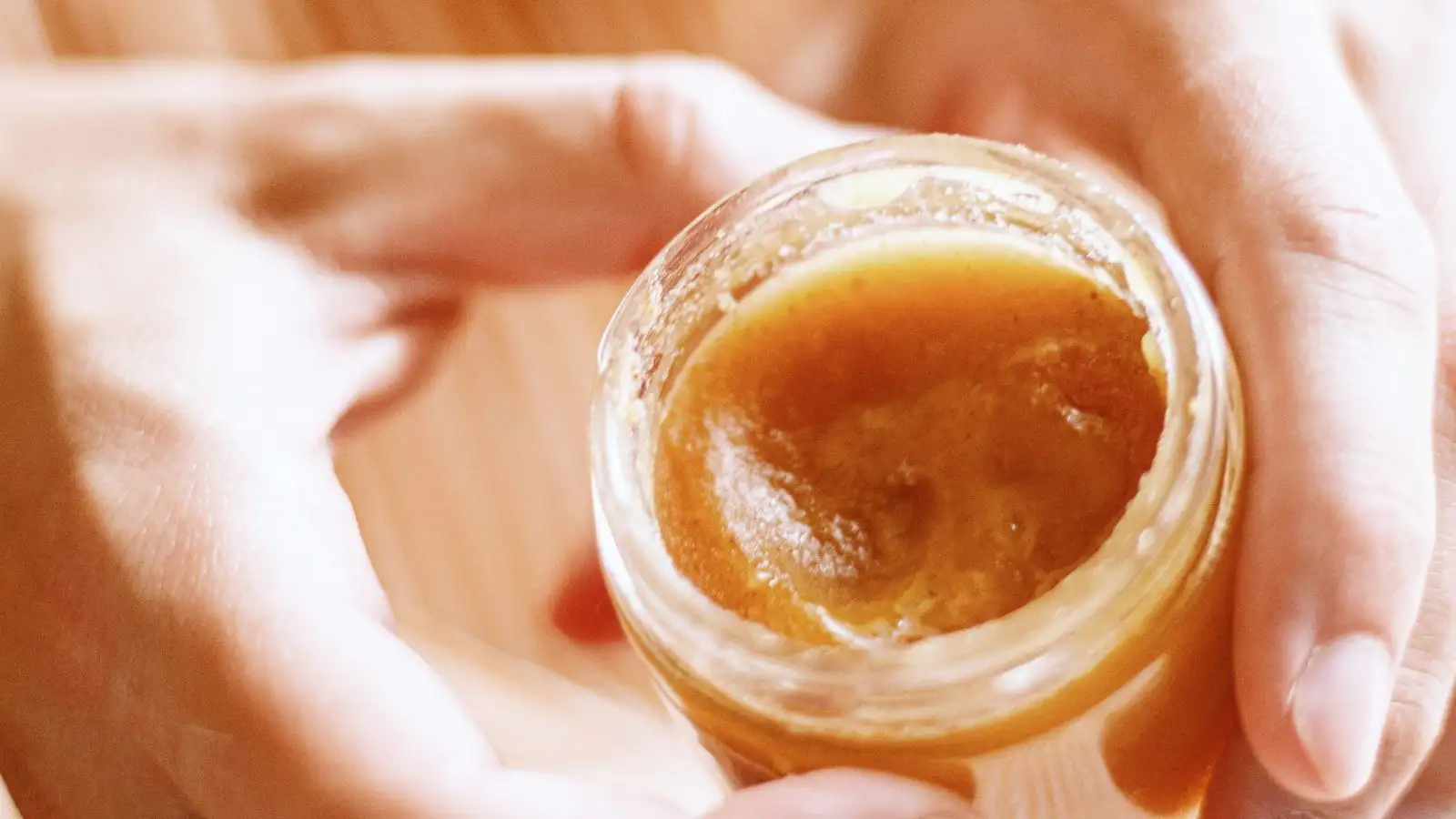
Melt Solid Honey in a 110°F Water Bath, Not a Boil
October 5, 2026

Melt Solid Honey in a 110°F Water Bath, Not a Boil

How to re-liquefy crystallized honey in a 100-110°F water bath, and when a solid jar can go straight into the cake batter without melting it first.
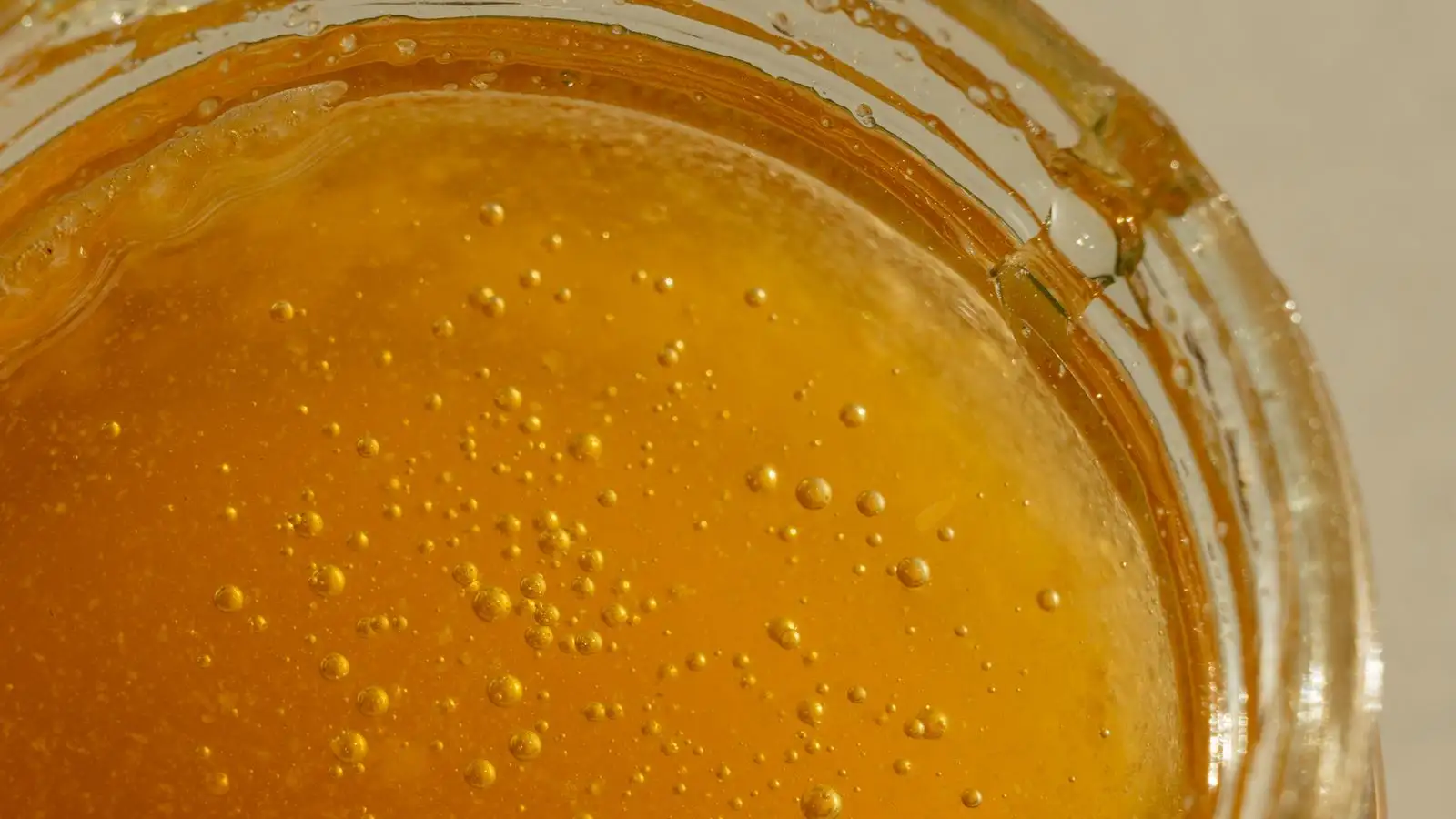
How to Soften a Solid Jar of Raw Honey Without Cooking It
October 3, 2026

How to Soften a Solid Jar of Raw Honey Without Cooking It

A water bath at 95-110°F brings a crystallized jar of raw honey back to liquid without cooking off the aroma. Here's how to hold the temperature.
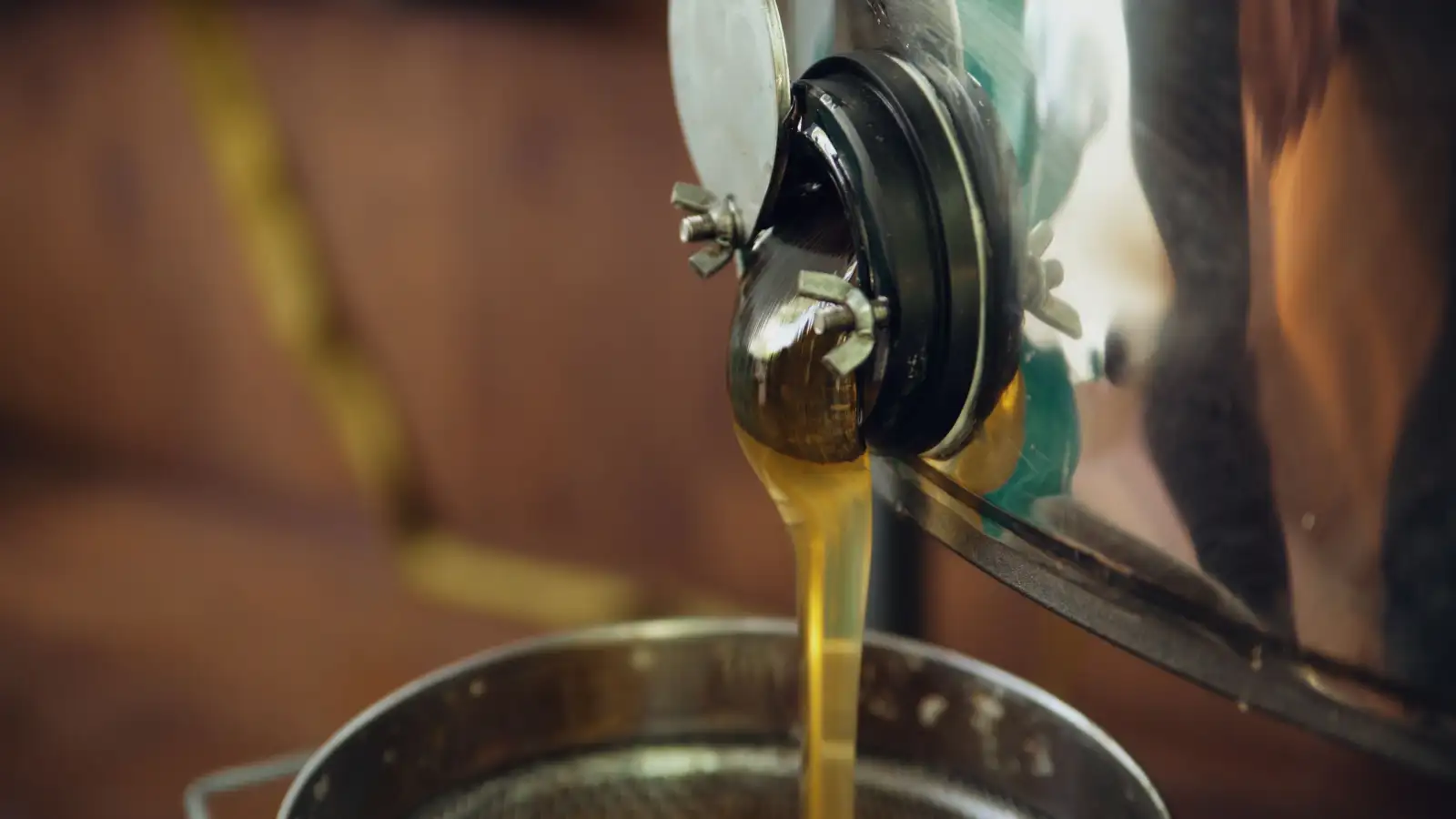
Honey Never Spoils, but Bad Storage Can Ruin Its Flavor
September 23, 2026

Honey Never Spoils, but Bad Storage Can Ruin Its Flavor

Honey's low water activity stops microbes, not flavor loss. How moisture, light, heat, and odors degrade honey over time, and how to store it so it still tastes right.
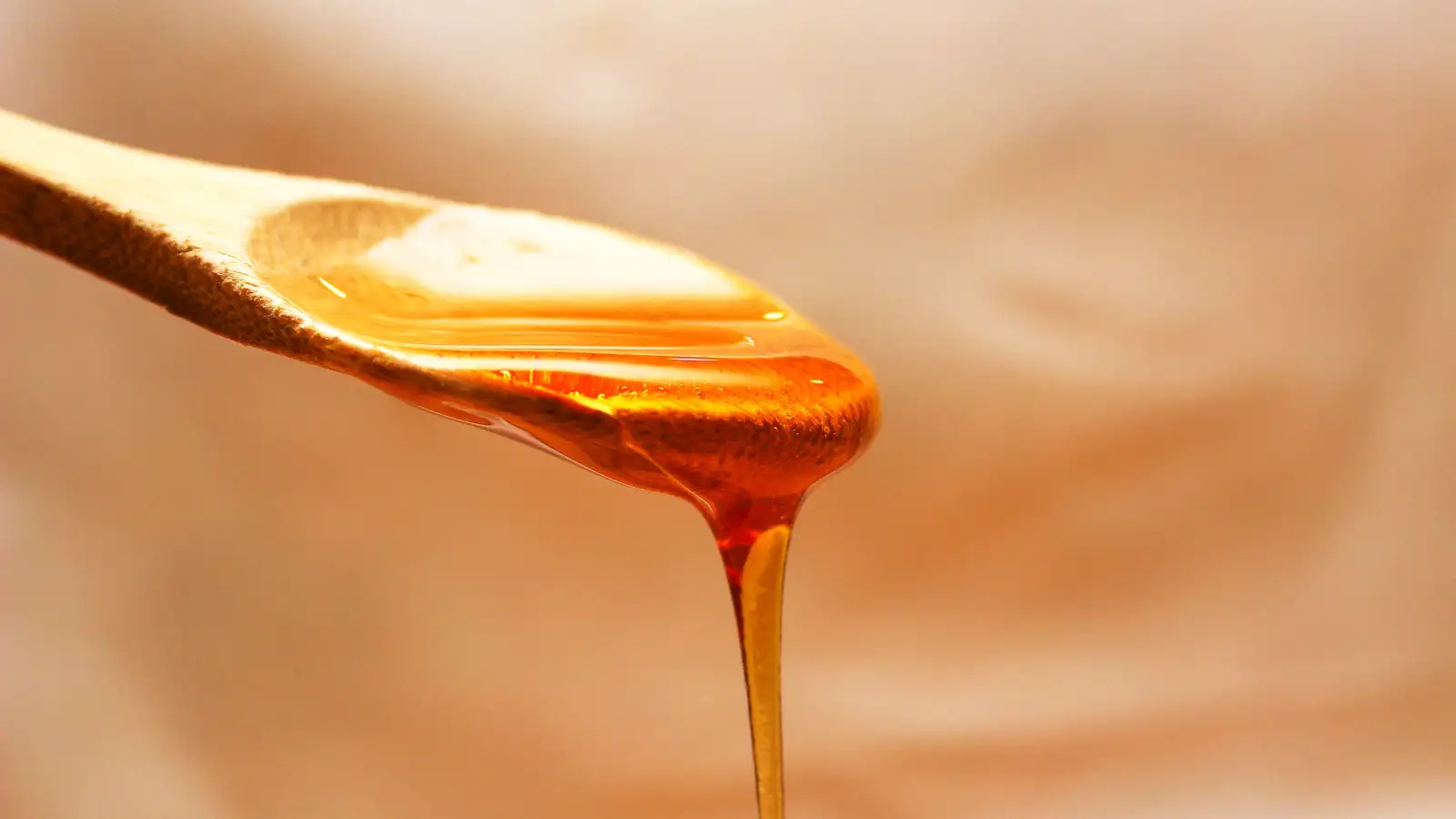
The Glucose-to-Fructose Ratio Decides How Fast a Honey Sets
September 17, 2026

The Glucose-to-Fructose Ratio Decides How Fast a Honey Sets

The glucose-to-fructose ratio in honey decides whether a jar sets in weeks or stays liquid for years. Here's how to read a shelf and predict it.
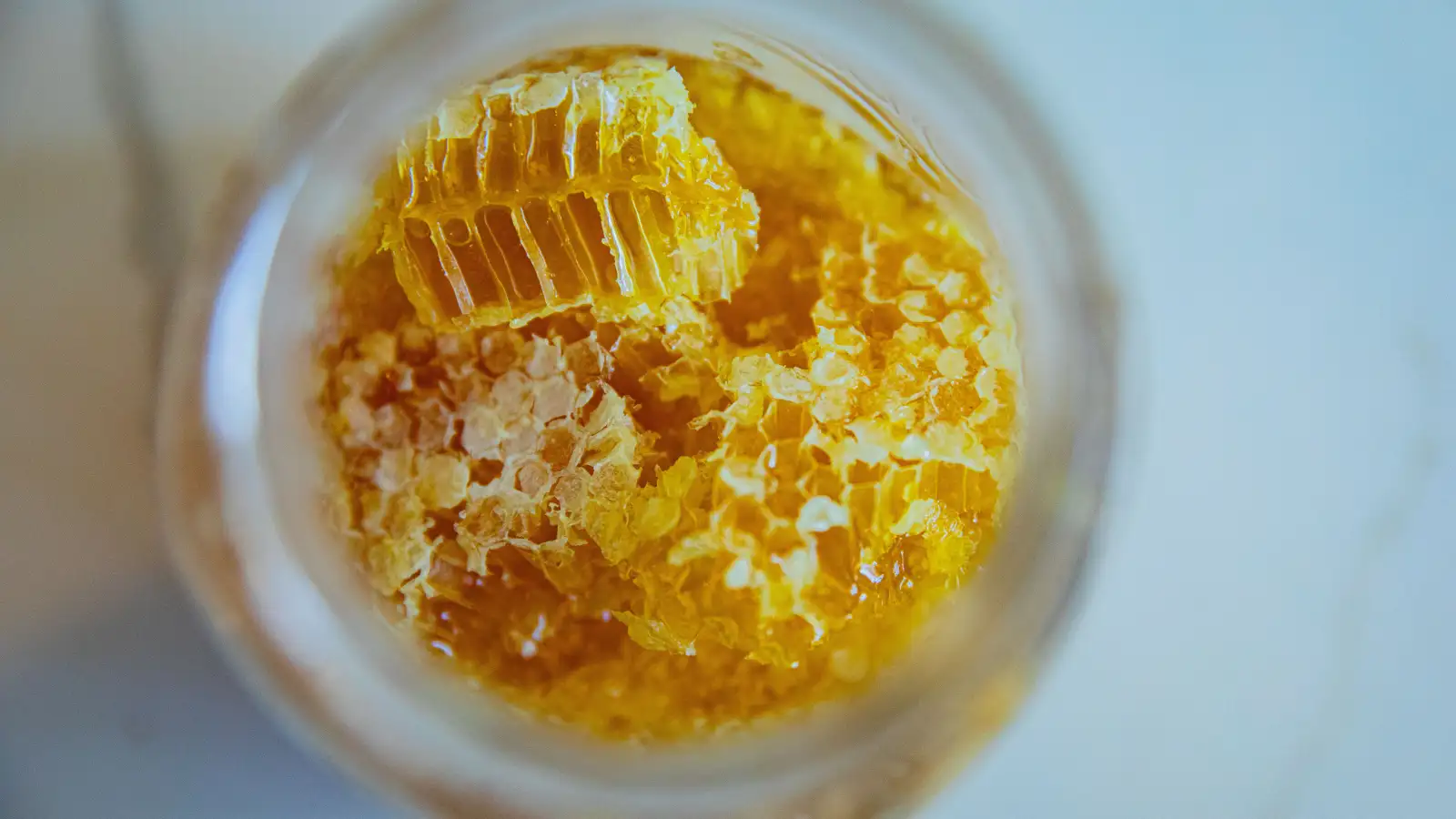
Crystallized Honey Isn't Spoiled, but How Can You Tell?
September 15, 2026

Crystallized Honey Isn't Spoiled, but How Can You Tell?

Crystallized honey is safe. The crystals are just glucose. Here's how to tell harmless crystallization from real fermentation, and how to re-liquefy it safely.

Search

Categories

  • Honey Varieties & Botanical Profiles
  • Sensory Literacy & Flavor Analysis
  • Honey Composition & Food Science
  • Crystallization, Texture & Storage Quality
  • Culinary Applications & Recipe Development
  • Honey Pairing Guides
  • Labels, Grades & Buyer Education
  • Honey Culture & Food History
  • Honey Varieties
    • Monofloral Honey Profiles
    • Polyfloral & Wildflower Profiles
    • Regional & Terroir Honey Types
    • Varietal Comparison Guides
  • Kitchen & Pairings
    • Culinary Applications & Recipe Development
    • Baking & Baked Goods
    • Sweetener Substitution & Conversions
    • Honey Pairing Guides
  • Quality & Labeling
    • Honey Composition & Food Science
    • Crystallization Science & Sugar Ratios
    • Storage Conditions & Shelf Life
    • Labels, Grades & Buyer Education
  • About & Legal
    • About Us
    • Contact Us
    • Privacy Policy
    • Disclaimer

© 2026 Honey Trails

Honey Trails publishes general educational information about honey, not medical or dietary advice. Consult a qualified healthcare professional about your specific situation.