Honey Trails

  • Home
  • Varieties
    • Monofloral Honey Profiles
    • Polyfloral & Wildflower
    • Honey Color & Appearance
    • Regional & Terroir Types
    • Varietal Comparison Guides
  • Sensory
    • Flavor Wheel & Vocabulary
    • Aroma & Aromatic Families
    • Sweetness, Acidity & Bitterness
    • Texture, Body & Mouthfeel
    • Processing Effects on Sensory
  • Science & Storage
    • Sugar & Moisture Content
    • Acidity & Enzyme Activity
    • Heat, Browning & Flavor
    • Crystallization Science
    • Storage & Shelf Life
    • Re-Liquefying & Texture
  • Culinary
    • Baking & Baked Goods
    • Sauces & Marinades
    • Confections & Sugar Work
    • Beverages & Syrups
    • Sweetener Substitutions
    • Recipe Troubleshooting
  • Pairings
    • Cheese Pairings
    • Tea & Coffee Pairings
    • Yogurt & Breakfast Pairings
    • Spices & Herbs Pairings
    • Charcuterie & Savory Boards
  • Labels & Culture
    • Regulated Terms
    • Organic & Certification
    • USDA Grading
    • Varietal & Origin Labels
    • Label & Claim Myths
    • Honey in Regional Cuisines
  1. Home
  2. Sweetener Substitution & Conversions

Sweetener Substitution & Conversions

Replacing sugar, syrups, and other sweeteners with honey: conversion ratios, adjustments to liquid and leavening, and expected changes in flavor, color, and texture.

October 18, 2026

Why a One-for-One Honey Swap Quietly Ruins the Recipe

A one-for-one honey swap changes liquid, leavening, and browning all at once. Here's how the four adjustments travel together in baking, and why they matter.
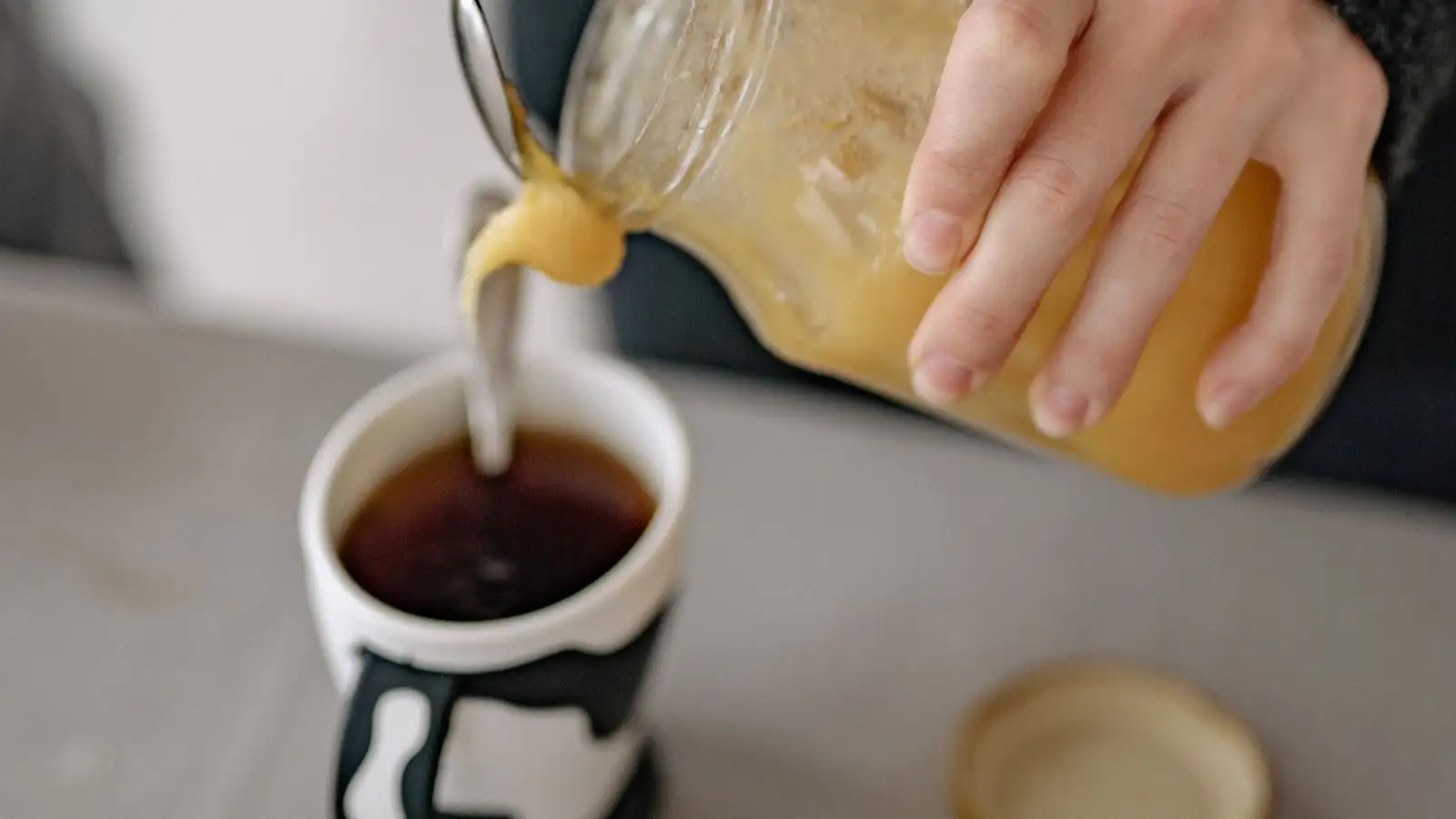
Swap a Cup of Sugar for Three Quarters of a Cup of Honey
October 12, 2026

Swap a Cup of Sugar for Three Quarters of a Cup of Honey

Replace each cup of sugar with three-quarters of a cup of honey, pull a quarter cup of liquid, and add a quarter teaspoon of baking soda. Here's why.
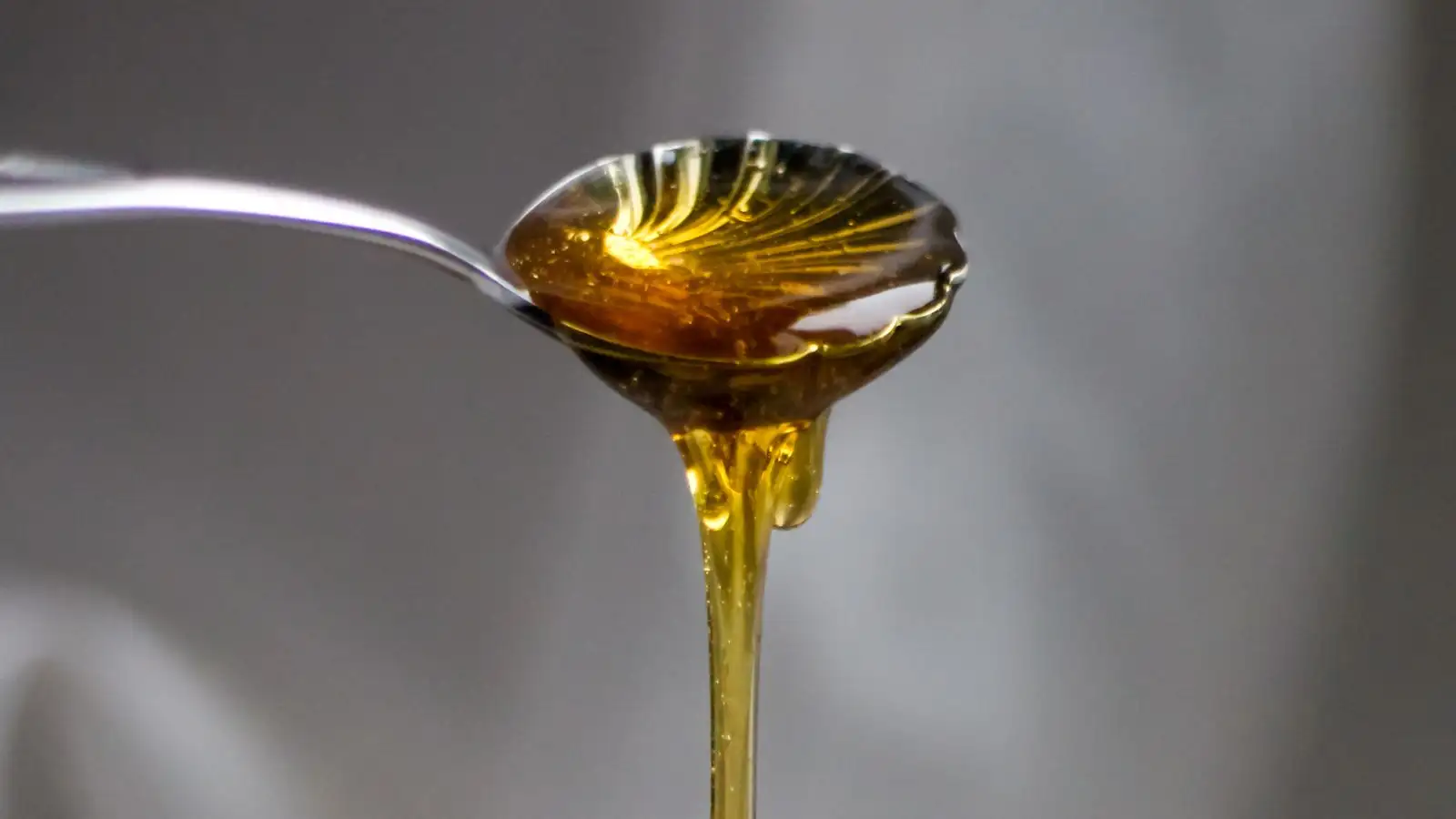
How Much Honey Replaces a Cup of Sugar, and What Else Has to Change
October 7, 2026

How Much Honey Replaces a Cup of Sugar, and What Else Has to Change

Use three-quarters cup honey per cup of sugar, then cut liquid by a quarter cup, add baking soda, and drop the oven 25 F. The reverse swap needs water added.
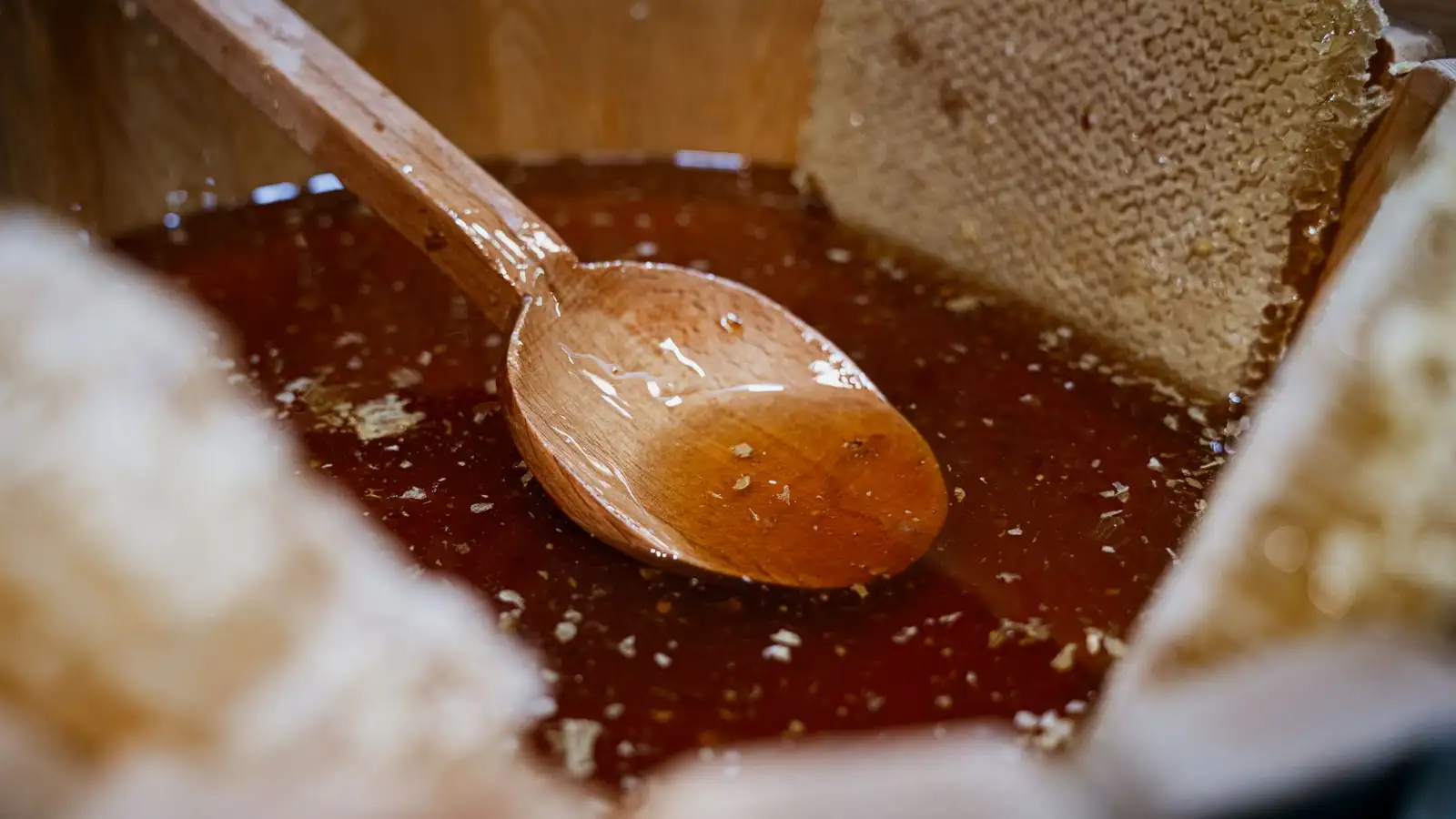
The Two Things That Make Honey Behave Differently Than Sugar
October 4, 2026

The Two Things That Make Honey Behave Differently Than Sugar

Honey and granulated sugar are not interchangeable by measure. Here is how water content, fructose, and acidity change what each one does in a recipe.
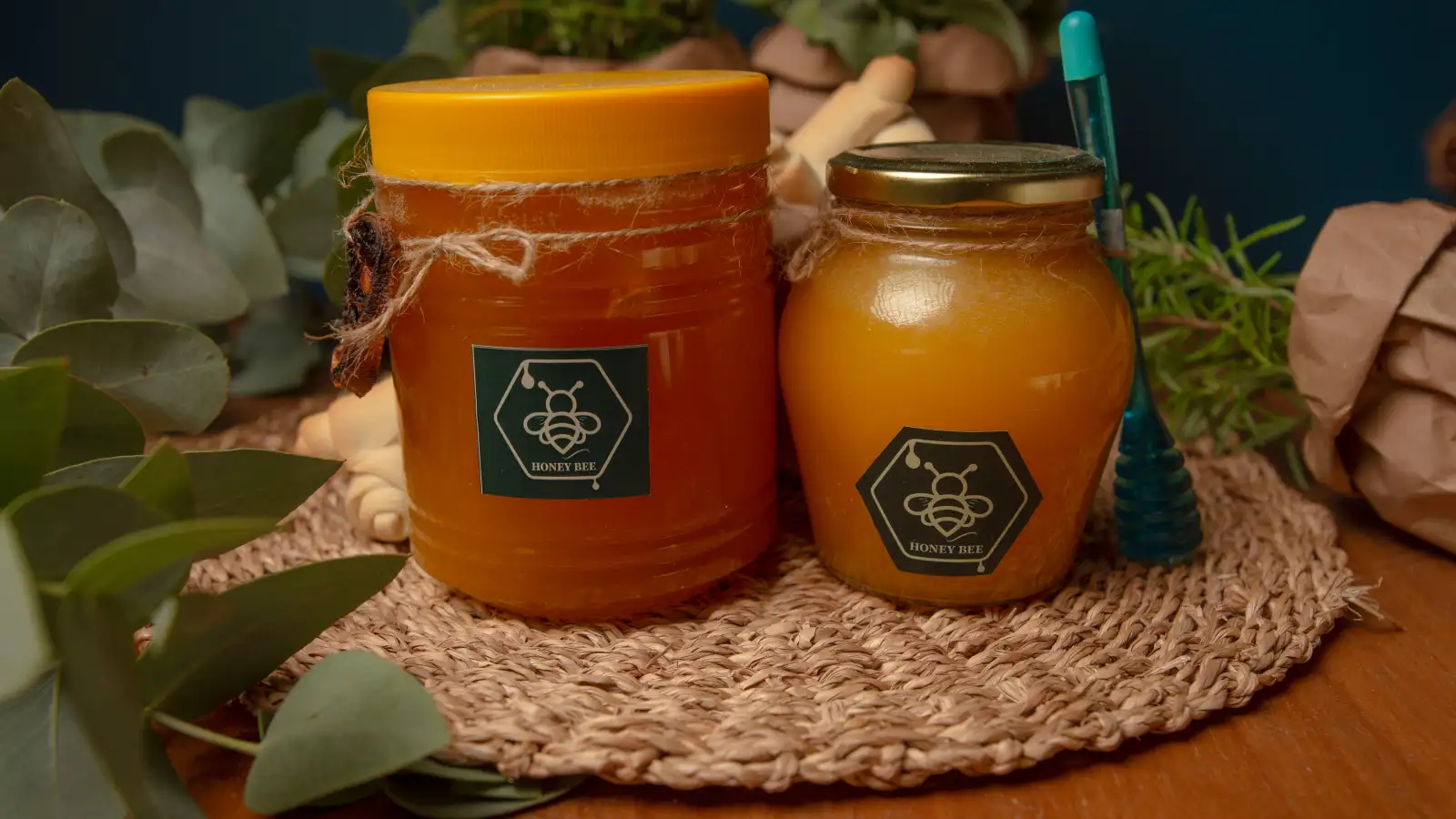
How to Read a Honey Label Before You Bake With That Jar
September 21, 2026

How to Read a Honey Label Before You Bake With That Jar

Honey labels rarely list water content or crystalline state. Here's how a baker reads a jar before it goes into a batter, and what to measure instead.

Search

Categories

  • Honey Varieties & Botanical Profiles
  • Sensory Literacy & Flavor Analysis
  • Honey Composition & Food Science
  • Crystallization, Texture & Storage Quality
  • Culinary Applications & Recipe Development
  • Honey Pairing Guides
  • Labels, Grades & Buyer Education
  • Honey Culture & Food History
  • Honey Varieties
    • Monofloral Honey Profiles
    • Polyfloral & Wildflower Profiles
    • Regional & Terroir Honey Types
    • Varietal Comparison Guides
  • Kitchen & Pairings
    • Culinary Applications & Recipe Development
    • Baking & Baked Goods
    • Sweetener Substitution & Conversions
    • Honey Pairing Guides
  • Quality & Labeling
    • Honey Composition & Food Science
    • Crystallization Science & Sugar Ratios
    • Storage Conditions & Shelf Life
    • Labels, Grades & Buyer Education
  • About & Legal
    • About Us
    • Contact Us
    • Privacy Policy
    • Disclaimer

© 2026 Honey Trails

Honey Trails publishes general educational information about honey, not medical or dietary advice. Consult a qualified healthcare professional about your specific situation.