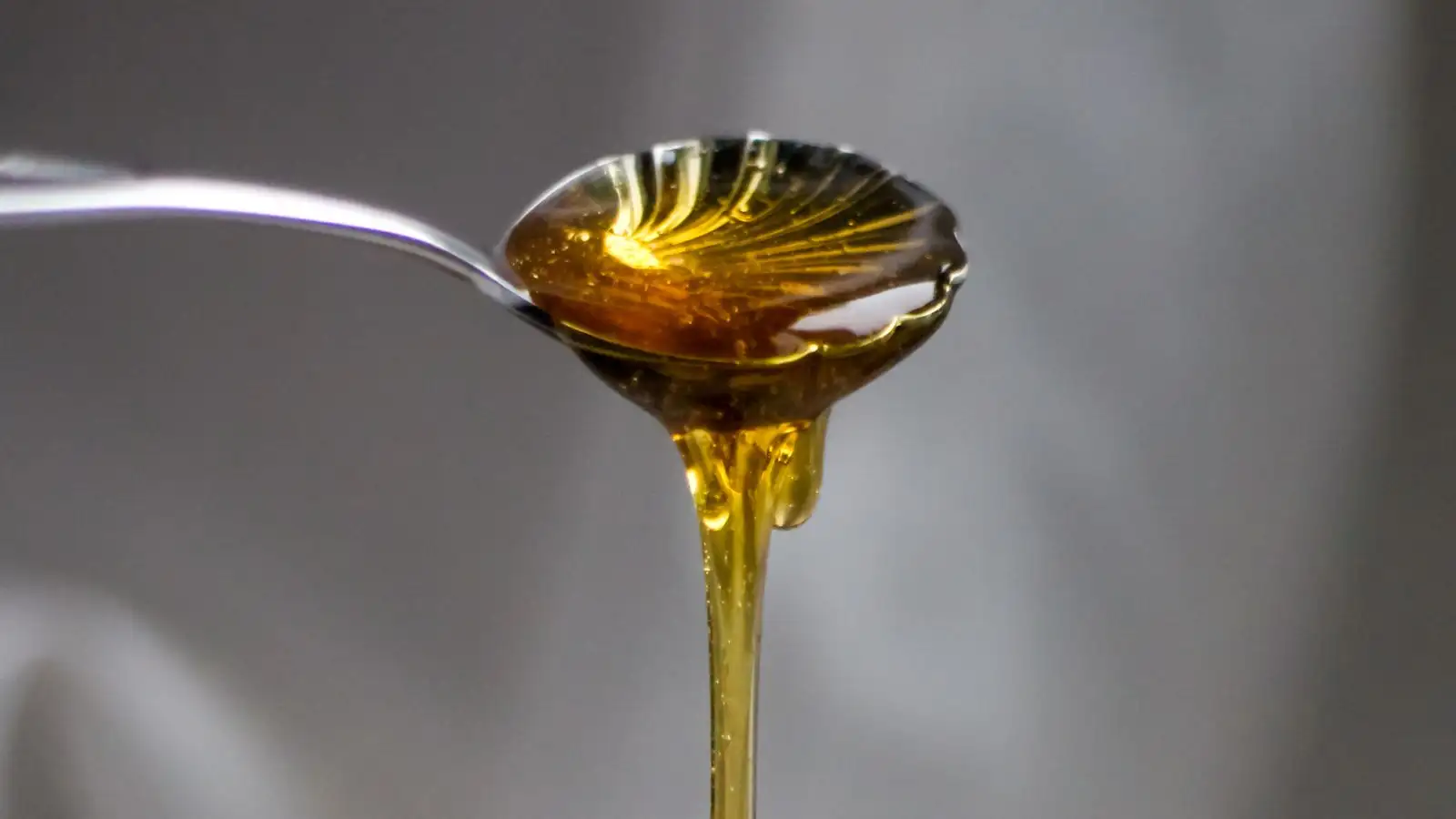
Replace the sugar in a sauce, dressing, or marinade with honey and you have not swapped one sweetener for another. You have added a mild acid, a set of volatile aromatics that leave on their own schedule, and a sweetness that arrives sooner and fades faster than sucrose. Everything downstream of that changes: how much vinegar or lemon the dish can take, when in the cooking the honey goes in, what temperature you taste at, and which jar you reach for in the first place.
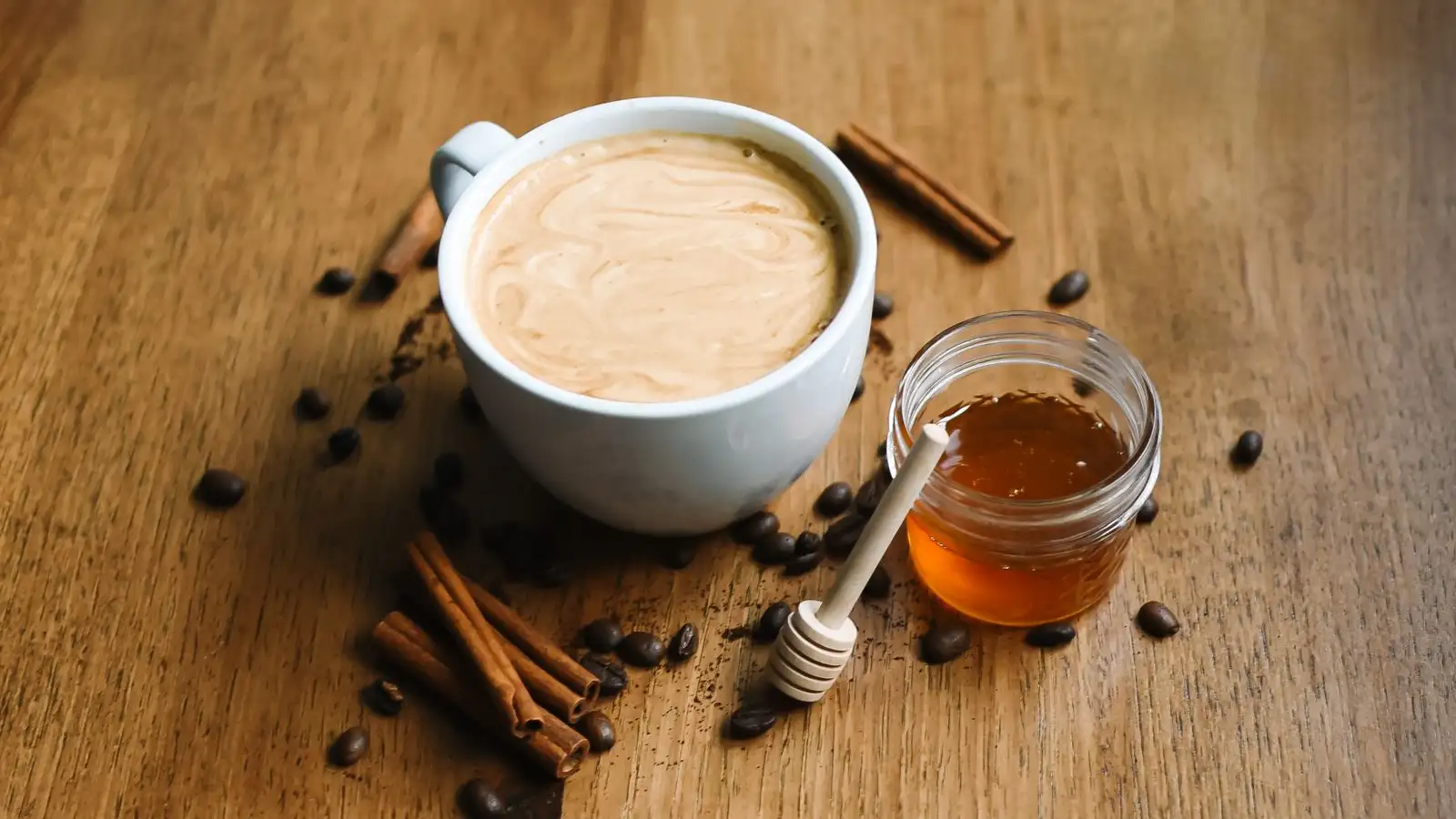
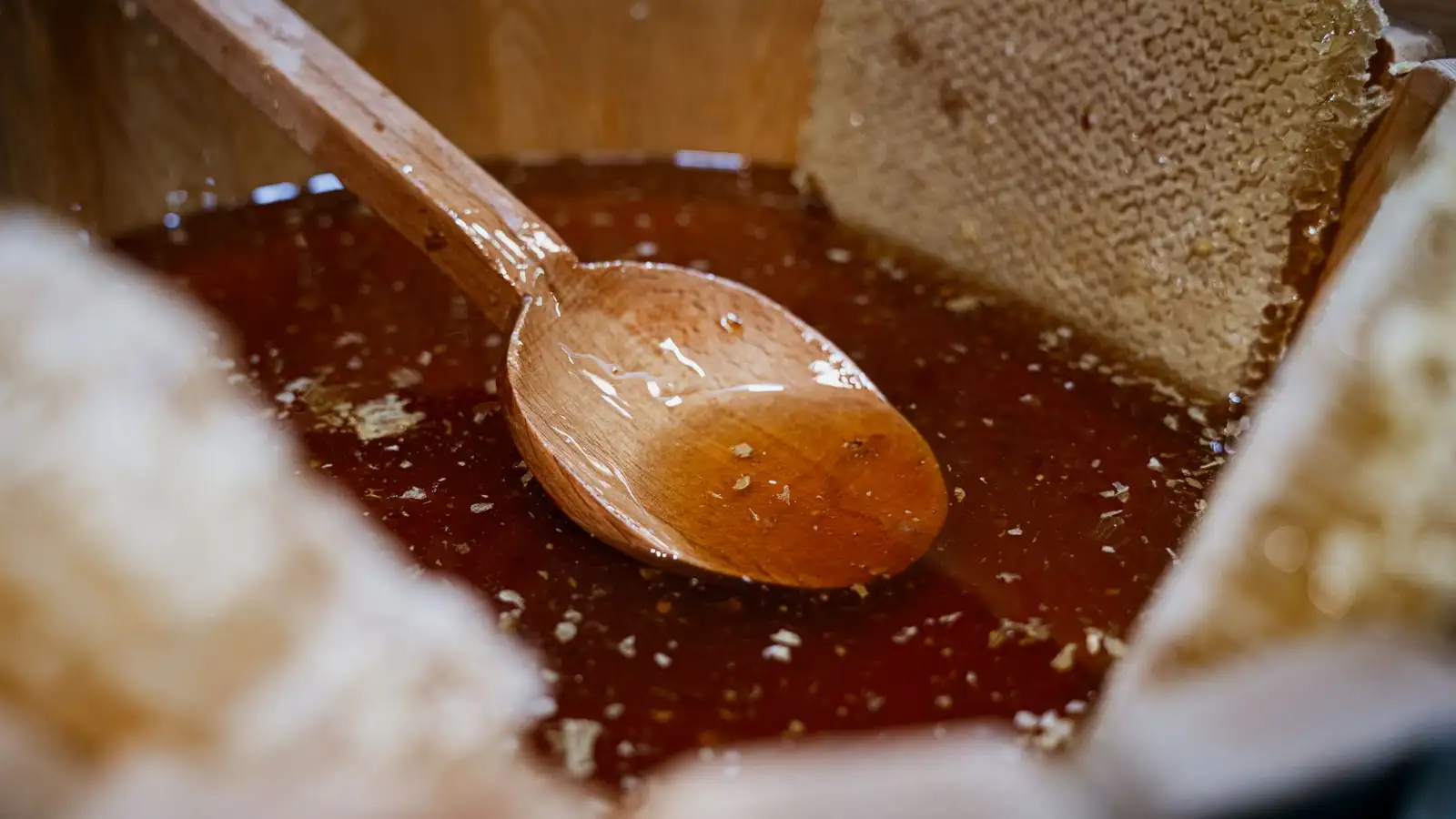
I keep two jars on the counter, and they are not interchangeable. One is pale enough to show green in the right light and smells like a field of small white flowers. The other is dark as a worn penny, smells like molasses and wet hay, and leaves a faint bitter grip on the back of my tongue.
If you're standing next to me, do this before anything else. Open the pale jar and put your nose right at the rim. That smell is the thing you're buying. Now open the dark one and notice it's doing two jobs at once: something roasted and sweet up front, something sharp and almost medicinal behind it. Hold both of those in your head, because in twenty minutes one of them is going to be wrong for what I'm making.
Today it's a vinaigrette for a butter lettuce salad. Small jar, squeeze of lemon, a teaspoon of Dijon, fine salt, olive oil. Then honey. Not the dark one. The bitterness that reads as interesting in a barbecue sauce reads as somebody put too much of something in here against butter lettuce.
The acid you didn't add
Here's the first place honey stops behaving like sugar. Honey is acidic. Most jars land somewhere in a mildly acidic range, and the exact number moves with the nectar source, but you would never guess it from the taste, because the same spoonful is carrying enough sugar to mask most of the sour. Sugar suppresses sourness. That's why lemonade can be aggressively sour and still pleasant to drink.
So the acid in honey doesn't arrive as a pucker. It arrives as brightness. A honey-sweetened dressing tastes lifted in a way the same dressing with sugar tastes flat, even when I've matched the sweetness. Which means I add less lemon than I otherwise would. Not a lot less. A squeeze less.
The way I find that line is embarrassingly low-tech. I build the dressing with the oil, the mustard, the salt, and the honey, and I taste it before any lemon goes in. If it already tastes like it's leaning forward, I use half the acid I planned and taste again. Honey's acidity is real, but it's quiet, and it's easy to bury under a second acid you didn't need.
There's a catch that took me a while to see. Honey's acid doesn't evaporate, but neither does its sugar, and both get more concentrated as a sauce reduces. A pan sauce that tasted balanced before it reduced can taste sweeter and sharper at the same time when it's done, the two things climbing together instead of canceling out. I taste at the end, always, not just at the start.
Aroma leaves on its own schedule
The second thing: everything that makes a honey smell like that honey is volatile. Those compounds live in the headspace above the jar, and heat pushes them out and away.
Which means the same honey does completely different work depending on when it hits the pan. I learned this one the hard way with a glaze for carrots. Honey in at the start, forty minutes in the oven, and the carrots came out sweet and brown and completely anonymous. Nothing wrong with them. Nothing right with them either. The next time I added the same honey in the last two minutes, off the heat, and the whole dish smelled like the jar did.
So this is the rule I actually cook by. If you want the honey's character, add it late and treat the residual heat as enough. If you want what honey does as a browning sugar, the lacquer, the deep color, the chew on a roasted edge, add it early and accept that you've traded the aroma for the glaze. You rarely get both from one addition. Sometimes I split it: a little early for color, a spoon at the end for scent.
Two things to watch when honey goes in early. It browns faster than granulated sugar, noticeably faster, because its sugars caramelize at lower temperatures. And it carries water with it, so a honey glaze takes longer to thicken than you expect and then goes from lacquered to scorched in the time it takes to turn around and pick up a spoon. I keep a cup of hot water next to the pan and pull it off the heat before I think I need to. A splash of water on a glaze that's running away is faster than trying to rescue a burnt one.
Which honey, and how much
Honey reads sweeter than the same volume of granulated sugar, and it varies by jar. The honeys that run high in fructose taste sweeter up front and drop off faster, while sugar's sweetness sits flatter and lingers longer at the end. My practical version: start with roughly three-quarters of the sugar a recipe calls for, taste, and add from there. That's a starting point, not a conversion. The right amount moves with the honey and with what's around it.
The sweetness curve is also why I taste a dressing cold. Temperature shifts how everything reads, and a dressing that tastes perfectly balanced at room temperature right after I whisk it can taste sweeter than I want an hour later, straight from the fridge. Cold honey dressings also thicken, not solid, but noticeably heavier, so I pull the jar out ten minutes before serving and give it a shake. If the honey in the jar has crystallized, I set it in a bowl of warm water first. Warmed honey pours, mixes, and smells louder, which is a nice preview of exactly what cooking is about to take away from it.
Then there's the flavor tax. Because honey is more than a sweetener, less of it does the sweetening job, but the flavor it brings has to belong in the dish. That same dark jar that makes a great glaze for grilled pork or a pot of baked beans will wreck a lemon custard and a delicate vinaigrette. It isn't a bad honey. It's a loud one, and loud is a decision you make on purpose. For anything where the sweetener is supposed to stay in the background, a light dressing, a poached fruit, a cream, the pale jar is doing the job sugar used to do, only better, because it smells like something.
And in a marinade, all of this stacks. Honey brings its own acid on top of whatever vinegar or citrus is already in there, so the marinade comes out tangier than the recipe suggests. It also browns fast over a hot fire, which means moderate heat and the last few minutes on the cooler side rather than a full-throttle sear. What I want from honey in a marinade is usually the browning, not the aroma, so it goes in early there, and I don't expect to smell the jar when the meat comes off the grill.
None of this is an argument for abandoning sugar. Sugar is a clean, neutral, predictable tool, and there are dishes where neutral is the entire point. Honey is simply a different tool with three settings running at once: an acid that stays, an aroma that leaves, and a sweetness that comes on fast and drops off. Decide which of the three you're actually buying for the dish in front of you, then season for that one, and taste at the temperature you plan to eat it.