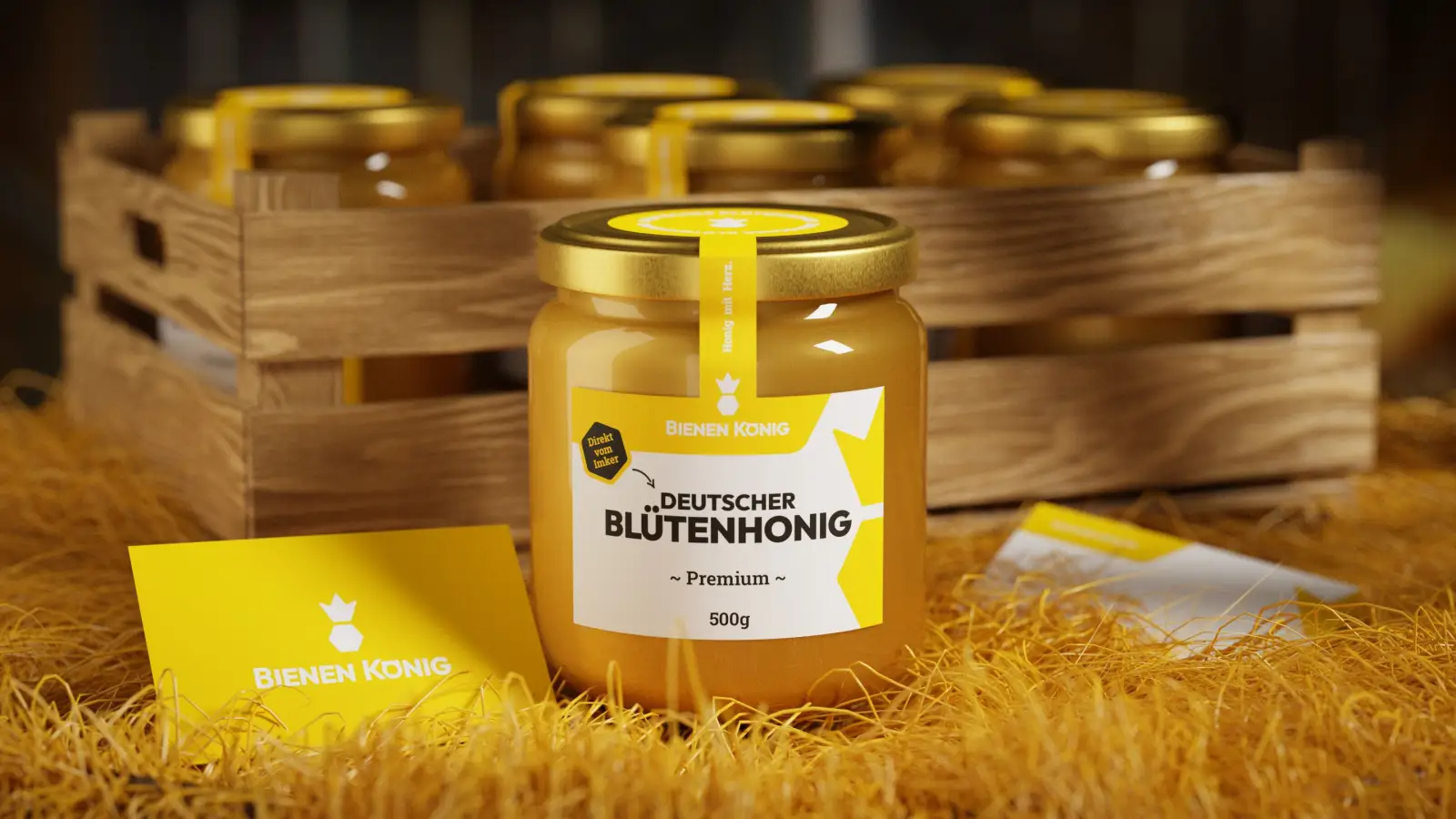
Honey labels dress themselves up in words that sound like promises but deliver none of the goods. A jar topped with “all‑natural,” “no sugar added,” and “gluten‑free” can sit on the shelf looking like a health purchase, when really it’s just sugar wrapped in soft language. The short answer: those five phrases are the most worn‑out marketing props in the honey aisle, and their job is to stop you from asking better questions.
This countdown ranks them by how often they show up, how hard they work to mislead, and how thoroughly they avoid any official definition. Once the logic behind each one is exposed, shopping becomes simpler—the real decisions live in the stuff the jar doesn’t shout about, like nectar source and how much heat it has seen.
The Three Measures That Expose a Hollow Honey Claim
The same yardsticks apply to every phrase below. They aren’t a research paper; they are the three filters any skeptical shopper should run before giving a label word any credit.
- Shelf Saturation – How many jars in a typical U.S. grocery run carry this phrase. Ubiquity is a measure of marketing spend, not meaning.
- Misleading Potential – How easily a buyer could walk away with a false belief about nutrition, purity, or origin because of this label.
- Regulatory Emptiness – How little the claim is anchored to a legally enforceable standard. A word the FDA or USDA won’t define is a word that can mean anything—and therefore means nothing.
1 – ‘All‑Natural’: The Catch‑All That Catches Nothing
No phrase is printed on more honey jars, and none delivers less. “All‑natural” shows up on honey that has been heated to high clarity, stripped of pollen through hyper‑filtration, and blended from nectar collected on three continents. The FDA has never defined “natural” for most foods, and its loose guidance—that nothing artificial or synthetic has been added—fits even the most aggressively processed honey, because honey itself counts as a natural ingredient.
That gap is the whole marketing strategy: drape a health halo over the jar without committing to a single quality standard. A shopper sees the word and assumes gentle handling; the truth is often the opposite. This claim tops the ranking because it wins on shelf saturation, on the breadth of shoppers it fools, and on the sheer emptiness of its signal. No other term comes close.
It outruns “no sugar added” by a wide margin: “all‑natural” covers every possible processing shortcut, while the #2 claim at least hints at one specific fact, however irrelevant. And there’s nothing above it—this is the ceiling of hollow marketing.
2 – ‘No Sugar Added’: The Sweet Lie on a Sugar Jar
Almost as familiar as “all‑natural,” this phrase earns its own spotlight because it sounds like dietary responsibility. The reality is that honey is around 80% sugar by weight. Stating that no extra cane sugar or corn syrup was poured in is technically true, but it says nothing about the load of sugar that was already there.
The play here is cynical and effective: a shopper scanning for a lighter option sees “no sugar added” and mistakes it for a low‑sugar product. It ranks second because it’s everywhere, it actively nudges toward a false health conclusion, and while it is accurate on the surface, nothing on the label explains that the jar is still a dense sugar source. It beats the gluten‑free claim because it’s more likely to steer a purchase based on a nutritional misunderstanding.
Why it sits at #2 instead of #1: “all‑natural” is a catch‑all with no factual anchor whatsoever. “No sugar added” at least communicates one truthful piece of information—just not the piece that matters.
3 – ‘Gluten‑Free’: The Answer to a Question Nobody Asked
Honey, the product of bees transforming floral nectar, has never contained gluten. Yet “gluten‑free” yells from roughly a third of the jars in any large market. The claim isn’t a safety measure; it’s a branding exercise that piggybacks on a broader food trend and gets stamped onto a product that could not possibly harbor wheat, barley, or rye.
This lands at third because it is staggeringly common and its regulatory emptiness is complete—it’s a voluntary statement that contributes zero information. It does, however, do less harm than the two above it, because most shoppers already understand honey lacks gluten; the deception lies more in suggesting a brand is extra‑vigilant than in painting a false health picture. It rises above “pure honey” because that word, while fuzzy, at least tries to say something about what’s inside the jar. “Gluten‑free” answers a question no one was asking.
4 – ‘Pure Honey’: The Promise That Comes with a Question Mark
“Pure honey” reads like a guarantee, as if some official body has signed off on the contents. In practice, the U.S. honey grading system is voluntary and focuses on color and clarity—not on whether the jar has been cut with rice syrup. The FDA does require that any product labeled simply “honey” be the pure substance, but slapping “pure” on the front doesn’t strengthen that requirement; it just dresses it up.
A shopper who chooses “pure honey” may believe they are dodging adulterated blends. The truth is that any jar, pure or not, could be adulterated if oversight is thin, and the extra word accomplishes nothing. This phrase lands fourth because it is less ubiquitous than the top three, yet it plays on a real consumer worry—honey fraud—without offering a real defense. It sits below “gluten‑free” because that term is more obviously absurd, while “pure” carries emotional weight that makes the deception subtler, even if its shelf presence is a notch lower.
What keeps it from climbing higher? The legal backdrop already says “honey” must be pure. So “pure honey” is redundant, not entirely vacuous. Unlike “all‑natural,” it at least orbits the idea of what the law demands—it just fails to enforce it.
5 – ‘Raw’: The Term That Tries Harder (But Still Misses)
“Raw” is the outlier. Unlike the four claims sitting above it, this word gestures toward a real processing difference: minimal heat, which can preserve fragile enzymes and pollen. The catch is that no federal standard says what temperature “raw” allows. One brand’s “raw” might mean gently warmed to 95°F; another’s might hit 140°F and still use the same label. There’s no legal line between raw‑labeled honey and any other jar—only the producer’s definition.
This term sits at the bottom of the ranking because it carries a scrap of useful intent. A honey that bothers to call itself raw often does come from a more careful, lower‑heat process, but the buyer has no way to verify it without outside information. It’s still a marketing trick—a word shoppers treat as a certification when it’s really a branding decision.
Where the Labels Stop Meaning Anything
The real cliff in useful knowledge falls between the first four claims and the fifth. “All‑natural,” “no sugar added,” “gluten‑free,” and “pure honey” are, at bottom, empty—they give the buyer nothing actionable about flavor, floral source, or handling. When a jar wears only those four, treat it as a blank label. The fifth, “raw,” at least hints at what someone intended in the processing room, but it still demands a skeptical eye.
For the shopper, the takeaway is blunt: if a label is plastered with the first four, it’s not a sign of a superior product. It’s a sign that the marketing team stayed late while the bees were left out of the conversation.
Which Claim Actually Helps You?
Different goals make different tiers of this ranking useless—or, in one case, worth a cautious look.
- Watching your sugar intake? → Ignore #2 entirely. “No sugar added” is a distraction. The nutrition facts panel tells the real story.
- Need a truly unprocessed honey? → #5 beats #1–#4, but only when the label also shows a pollen count, a cold‑filtration note, or a stated heating limit. Otherwise, “raw” is a hint, not a promise.
- On a tight budget and still want quality? → Forget all five claims. Look at the ingredient list—if it says only “honey,” you already have what the law requires.
- Avoiding allergens? → Claim #3 is accurate but redundant in honey. For nut or dairy concerns, look elsewhere; this product was never a carrier.
Why ‘Non‑GMO’, ‘Local’, and ‘Organic’ Didn’t Make the Cut
Several buzzwords came close but didn’t break into the top five. “Non‑GMO” is irrelevant here because honey itself contains no genetic material that could be engineered, regardless of what the bees pollinated. “Local” has no consistent mileage rule, so a jar from two states over can legally wear the tag—but it’s too regionally sloppy to rank among the most pervasive nationwide tricks. “Organic” with the official USDA seal is genuinely binding, demanding specific land and hive standards, but the word used without the seal is empty decoration; it didn’t crack the list because it’s less widespread on grocery shelves than the top offenders.
FAQ: The Questions These Claims Dodge
Does “all‑natural” honey mean it’s healthier?
No. The term carries no nutritional weight and doesn’t rule out heating or heavy filtration. It’s a marketing phrase, not a health benefit.
Is honey really gluten‑free, or can it be contaminated?
Honey is naturally free of gluten. The only possible contamination route would be shared processing equipment, and standard honey packing lines don’t handle wheat. The “gluten‑free” claim on honey is empty reassurance.
What’s the difference between “pure honey” and “raw honey”?
“Pure” is redundant—any jar labeled “honey” must legally be the pure substance. “Raw” is a voluntary term that loosely points to low heat, but it has no federal definition. Neither phrase independently guarantees the honey hasn’t been blended or stripped of pollen.
The Exception That Proves the Rule
The #1 marketing mirage is “all‑natural.” It’s the phrase most likely to make a shopper set down their skepticism and trust the jar. The only time it’s worth glancing at again is when the label also carries a concrete, verifiable detail—a specific apiary name, a limited region, or a cold‑processing temperature—that makes “all‑natural” redundant. In that narrow case, the word becomes noise you can ignore, because the real story has finally shown up on the label.