
Honey Has More Calories Than Sugar, But It's Not That Simple
Honey has more calories per tablespoon than sugar, but its sweetness means you use less. Learn how that changes calorie counting in practice.
Breakdowns of sugars, enzymes, antioxidants, micronutrients, glycemic impact, and how honey fits into a balanced diet.
Honey has more calories per tablespoon than sugar, but its sweetness means you use less. Learn how that changes calorie counting in practice.
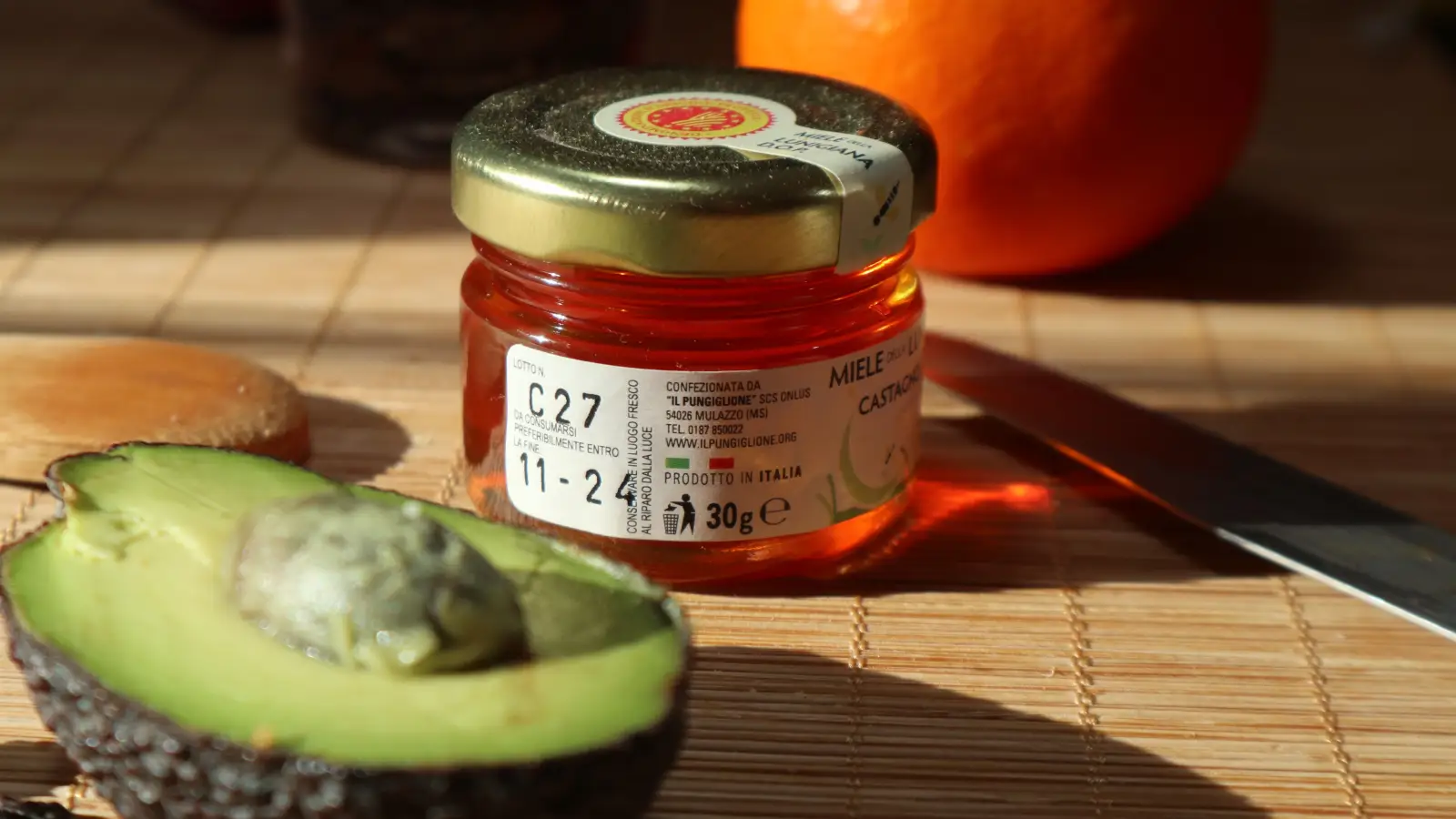
A tablespoon of honey delivers only trace B vitamins and almost no vitamin C. Here’s what that means against daily values, and the bioactive compounds that actually matter.

Honey won't tame your sugar cravings. The science shows both spike insulin and set up the same energy crash. Here's why the 7 in 10 belief is wrong.

Evidence separates honey's proven effects—antioxidant activity and cough relief—from unsupported claims about allergies, weight loss, and gut health. Here's how researchers draw that line.
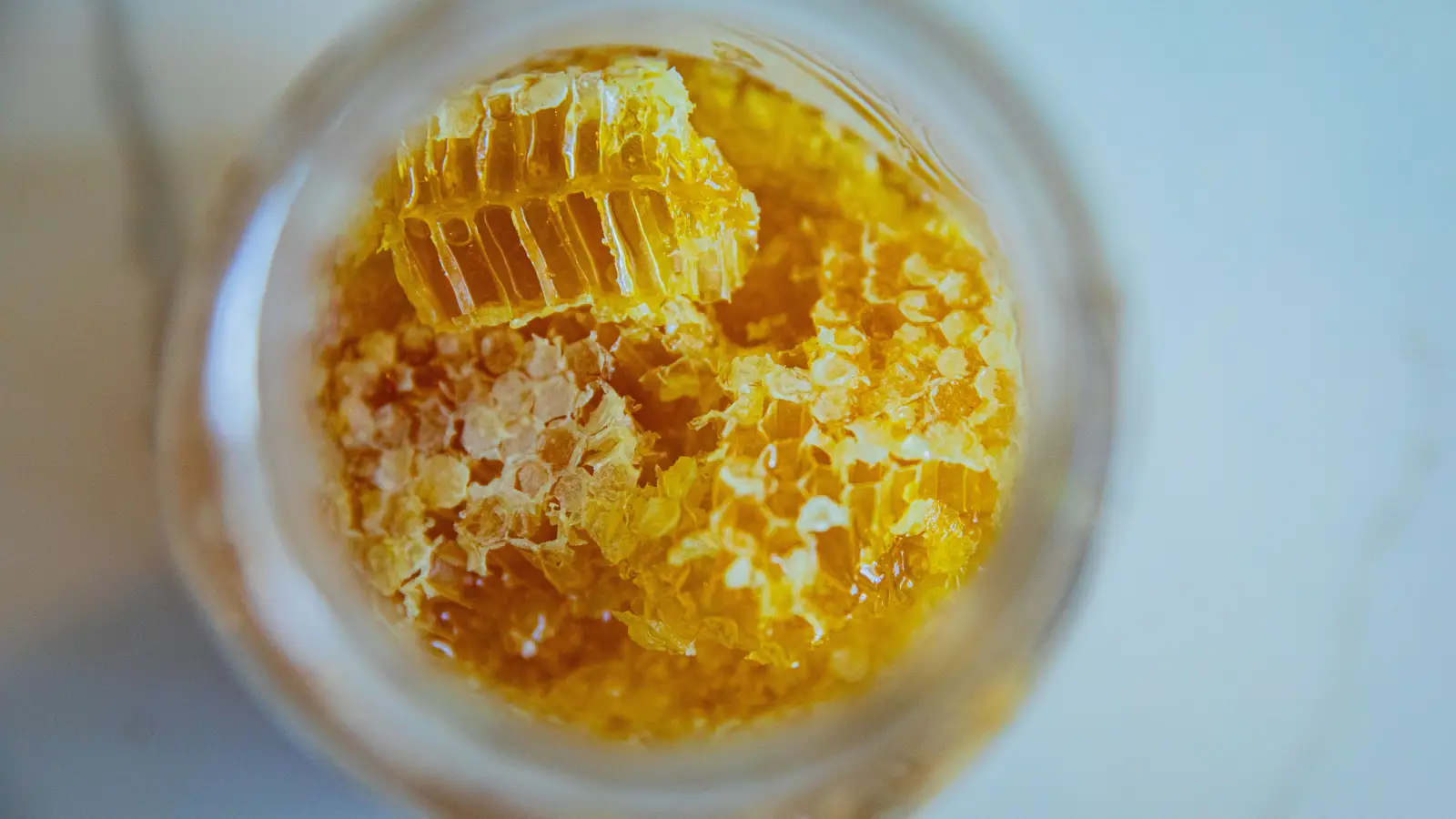
See what decades of lab analysis actually confirm about honey's sugar content, trace micronutrients, and antioxidants—minus the marketing hype.
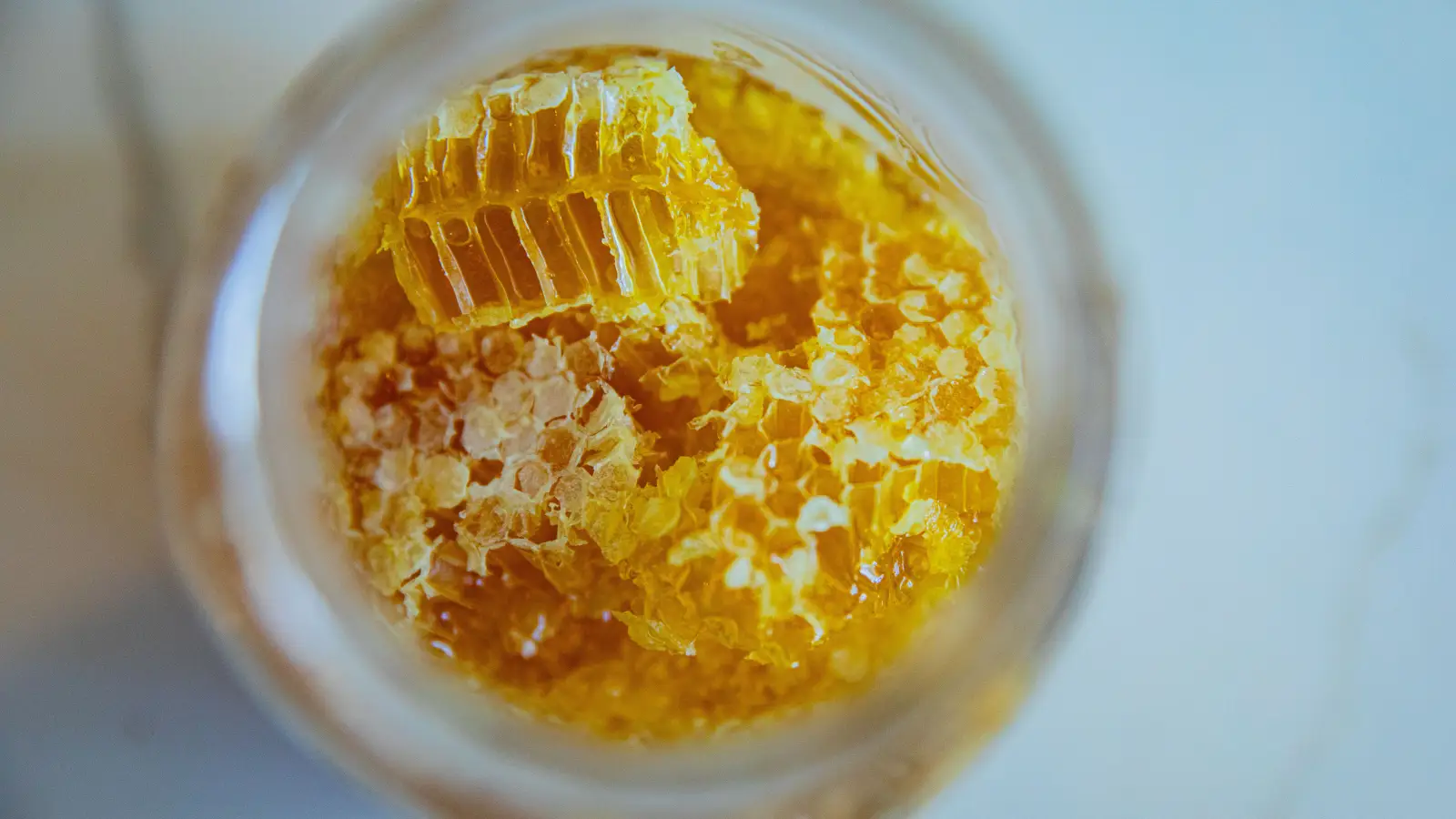
USDA data reveals honey's nutritional profile: 64 calories and 17g sugar per tablespoon, negligible vitamins. See how it stacks against daily limits.
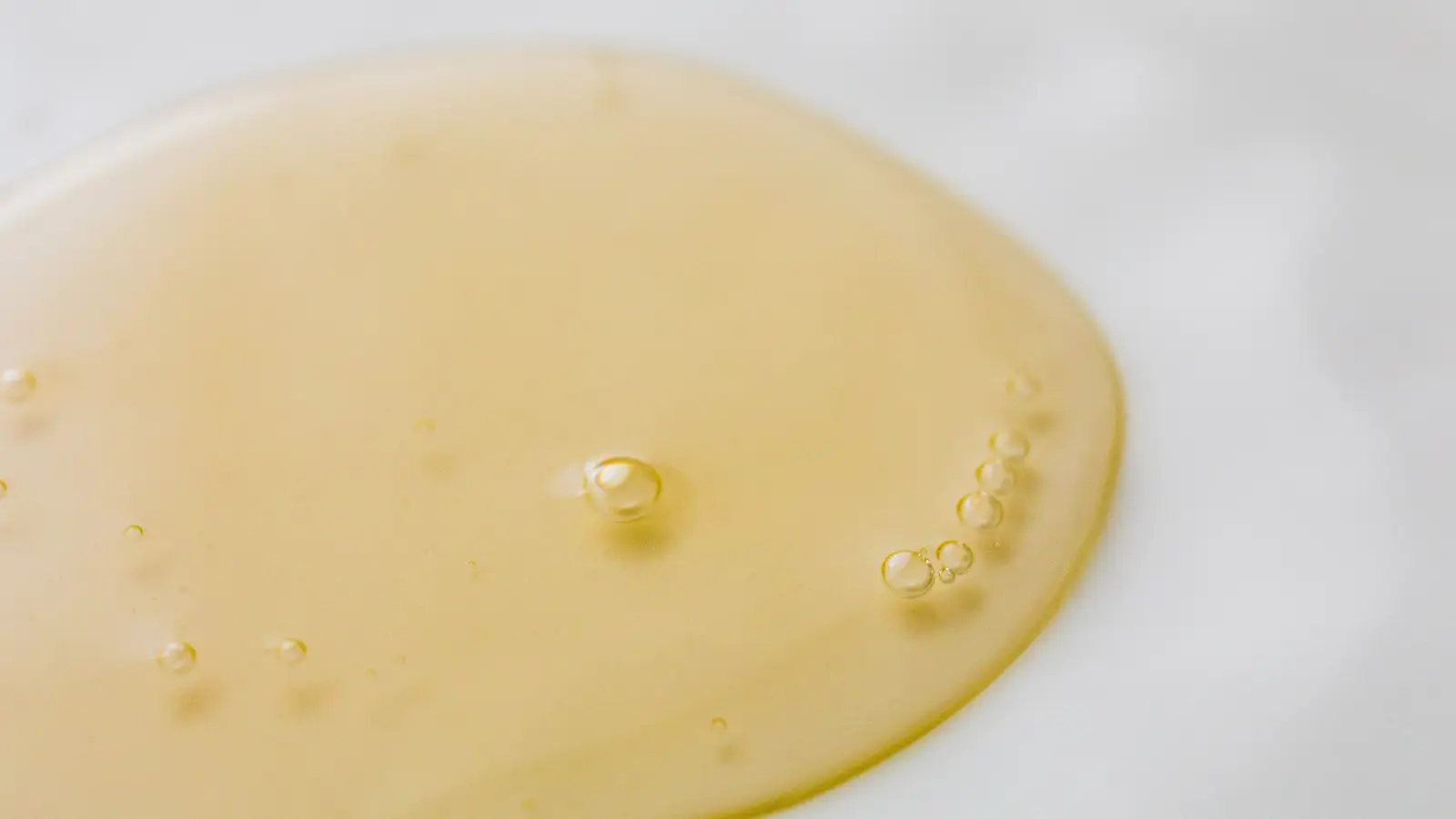
Honey ferments when moisture passes 18.6% and water activity hits 0.60. Learn why this number triggers dormant yeasts and how to prevent spoilage.

USDA data shows how floral source drives phenolic content and glucose oxidase, affecting antioxidant capacity and antibacterial rating—with important evidence limits.

We break down the phenolic acids, flavonoids, and enzyme behind honey’s antioxidant power—and show how floral source shapes the profile.

Unfiltered honey retains pollen, propolis particles, and active enzymes that standard processing removes. Learn what the US label really means and why it matters.