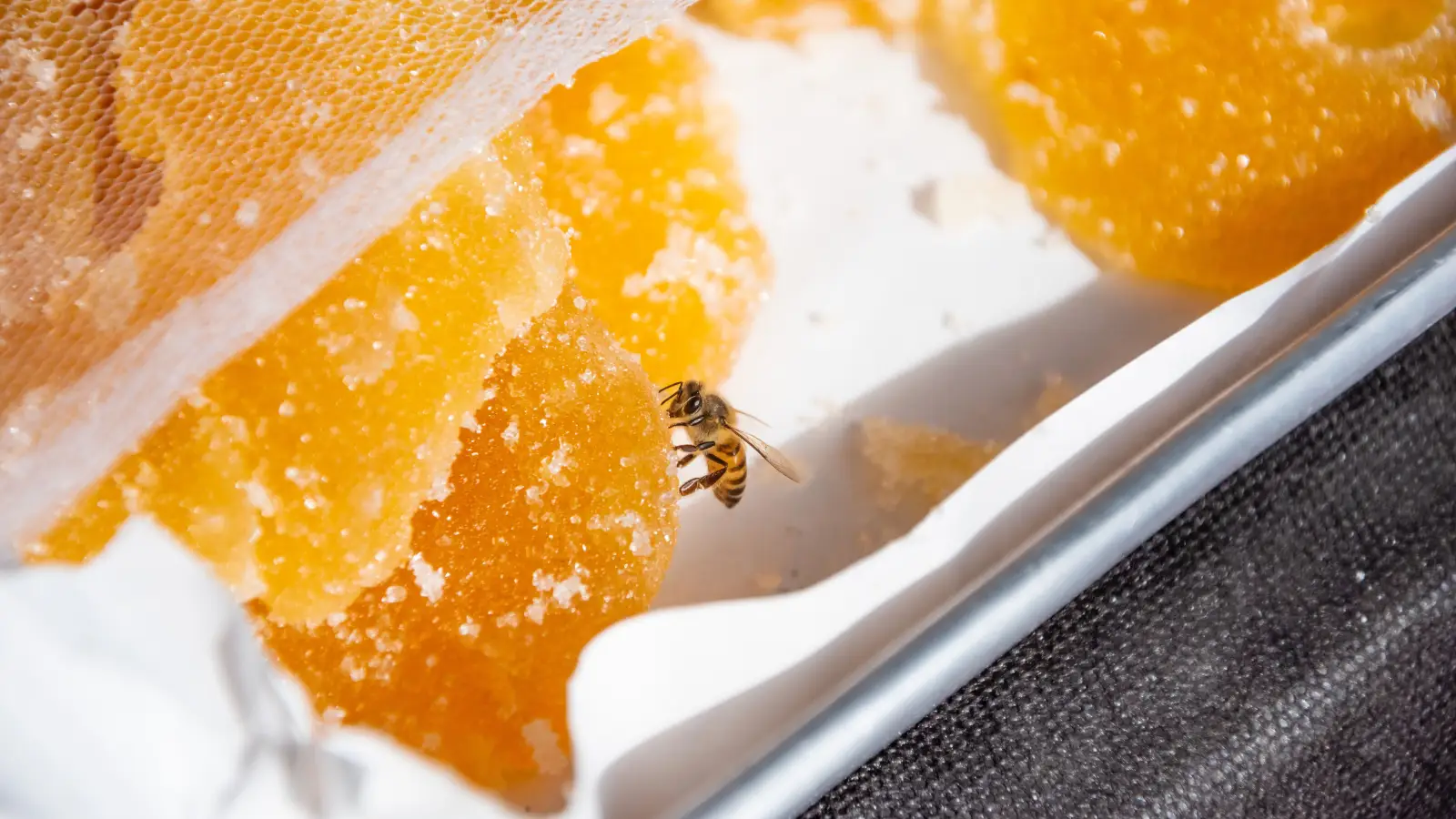
Crystallized Honey Isn’t a Problem — It’s a Sign of Quality
Discover why crystallized honey is a mark of raw quality, how to store it, and the safest ways to re-liquefy it without losing nutrients. Never mistake it for spoilage again.
Why honey crystallizes, how to safely return it to a liquid state, and techniques to slow crystal formation.
Discover why crystallized honey is a mark of raw quality, how to store it, and the safest ways to re-liquefy it without losing nutrients. Never mistake it for spoilage again.
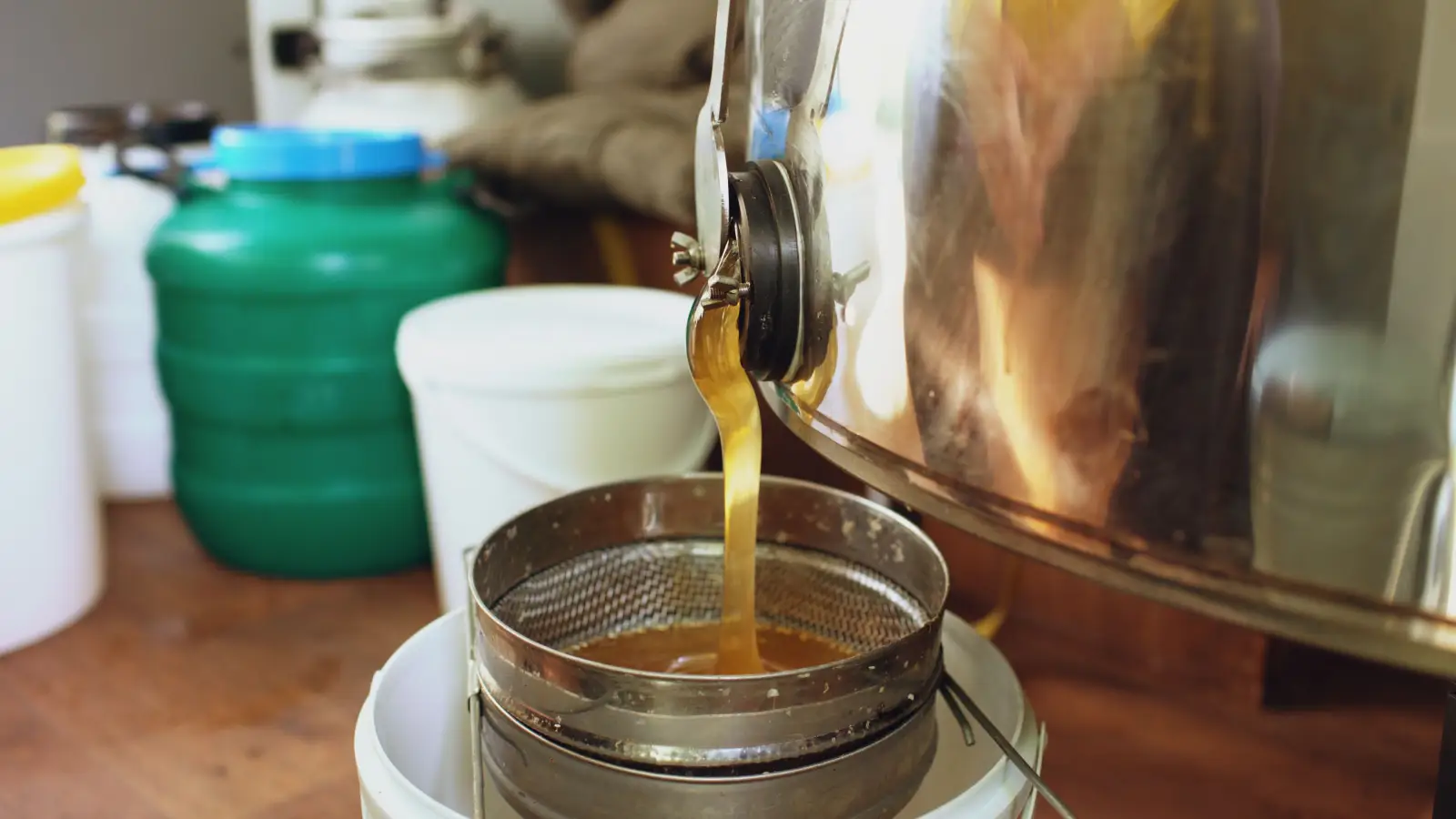
Crystallized honey needs a gentle touch. Learn the warm-water-bath method that keeps diastase and other enzymes active — without the microwave or stovetop shortcuts that ruin flavor.
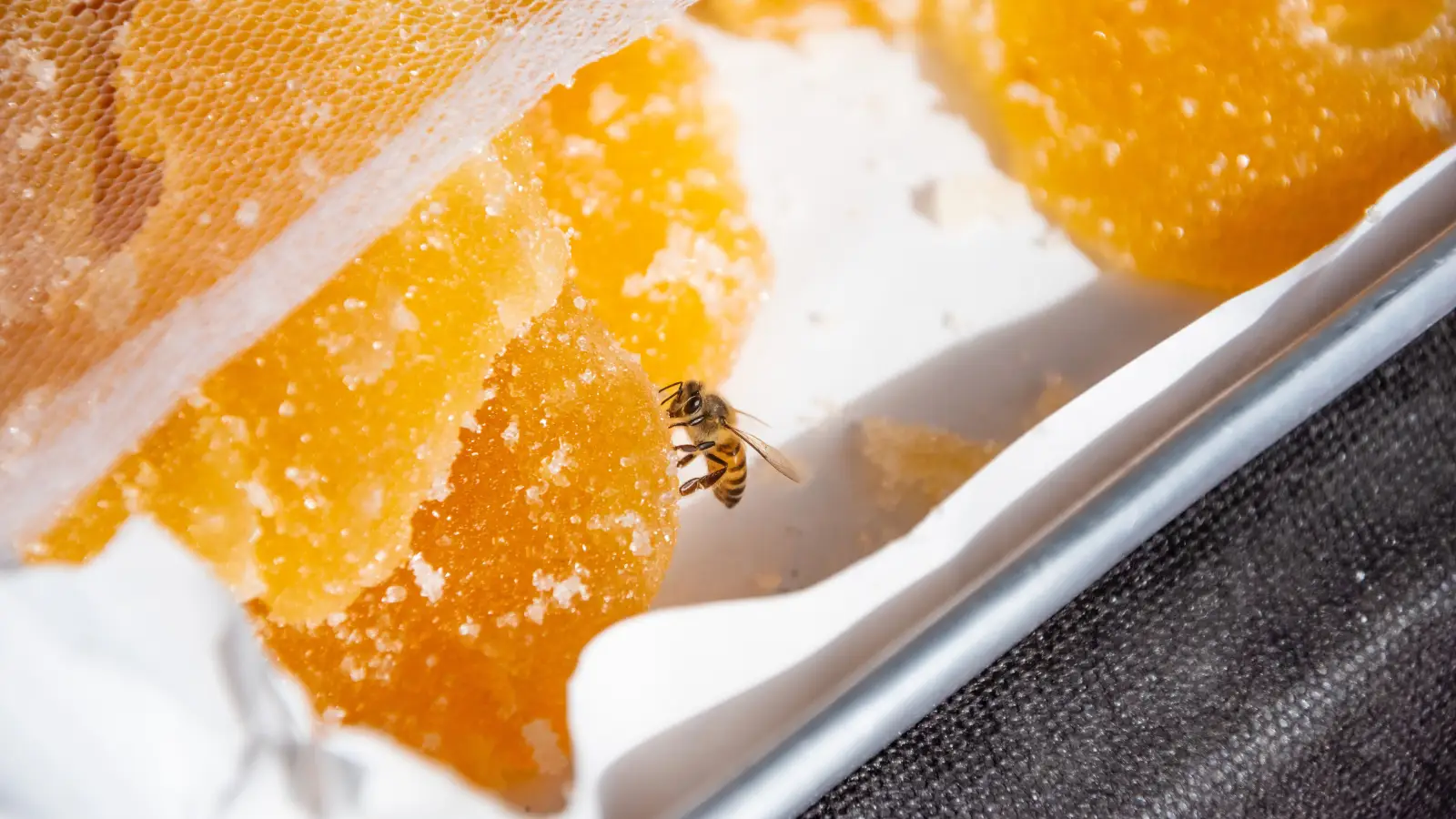
That clouded jar isn’t ruined. Learn why honey crystallizes—from glucose ratios to pollen particles—and why it’s still safe, delicious, and a mark of quality.
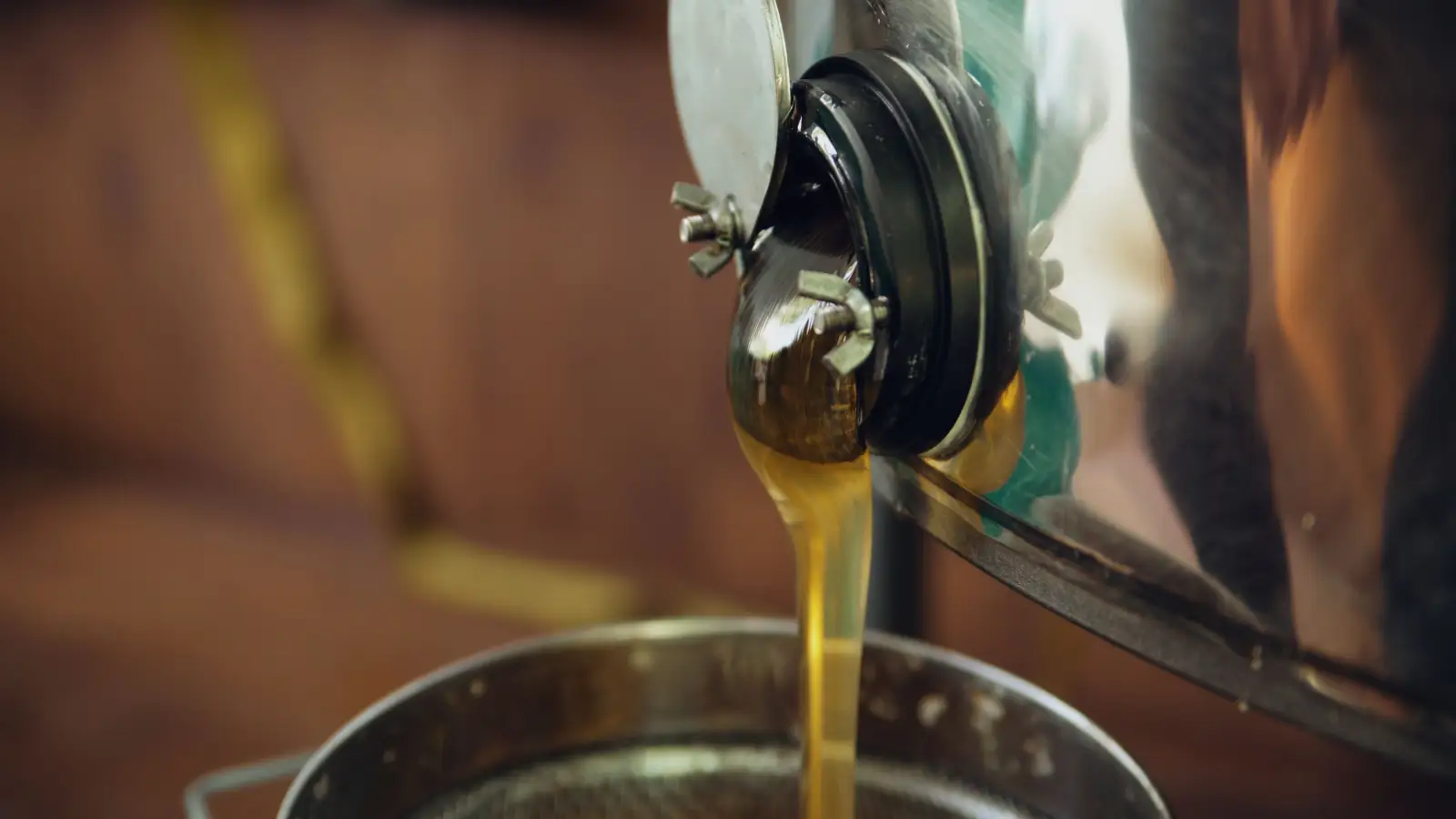
Monofloral honeys crystallize at different speeds because of their glucose-fructose ratios. Learn why your lavender or sunflower honey turned grainy fast and how to reliquefy it safely.
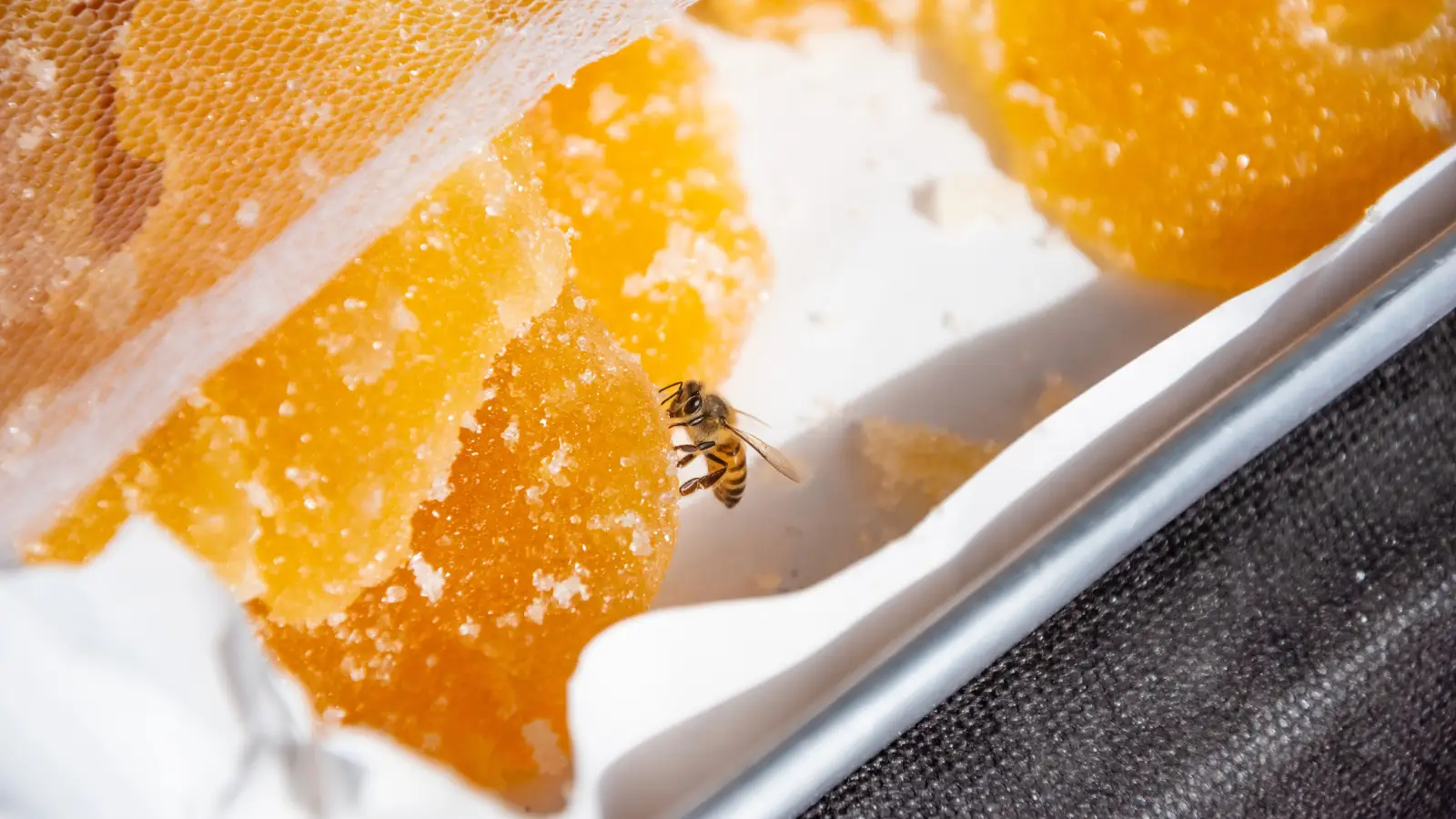
Grainy honey hasn't spoiled—it's just crystallized. Learn safe, gentle methods to return it to liquid without destroying delicate enzymes or altering taste.

Microwaving raw honey can inadvertently pasteurize it and ruin its benefits. Use a precise 104°F water bath to re-liquefy crystals safely—step-by-step guide inside.
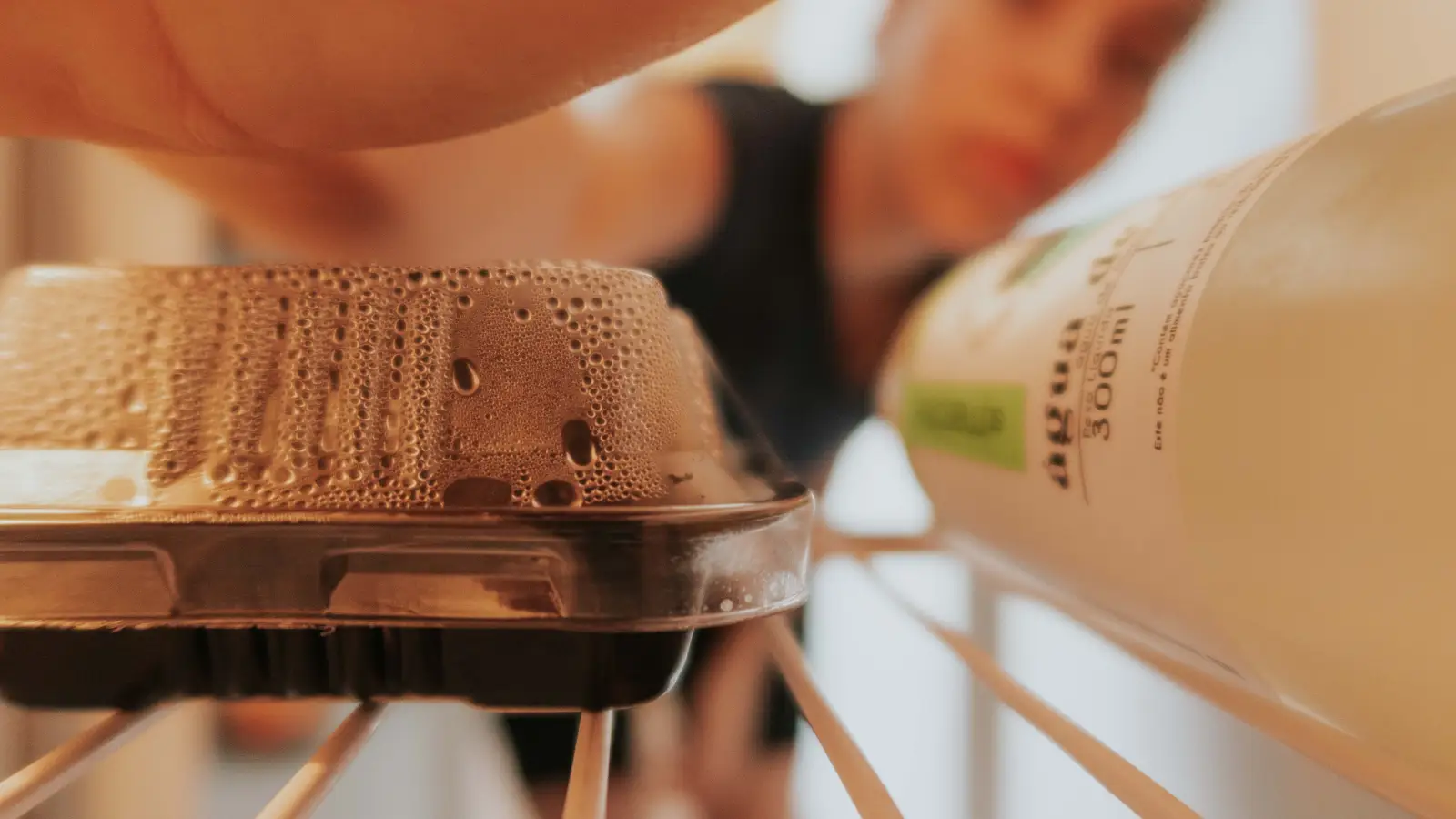
Stop ruining crystallized honey and chocolate. This microwave protocol, based on food science, uses low power and short pulses to reliquefy without scorching.
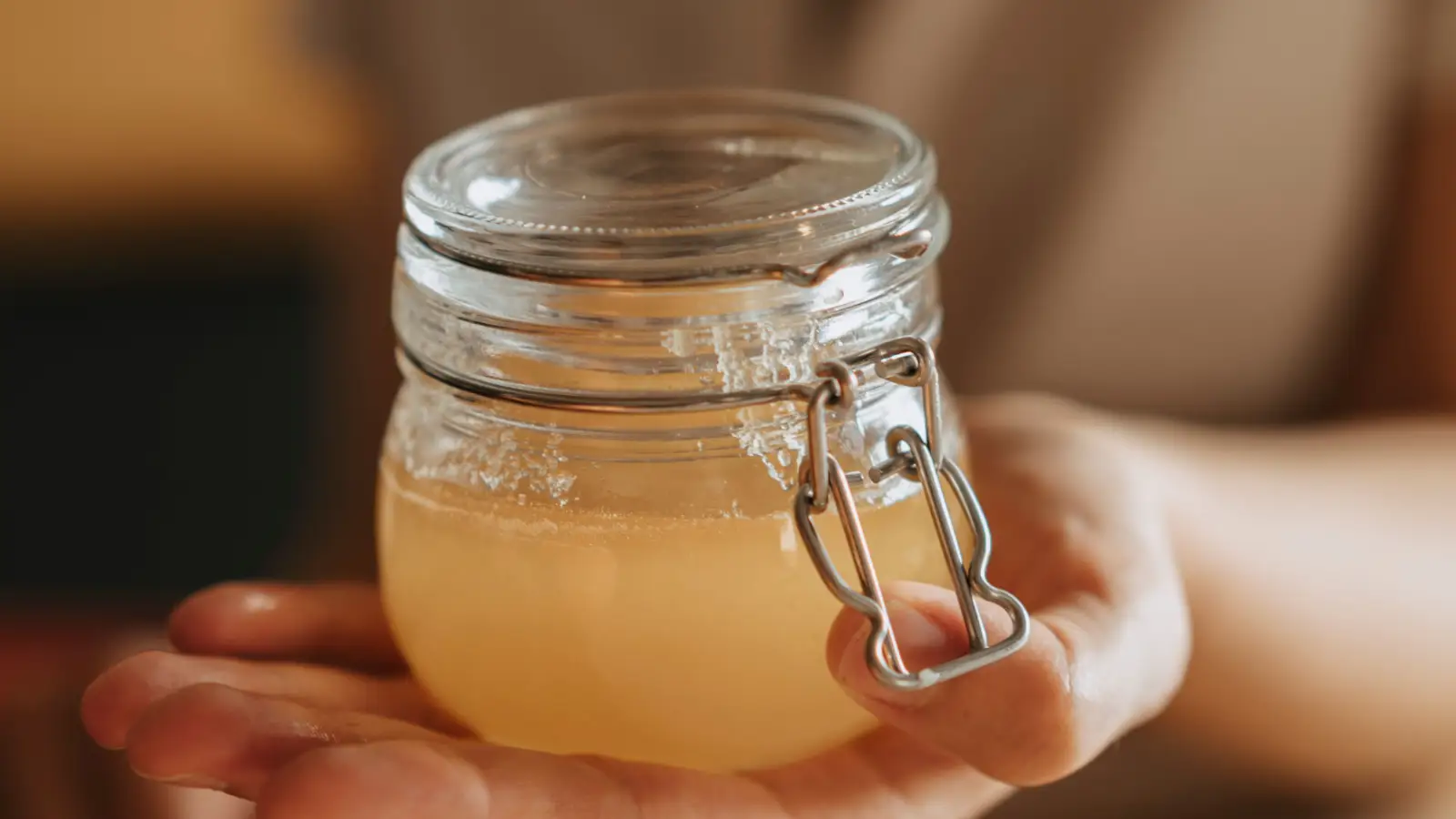
Crystallized honey isn't spoiled. Learn why honey turns solid, when it's still safe to eat, and the one sign that means it's time to toss the jar.
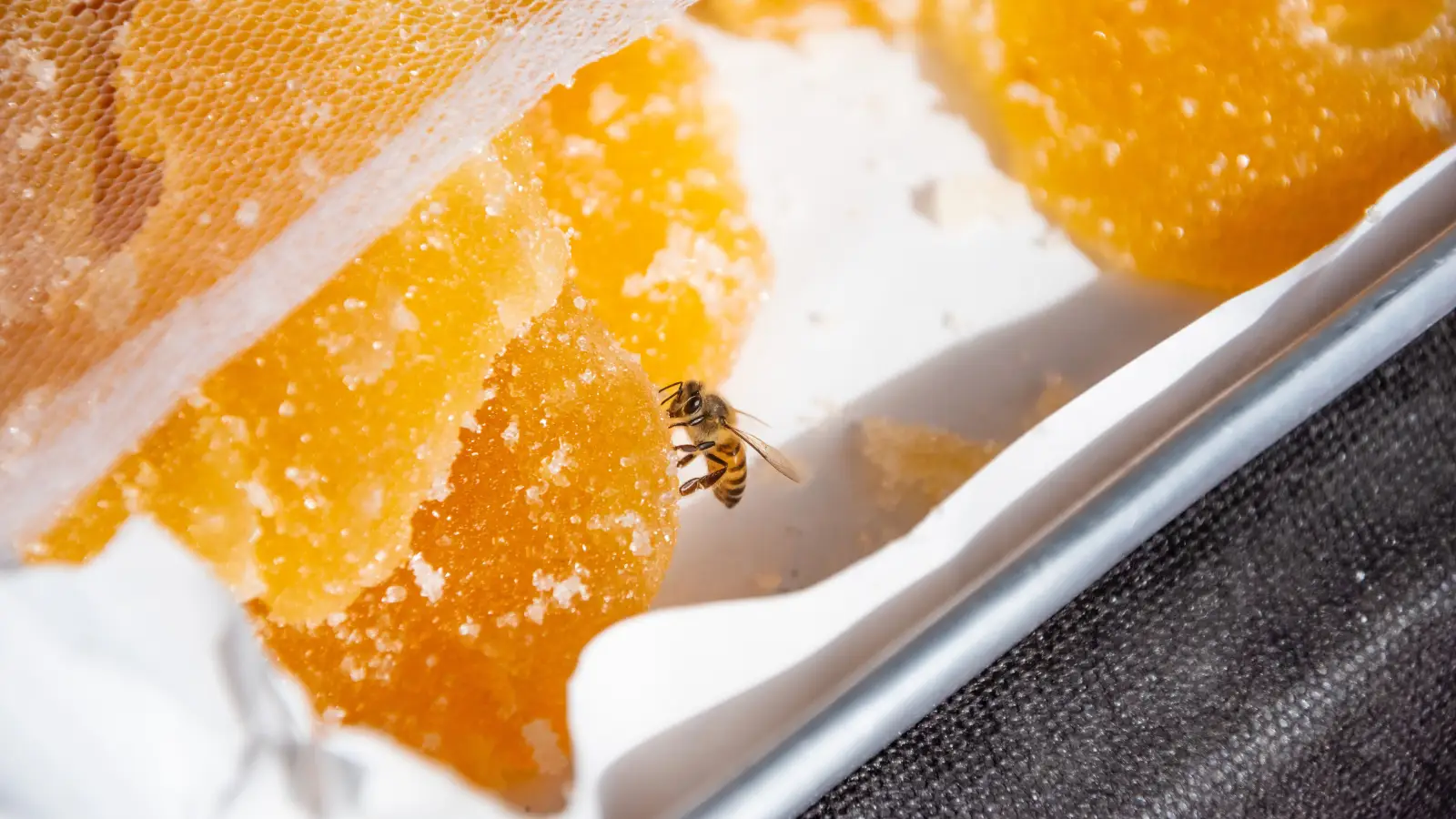
Microwave or stovetop heat ruins crystallized honey’s enzymes and flavor. Use a gentle water bath under 104°F to re-liquefy safely. Step-by-step guide inside.