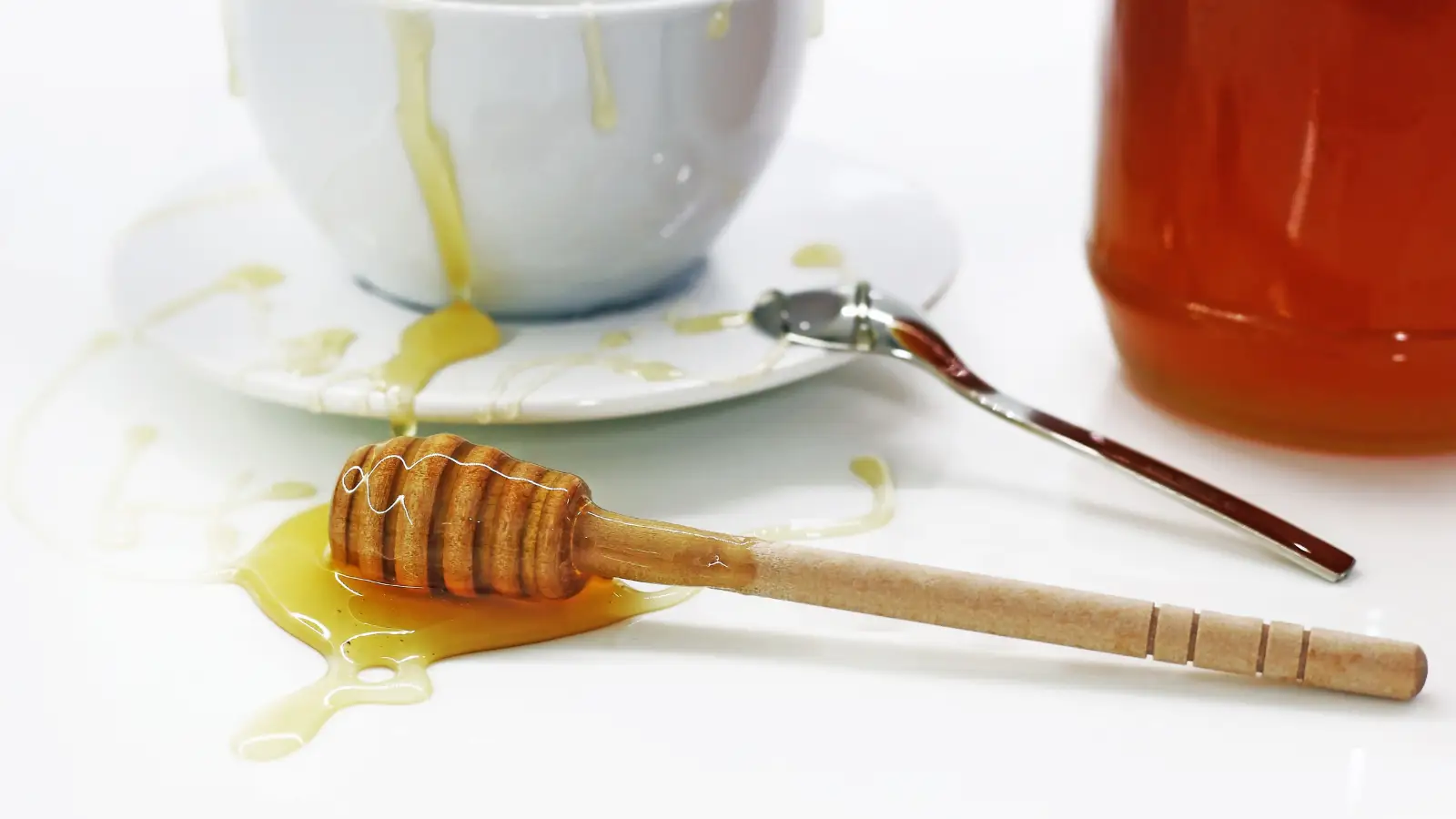
The One Mistake That Kills Honey’s Germ-Fighting Power
Heating crystallized honey above 104°F destroys its antimicrobial enzymes. Learn the safe temperature range, step-by-step reheating method, and common mistakes to avoid.
Research‑based insights into hydrogen peroxide, MGO, polyphenols, and other mechanisms behind honey’s antimicrobial and antioxidant activity.
Heating crystallized honey above 104°F destroys its antimicrobial enzymes. Learn the safe temperature range, step-by-step reheating method, and common mistakes to avoid.
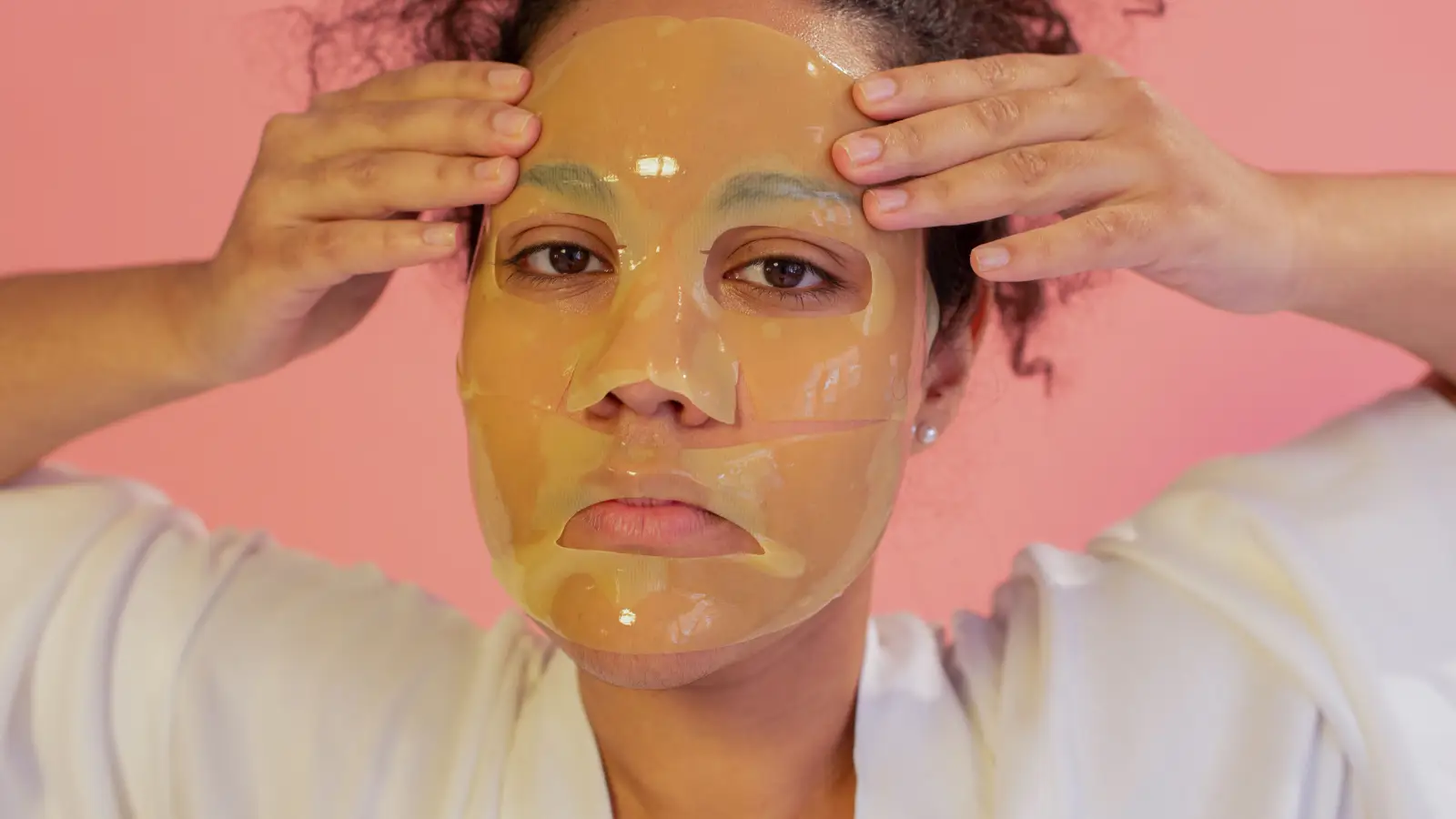
Honey masks are called antibacterial, but the real story is glucose oxidase, low pH, and osmosis — and the cosmetic evidence has gaps most guides skip.
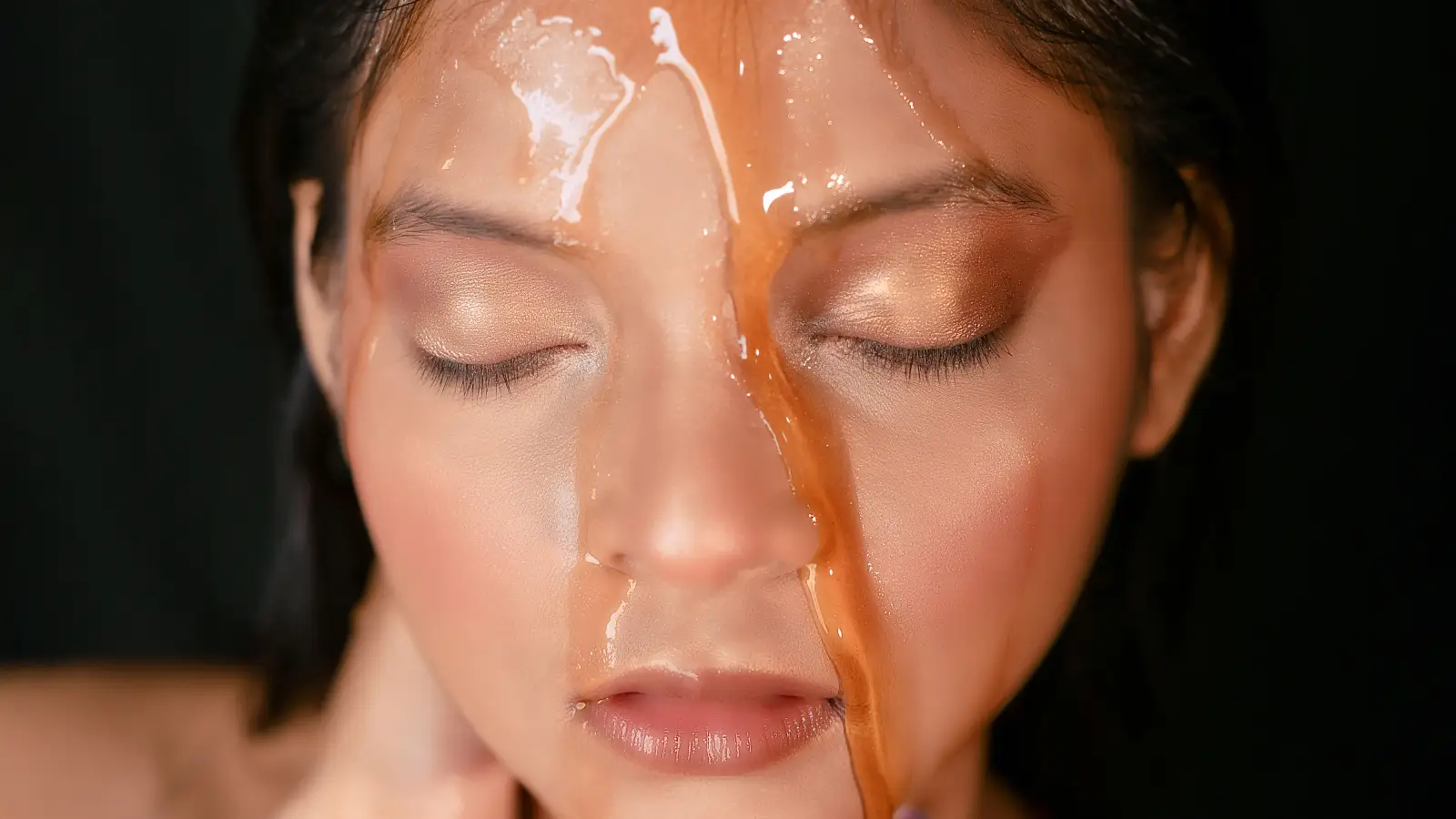
Dermatology and wound-care studies confirm honey’s humectant and antibacterial powers, but cosmetic claims for acne and aging lack solid evidence. Read what works.
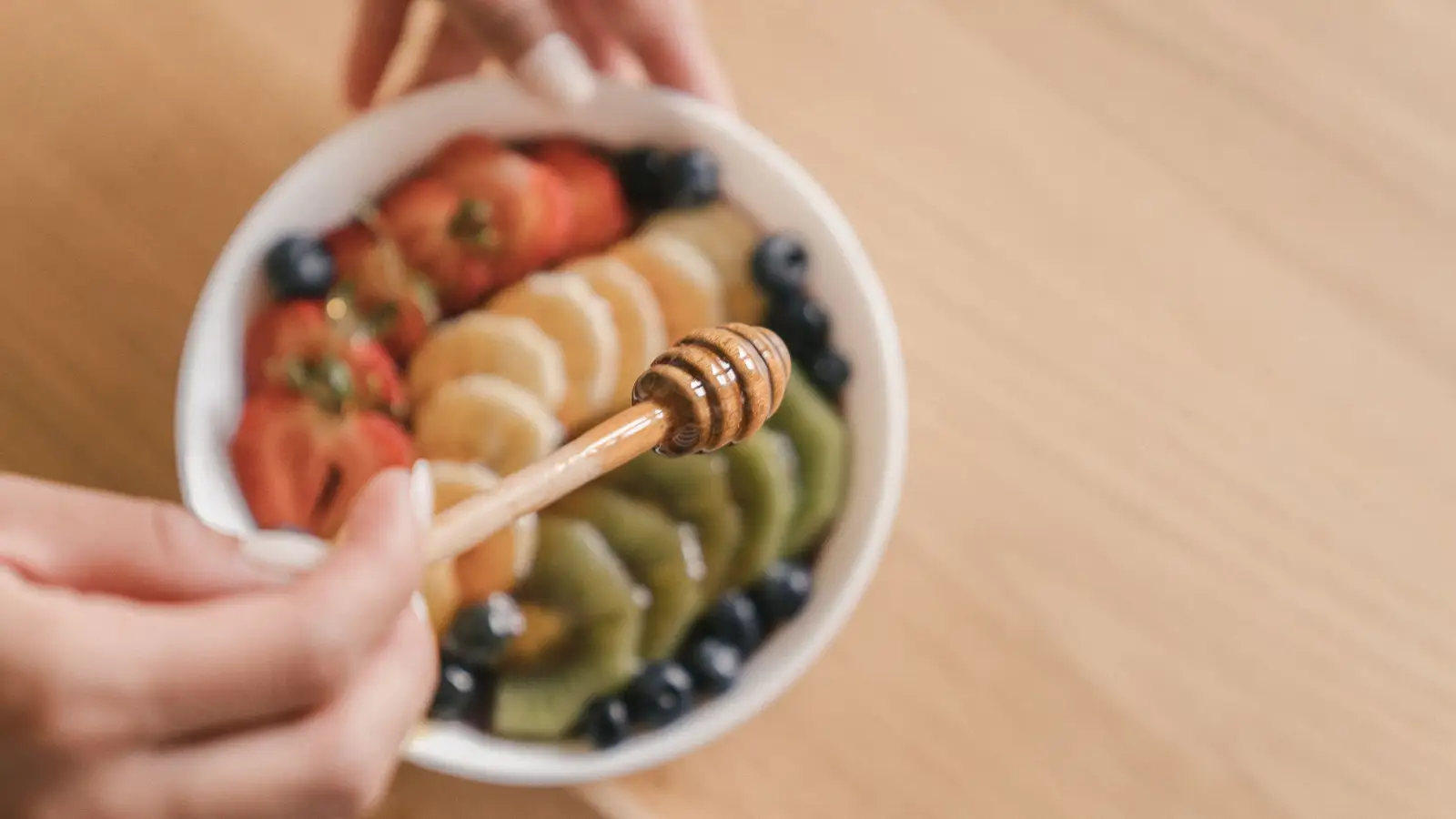
Lab comparisons show unfiltered honey can contain up to 30% more flavonoids and polyphenols than filtered — but not always. See the scenarios where that gap matters.
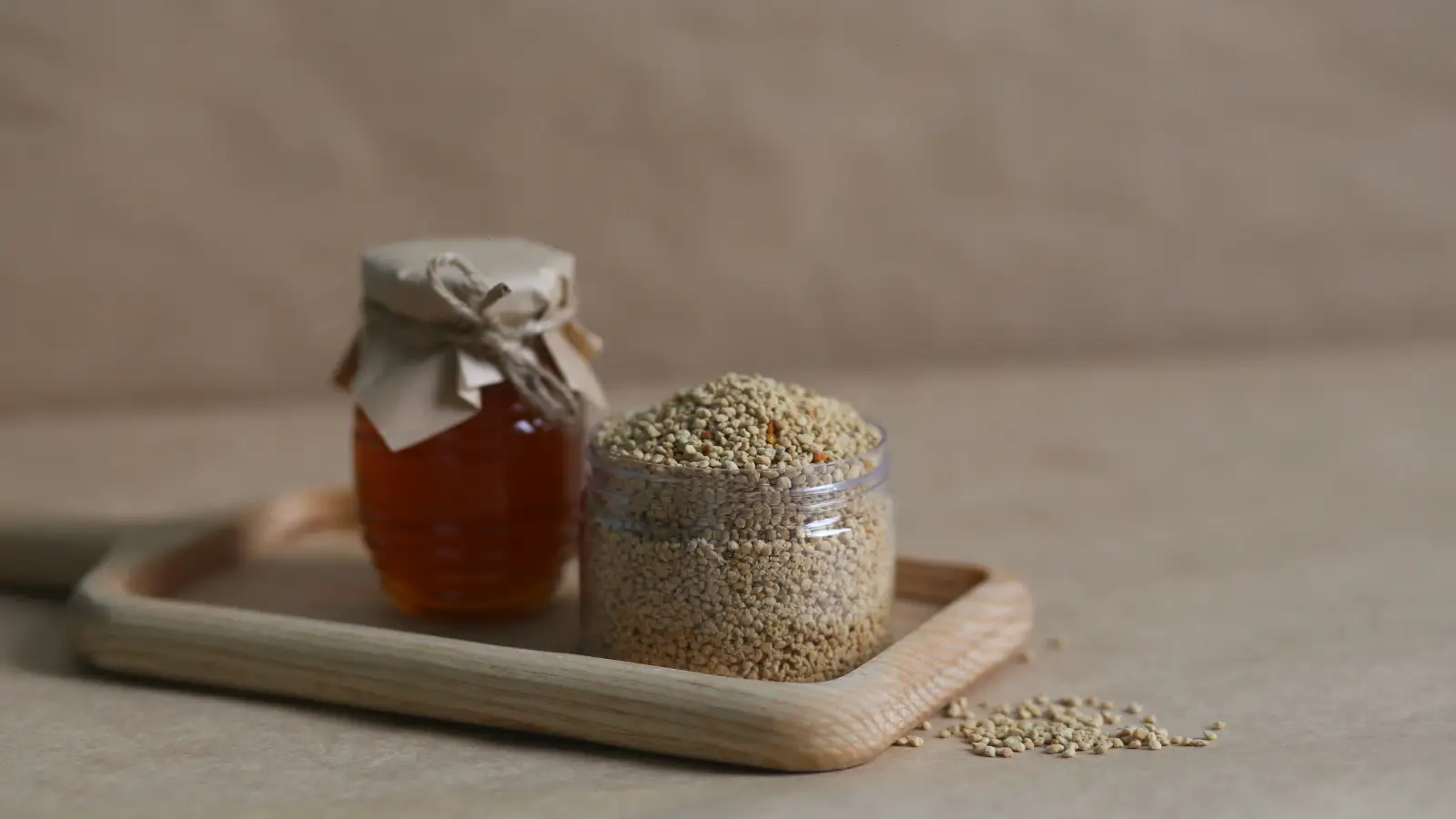
Honey does contain antioxidants, but labeling it a superfood is marketing hype. Learn why the amounts vary wildly and why you’d need too much sugar to get a real dose.
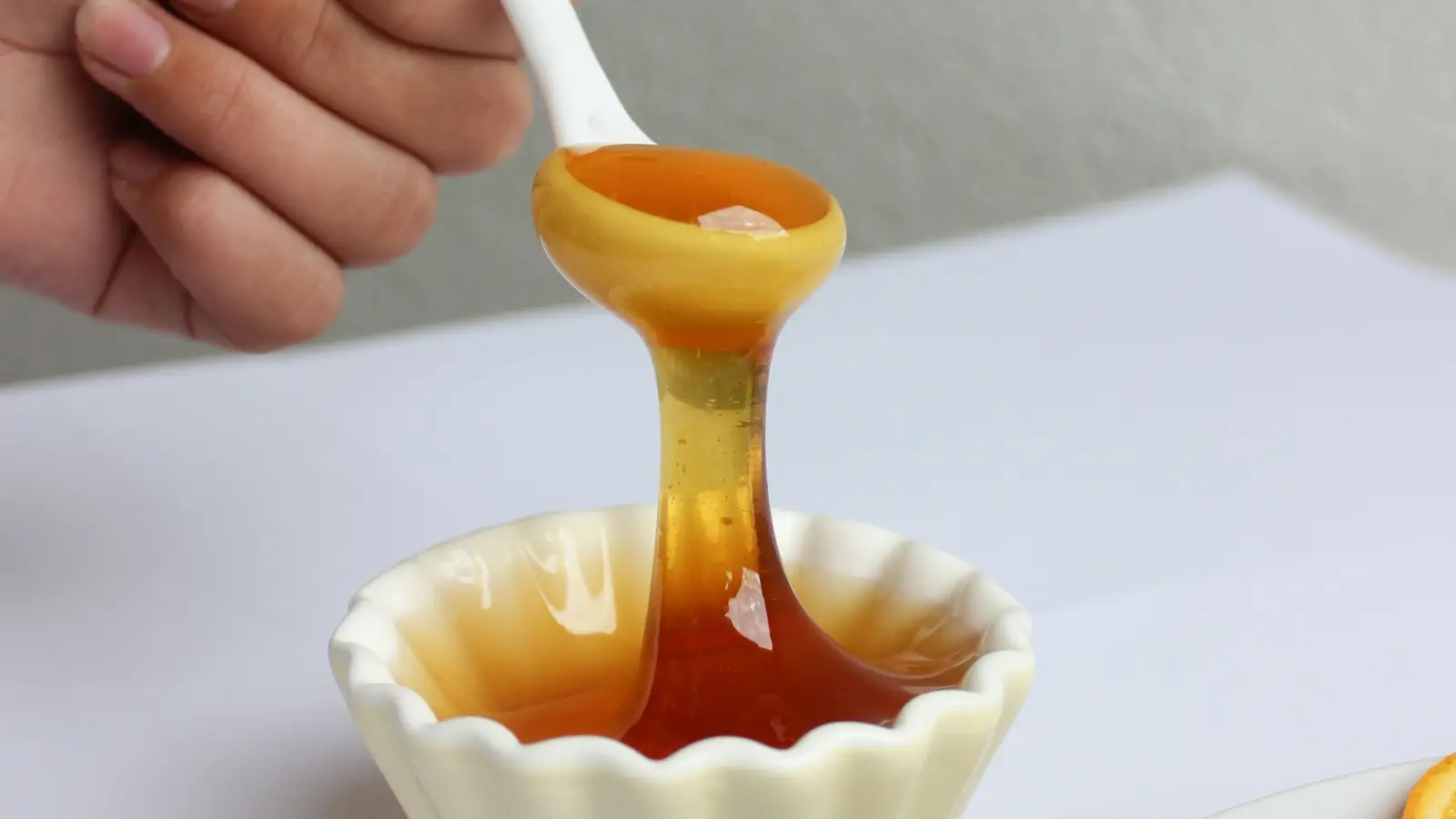
Honey's flavonoids and phenolic acids can survive stomach acid and gut bacteria to enter your circulation. Learn how bioavailability works and when it actually matters.
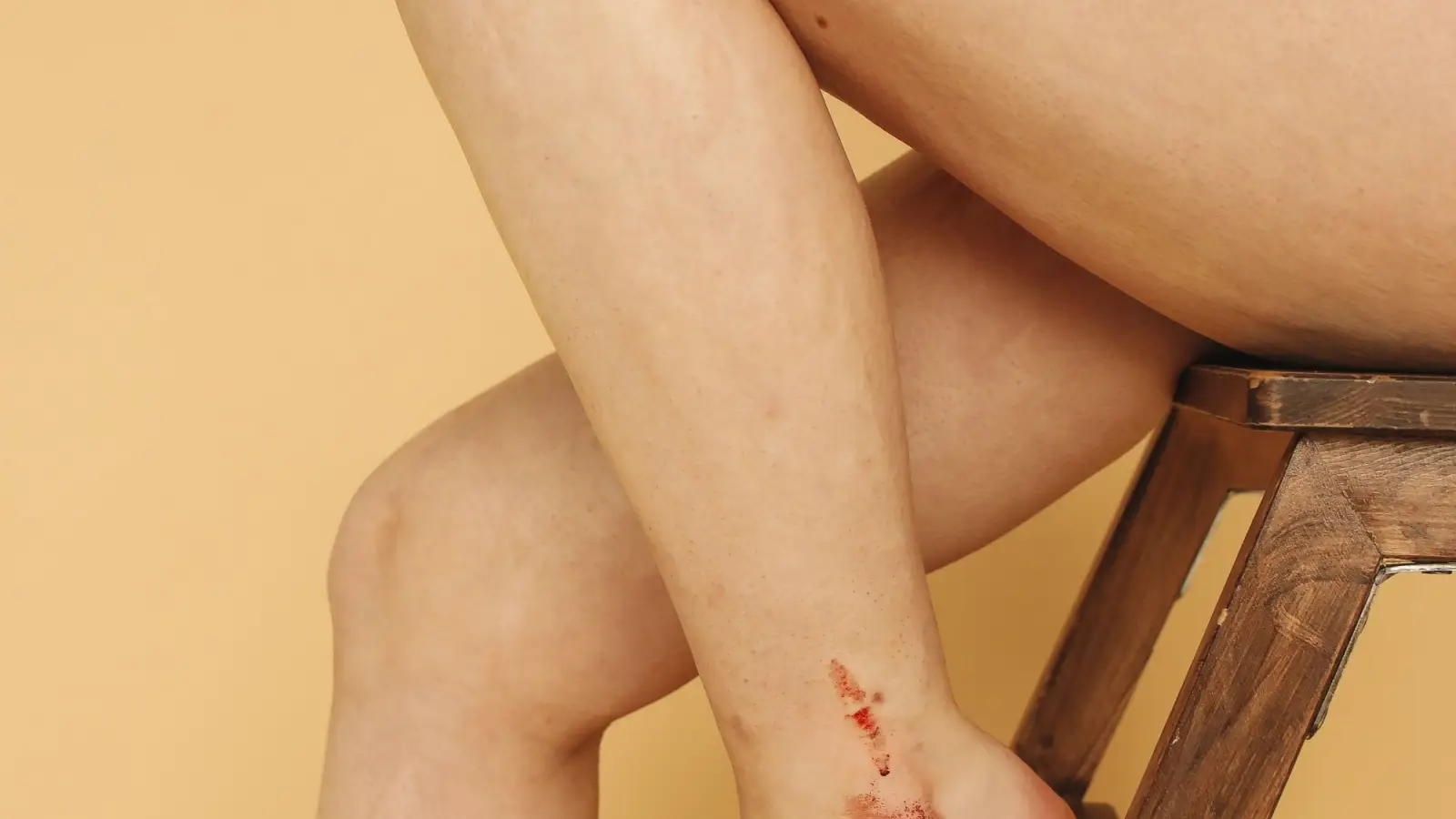
Honey’s wound cleaning power comes from glucose oxidase, an enzyme that releases low-level hydrogen peroxide on contact with wound fluid. Learn how this slow-release system works and when it matters most.
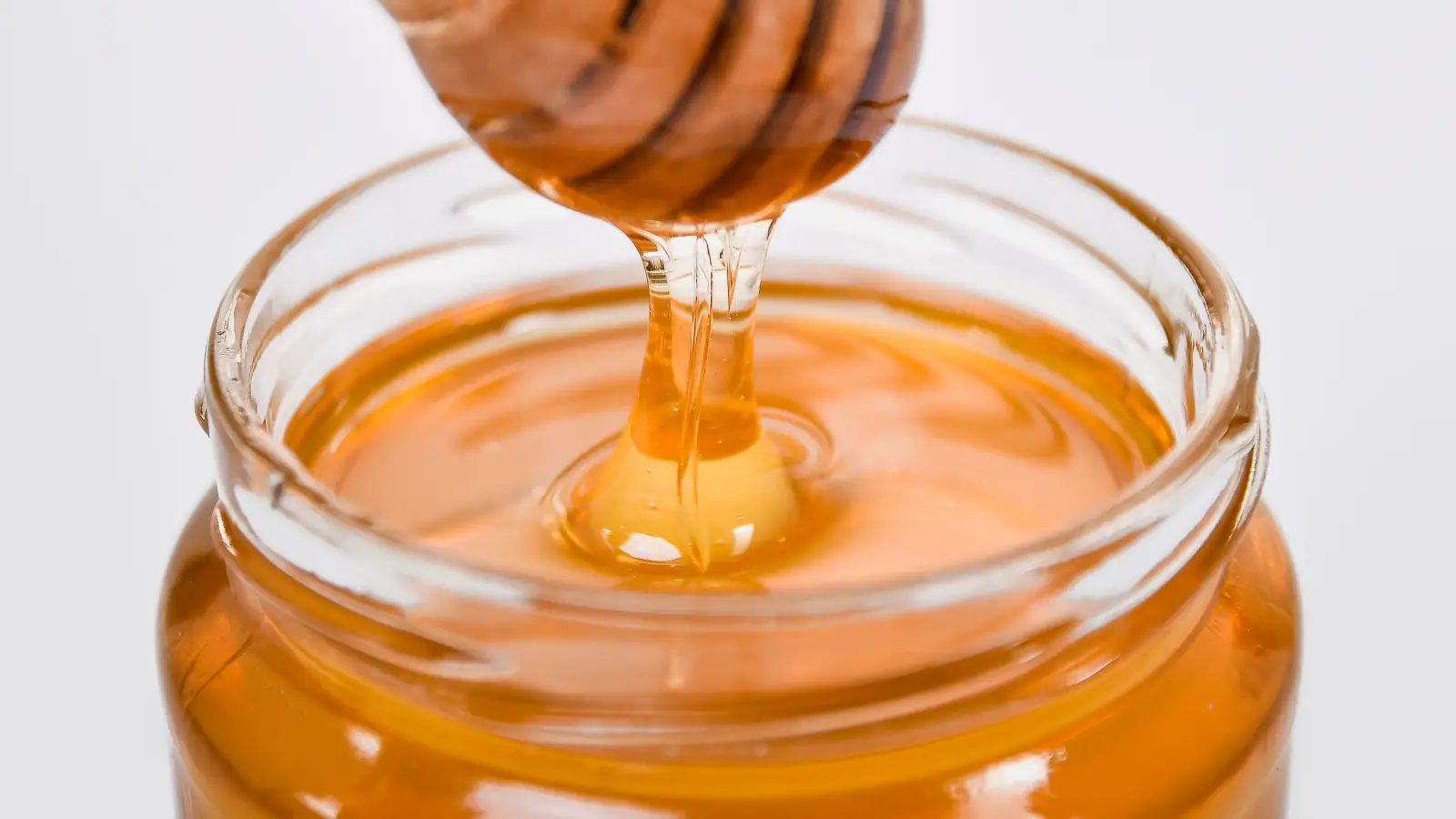
Honey’s antibacterial power isn’t just sugar. Discover how glucose oxidase produces hydrogen peroxide, why antioxidants stabilize the defense, and what this means for shelf life and wound care.
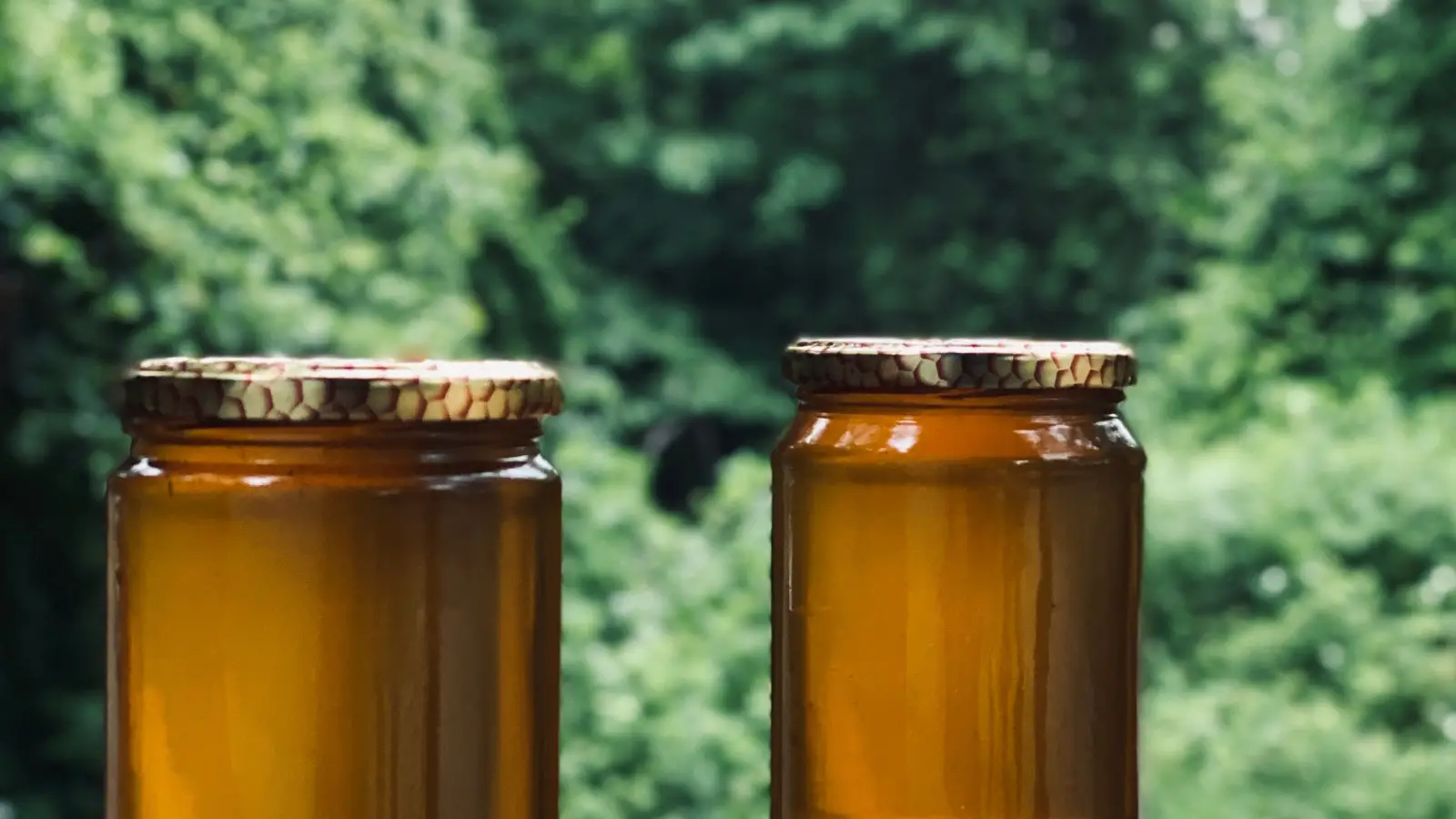
Raw honey’s glucose oxidase enzyme releases hydrogen peroxide upon dilution, fighting germs naturally. But pasteurization’s heat destroys it permanently. Here’s what you need to know.
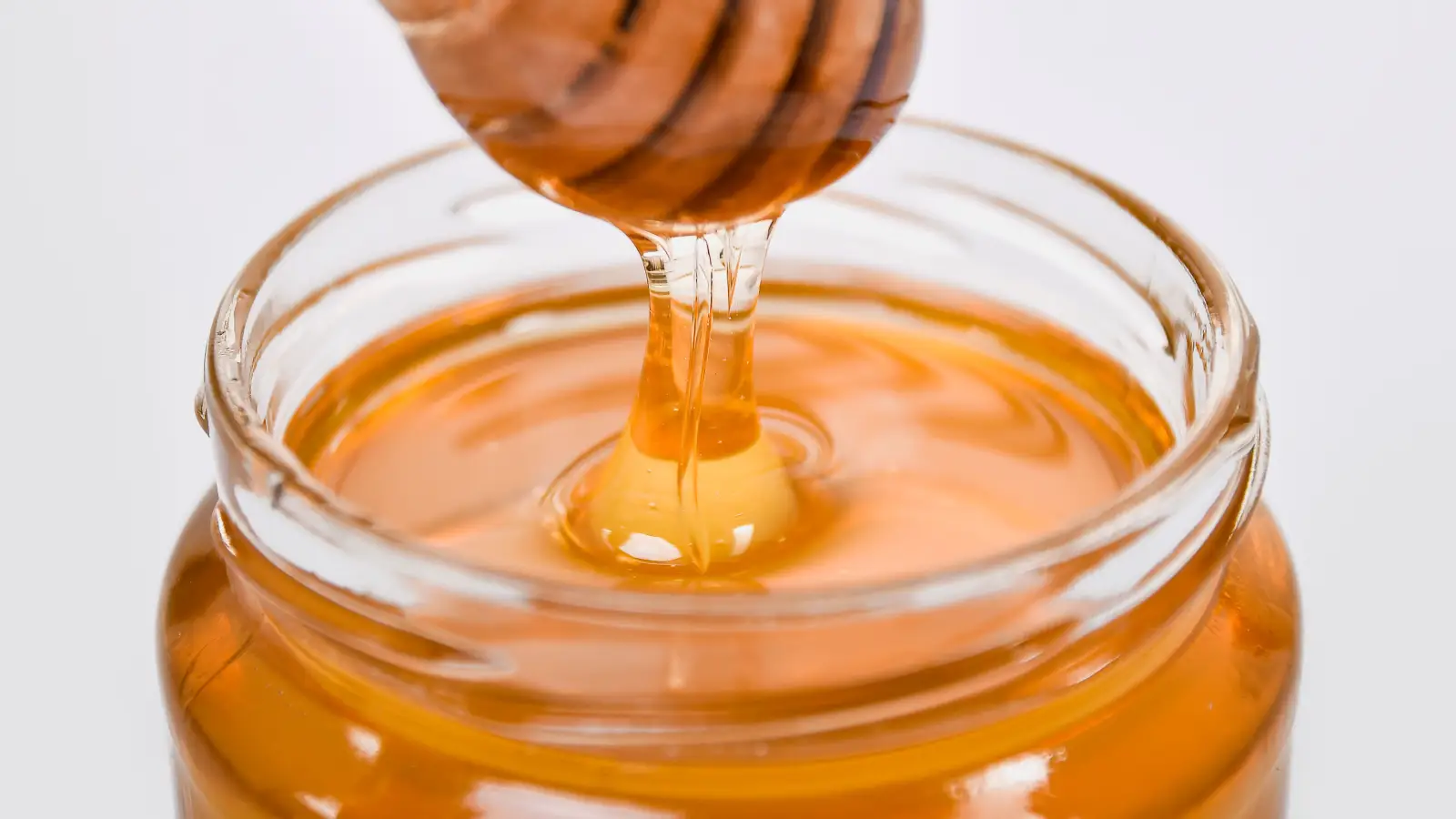
Honey’s flavonoids, phenolic acids, ascorbic acid, and melanoidins—how to read color and processing, and how much you need for a measurable antioxidant effect, without the hype.