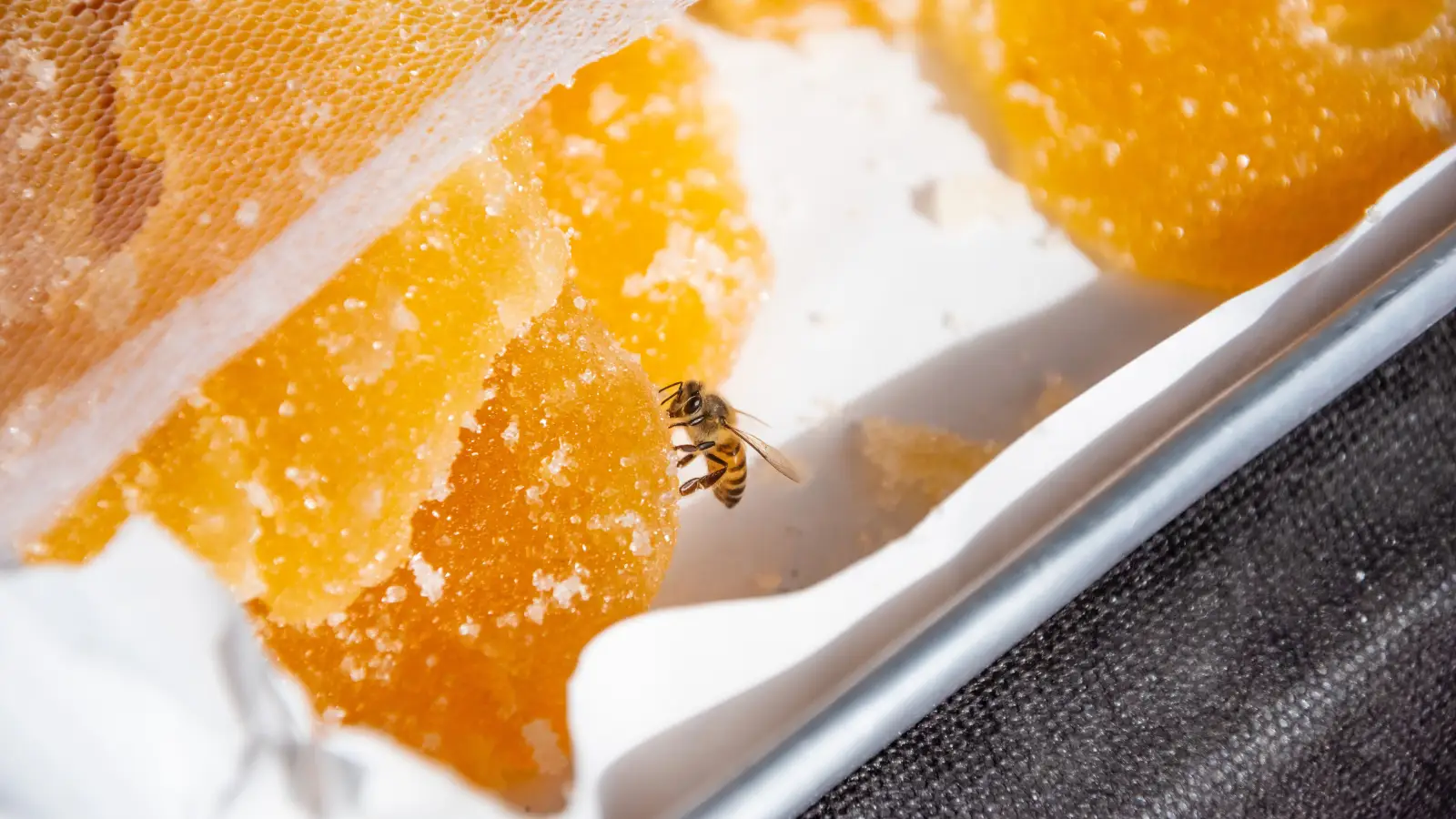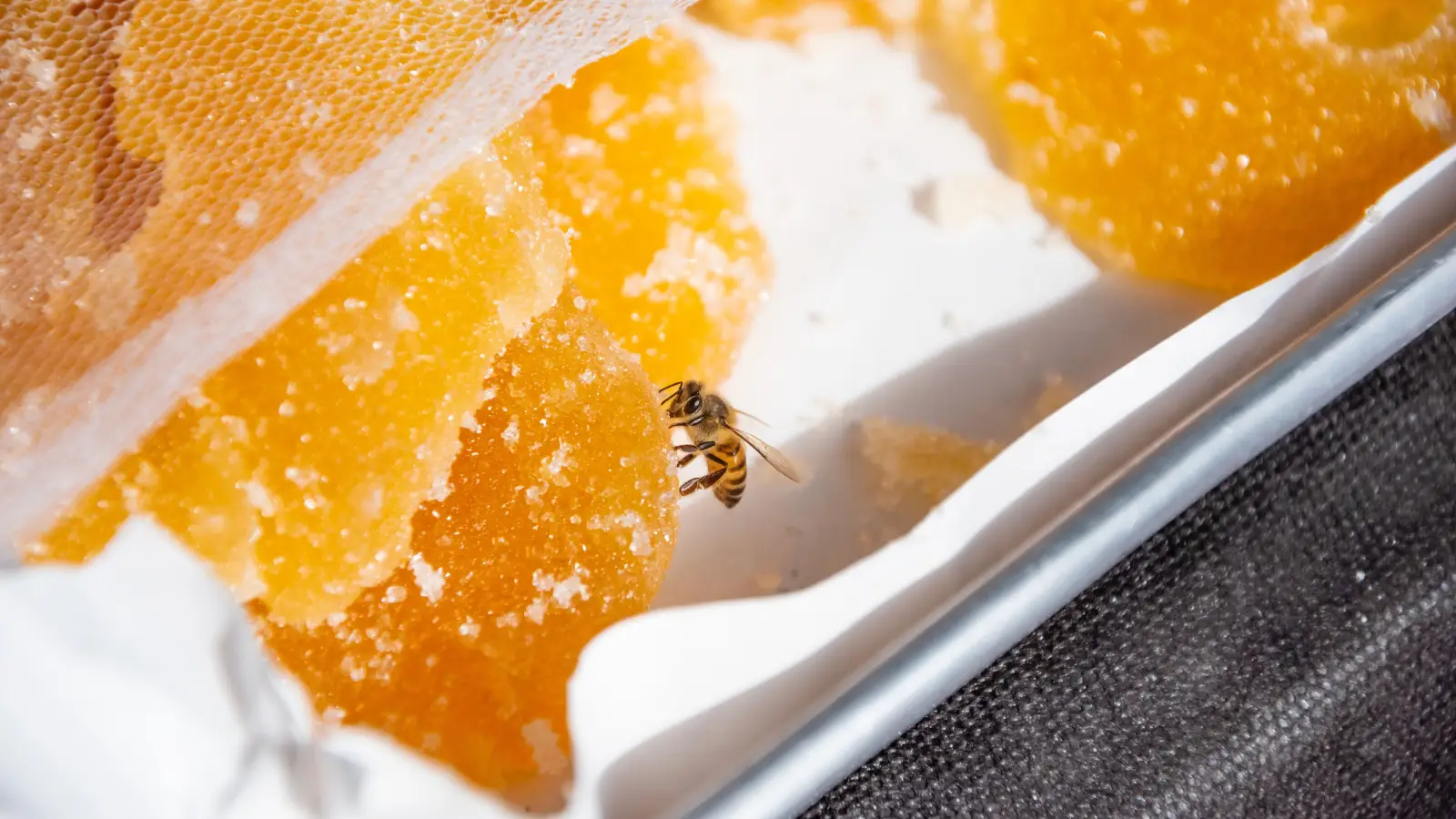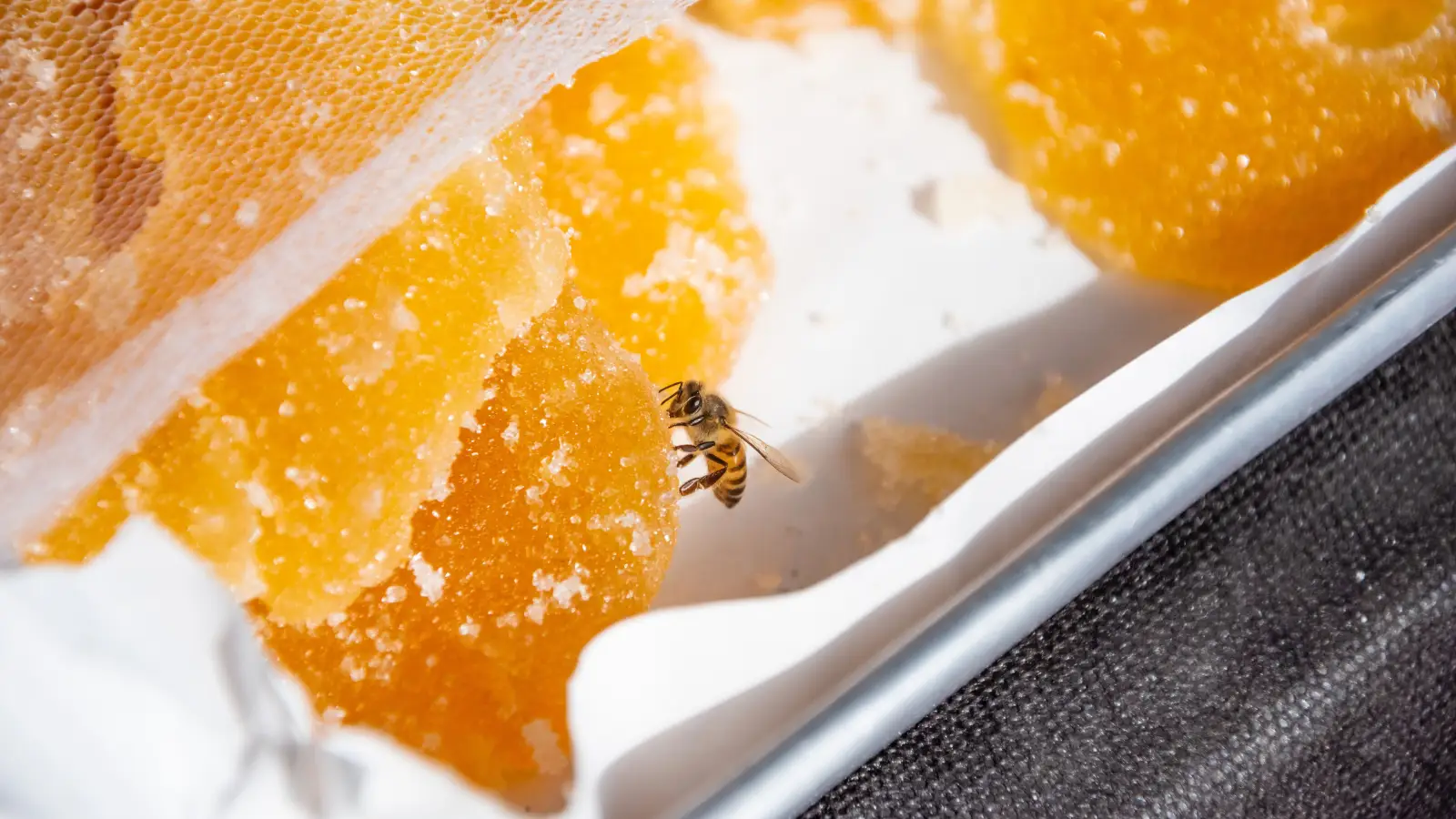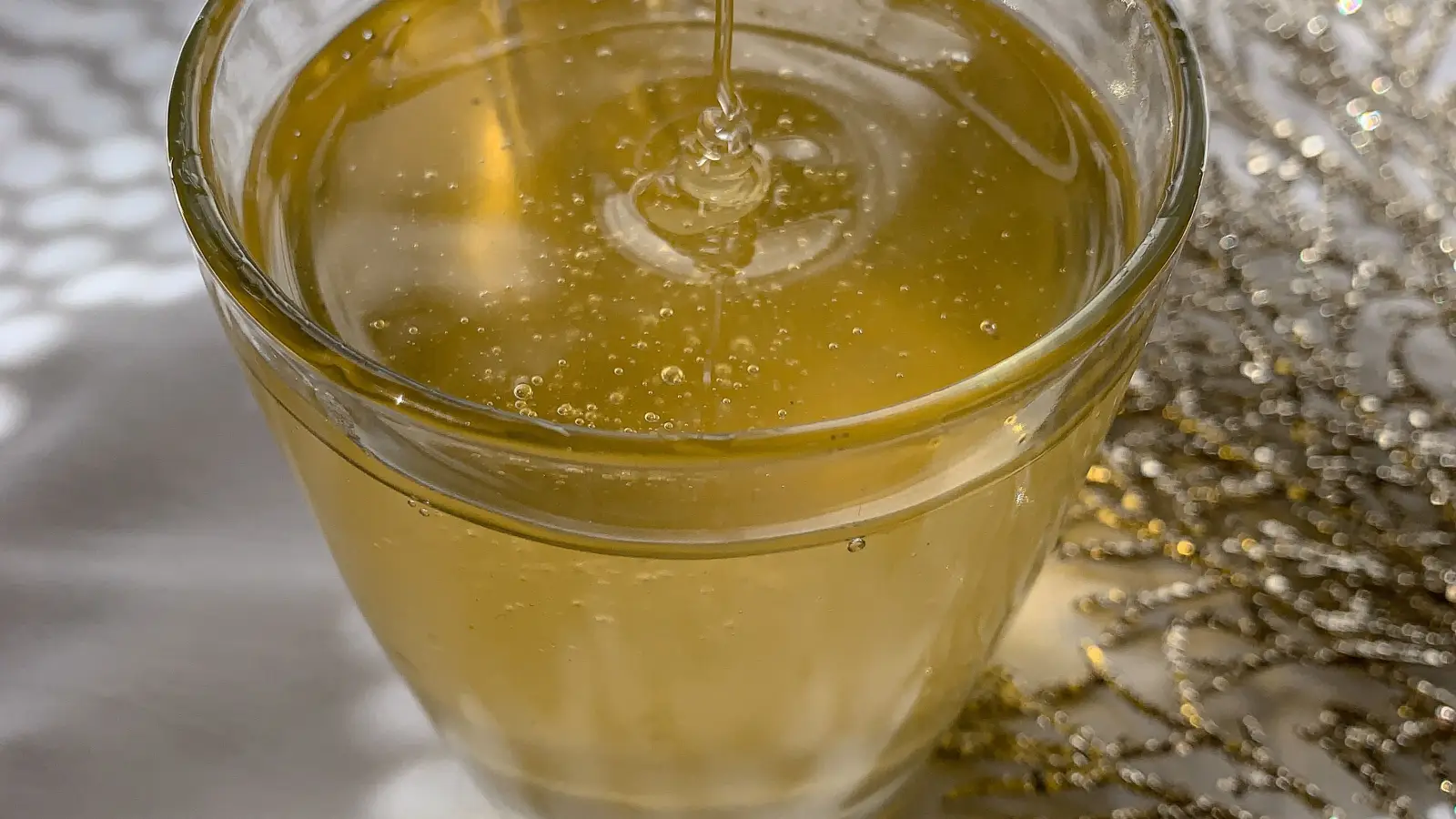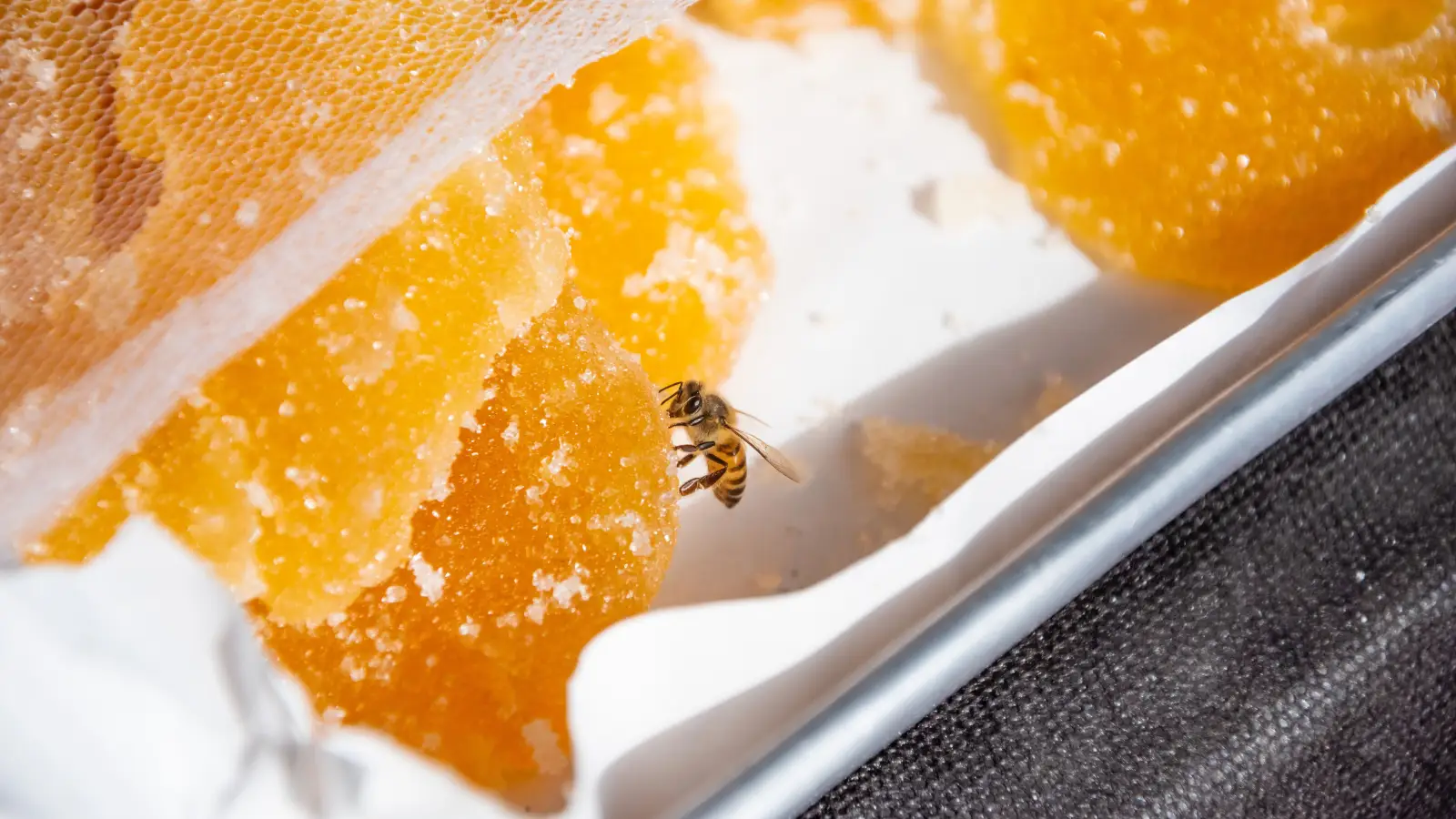
Crystallized honey isn't a problem; it's a quality guarantee. When honey turns grainy, it's because glucose, still carrying the pollen and enzymes of raw, unfiltered honey, has separated from the water. That granulation is your jar's way of saying, 'I'm the real deal.'
The knee-jerk reaction to toss out a cloudy jar comes from decades of marketing that trains us to expect never-changing, shelf-stable liquids. Those clear, always-runny supermarket honeys are heated and ultra-filtered, stripped of pollen that would otherwise tell you where the bees have been. Raw honey crystallizes. Period. That's the natural state of a product that hasn't been processed into a sterile syrup. This guide gives you the science, the safety assurances, and the practical moves to turn crystallized honey from a source of doubt into a kitchen asset you reach for on purpose.
The Simple Mechanics of Honey Crystallization
Honey is a supersaturated sugar solution—roughly 80% sugar—and glucose is the least soluble among the sugars. Left in a raw state, with particles like pollen, wax, and microscopic air bubbles, the glucose forms crystals. Those particles are not contaminants; they're what give honey its flavor, origin, and nutritional punch. Filter them out and you get a honey that stays liquid for months—but you also lose much of its character.
The two forces driving crystallization are therefore the natural drive of glucose to solidify and the abundance of crystal 'seeds' in raw honey. This is not a flaw. It means the honey hasn't been stripped. If a jar crystallizes quickly, you're almost certainly holding a product with minimal processing—exactly the kind of honey that tastes like the flowers the bees visited.
To take control of the situation, use the Quality Keeper’s Method: (1) read the crystals, (2) store honey the right way, and (3) reliquefy it with restraint. Each step reinforces that crystallized honey is a raw asset, not a warning sign.
Stage 1: Read the Crystals — They Spell Out Quality
Open a crystallized jar and your first job is to verify it's all honey, no trouble. True granulation is uniform; the texture can be smooth like a fine paste or coarser, depending on the variety. The scent should be sweet and floral, exactly as you remember. If you catch a sour, fermented odor, see froth on top, or notice visible mold, the honey has picked up too much moisture and fermented—a rare event when the lid is tight, but possible in very humid kitchens.
Beyond safety, the crystals themselves are a report card. Because they form so readily on pollen and wax particles, a crystallized honey almost certainly has not been ultra-filtered. That means the enzymes (invertase, diastase) and the volatile aromatic compounds are still in play. In many European traditions, crystallized honey—often sold as 'creamed' honey—is prized precisely for that reason. It hasn't been denatured.
When you finish this stage, you're not just assured the honey is safe. You've confirmed that what you have is a raw, character-rich product.
Stage 2: Store Honey So It Stays a Powerhouse
Storage is simple but specific. Honey pulls moisture from the air, so an airtight container is mandatory. Glass with a tight lid is best; plastic can slowly transfer unwanted flavors. Keep it at a steady room temperature—around 65°F to 75°F (18–24°C). That range lets the honey crystallize slowly and evenly, if at all. Refrigeration is a mistake: it hardens the honey into a stubborn block, making it harder to spread or reliquefy later.
Label your jars by floral source and purchase date. This matters because different honeys behave differently. Acacia and tupelo are high in fructose and may stay liquid forever. Clover and alfalfa crystallize fast. Knowing the variety helps you decide whether to keep a jar as a spreadable solid or to reserve it for drizzling after a gentle warm bath.
Done right, your honey stays aromatic, smooth even when crystallized, and completely free of any yeasty or fermented notes. It retains its full nutritional profile right to the last spoon.
Stage 3: Liquefy Crystallized Honey Without Ruining It
The iron rule: gentle, even warmth. Never direct heat. The safest way is a warm water bath. Set the sealed jar in a bowl or pot of water around 95°F to 110°F (35–43°C)—water that feels comfortably warm to your hand, not hot. Let it sit, stirring occasionally; a coarse-grained jar can take up to a couple of hours, while a small fine-grained one may be ready in 30 minutes. A digital thermometer removes guesswork, but the back-of-the-hand test works if you have experience.
Avoid the microwave and boiling water. Above 120°F (49°C), the enzymes start to die, delicate floral aromas vanish, and the honey darkens. You'll get something that looks liquid but tastes flat and has lost the raw edge you wanted. Also, a glass jar in a microwave can crack from uneven heating.
Once reliquefied, the honey will crystallize again over time—that's fine. Repeat the warm bath whenever needed. Done well, you have liquid honey that still carries the flavor of its source and all the raw benefits intact.
The Method in Practice: A Jar of Solid Wildflower Honey
You find a half-used wildflower honey on a back shelf, solid and grainy. Stage 1: you pop the lid, smell it—still deep and floral—and see uniform, fine granulation without foam or sourness. You know it's safe and raw. Stage 2: you wipe the rim clean, tighten the lid, and return it to the cupboard, satisfied the seal is good. You decide you want some for toast and some for tea. You scoop a few spoonfuls into a small glass jar, seal it, and run Stage 3: set the small jar in a bowl of warm tap water, refresh the water once, and wait until the crystals dissolve. In under an hour you have a creamy spread and a pour-able golden liquid, both from the same raw quality. The jar was never spoiled—you just knew how to handle it.
Where People Break the Framework
Treating Crystals as Spoilage and Throwing Good Honey Away
This is the most common, and most wasteful, mistake. Crystallized honey hasn't gone bad; it's biologically stable. Honey's low pH and low water activity kill bacteria. The only real spoilage risk is fermentation, and that announces itself: a sour smell, bubbles, a frothy surface. Simple granulation is none of those. Tossing a crystallized jar is throwing away a raw product because it doesn't look like the processed bottles you're used to.
Overheating During Re-liquefying
Microwaving a jar or dropping it in boiling water is a fast way to ruin good honey. Yes, it melts the crystals, but it also kills the enzymes and burns off the volatile aromatics that make raw honey worth buying. Heat-tolerant antioxidants survive, but the diastase and invertase that signal freshness and support digestion are gone. If you wouldn't boil a fine extra-virgin olive oil, don't boil your honey. Warm water and patience deliver a result that still tastes like honey, not cooked sugar.
Quick Reference: The Quality Keeper’s Method at a Glance
| Stage | Goal | Key Action |
|---|---|---|
| 1. Read the Crystals | Confirm honey is safe and raw | Smell, check for uniform granulation, no fermentation signs |
| 2. Store Properly | Maintain flavor and prevent moisture | Airtight glass jar, room temp (65–75°F), no fridge |
| 3. Liquefy Gently | Reliquefy without destroying enzymes | Warm water bath (95–110°F), never microwave or boil |
Frequently Asked Questions
Is crystallized honey safe to eat?
Yes. Crystallized honey is still honey. As long as no off-odors, mold, or froth are present, it's completely safe and nutritionally identical to its liquid form.
Can crystallized honey be used in baking and cooking?
Absolutely. Its granular texture dissolves readily in batters, marinades, and warm liquids. Measure it by weight or volume as you would liquid honey—warming slightly can make it easier to pour.
Does crystallized honey mean the honey is fake?
The opposite. Real, unadulterated honey tends to crystallize. Heavily filtered or pasteurized honey resists crystallization precisely because its natural particles have been removed. A smooth, natural granulation is a strong indicator of authenticity.
How can I prevent honey from crystallizing so quickly?
You can't prevent it entirely without processing, but you can slow it. Store honey at room temperature in a sealed container, away from cool drafts. Refrigeration speeds crystallization, so avoid the fridge. Don't freeze it either; extreme cold can alter the texture.
Can I microwave crystallized honey to make it liquid?
It's not advised. Microwaves heat unevenly and can easily create hot spots above 120°F, destroying enzymes. A warm water bath is the only reliable method that preserves quality.
Does re-liquefied honey lose its benefits?
Not if done gently. Staying under 110°F keeps enzymes and antioxidants intact. Repeated re-heating may slowly degrade the most volatile floral notes, but the core nutritional profile remains. Only reliquefy what you'll use soon and you'll lose almost nothing.
Moving Forward with Crystallized Honey
The Quality Keeper’s Method—read, store, liquefy—replaces anxiety with know-how. Start right now: inspect every cloudy jar and recognize the crystals for what they are, a badge of rawness. Then either spread it on warm bread or give it a temperate water bath. Real honey crystallizes. Now you know exactly what to do with it.