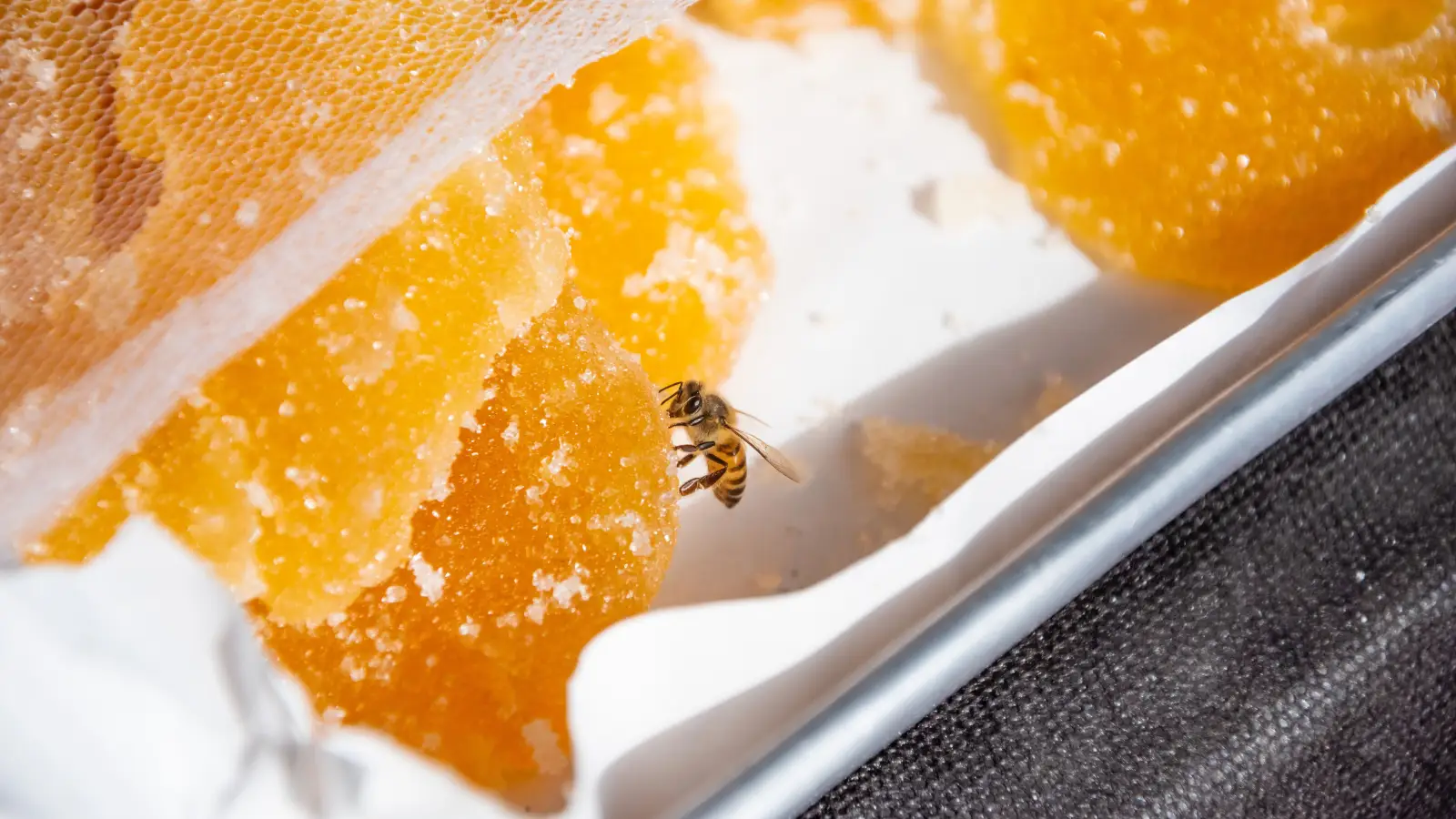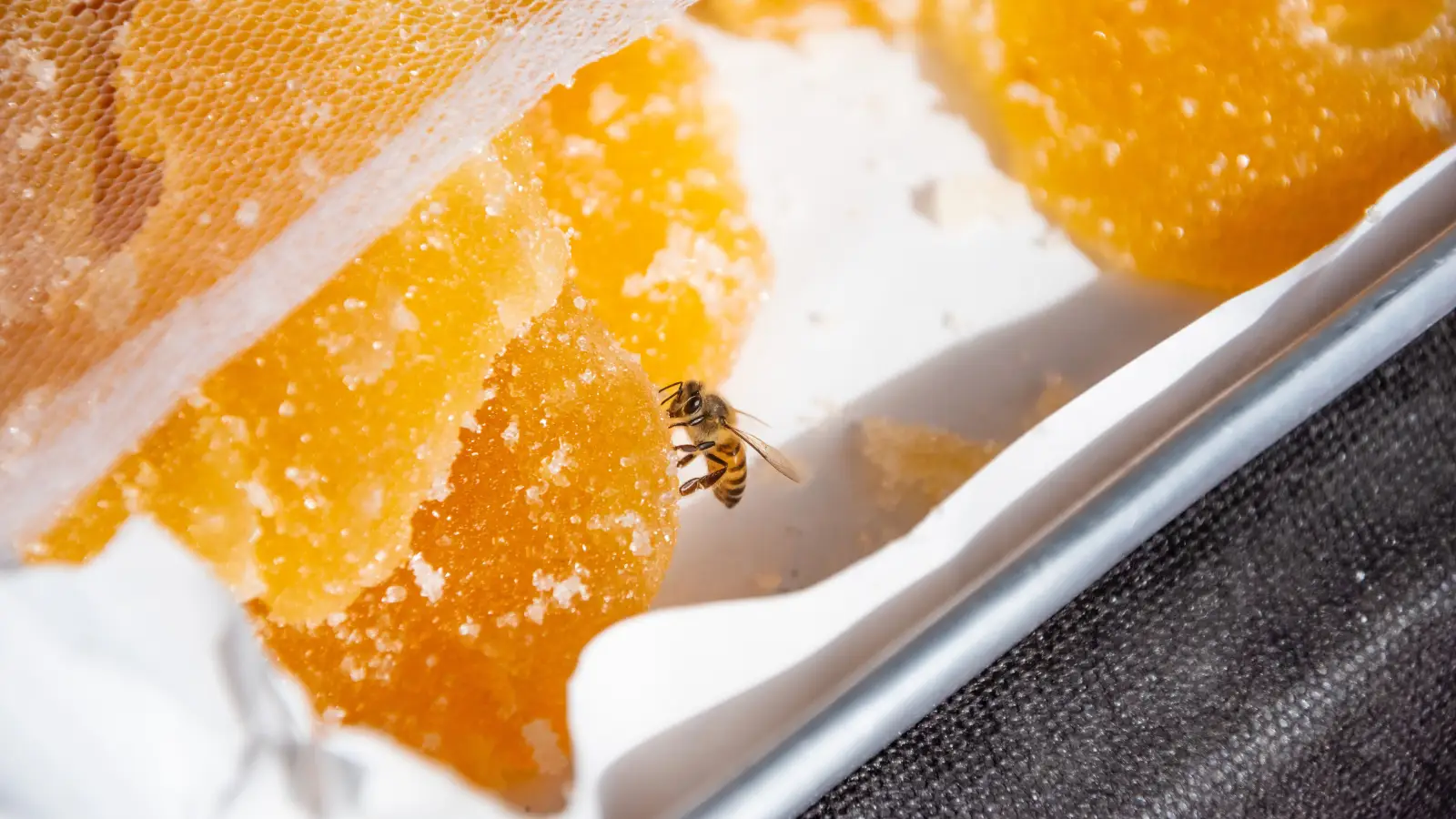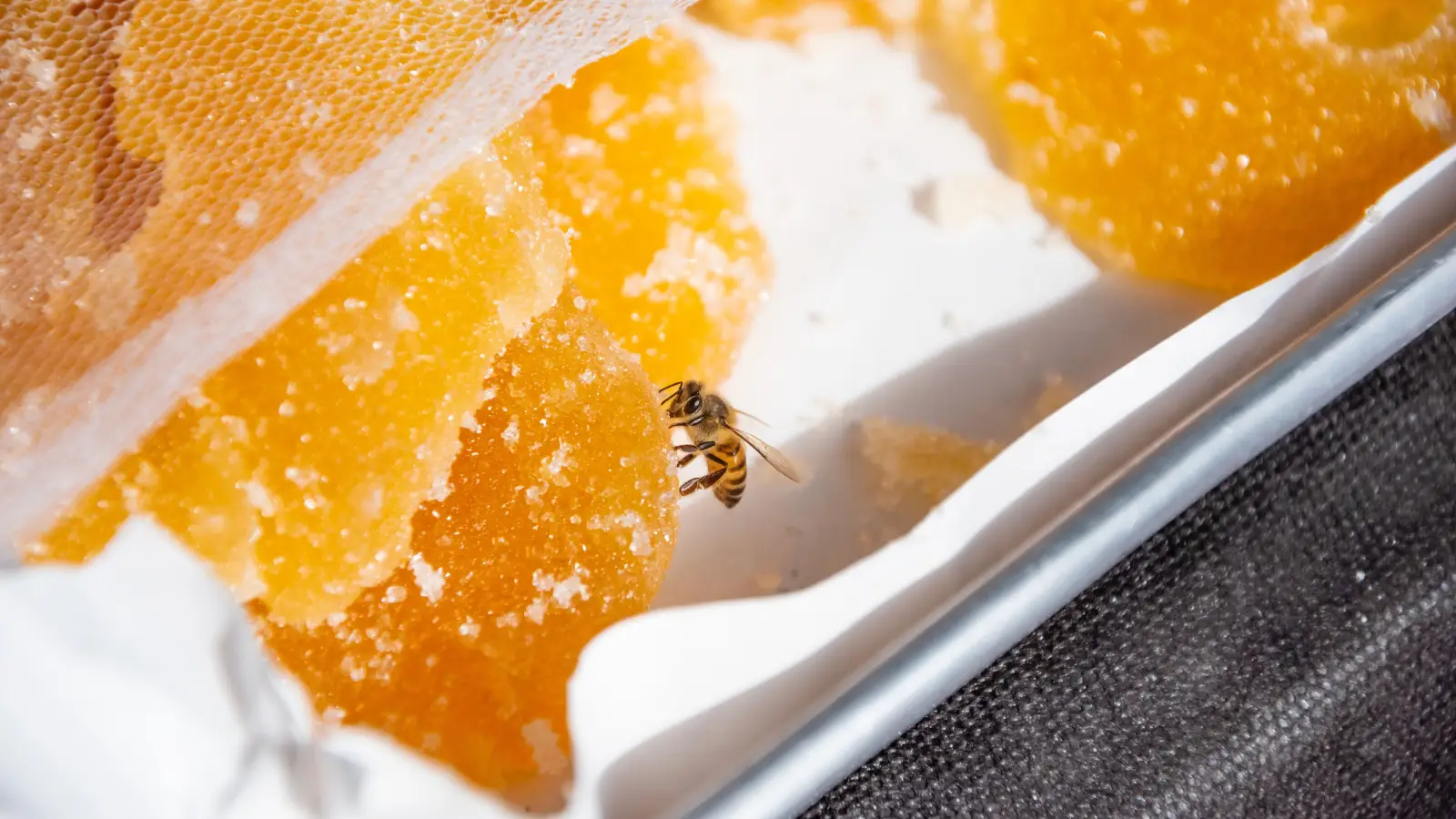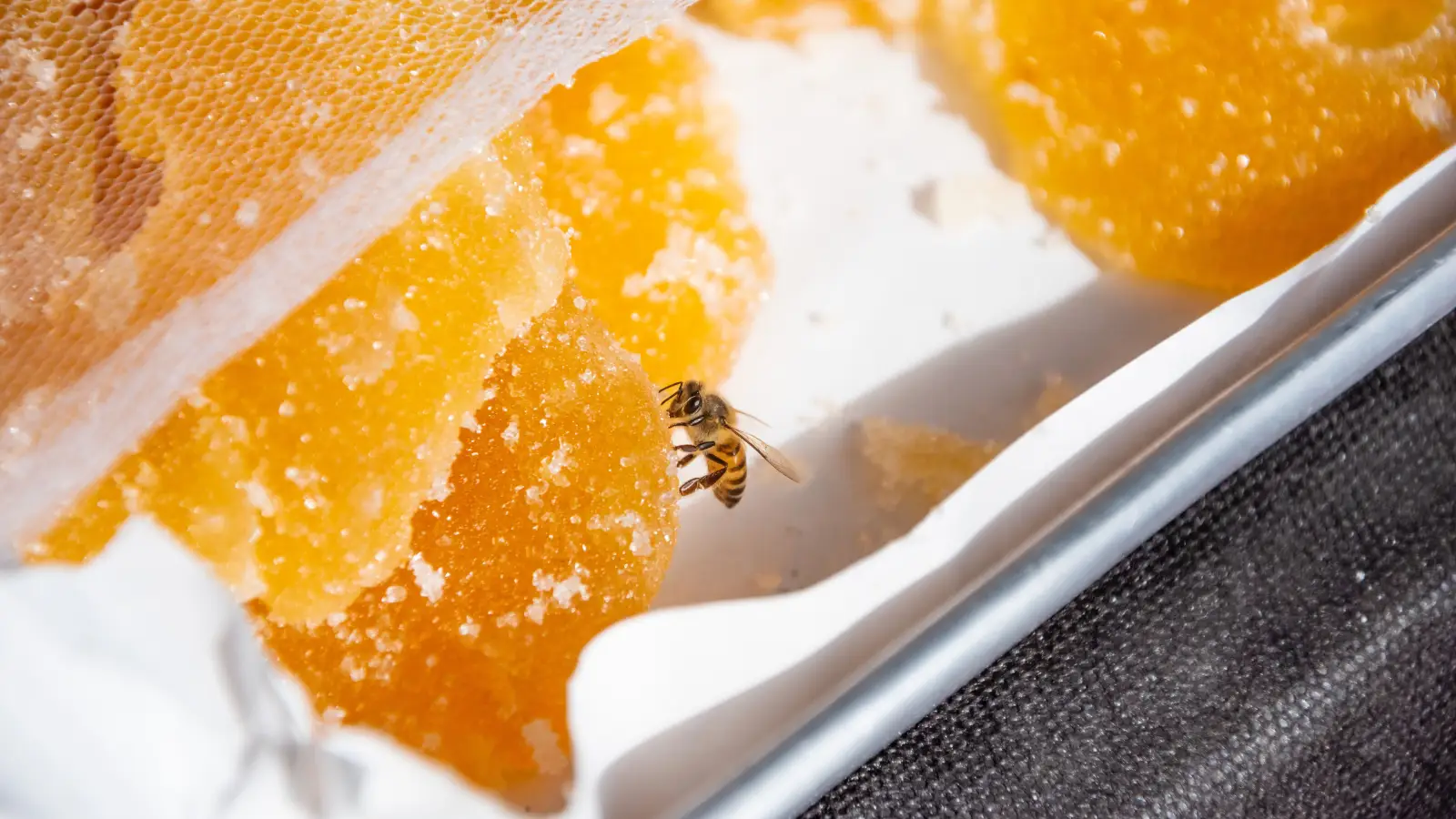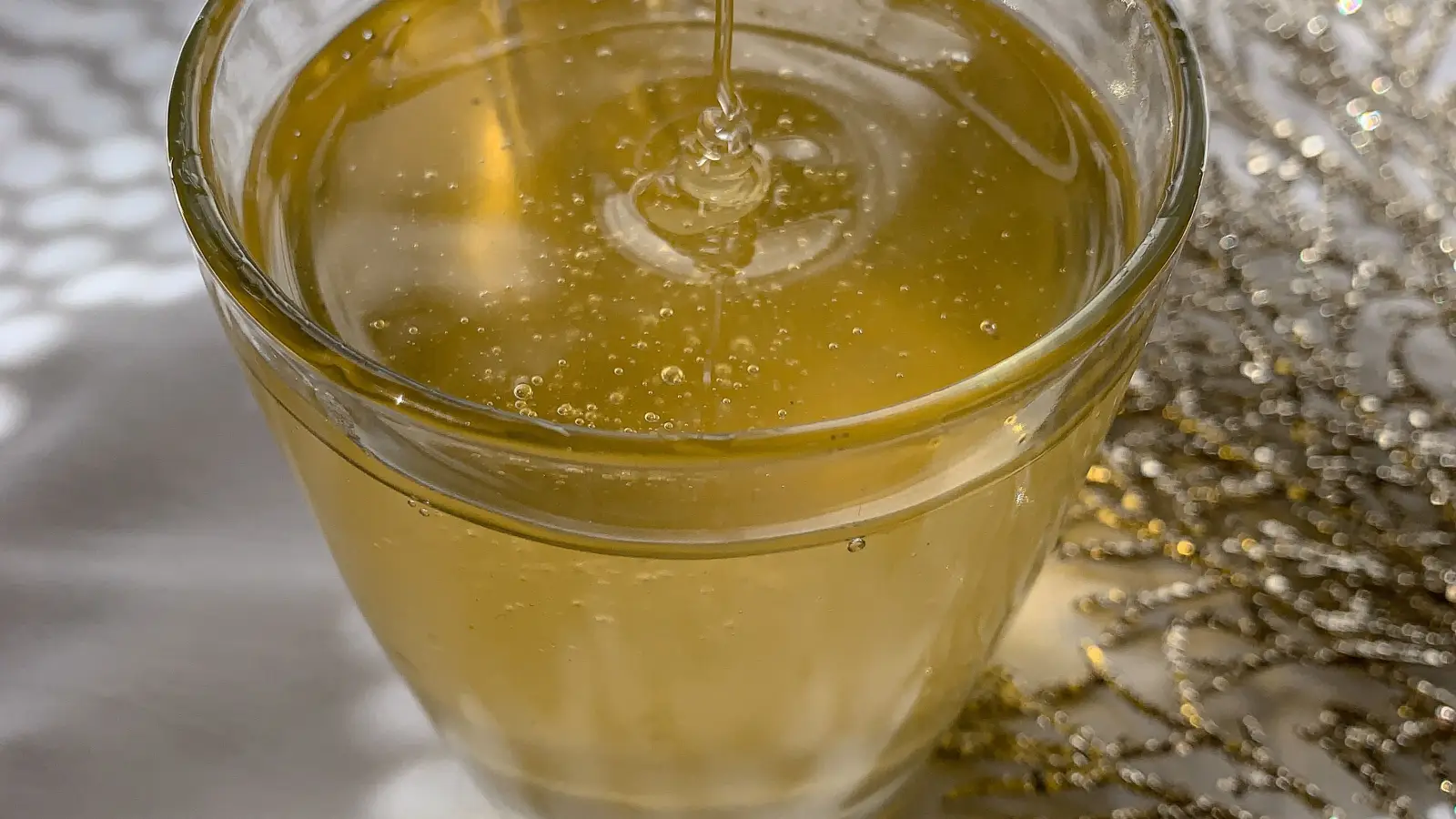
Crystallized honey isn't spoiled. It hasn't been stretched with sugar. It's the same honey you bought—just in a solid state. Which is 'better' depends entirely on how you plan to use it, but neither form signals poor quality.
Myths about crystallized honey are stubborn: some people are convinced it's been bulked up with cheap sweeteners, others throw it out thinking it's gone bad, and a surprising number believe real honey should stay liquid forever. Food science and the legal definition of honey tell a different story. This article tests those beliefs against evidence, so you can pick what you need without falling for the folklore.
The Immediate Answer: Crystallized or Liquid—Which Wins?
Here's the truth: crystallized honey isn't an inferior version of liquid honey—it's honey that stopped pretending to be pourable. Neither wins on purity or nutrition. For sheer daily convenience (tea, dressings, quick drizzles), liquid honey takes the edge because it flows. But if you're spreading on toast and want zero drip, crystallized honey is the smarter move. If forced to choose for a typical kitchen, go with liquid for versatility—just don't mistake a crystallized jar for a failure. It's often the least processed option you can find.
Crystallized and Liquid Honey: A Side-by-Side Look
| Criteria | Crystallized Honey | Liquid Honey |
|---|---|---|
| Texture & Spreadability | Firm, granular; stays put on bread | Smooth, pourable; can drip |
| Processing | Often raw and unfiltered; minimal heat | May be pasteurized or filtered to delay crystallization |
| Common Myth | "Added sugar" or "spoiled" | "Always pure" or "never crystallizes" |
| Best For | Spreading on toast, baking, mixing into thick spreads | Drizzling, teas, dressings, any use needing pourability |
| Nutritional Value | Identical to liquid honey | Identical to crystallized honey |
| Price | Typically similar; raw varieties may cost more | Similar, but ultra-filtered liquid may be cheaper |
Crystallized Honey: What's Really Happening in the Jar
That solid, grainy jar isn't a defect—it's a hallmark of minimal processing. Honey crystallizes because its glucose separates from the water and forms tiny, firm crystals. This has nothing to do with added sugar; if anything, adding corn syrup would delay crystallization, not speed it up. Clover and alfalfa honeys, with their high glucose content, turn solid fast. Acacia or tupelo, with more fructose, stay liquid naturally.
The USDA's grading system doesn't penalize crystallization. Grade A honey can be solid or liquid—the standard cares about flavor, clarity, and moisture, not physical state. In practice, crystallized honey often arrives as raw, unfiltered honey that hasn't been heated to zombie levels just to stay pretty on a shelf. That heat might destroy heat-sensitive enzymes and filter out pollen, so a crystallized jar can be a quiet signal of a product left closer to the hive.
If the texture bothers you, a warm water bath (no hotter than 104°F) melts the crystals without wrecking the good stuff. But you're not rescuing spoiled food; you're just changing its form.
Liquid Honey: What Keeps It Flowing?
Liquid honey owes its pour to either nature or the packing plant. Some floral sources produce honey with a high fructose-to-glucose ratio—acacia, sage, tupelo—that resists crystallization for ages. These require nothing but gravity to stay clear.
Most supermarket liquid honey, however, gets help. It's heated to around 140°F to dissolve any early crystals and then fine-filtered to remove pollen and other particles that could seed new ones. This makes for a consistent, eye-pleasing product, but it also strips away some of the markers that connect honey to a specific field and season. The enzymes take a hit, though the nutritional impact is minor—honey is mostly sugar either way.
An unspoken issue: liquid honey is easier to adulterate with cheap syrups because the additives stay invisible in a clear, pourable product. That doesn't make every bottle suspect, but it does make crystallized honey harder to fake. A jar of solid honey that crystallized on its own is unlikely to be stretching the truth.
The Real Differences That Matter (And the Ones That Don't)
Purity and Processing Transparency — Crystallized honey often signals a light touch: minimal heat, no aggressive filtration. Liquid honey could be just as pure or heavily processed. Neither state is a purity guarantee, but a firm jar makes a decent case for less industrial handling.
Nutritional Content — The sugar profile, calorie count, and trace minerals don't change between states. Any differences come from what the processor did: high heat can degrade diastase and remove pollen, but for most eaters, that's splitting hairs. The real nutritional headline is that both are still sugar.
Convenience and Usability — Liquid pours. Crystallized honey needs a sturdy spoon and maybe a little warm persuasion. But spread it on warm bread and it stays exactly where you put it—no sticky trails down your wrist.
Shelf Life and Safety — Both are practically immortal. Honey's low water activity and acidity shut down microbial growth. Crystals are a texture change, not a spoilage signal. The only genuine risk with crystallized honey is that someone throws it away because it looks wrong.
Flavor and Mouthfeel — The taste is the same, but texture influences perception. Some people can't get past the graininess; others actively seek the creamy, fudge-like consistency of finely crystallized (creamed) honey.
When to Pick Crystallized Honey Over Liquid (and Vice Versa)
- No-drip spread for toast or sandwiches: Crystallized. It acts like butter.
- Mixing into cold drinks or dressings: Liquid dissolves fast.
- You want a signal of raw, unfiltered handling: Crystallized, especially if labeled raw.
- Baking where precise pouring matters: Liquid measures cleaner.
- Gifting: Liquid looks more conventional, but a jar of creamed crystallized honey sparks conversation about what real honey does.
- You've got a solid jar and need liquid: Don't replace it. Warm it gently in a water bath (not boiling) and stir. It will recrystallize eventually—and that's how you know it's real.
Common Questions About Crystallized Honey
Does crystallized honey mean it's spoiled?
Honey doesn't spoil. Full stop. The low moisture and high acid environment make it inhospitable to microbes. Crystallization is a physical rearrangement, not decay.
Is crystallized honey safe to eat?
Yes. The crystals are pure glucose, a natural sugar. Unless you see signs of fermentation (bubbles, sour smell), which is a separate issue, solid honey is perfectly safe.
How do I turn crystallized honey back into liquid?
Set the jar in a bowl of warm water—no hotter than 104°F. Stir occasionally. Avoid the microwave; it can create hot spots that kill delicate aromatics and enzymes. It won't stay liquid forever, but that's proof you bought honey, not syrup.
Why does honey crystallize at all?
It's physics. In a supersaturated sugar solution, the less soluble glucose precipitates out. Pollen particles give the crystals a head start. Cool temperatures around 50–60°F speed it up, but even room temperature jars will go solid over time unless the fructose content is very high.
Is crystallized honey a sign of added sugar?
The opposite. Added sugars would keep the mix liquid longer because they shift the sugar ratios. Crystals are a natural feature, not a red flag.
Crystallized honey isn't a problem to fix—it's a feature of a product that wasn't engineered to sit pretty on a shelf. Next time you find a solid jar, don't panic; treat it like the same honey it's always been. The only 'better' is the one that works for what you're doing right now. That honey didn't turn; it's just being honest about where it came from.