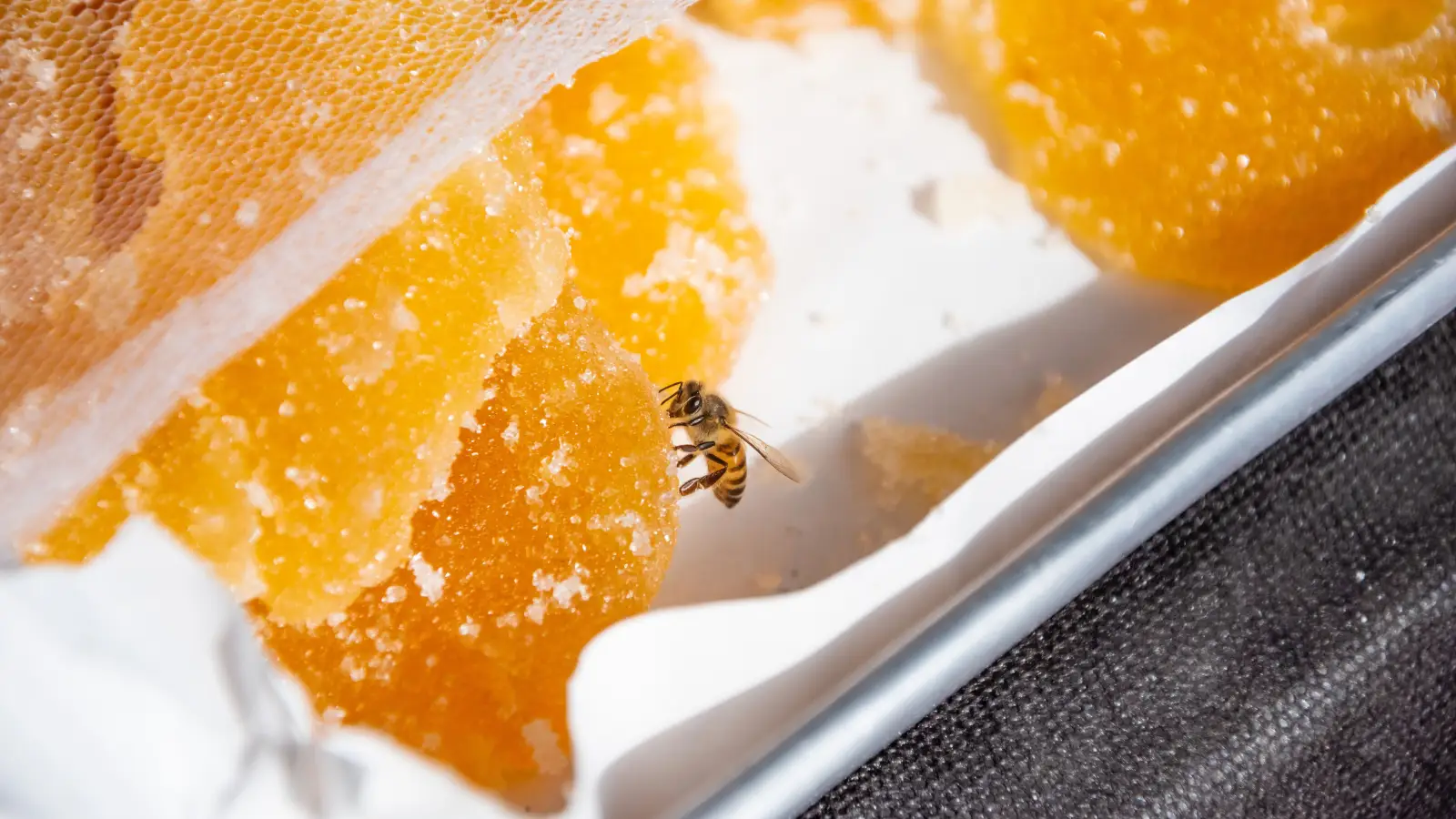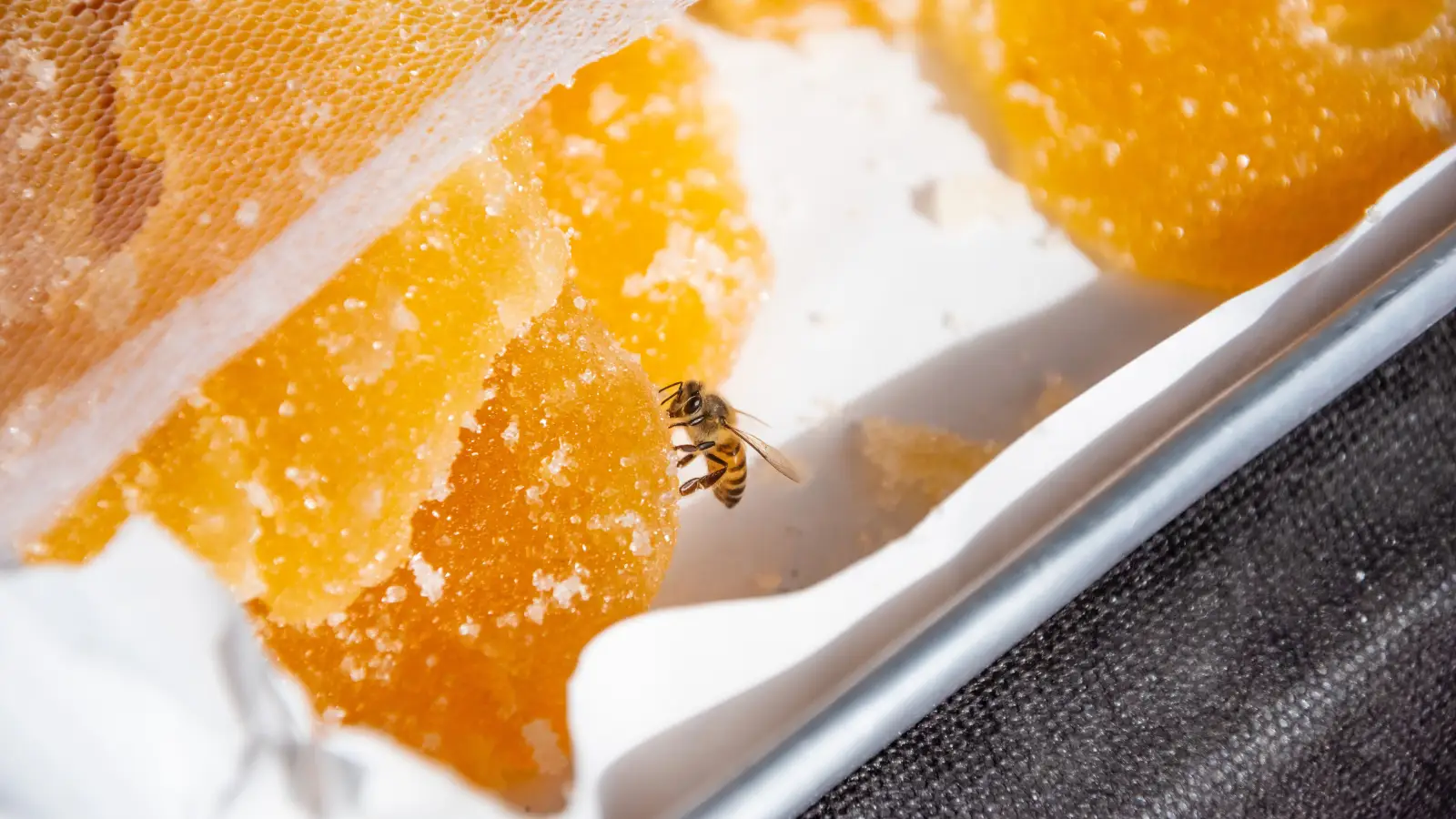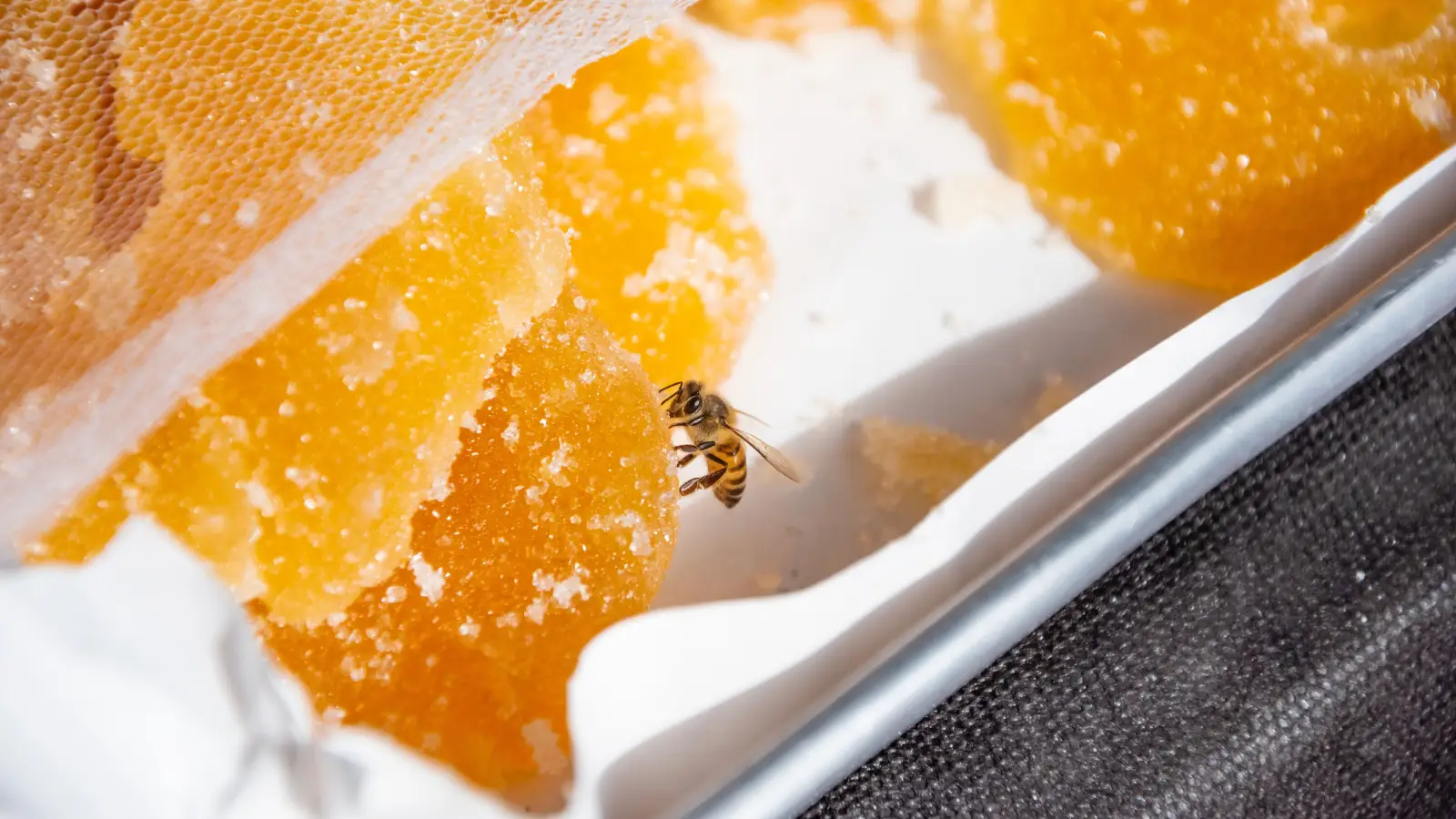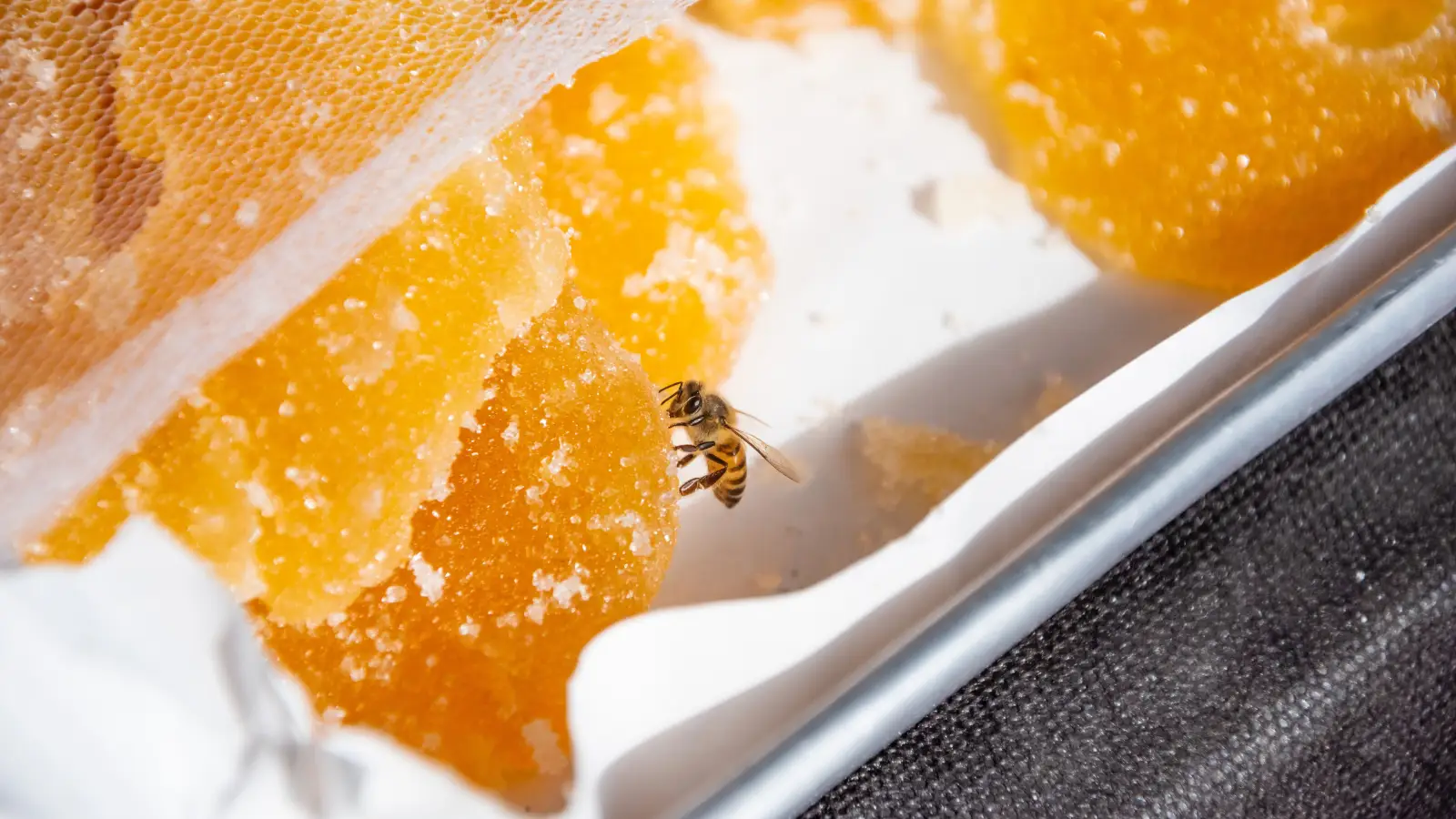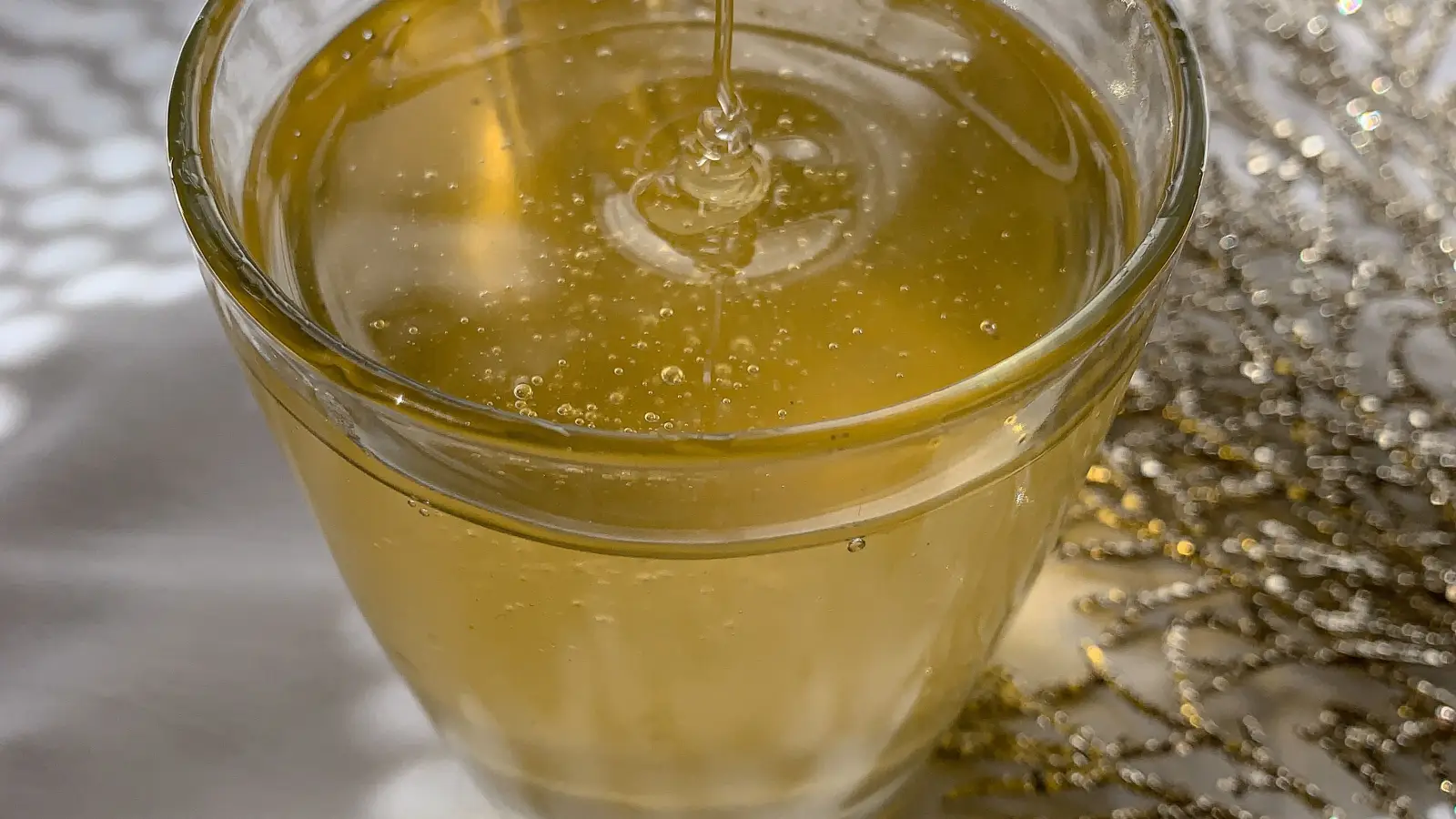
Crystallized honey is a gift hiding in your pantry. When that jar goes thick and grainy, it’s not a problem to fix—it’s an invitation to play with texture in ways liquid honey never could. The crystals are spreadable, they dissolve slowly, and they add a pleasant crunch or focused sweetness that turns everyday spreads, drinks, batters, and marinades into something worth talking about. Here are five ways to let that grain do the heavy lifting, no melting required.
Swirling Into Butter for a Spread That Crackles
Blending crystallized honey into softened butter creates a little surprise in every bite. The crystals hold their shape in the fat, giving a gentle crunch that liquid honey would smooth away into a plain sweet note. It’s a texture trick that turns a simple toast topping into something you’ll remember.
Mix 1 part grainy honey with 2 parts room-temperature unsalted butter. Use a fork and stop as soon as the honey streaks through—over-mixing dissolves the crystals and loses the magic. Spread it on warm bread or cornbread, where the contrast between soft crumb and sparkly sweetness shines brightest.
Giving Iced Drinks a Sweetness That Unfolds
Liquid honey sinks straight to the bottom of a cold glass, dumping all its sweetness on the first gulp. Crystallized honey does the opposite: it dissolves little by little, so the drink evolves from mild to perfectly sweet as you go. Every sip lands a bit differently, which makes a tall glass of iced tea feel like an experience rather than a routine.
Stir a tablespoon of grainy honey into iced tea, lemonade, or even a morning cold brew. Right away the drink stays fairly subtle; after a few minutes the honey melts enough to round out the edges. For a cocktail, muddle a spoonful with citrus and then shake with ice—the slow release adds a layered sweetness that you just can’t get from syrup.
Building a Marinade with a Crunchy Bark
Crystallized honey clings to meat and vegetables in a way thin, liquid honey can’t. When heat hits it, the crystals caramelize unevenly, creating a bark-like crust dotted with concentrated honey bursts. It’s the difference between a uniform glaze and a texture-rich, savory-sweet bite.
Whisk together 2 tablespoons grainy honey, 1 tablespoon soy sauce, a minced garlic clove, and a teaspoon of grated ginger. Coat chicken thighs or pork chops, let them sit 30 minutes, then grill or roast at 400°F. The honey won’t slide off; instead, it leaves a sticky, crunchy exterior. Roasted root vegetables love this treatment too—toss carrots or parsnips in the marinade and roast until deeply caramelized.
Folding Into Batter for Little Honey Jewels
Stirring crystallized honey into muffin, pancake, or quick bread batter at the last second leaves tiny pockets of honey that survive the oven. They become chewy, sweet bursts baked right into every slice—almost like hidden honey candy.
After you’ve combined your wet and dry ingredients, drop in 2 to 3 tablespoons of grainy honey and fold just twice. Any more and you’ll dissolve the crystals entirely; stop while you can still see pale streaks. Cornbread, bran muffins, and buttermilk pancakes are especially good canvases for these sweet surprises.
Sprinkling Directly Over Yogurt and Oatmeal
Sometimes the simplest move is the most rewarding. Spoon crystallized honey straight from the jar over a bowl of thick yogurt or steaming oatmeal. The crystals deliver a honeycomb-like crunch and a pop of concentrated sweetness without the sticky mess of a liquid drizzle. The flavor stays on top where you notice it, rather than sinking out of sight.
No ratios needed. Scatter a spoonful, then toss on some toasted nuts or granola for extra texture. It’s the kind of effortless upgrade that makes a quick breakfast feel like a small ceremony.
Matching the Grain to the Dish
Deciding when to reach for crystallized honey comes down to what kind of texture you’re after. Here’s how the choice plays out.
| Use | Texture Outcome | What Crystallized Honey Brings |
|---|---|---|
| Honey butter / cream cheese spread | Grainy, crunchy | Intact crystals that pop |
| Cold beverages | Slow-dissolve sweetness | Evolves from mild to sweet |
| Marinades and glazes | Crunchy bark, caramelized bits | Clings to food; uneven heat creates texture |
| Batters (muffins, pancakes) | Chewy honey pockets | Partially dissolved sweets baked in |
| Topping (yogurt, oatmeal) | Crunchy, concentrated flavor | Texture without stickiness |
When a recipe calls for a smooth, uniform taste—a delicate cake batter, a hot cup of tea where you want instant dissolution—liquid honey is still the right call. But whenever you want a surprise texture or a sweetness that takes its time, the grain wins.
FAQ
Is crystallized honey safe to eat?
Absolutely. Crystallization is a natural separation of glucose and water, not spoilage. Raw, unprocessed honeys tend to crystallize faster, and many beekeepers see those tiny grains as proof of a honey that’s alive and untreated.
Does crystallized honey taste different from liquid honey?
The flavor itself is unchanged, but the way it hits your tongue is different. The crystals concentrate the sweetness on your palate and can make floral notes feel a little brighter, because less water dilutes the experience.
How long does crystallized honey last?
Like all properly stored honey, crystallized honey stays good indefinitely. Just keep the jar tightly closed in a cool, dark place and always use a clean, dry spoon. Moisture is the only real risk—it can trigger fermentation.
Can I prevent crystallization without melting it?
Storing honey at warmer room temperatures (above 70°F) slows the process, but once those grains appear, gentle warmth is the only way to fully reverse them. If you want to keep some grainy honey on hand for these uses, simply set aside a small jar and leave the rest untouched.
The Crunch Worth Keeping
If you try only one thing from this list, dissolve a spoonful of crystallized honey into a cold drink. It takes an ordinary glass of iced tea or lemonade and turns it into a layered, shifting sweetness that feels like a tiny ritual. After that, stir the leftover crystals into butter—it’s the kind of small touch that makes a weekday breakfast feel like a quiet celebration.