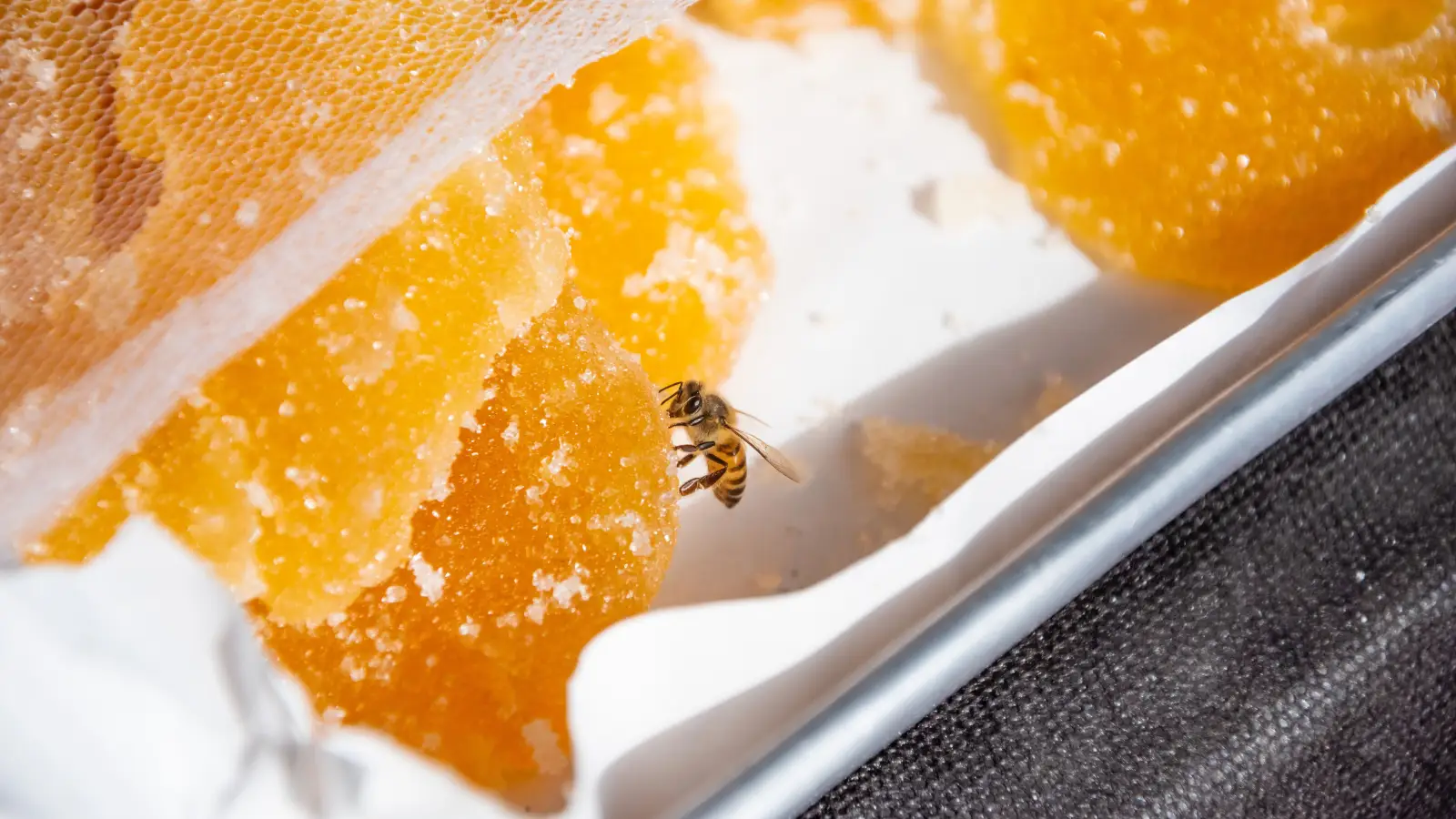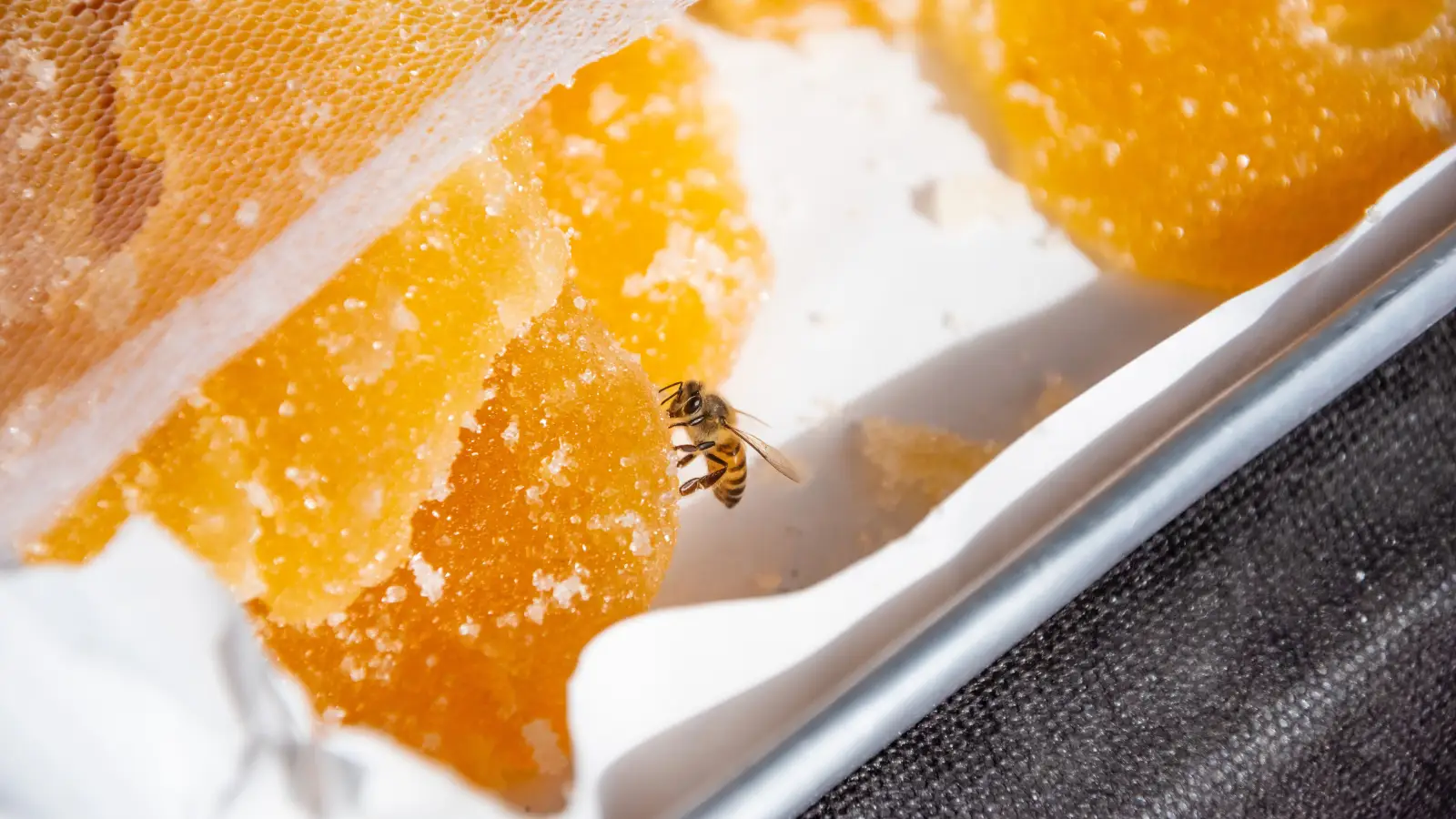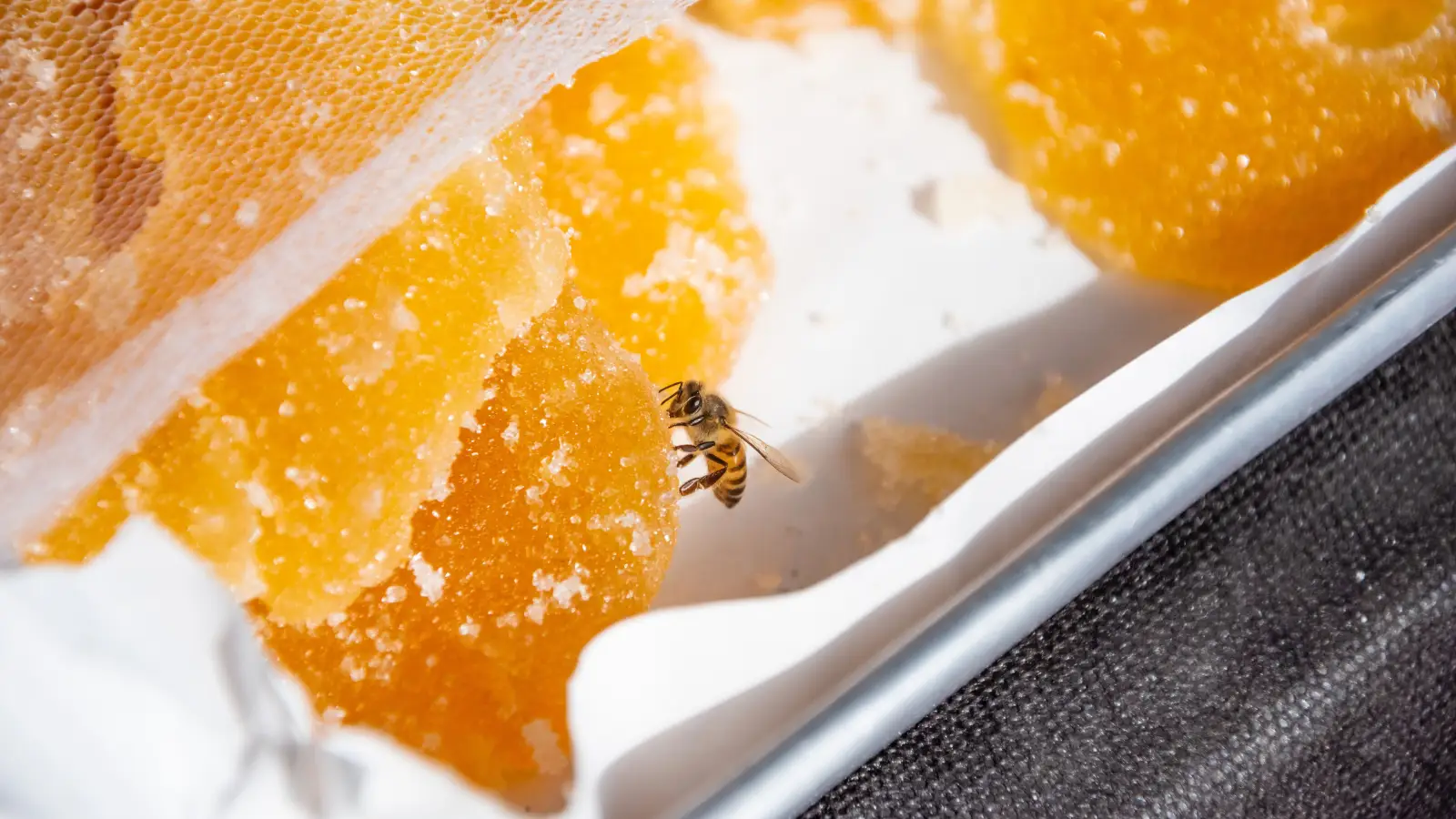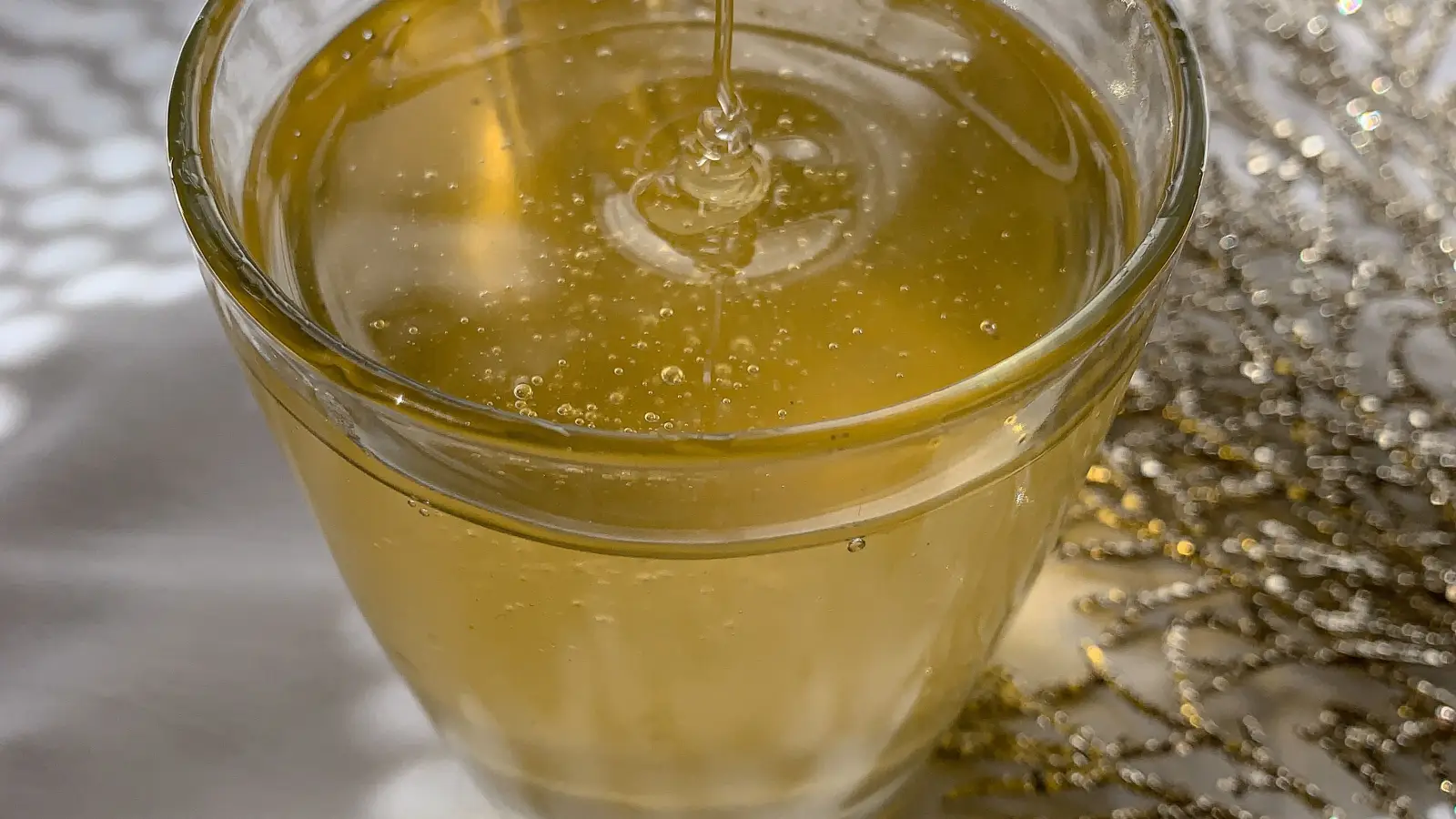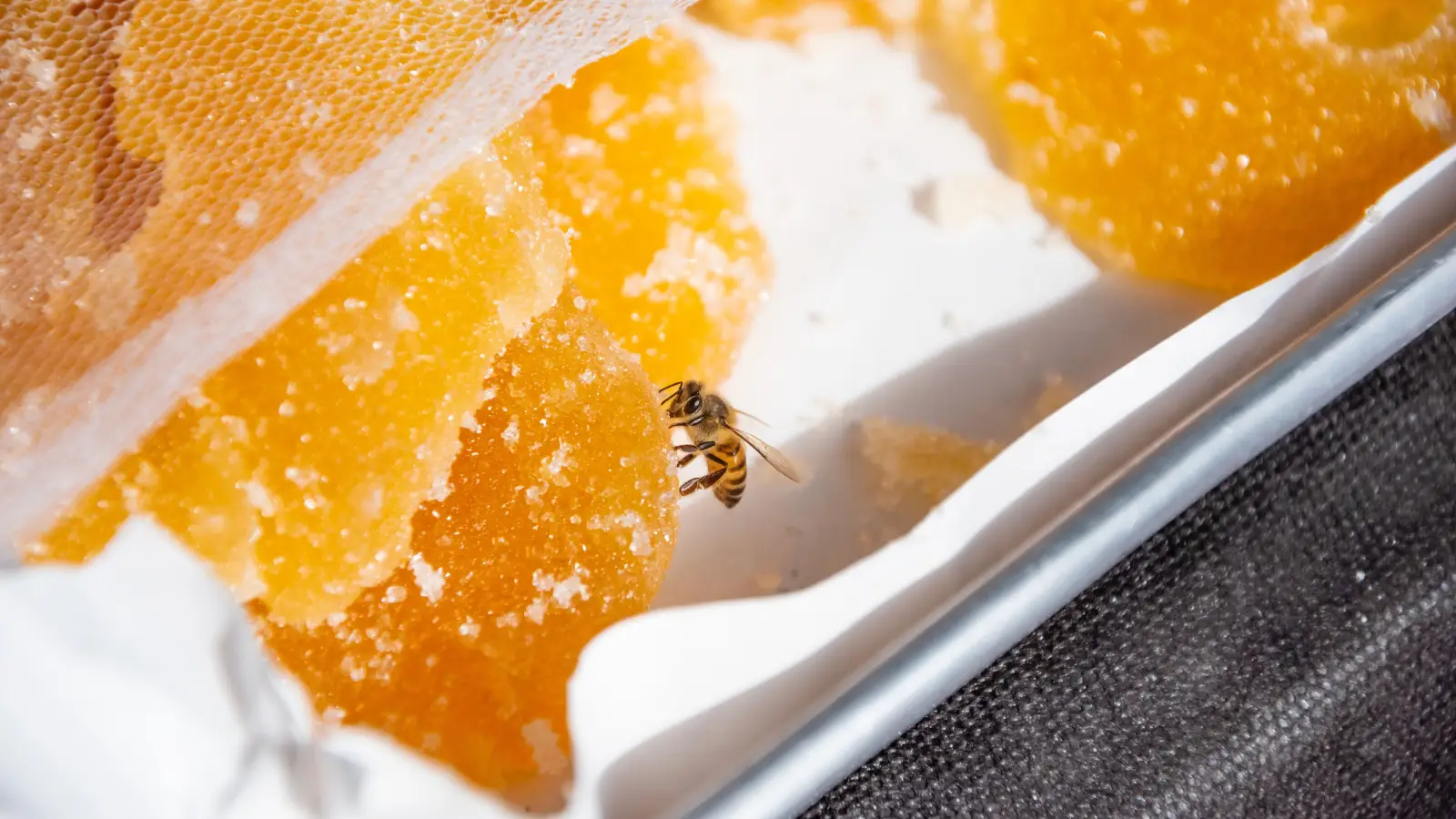
When you find your honey jar has turned grainy and thick, the first thing to know is that there is nothing wrong with it. The United States Department of Agriculture and the Food and Drug Administration both treat crystallization as a natural, harmless change—honey behaving exactly as it should. While that solid jar is completely safe for most people, it’s worth remembering that all honey, whether runny or set, carries the same small but serious infant botulism risk; this is a gentle reminder for parents, not something to worry about because the texture has changed.
Is crystallized honey safe to eat?
Yes, it is absolutely safe. The USDA describes granulation as an expected physical shift, not spoilage. As long as the jar has been sealed and kept dry, the FDA considers honey’s safety unchanged whether it’s liquid or solid.
Does crystallization mean honey has gone bad?
Not at all. Crystallization happens when natural glucose separates from the honey’s water and forms tiny crystals—this is especially common in pure, less-processed honey. Honey doesn’t really expire if moisture doesn’t get in; real spoilage only occurs if it ferments and develops an off, yeasty smell, and that has nothing to do with crystals forming.
Can crystallized honey make you sick?
For a healthy adult, no. The grainy texture might feel unusual in the mouth, but it’s not a sign of harmful bacteria. The only meaningful safety risk with any honey—crystallized or liquid—is infant botulism, which is rare but must be taken seriously for babies under a year old.
Is crystallized honey a sign of adulteration or poor quality?
Actually, the reverse is often true. Pure honey, especially varietals higher in glucose, crystallizes easily, while many adulterated blends stay liquid because of added syrups. A grainier, semi-solid jar can be a good indicator that you’re holding a genuine, minimally processed honey.
Are there any food safety risks specific to crystallized honey?
No, the act of crystallizing doesn’t create any new hazard. The main challenge is practical—hard crystals can make spooning or spreading difficult—but gentle warming returns honey to a liquid state without making it unsafe. Done correctly, that warming doesn’t produce any harmful chemicals.
Is crystallized honey safe for babies?
No. Crystallized honey is not safe for babies, and neither is liquid honey. Honey can contain Clostridium botulinum spores, which an infant’s immature gut cannot defend against, possibly leading to botulism. The CDC, AAP, and FDA are clear that all forms of honey should be kept away from children under 12 months, regardless of consistency.
How can you tell if honey—crystallized or liquid—has actually spoiled?
Real spoilage is rare, but you can check for a fermented, alcoholic smell, a sour taste, visible mold, or foamy bubbles on the surface. Those are signs of moisture contamination and yeast activity. Crystallization, even if the crystals are large and crunchy, is not a warning sign on its own.
Does heating crystallized honey to liquefy it affect its safety?
Gentle heat is fine—it simply melts the crystals. Overheating (boiling or prolonged high temperatures) can diminish some delicate enzymes and antioxidants, but it doesn’t make the honey harmful. A warm water bath kept below 110°F (43°C) is the kindest way to restore the liquid texture without damaging what gives the honey its character.
Does crystallized honey lose nutritional value or develop harmful compounds?
No. Crystallization is a purely physical rearrangement of glucose molecules; the honey’s sugars, pollen, enzymes, and minerals stay unchanged. There’s no chemical reaction that strips nutrients or introduces anything dangerous.
How should you store honey to keep it from crystallizing?
Keep honey in a tightly closed container at room temperature, around 70°F (21°C), away from direct light and in a dry pantry. Refrigerating speeds crystallization, so avoid the cold. If it does set, a gentle warm-water bath makes it liquid again; freezing can delay the change but often leaves the honey thick and difficult to pour.
A few more things to know about keeping honey safe and enjoyable
If you’d like to see exactly how to warm crystallized honey without losing its beneficial qualities, our guide on decrystallizing methods walks through each step. And for a fuller look at infant botulism and what other kitchen staples share the same precaution, see our article on foods to avoid for babies under one.