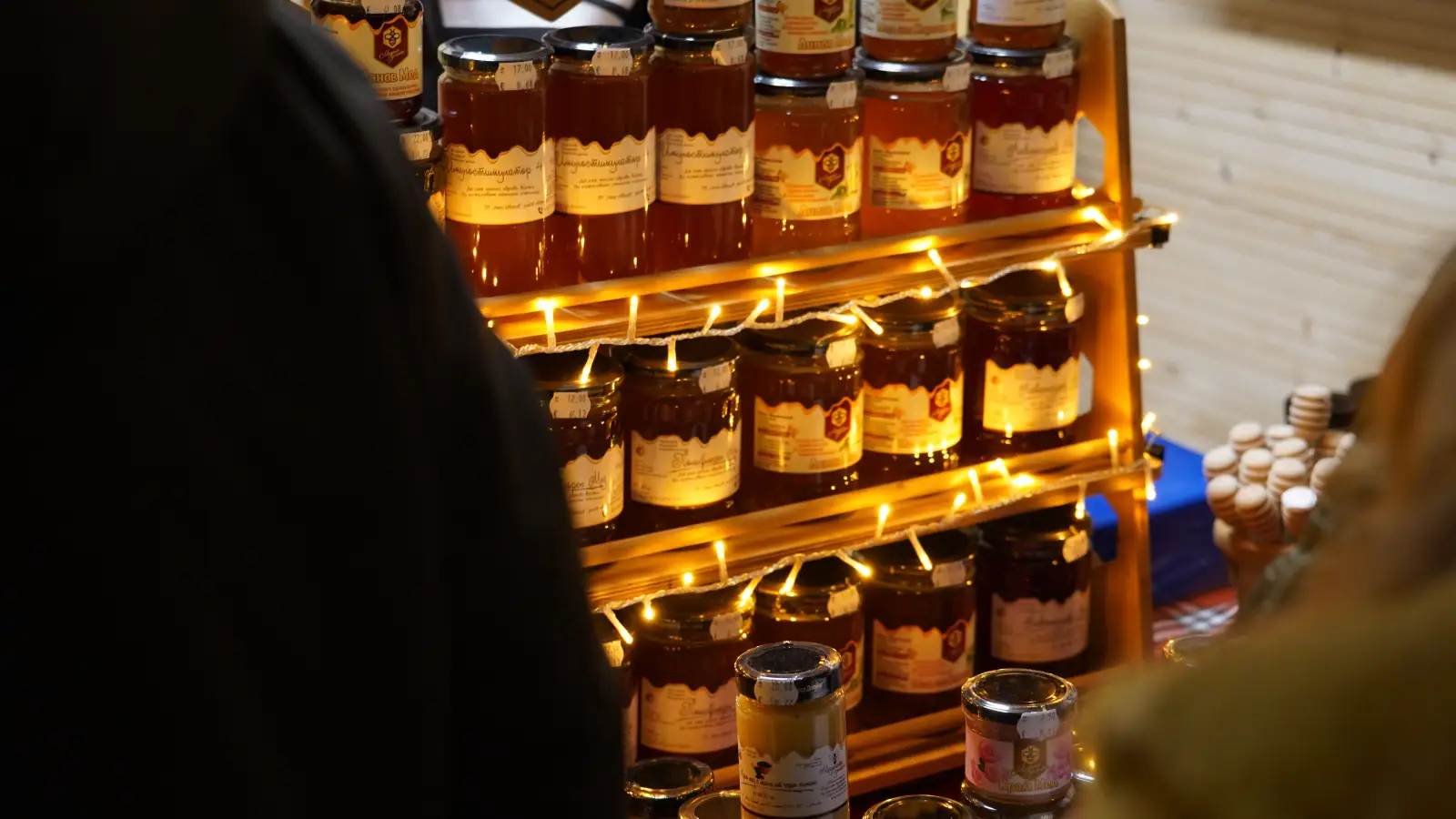
How Food Scientists Store Honey: The Shelf-Stability Rules
Honey storage is about chemistry, not tradition. Learn the moisture, temperature, and container rules that food scientists use to keep honey stable for years.
Best practices for storage, preventing fermentation, and maximizing shelf life without losing quality.
Honey storage is about chemistry, not tradition. Learn the moisture, temperature, and container rules that food scientists use to keep honey stable for years.
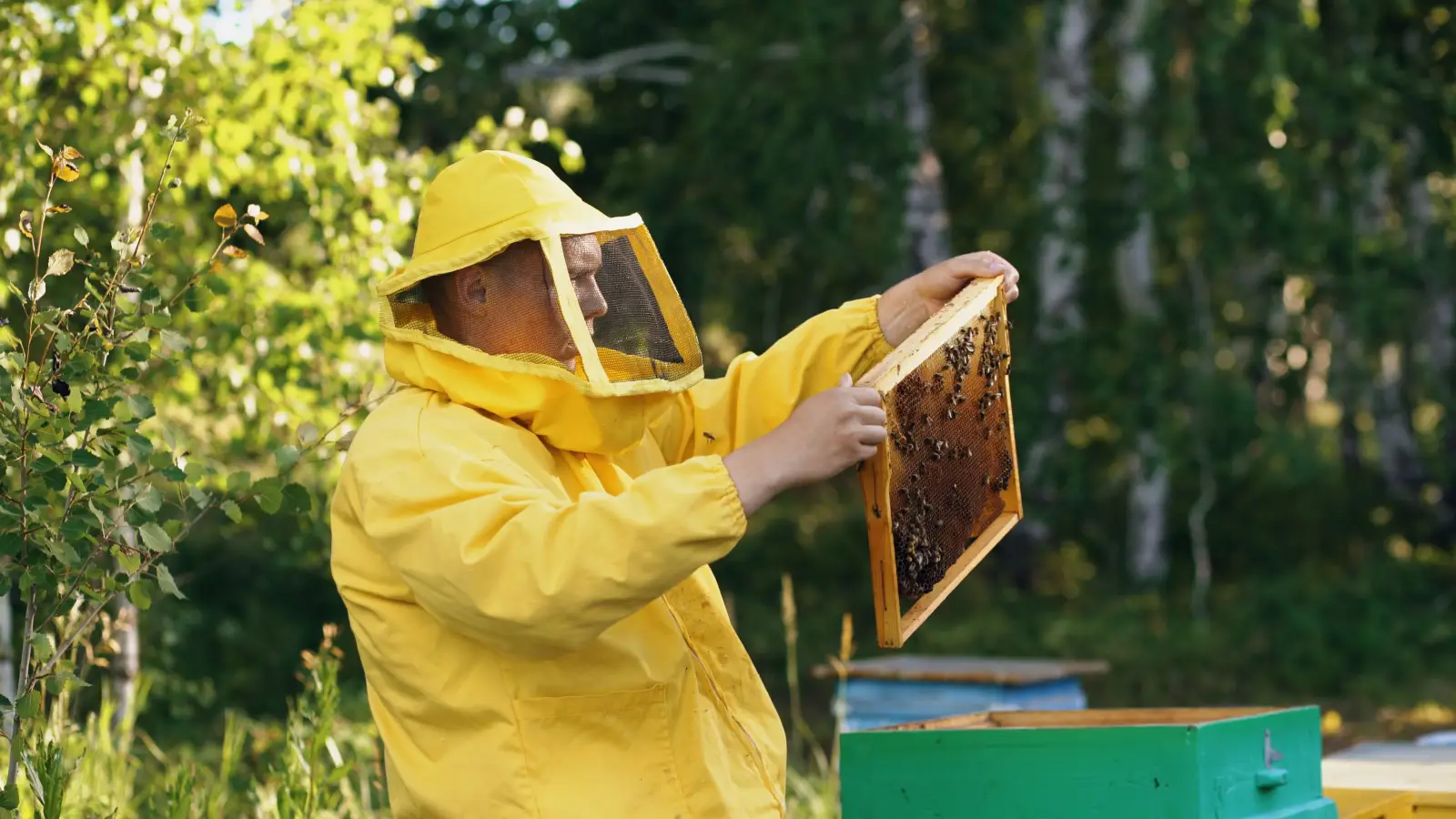
Discover why beekeepers prioritize container seals over cupboards—and the airtight jar, bucket, and tank options that prevent fermentation so your honey lasts indefinitely.
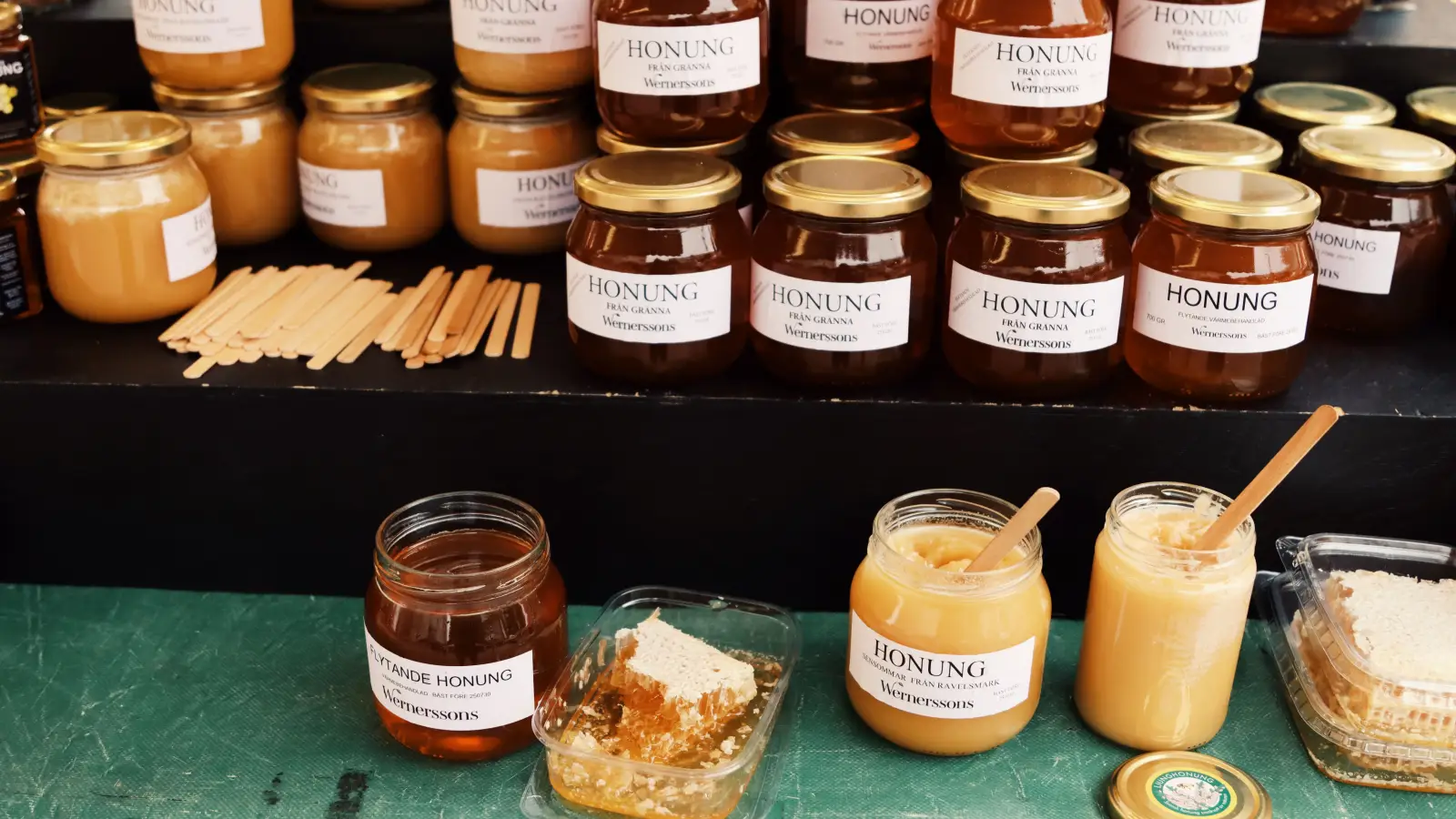
Even food-grade plastic can absorb and transfer odors that dull honey's taste. Learn why glass keeps honey's original flavor intact and how to spot container problems.
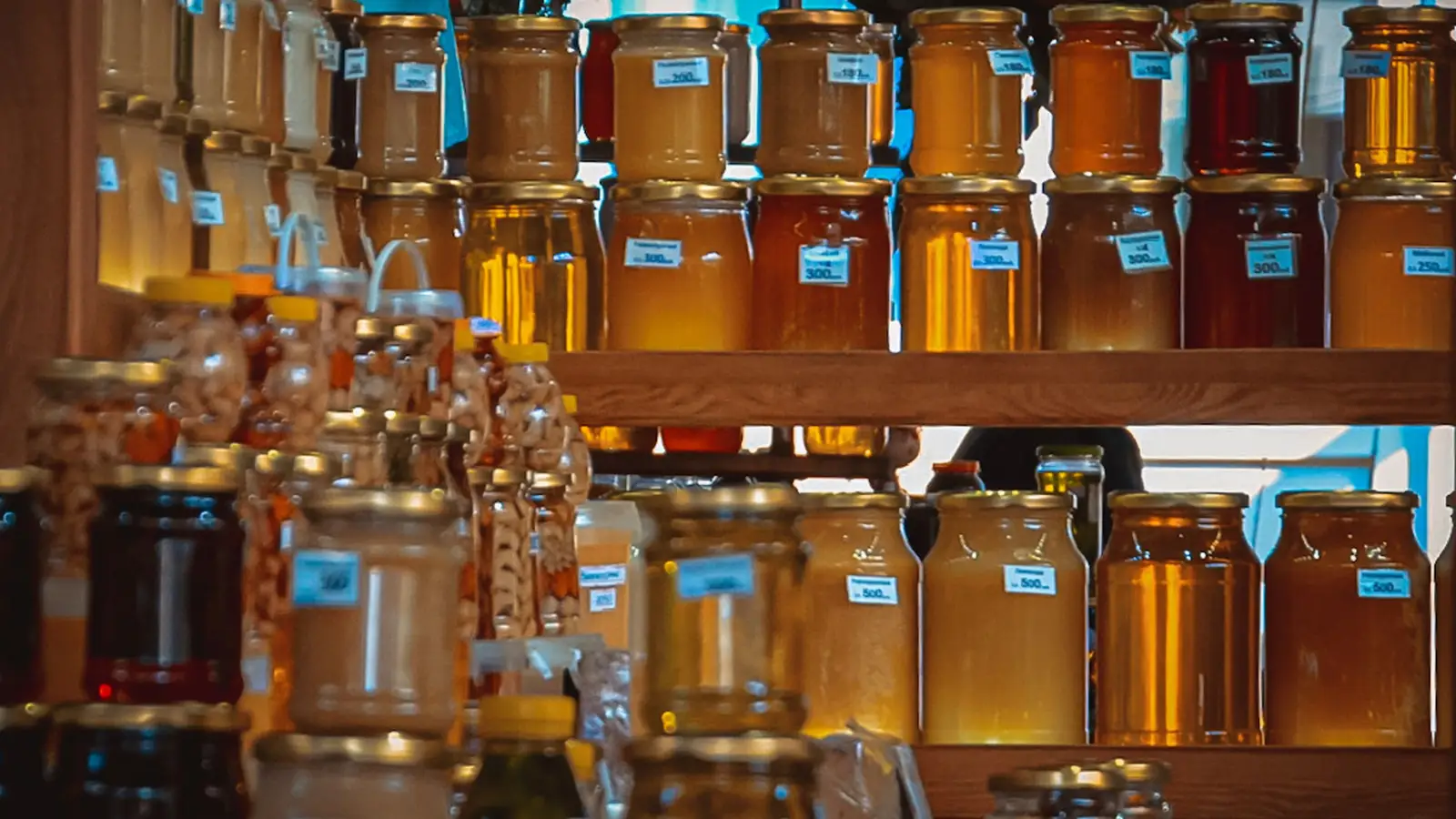
Refrigerating honey can ruin texture, speed up crystallization, and add zero benefit for daily use. See how fridge vs pantry compare for long-term storage, varietal flavor, and workability.
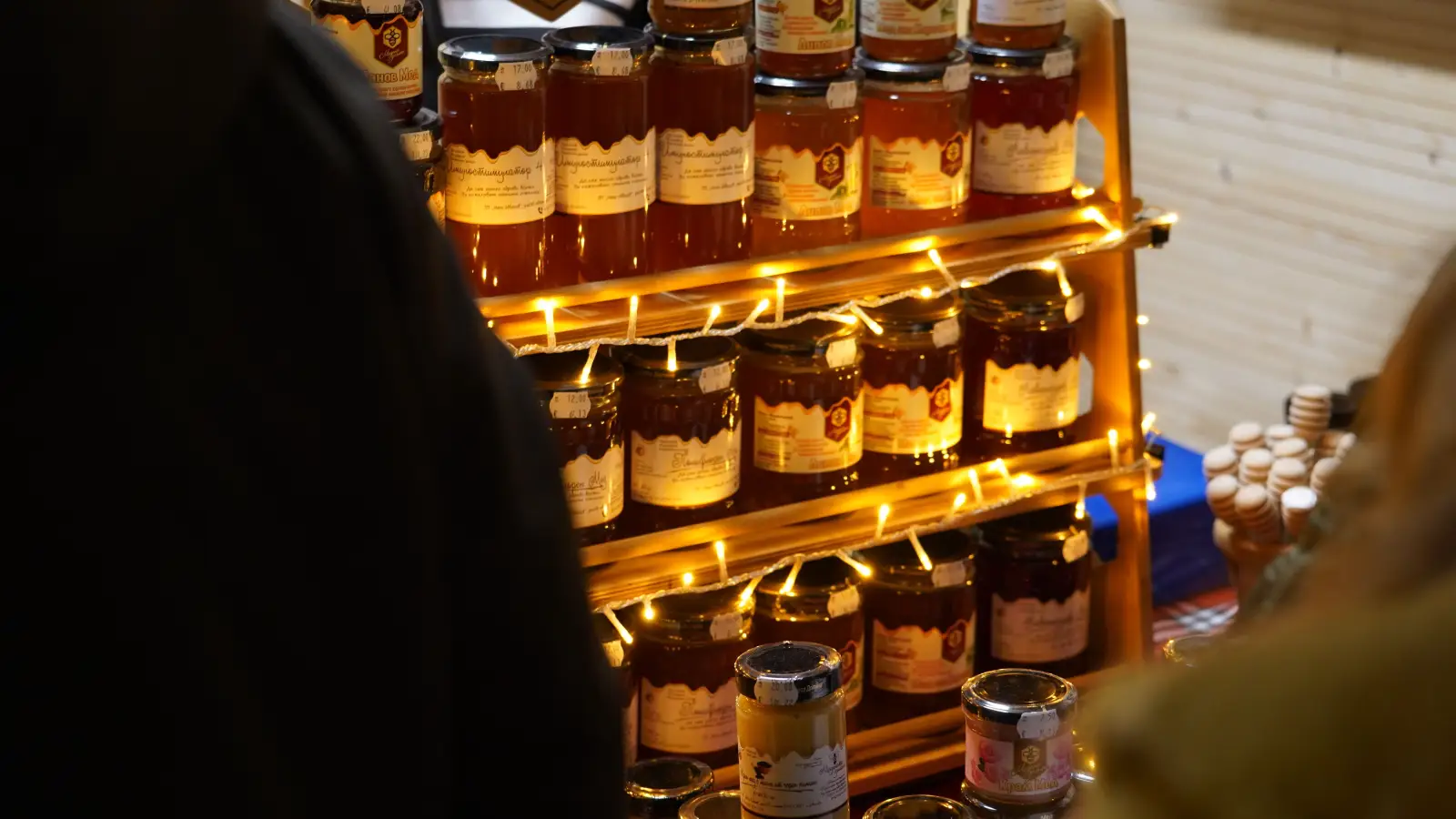
Heat, light, plastic containers, and harsh liquefying methods quietly destroy honey’s antioxidants. A simple storage checklist keeps them intact.
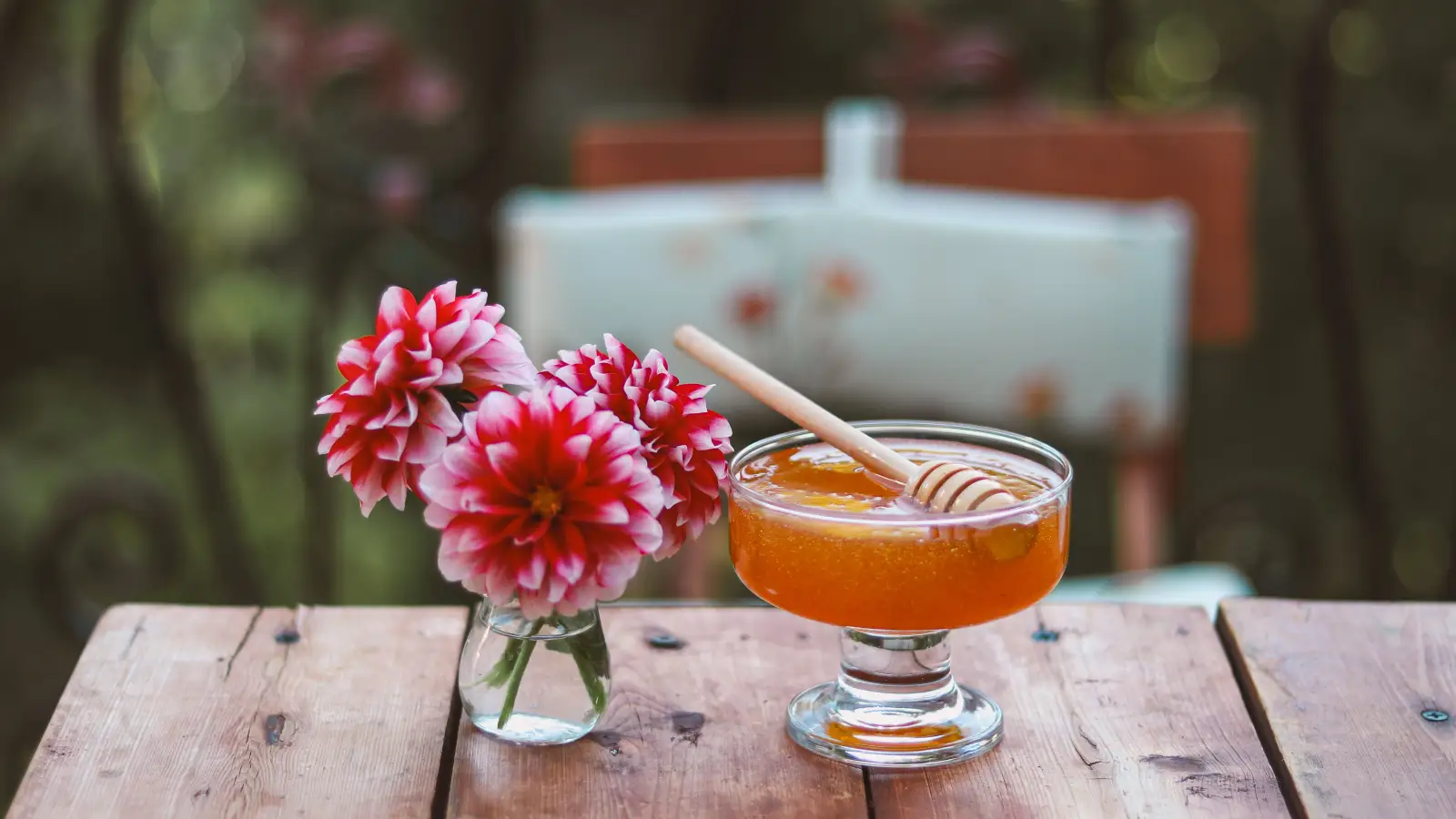
Your wildflower honey turned solid? That’s glucose crystallizing naturally, not spoilage. Learn the gentle, enzyme-safe way to reliquefy it—no microwave, no boiling water.
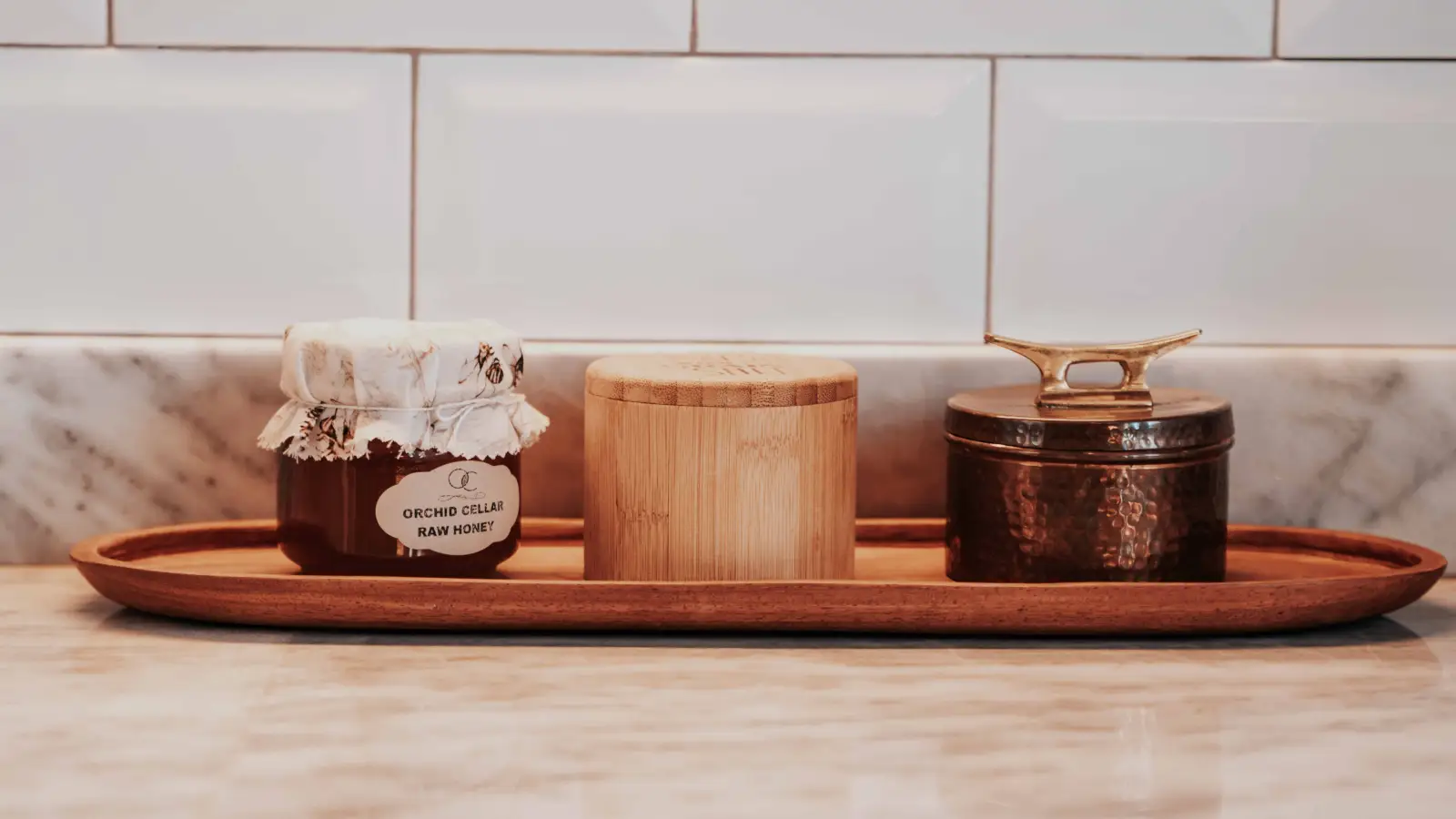
Off flavors in honey—metallic, plastic, musty—usually come from the container. Match the taste to the cause and rescue your batch with these fast fixes.
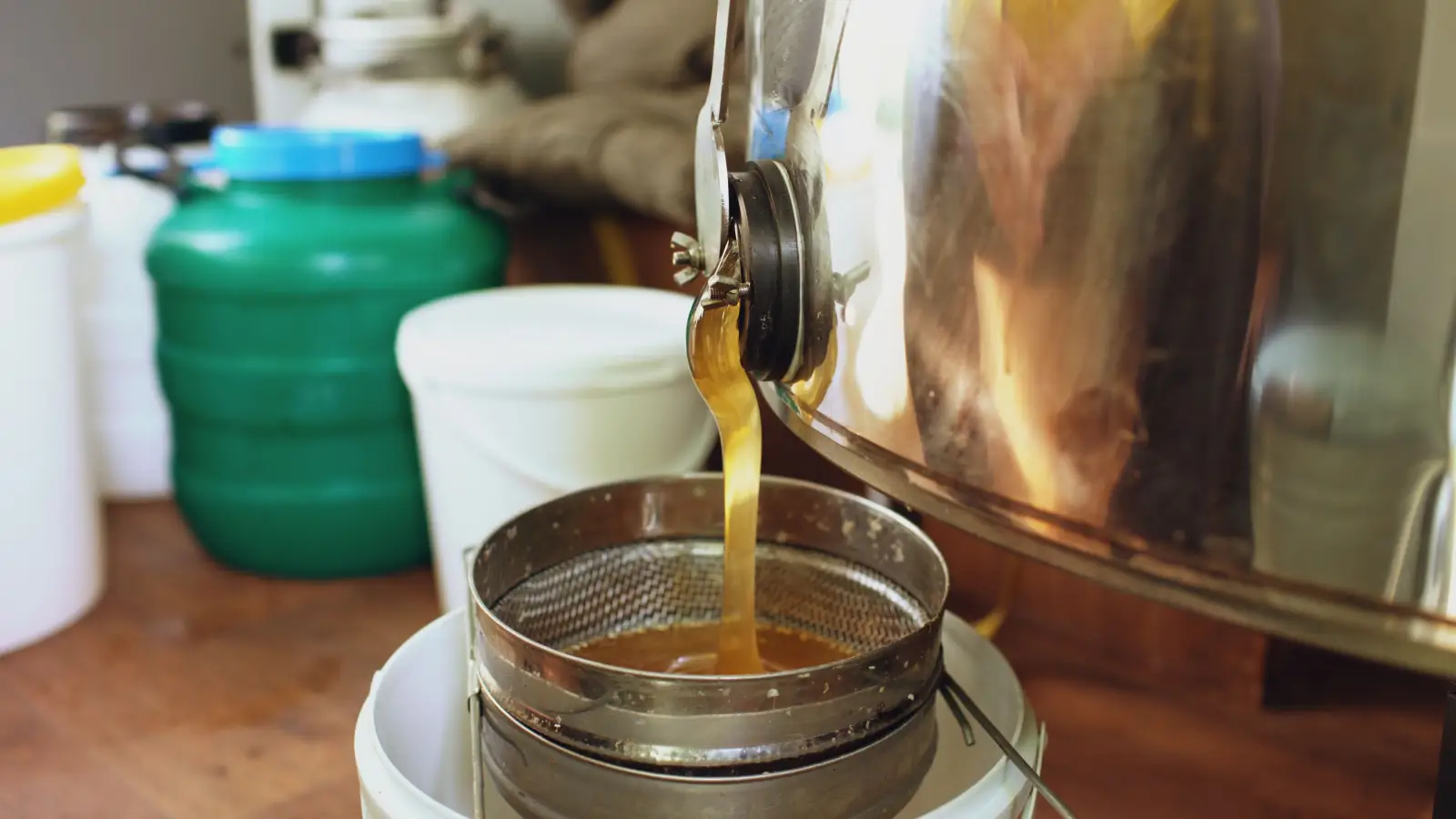
Stop grainy honey with an airtight container, stable pantry spot, and gentle warm-water method. Keeps honey pourable a full year without ruining flavor or enzymes.
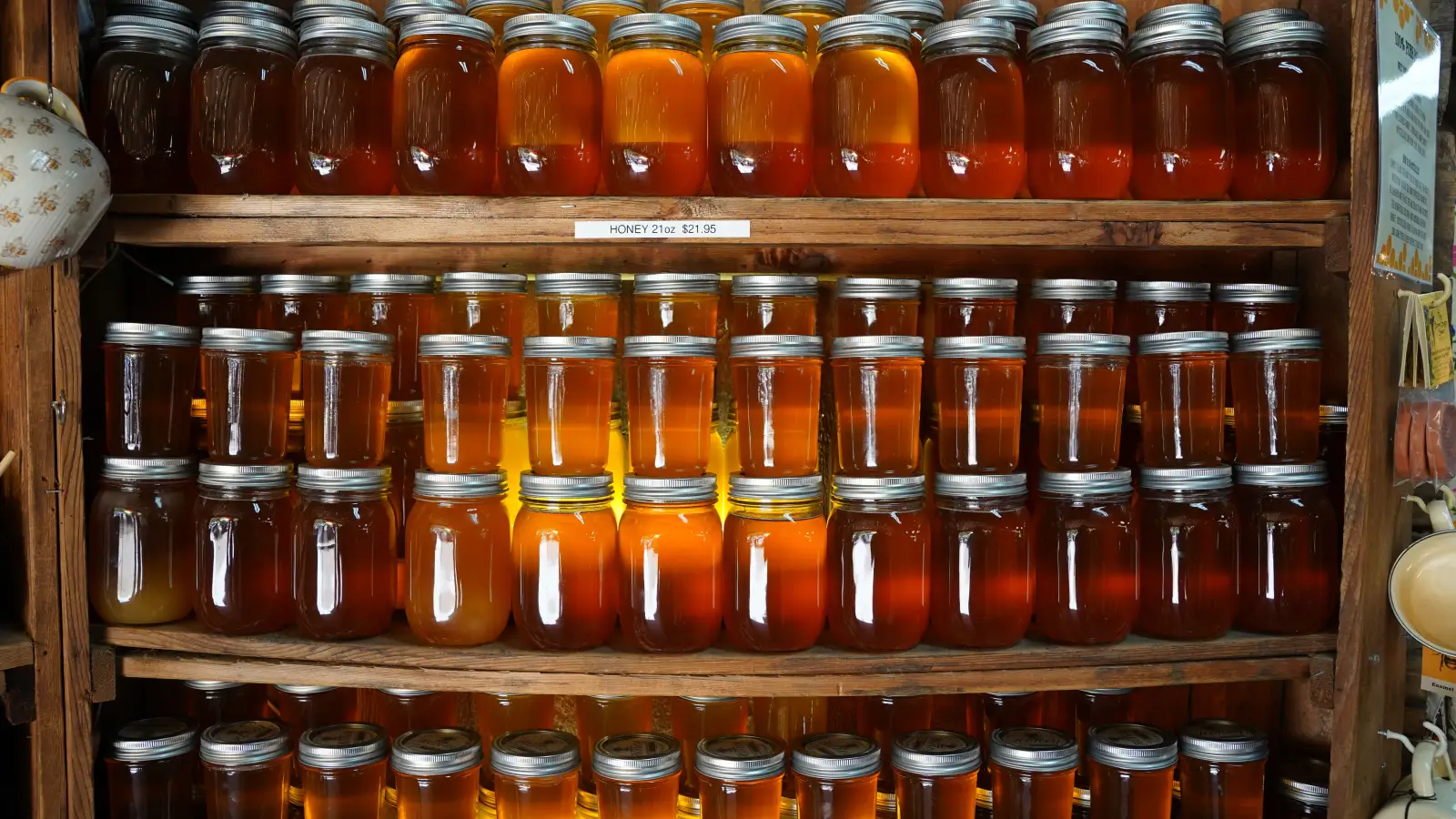
Stop guessing “off” smells. This 6‑step safety checklist uses vinegar odor, fizz, crystal patterns, and pH to give you a firm keep‑or‑toss verdict on stored honey.
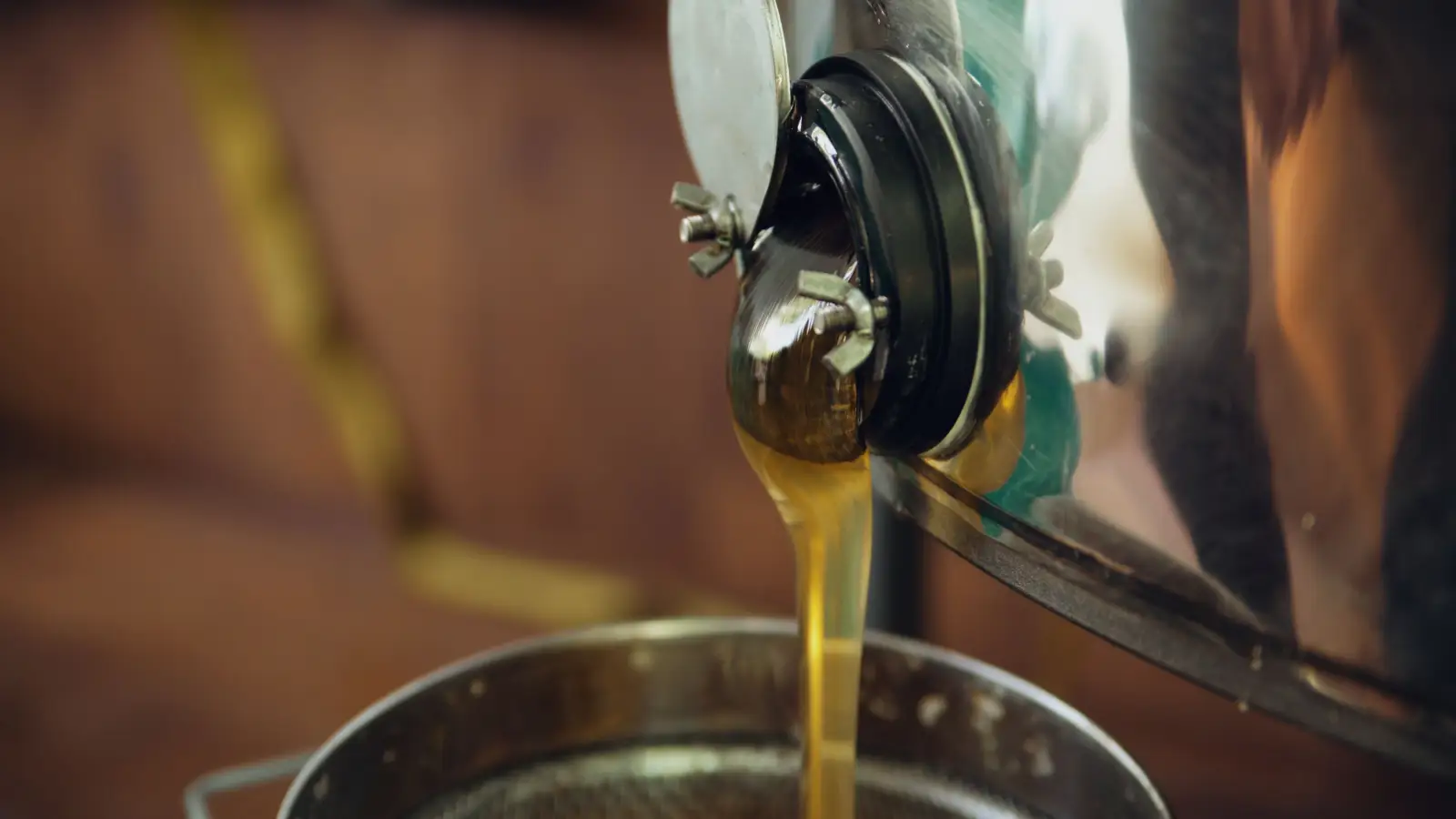
Learn the moisture threshold and storage conditions that cause honey fermentation, plus a complete prevention system to keep your honey shelf-stable for years.