When beekeepers want honey to stay perfect for years, they reach for containers with an airtight seal—glass jars with two-piece lids, food-grade plastic buckets with gaskets, or stainless steel tanks. A tight seal keeps moisture out and fermentation away, something no dark cupboard can accomplish on its own.
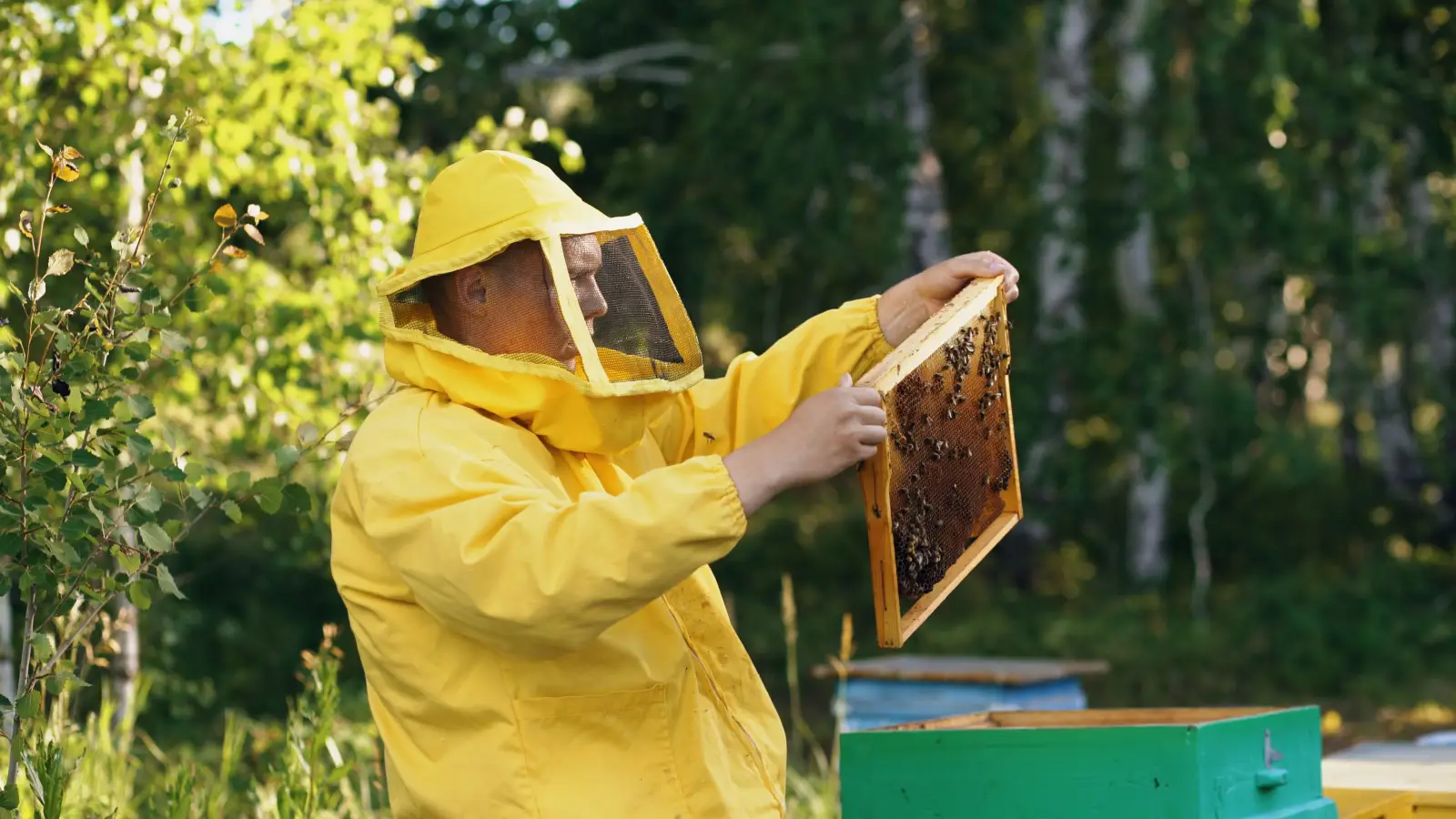
Kitchen advice tends to focus on a cool, dark pantry, but anyone who has tended hives knows that a faulty lid will spoil honey faster than a sunlit shelf. Beekeepers around the world treat the container’s seal as the number one rule, and every other decision—material, headspace, temperature—supports that single priority.
The Moisture Benchmark: Why Beekeepers Won’t Fill an Untested Honey
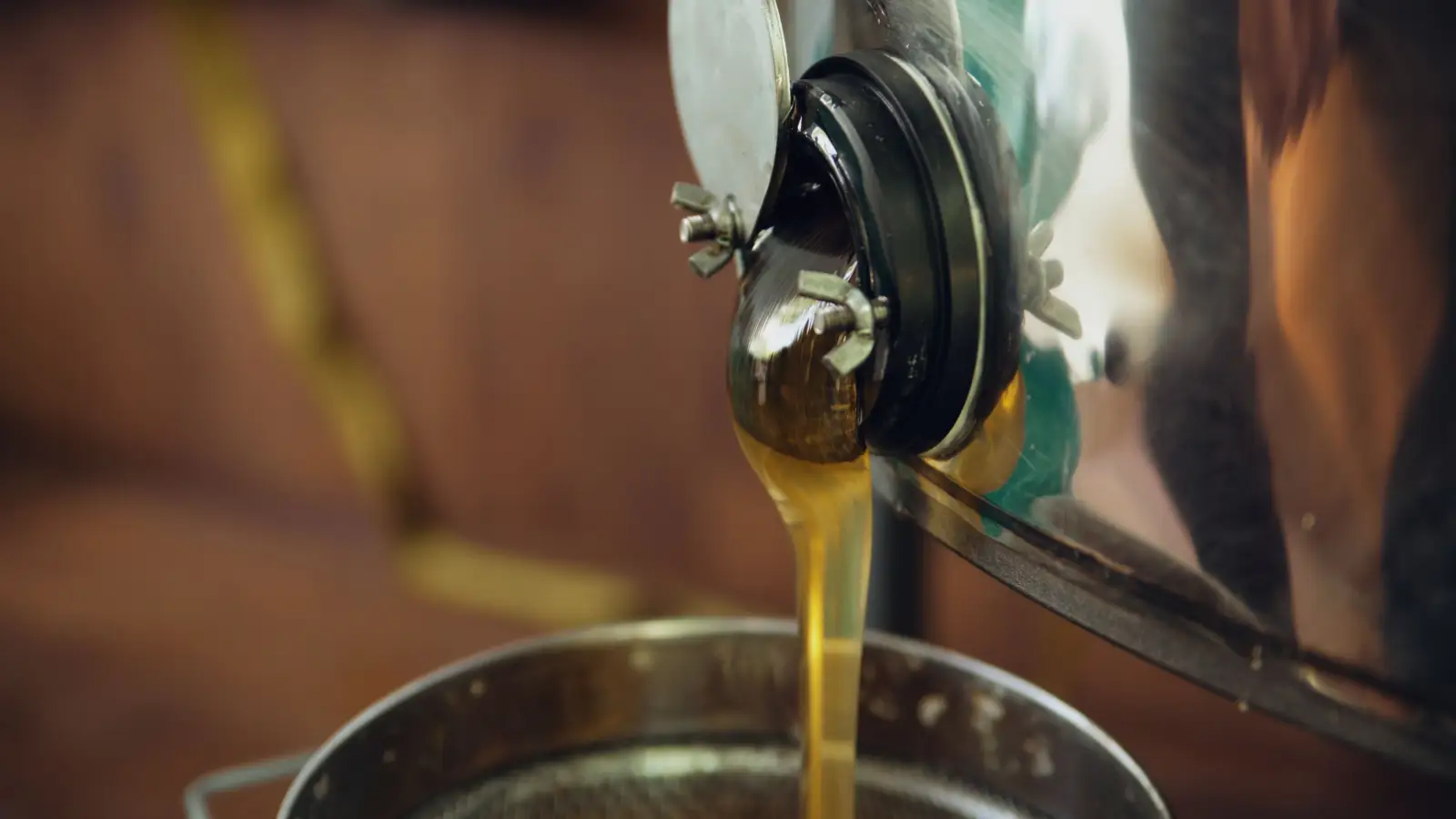
A beekeeper’s refractometer is just as important as their extractor. Before even thinking about containers, they measure the moisture content. Honey must read below 18.6%—if it’s higher, it will ferment no matter how perfect the seal. This simple test, passed down and refined in honey houses everywhere, saves gallons of honey from spoilage. Clean, dry containers matter just as much; any leftover residue or moisture inside invites trouble. Straining out wax particles and debris is a final prerequisite that every careful beekeeper treats as non-negotiable.
How Beekeepers Choose and Seal Honey Containers
Step 1: Glass, Plastic, or Steel—Picking a Material That Locks Out Moisture
Beekeepers trust materials that can form a true airtight seal. Glass canning jars with two-piece lids are a favorite because the sealing compound creates a reliable barrier that can be checked and reused. Food-grade HDPE plastic buckets with gasketed lids (gamma seal or screw-on types) handle larger batches with the same moisture-proof philosophy. Stainless steel honey tanks serve those with bulk harvests, offering a clean, flavor-neutral surface. What they all avoid are decorative bottles with cork stoppers, ceramic jars with loose-fitting lids, or thin plastic containers that rely on a flimsy snap closure—these breathe, and breathed honey ferments, a heartbreak that’s easy to prevent.
Step 2: Minimal Headspace Keeps the Air (and Humidity) to a Trickle
Fill the container to about a quarter inch below the rim. Less air means less humidity inside, and that means fewer opportunities for moisture to be absorbed as temperatures rise and fall. Beekeepers have learned this from hard-won experience: a jar with too much headspace often develops a thin, watery layer near the surface that eventually sours. But don’t overfill—honey touching the lid can break the seal and create a sticky surface that attracts pests. A clean, narrow air gap is the sweet spot.
Step 3: Airtight Application—Lids That Click, Clamp, or Screw Down Tight
For two-piece canning lids, tighten the screw band so it’s finger-tip snug after filling. For gamma seal lids, snap the ring securely around the bucket and press the top down until you feel the gasket seat; a rubber mallet tapped around the edge often does the job for standard bucket lids. After 24 hours, press the center of the lid. If it’s firm and doesn’t flex, the seal is doing its job. A lid that gives under pressure signals air still slipping through, and that’s a sign to reseal immediately.
Step 4: The Climate Inside the Container—Where Temperature and Darkness Rule
Place the sealed container in a consistently cool, dry, dark spot. A pantry that stays between 50°F and 70°F (10°C–21°C) works beautifully. Keep honey out of the refrigerator—the damp chill leads to condensation every time the door opens, and that moisture inside a jar can quickly start fermentation. Even a cupboard above the stove, with its heat spikes and falls, can force tiny air exchanges through a less-than-perfect seal. Stability is a beekeeper’s friend.
Step 5: Fermentation Watch: The Early Signs Beekeepers Check For
No seal is absolutely eternal, so beekeepers check on stored honey every so often. A quiet look for tiny, slow-rising bubbles or a yeasty, sour scent when the lid is opened can catch the start of fermentation. Spotted early, the batch may still be saved by gentle warming and quick use. The lesson isn’t that honey fails—it’s that a few moments of attention now and then protect months of work and care.
Avoiding the Container Pitfalls That Lead to Fermented Honey
Beautiful but Leaky—Decorative Jars and Cork Stoppers
Cork, wood, and slip-on glass lids may look lovely, but they let air and moisture slip in constantly. A corked jar in a humid kitchen can pull in enough water to start fermentation within weeks. Beekeepers may enjoy a pretty bottle for immediate use, but for storage lasting more than a handful of days, only compression seals or threaded lids are truly safe.
The Fridge Habit That Introduces Condensation
Chilling honey seems sensible, yet refrigerators are damp places. Taking a cold jar out into warm air makes condensation bead on the inner rim and drip back into the honey, thinning the surface just enough to invite yeast. Seasoned beekeepers keep opened honey on a pantry shelf and always tighten the lid after every use.
One-Too-Many Uses for Commercial Squeeze Bottles
Thin squeeze bottles from the grocery store may be food-safe, but their snap-on lids warp after the first opening and rarely form a true airtight seal again. The plastic itself is rarely the problem—the lid’s lost integrity is. Beekeepers who bottle their own honey never reuse these containers; they transfer honey into jars with fresh two-piece lids or new gasketed buckets, so there’s never a question.
Bottling Honey While It’s Still Too Warm
Filling a room-temperature jar with honey that’s still warm from the extractor (often over 100°F) creates condensation as the honey cools. Those tiny droplets trapped inside can raise surface moisture just enough to kick off fermentation. A simple fix that beekeepers follow: let the honey cool to room temperature, or gently warm the jars beforehand, so everything is even when the lid goes on.
Beyond the Kitchen Jar: Bulk Storage Containers Beekeepers Trust
When the harvest is measured in gallons, glass jars become impractical. Beekeepers turn to food-grade HDPE buckets with gamma seal lids—the same type used for long-term food storage. The thick gasket creates a barrier that keeps moisture out even when the bucket is opened repeatedly throughout the year. Larger operations may use stainless steel honey tanks with airtight lids, which add the benefit of zero flavor transfer and simple cleaning. In every case, the philosophy stands: the container’s seal is what protects the honey, far more than where it sits.
Quick Answers to the Most Common Honey Storage Questions
Can honey be stored in plastic containers?
Yes, as long as the plastic is food-grade HDPE (recycle code 2) or polypropylene and the lid forms a genuine airtight seal. Beekeepers routinely use these materials for both short-term and long-term storage. Stay away from plastics not rated for food contact, and skip containers with thin, warped lids.
How long does honey last in a properly sealed container?
Indefinitely. Archaeologists have tasted honey from jars sealed thousands of years ago and found it still perfectly edible. The secret is always the seal—any moisture that leaks in will eventually fuel fermentation. A truly airtight container makes the difference between a timeless sweetener and a spoiled jar.
Does the type of lid really matter for long-term storage?
Absolutely. Beekeepers favor two-piece canning lids because the rubbery sealing compound creates a robust, reusable barrier. One-piece metal or plastic lids with thin foam or cardboard liners degrade over time and can allow microscopic amounts of air through, especially as temperatures fluctuate.
Why does honey crystallize even in a sealed jar?
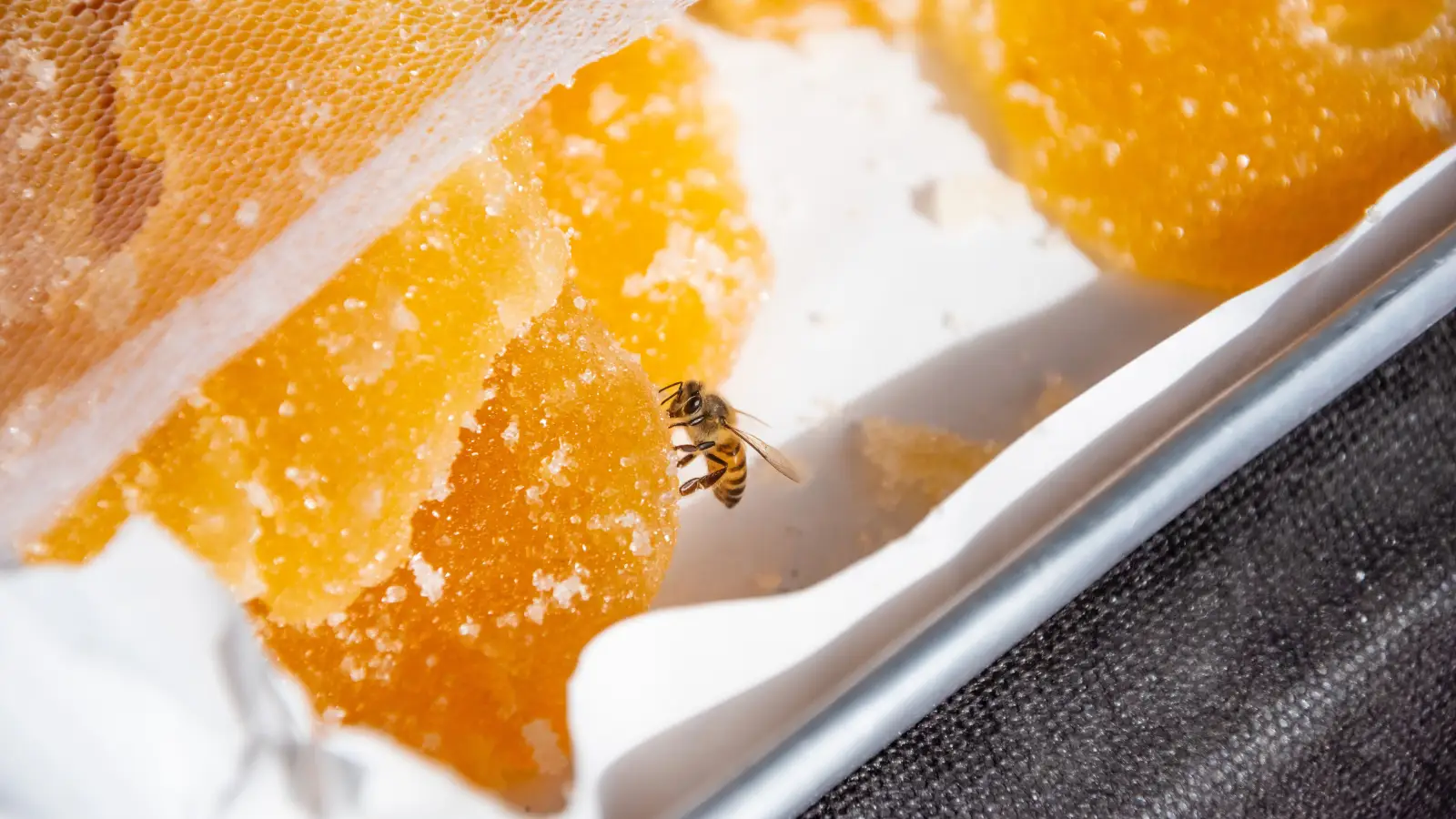
Crystallization is a natural change, driven by the blend of glucose and fructose and the tiny particles found in raw honey. It has nothing to do with the seal and doesn’t signal spoilage. Beekeepers often warm crystallized honey gently to reliquify it, always keeping the jar sealed during warming so no outside moisture enters.
A well-sealed container is a promise to your honey—it will stay just as it was when it left the hive. The next time a jar sits in the pantry, check the lid for any sign of weakness, and if there’s doubt, move it into a container a beekeeper would trust. Then open a properly sealed jar and taste the difference that care makes.