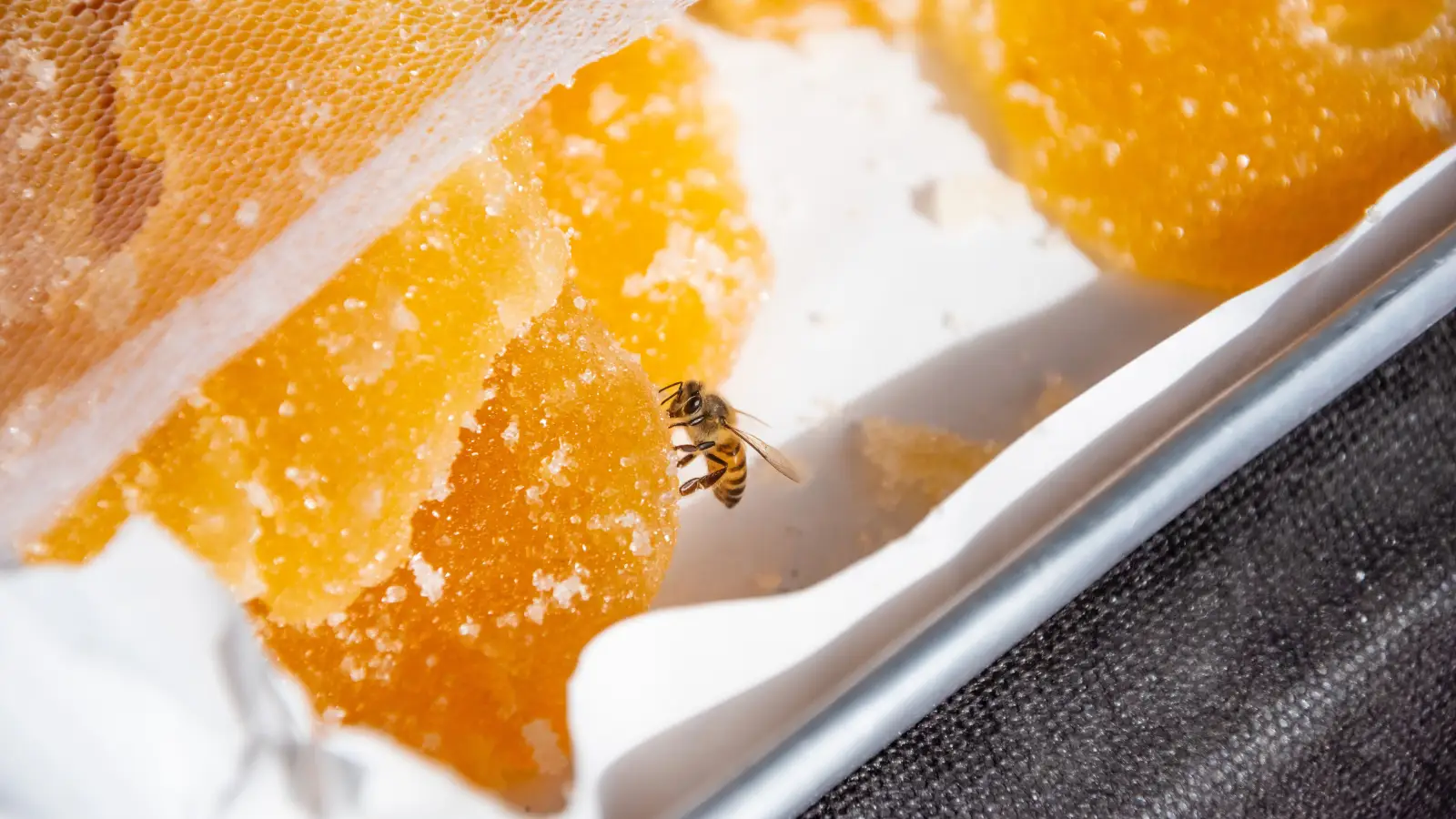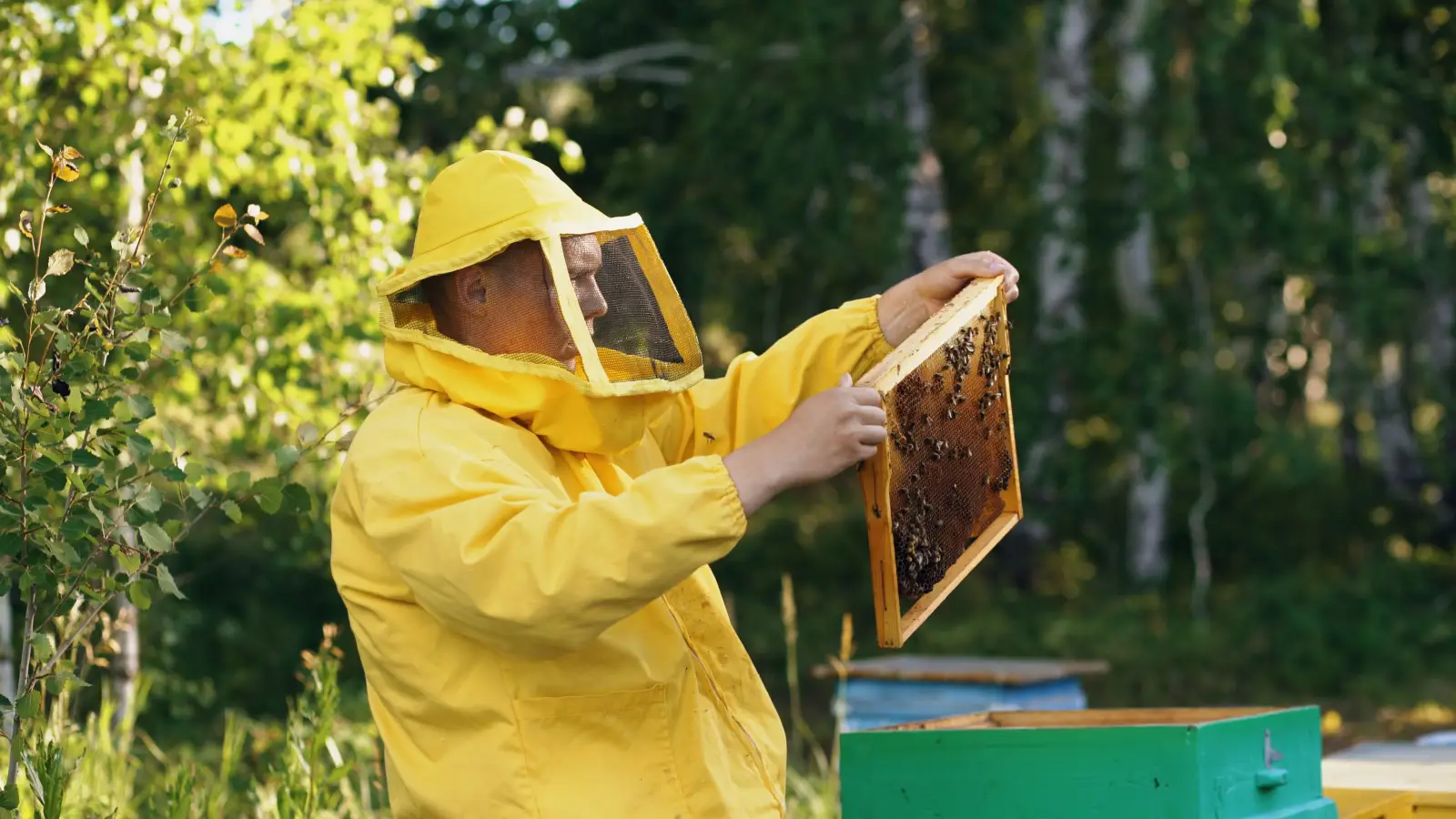
The hazard inside a jar of honey is not spoilage. Honey can carry dormant Clostridium botulinum spores that remain alive for years in a sealed container. For most healthy adults, ingesting a few spores does no harm. But for an infant under 12 months or a household member with a suppressed immune system, a single contaminated spoon can deposit enough spores to cause infant or wound botulism. Keeping the pantry spotless will not neutralize this risk. What matters is how a household stores and handles honey relative to the people inside it who have the least defense.
Why a Clean Pantry Cannot Eliminate the Spores
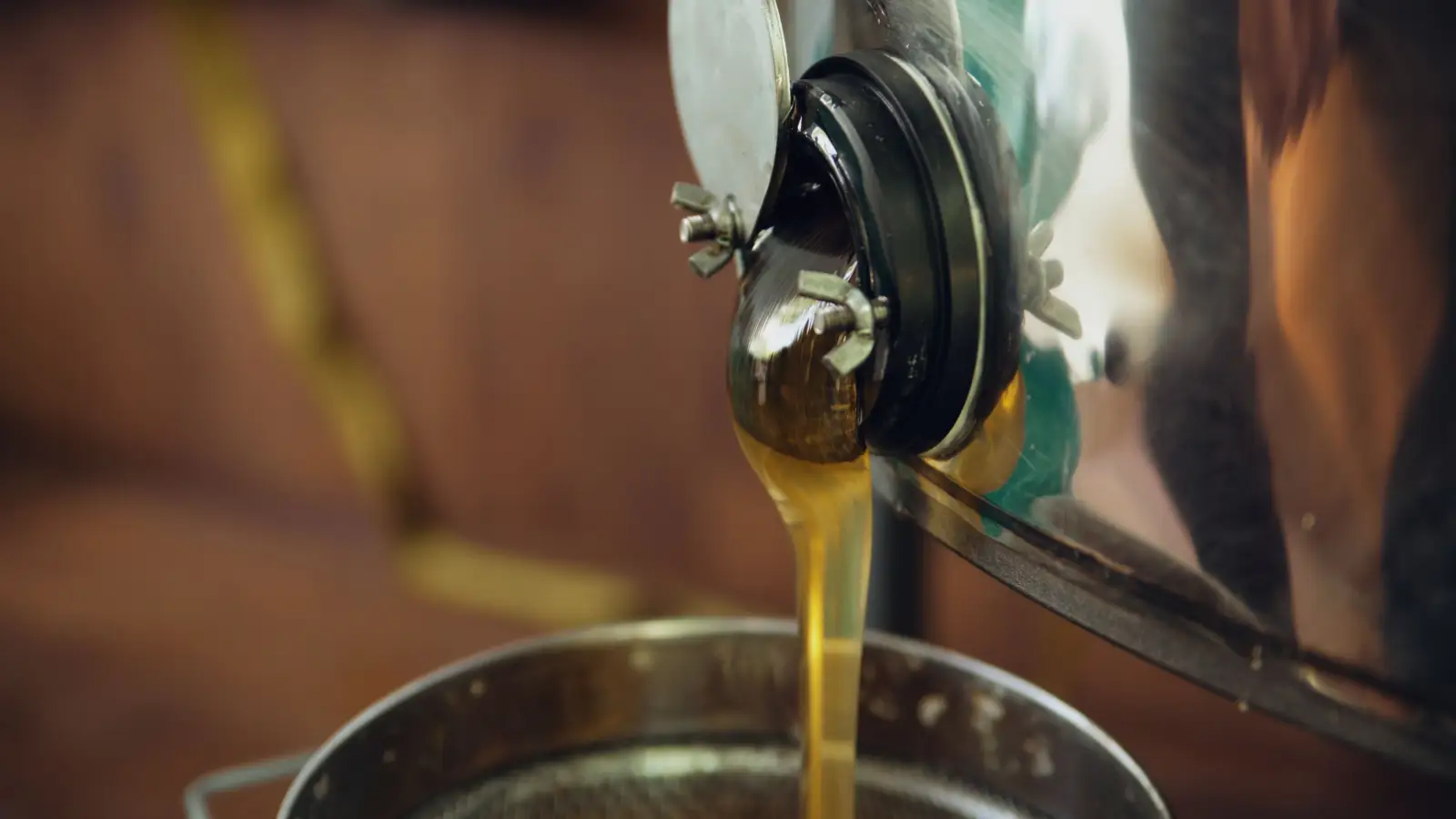
Botulism spores withstand heat, acid, and the high sugar concentration that prevents honey from fermenting. A vacuum‑sealed jar sitting on a pristine shelf is no safer than one that has been opened, because the spores came in with the honey itself. Raw honey, which is not filtered or heat‑treated, retains the full microbial load from the hive and the extraction equipment. Even pasteurized honey, heated to kill yeast, rarely reaches a temperature high enough to inactivate C. botulinum spores—pasteurization targets fermentation, not bacterial spore safety. The takeaway is straightforward: the pantry’s appearance has zero bearing on the threat. The threat lives inside the jar and travels when the jar is opened and shared.
The Household Safety Sequence
Stage 1: List Every Person Who Cannot Safely Eat Honey
Before organizing the kitchen, write down which members of the household must be shielded. Infants under 12 months are the clearest case; their immature digestive tract can allow spores to germinate and produce toxin. Adults undergoing chemotherapy, organ transplant recipients on immunosuppressive medication, and people with certain chronic bowel conditions face a heightened risk as well, even though the evidence for adult intestinal botulism is less clear than for infant botulism. Post the list on the refrigerator or inside the pantry door. The list should be matter‑of‑fact and visible, not a temporary note. When this stage is handled properly, every person in the home knows that the household contains someone who cannot have honey, and that rule does not depend on memory or a single warning.
Stage 2: Isolate Raw Honey as a Stand‑Alone Ingredient
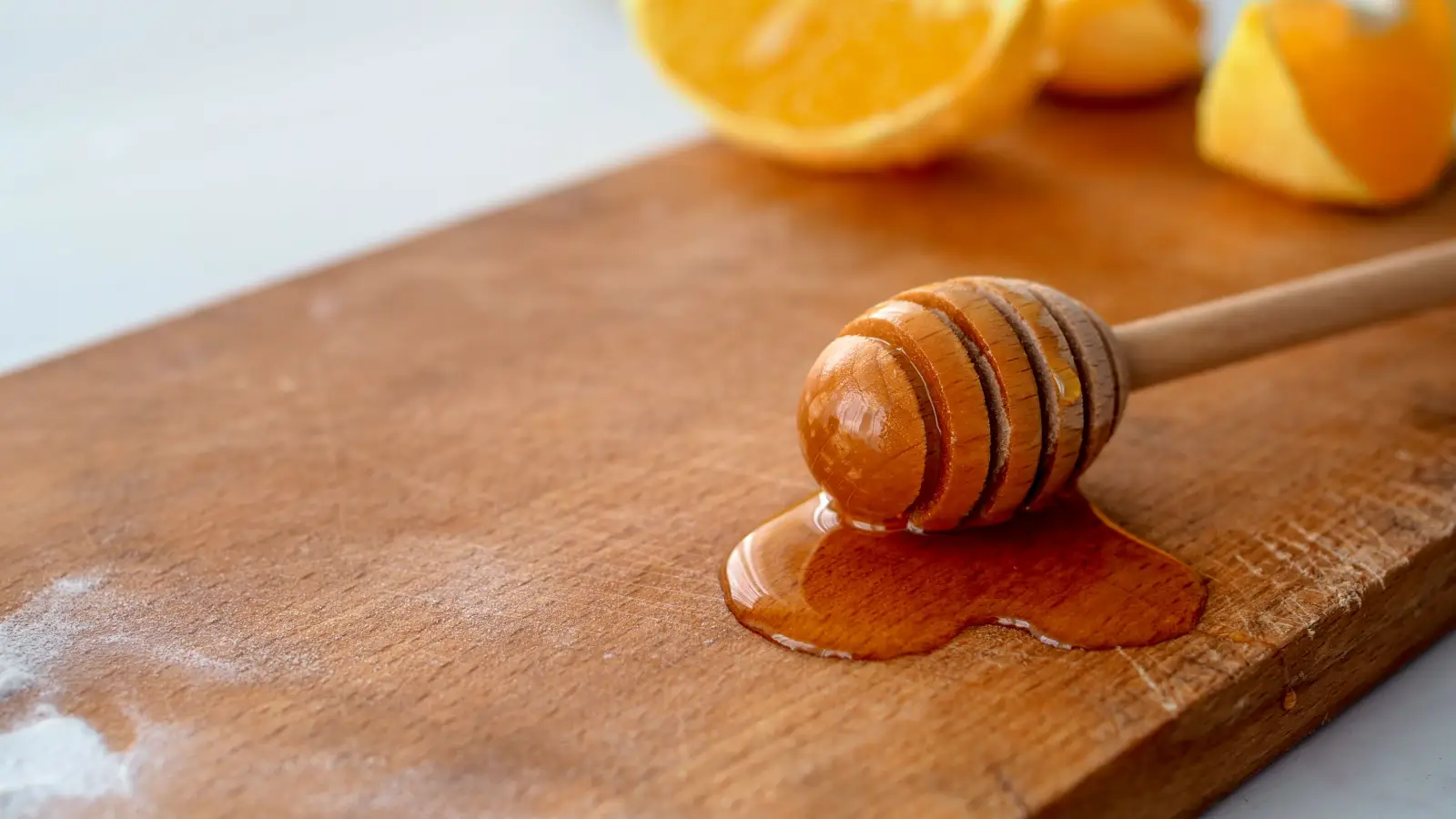
Raw honey carries the highest spore load because it has not been heated or micro‑filtered. Handle it the way a kitchen handles raw meat: assign it a fixed storage spot away from ready‑to‑eat food, and give it a dedicated utensil. A specific spoon or dipper lives with the raw honey jar and is never used for pasteurized honey, sugar, or anything intended for a baby. Put the jar in a sealed plastic bag and place it on a low shelf, far from pacifiers, formula cans, teething biscuits, and bottle‑drying racks. A drip of raw honey on a bottle teat is a vector no cleaner can anticipate. The purpose is not to destroy the spores but to stop them from traveling from their one known source to the surfaces that will later touch a vulnerable person.
Stage 3: Verify Container Condition and Tool Hygiene Before Every Use
Each time a honey jar is opened, check the rim and threads for dried honey. That crystallized residue can pick up dust or bacteria from the kitchen environment and then dissolve into the next serving. Wipe the rim clean with a damp cloth after every use, and dry it before resealing. Examine dippers and spoons regularly: wood is porous and can retain moisture even after washing, giving spores a place to persist. Replace wooden dippers every two to three months. Metal and silicone tools should be run through a dishwasher on a cycle that reaches at least 140°F (60°C), then stored in a closed drawer. This inspection routine catches small breaks in hygiene before they add up to a transfer of spores onto a pacifier, a bottle, or a spoonfed meal.
One Real Scenario: A Newborn and Raw Honey in the Same Home
A family with a three‑month‑old baby kept a jar of raw honey on the kitchen counter next to the kettle. The same teaspoon scooped the honey, stirred the tea, and went back into the jar. Under the safety sequence, the family first posted the infant’s name and a clear statement that no honey of any kind would be given until the first birthday. The raw honey was moved into a sealed bag on a low shelf, well away from the baby’s bottles and dried cereals. A new spoon, labeled with a permanent marker, stayed in the bag, and the tea‑making habit changed permanently: scoop, stir, and place the spoon straight into the dishwasher. The pasteurized honey used for baking sat on a different shelf inside its own sealed bag. Every Saturday, an adult wiped the jar rims and inspected the dipper for cracks. Those changes removed the pathways through which honey spores could have reached the baby’s mouth.
Where Households Undo Their Own Safety Sequence
Using the Same Spoon for Raw and Pasteurized Honey
When a kitchen stocks both types, the most common slip is grabbing the honey spoon and dipping it into both jars. A film of raw honey transferred to the pasteurized jar makes that pasteurized supply a carrier of spores. A spoon that touched raw honey can then contaminate a dish eaten by an immunocompromised adult. The separation built in Stage 2 collapses, and the pasteurized jar becomes a hidden risk.
Storing Honey Next to Infant‑Feeding Items
A honey jar placed above a drying rack or on the same shelf as baby bottles can drip and leave a sticky film that contaminates nipples and bottle rings. A caregiver might wipe a small honey spill with a cloth and later use the same cloth to dry a bottle part. The spores are microscopic; a barely visible film is enough. Storing honey at a distance from all infant feeding supplies is not a precaution—it is a requirement if the home contains a baby under 12 months.
Believing Pasteurization Makes Honey Spore‑Free
Pasteurized honey carries a label that sounds reassuring, but the process is designed to kill yeast, not spores. The temperature during standard honey pasteurization rarely exceeds 170°F (77°C), while C. botulinum spores require sustained heat above 240°F (116°C) to be reliably destroyed. A caregiver who reads “pasteurized” and assumes it is safe may add a spoonful to homemade baby food or offer a taste directly. The safety sequence holds only when every adult in the home knows that pasteurization does not remove the botulism threat.
Quick Reference
| Stage | Goal | Key Action |
|---|---|---|
| List the vulnerable | Prevent any honey reaching an at‑risk person | Post a permanent, visible list of who cannot have honey |
| Isolate raw honey | Block spore transfer to safe foods and surfaces | Store raw honey in a sealed bag with a dedicated utensil, away from baby supplies |
| Inspect tools and containers | Catch contamination before it spreads | Wipe rim after each use, replace porous dippers regularly, and wash tools in a hot cycle |
FAQ
Can honey go bad and become toxic?
Honey does not spoil or produce toxins on its own. If the moisture content is too high, fermentation can create off‑flavors, but that fermentation is not dangerous. The safety risk is the one that was there from the start—the spores present in certain types of honey.
Does cooking or baking with honey kill the spores?
Home cooking temperatures during boiling (212°F / 100°C) are not enough to destroy C. botulinum spores. Pressure cooking at 240°F (116°C) or above for an extended period can inactivate them, but most home recipes do not apply that level of heat to honey‑based foods. Cooked products are not reliable as safe for infants.
Is raw honey safe for a healthy adult?
Yes. A healthy adult’s mature gut flora and acidity typically prevent spores from germinating. The risk emerges only when the adult has a weakened immune system or when honey is given to an infant.
What is the most effective way to clean a honey dipper?
Rinse it under hot water immediately after use to remove sticky residue, then wash it in a dishwasher with a high‑temperature sanitizing cycle or scrub it with hot soapy water and let it air dry completely. Never rest it on a counter between uses; put it directly into the wash.
Begin with the List, Not the Jar
The Household Safety Sequence—identify who cannot tolerate honey, isolate raw honey, and inspect storage tools—turns a jar of honey from an overlooked hazard into a controlled ingredient. Start today by making the list of vulnerable household members and posting it where everyone can see it.