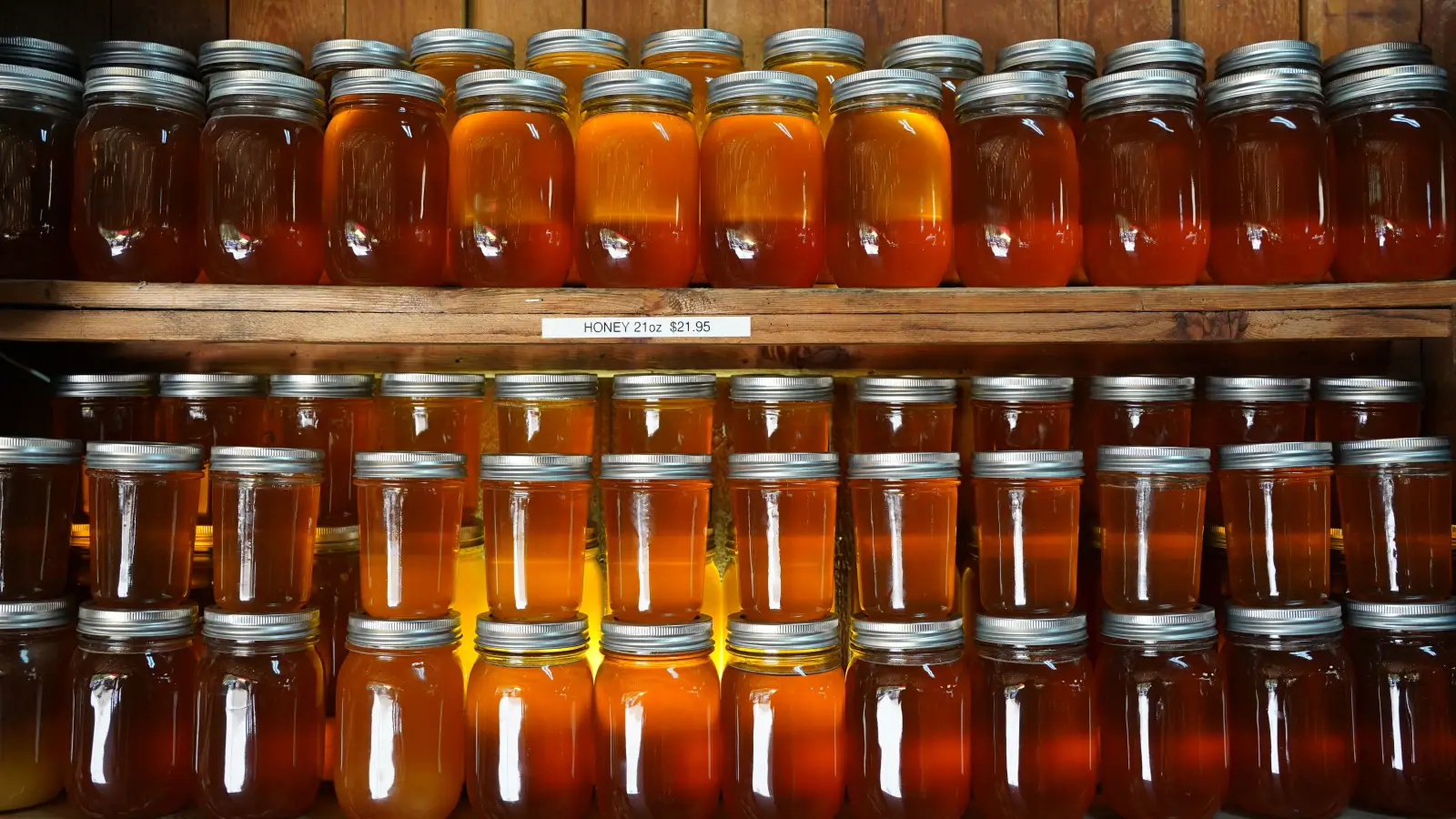
Why a Honey Jar Without a USDA Grade Might Be a Better Buy
A missing USDA grade on a honey jar often points to a small-batch producer who puts flavor first—learn to read the label and taste beyond the shield.
Clarifying raw, pure, unfiltered, organic, and USDA grading so you can read labels with confidence.
A missing USDA grade on a honey jar often points to a small-batch producer who puts flavor first—learn to read the label and taste beyond the shield.
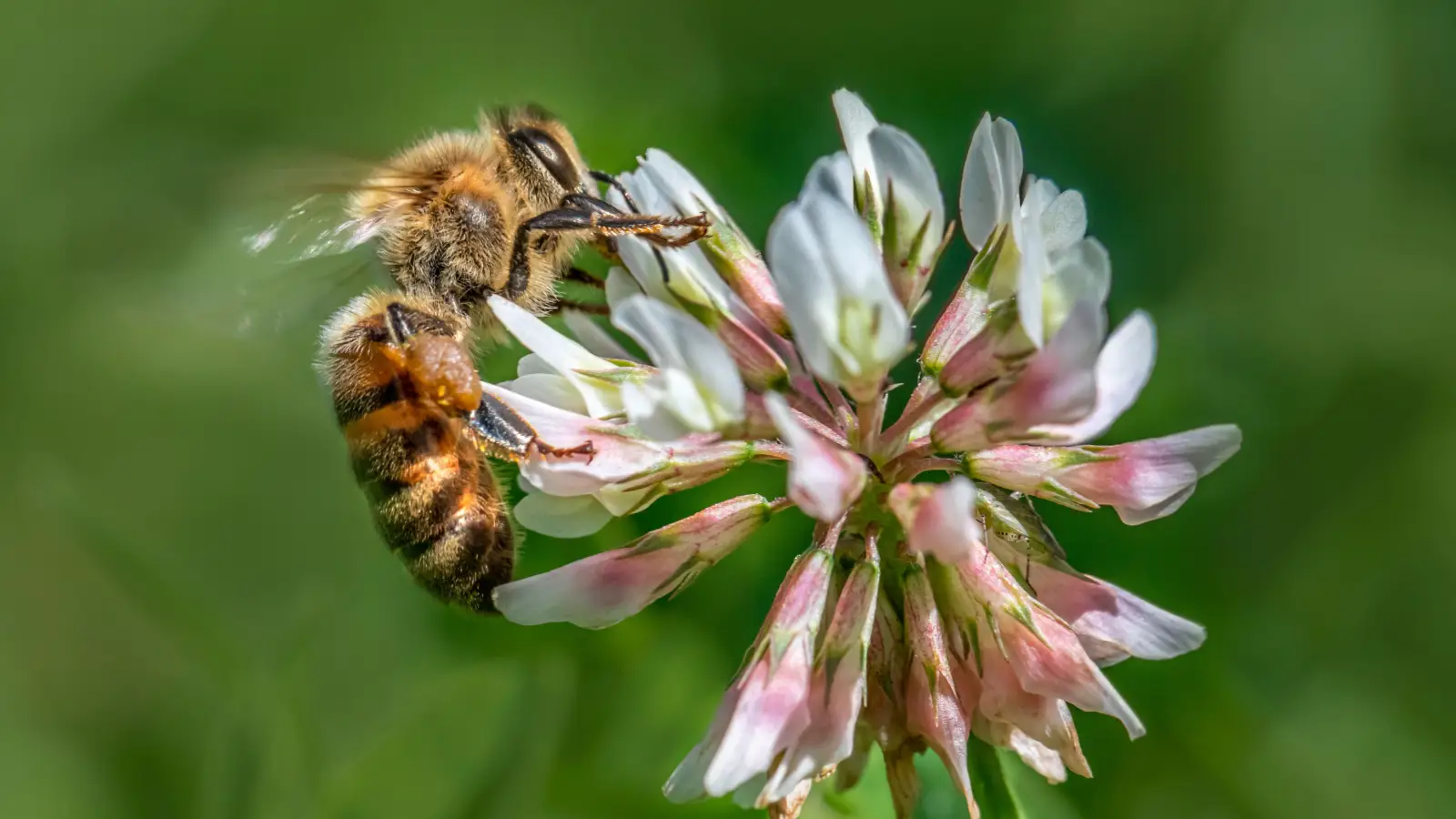
US law lets honey labeled 'clover' contain just a trace of clover pollen. Learn to read back labels and spot the real monofloral jars.
Learn to read UMF, MGO, and TA numbers without brand bias. See how to verify antimicrobial potency so you choose a truly active honey, not just a marketed one.
Pure honey may be free of additives but lacks the enzymes and pollen your skin needs. Learn why raw, unfiltered honey is the only choice for DIY skincare.
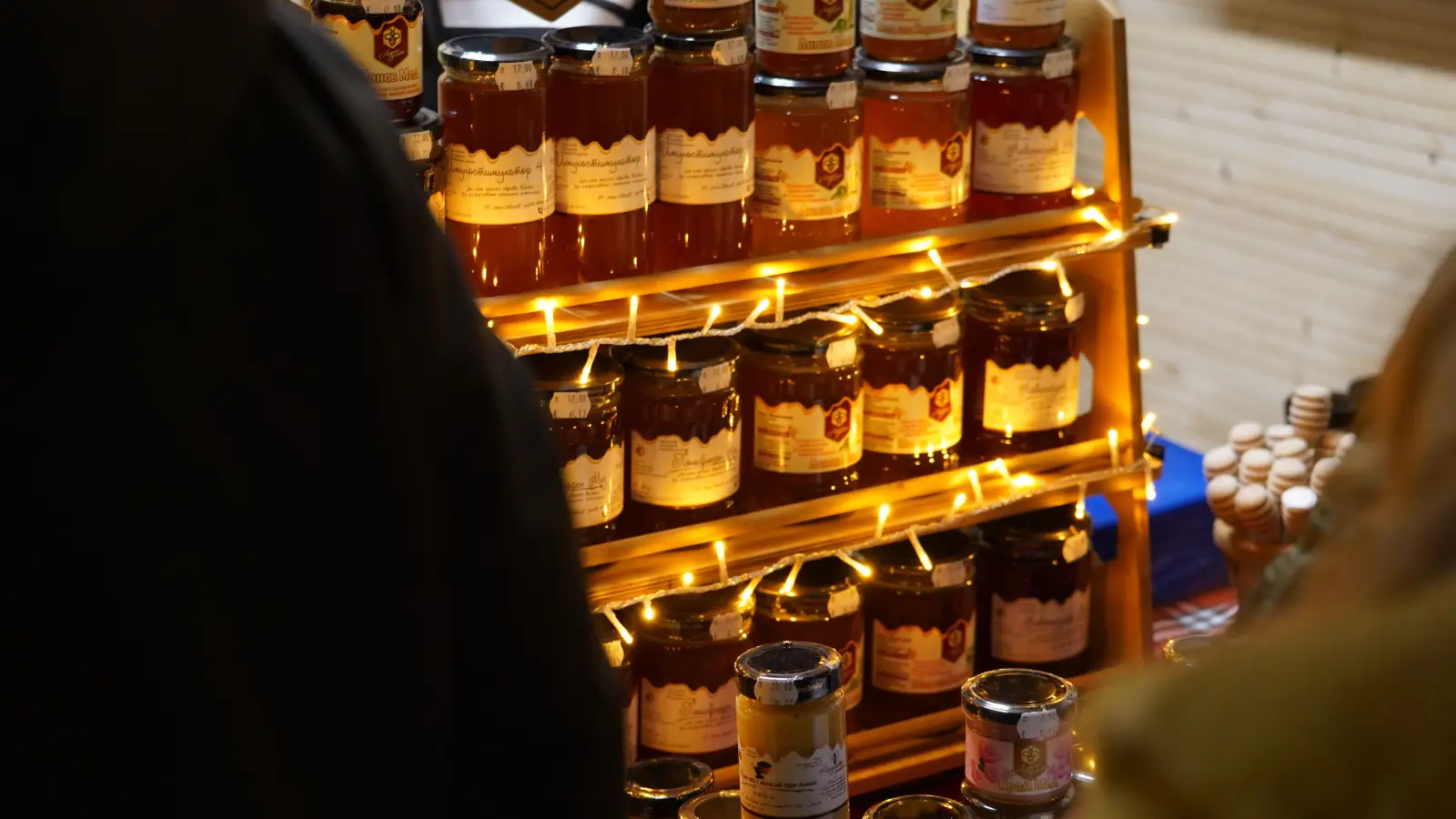
Learn which honey label terms the USDA actually regulates: organic, U.S. Grade A, and what words like pure, raw, and unfiltered really mean — without brand spin.
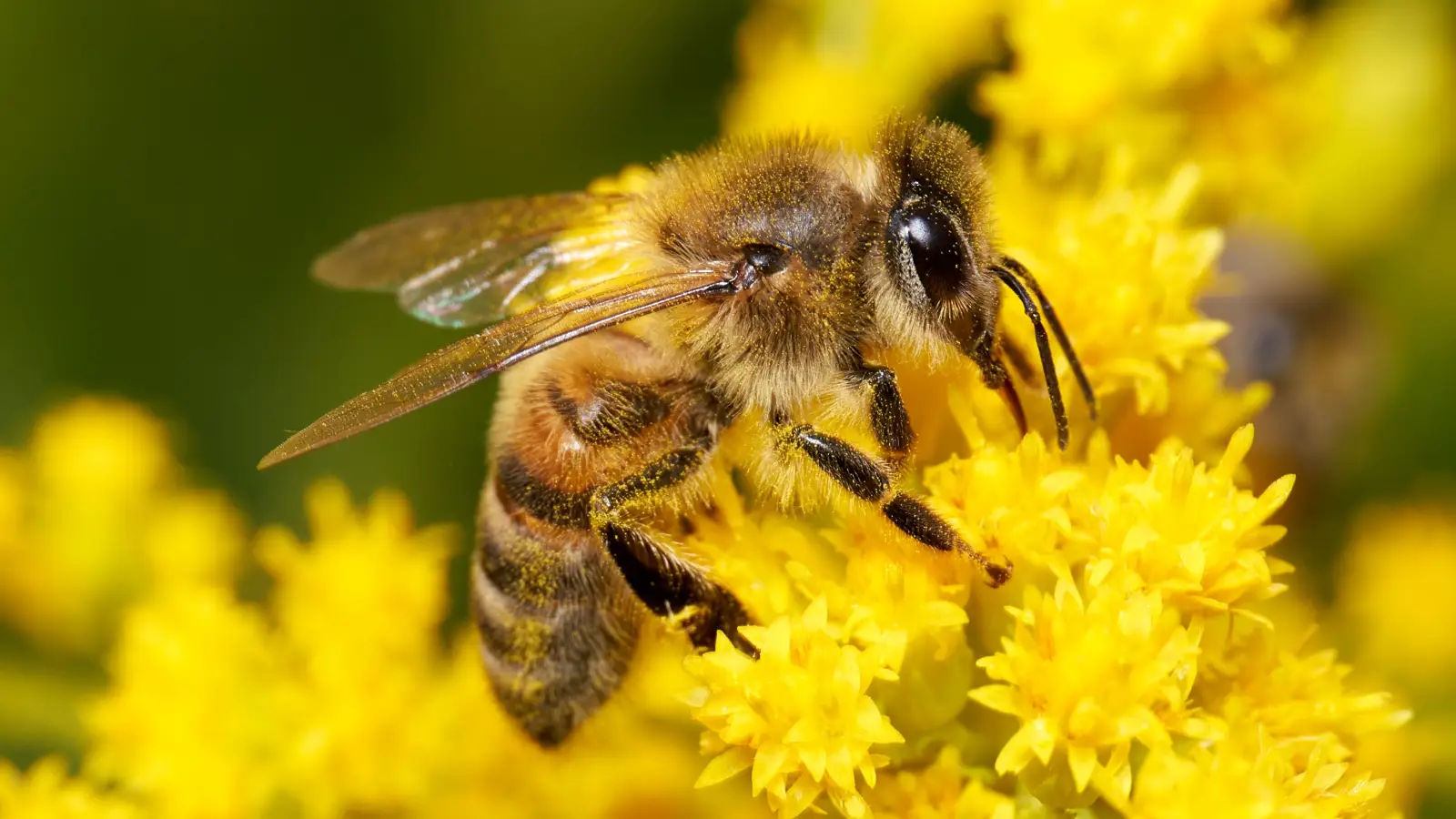
Pollen labs identify every grain to catch mislabeling, adulteration, and filtration. Learn the checks that separate real varietal honey from a label promise.
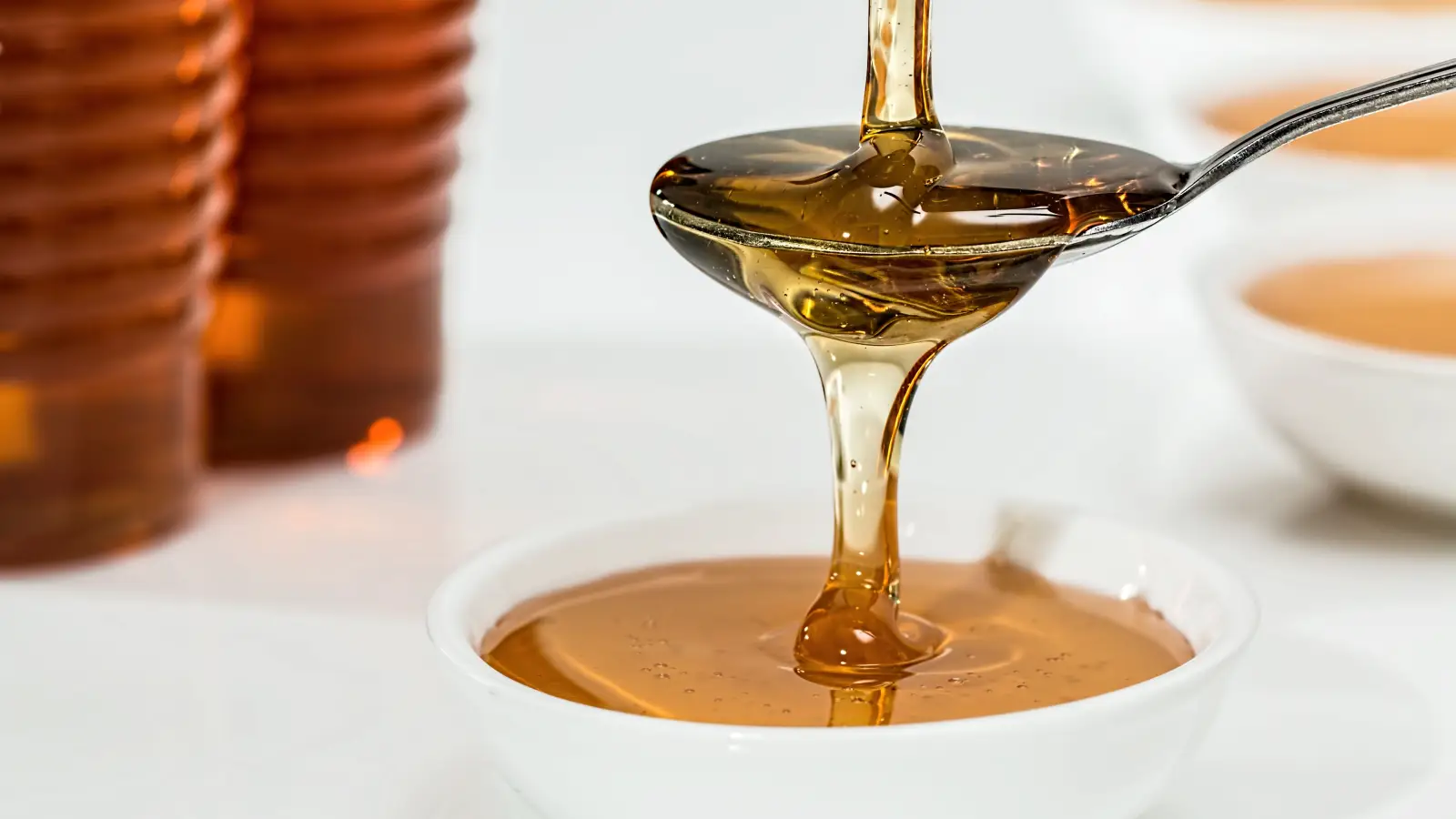
USDA honey grades aren't taste ratings. Learn how inspectors check moisture, clarity, and off-flavors—and why that changes how you buy honey.
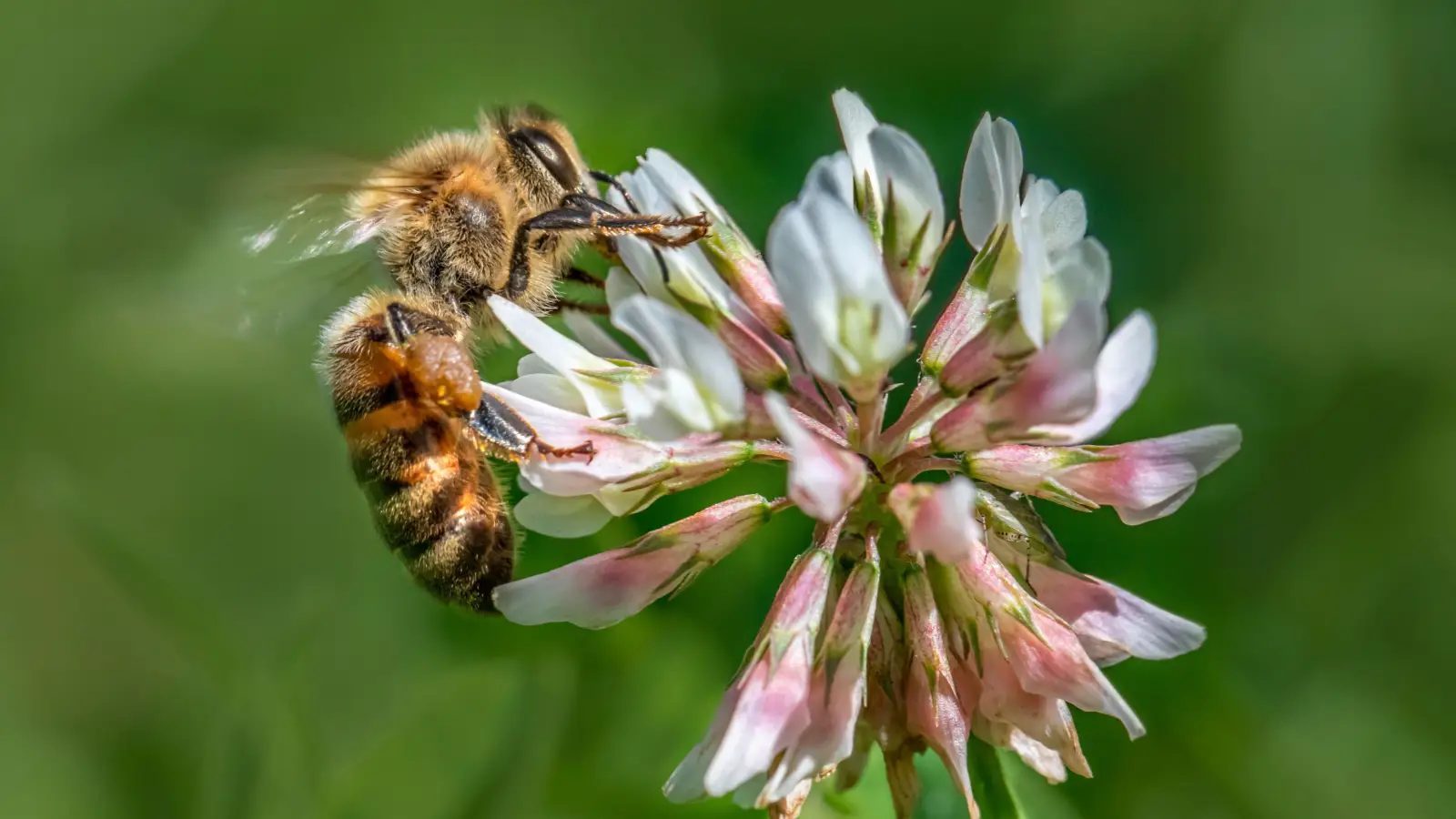
USDA grades and 'pure' claims hide what matters. Learn what clover honey labels actually tell you about quality, origin, and processing.
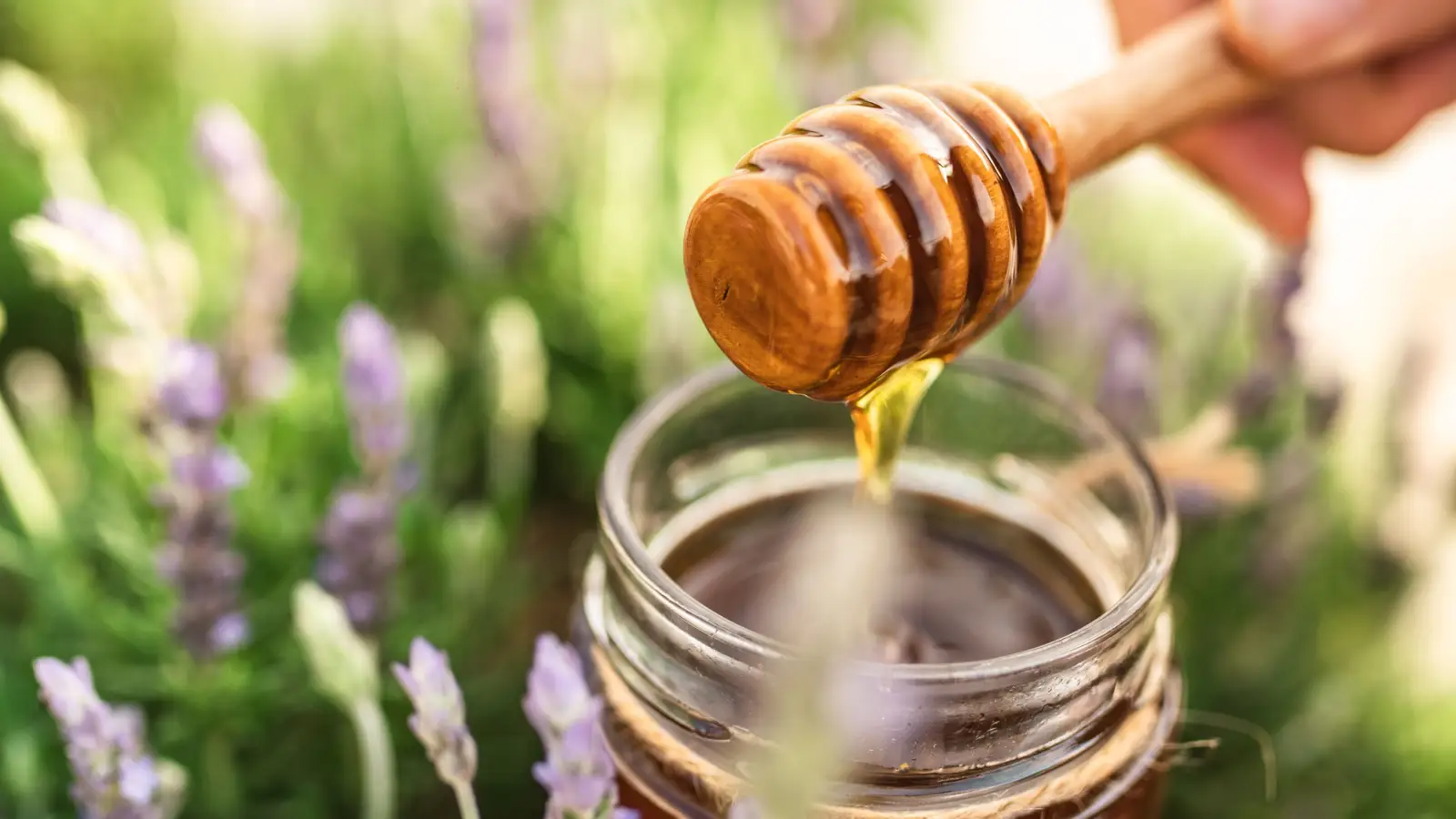
Seeing 'local' on honey? The USDA doesn’t regulate that term, and the pollen inside won’t match your regional allergens. Learn why the allergy promise falls apart—and what to look for instead.
Manuka honey isn't always the right pick for skincare. A clear framework based on antibacterial mechanism, budget, and availability shows when raw honey works better.