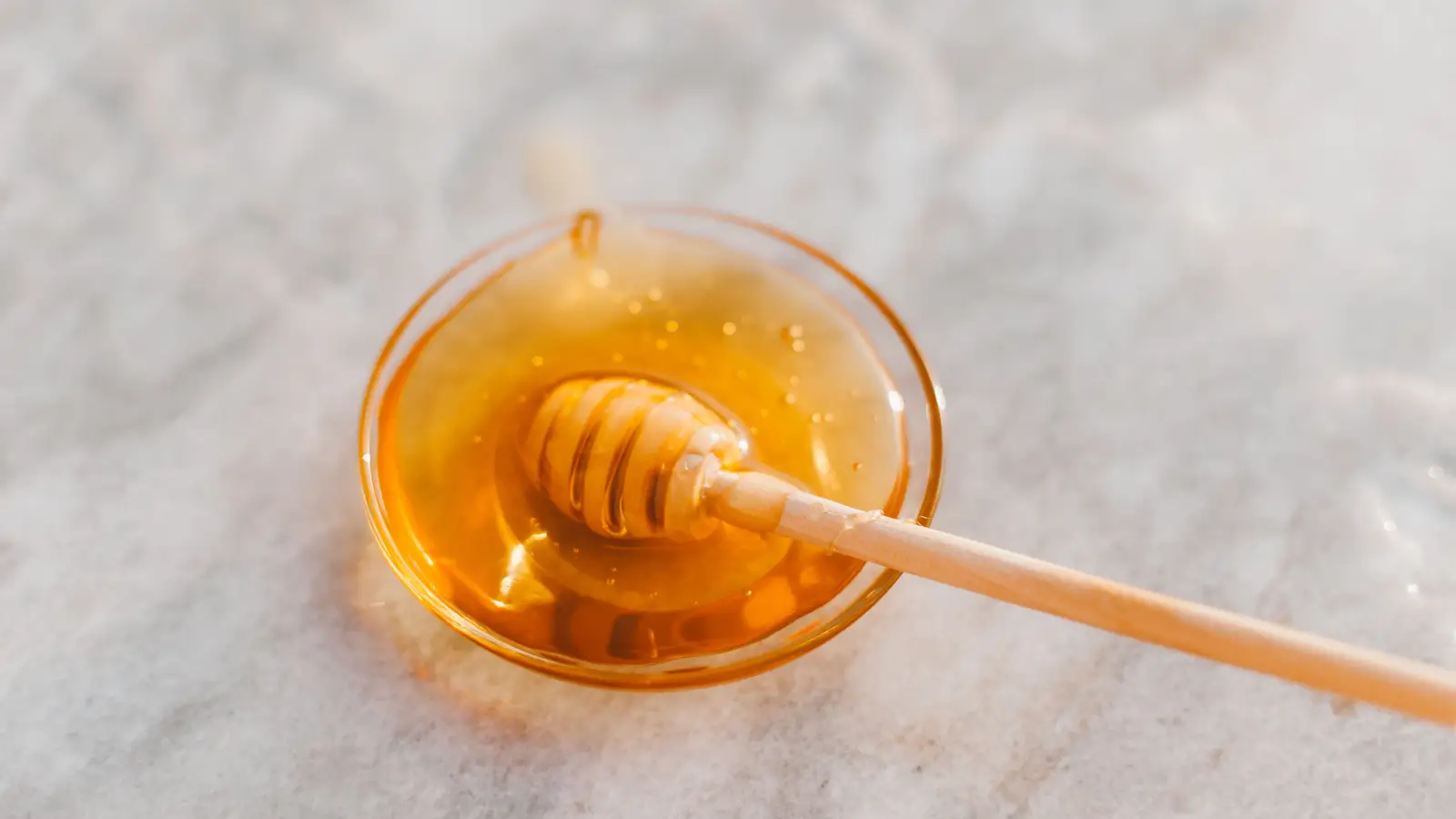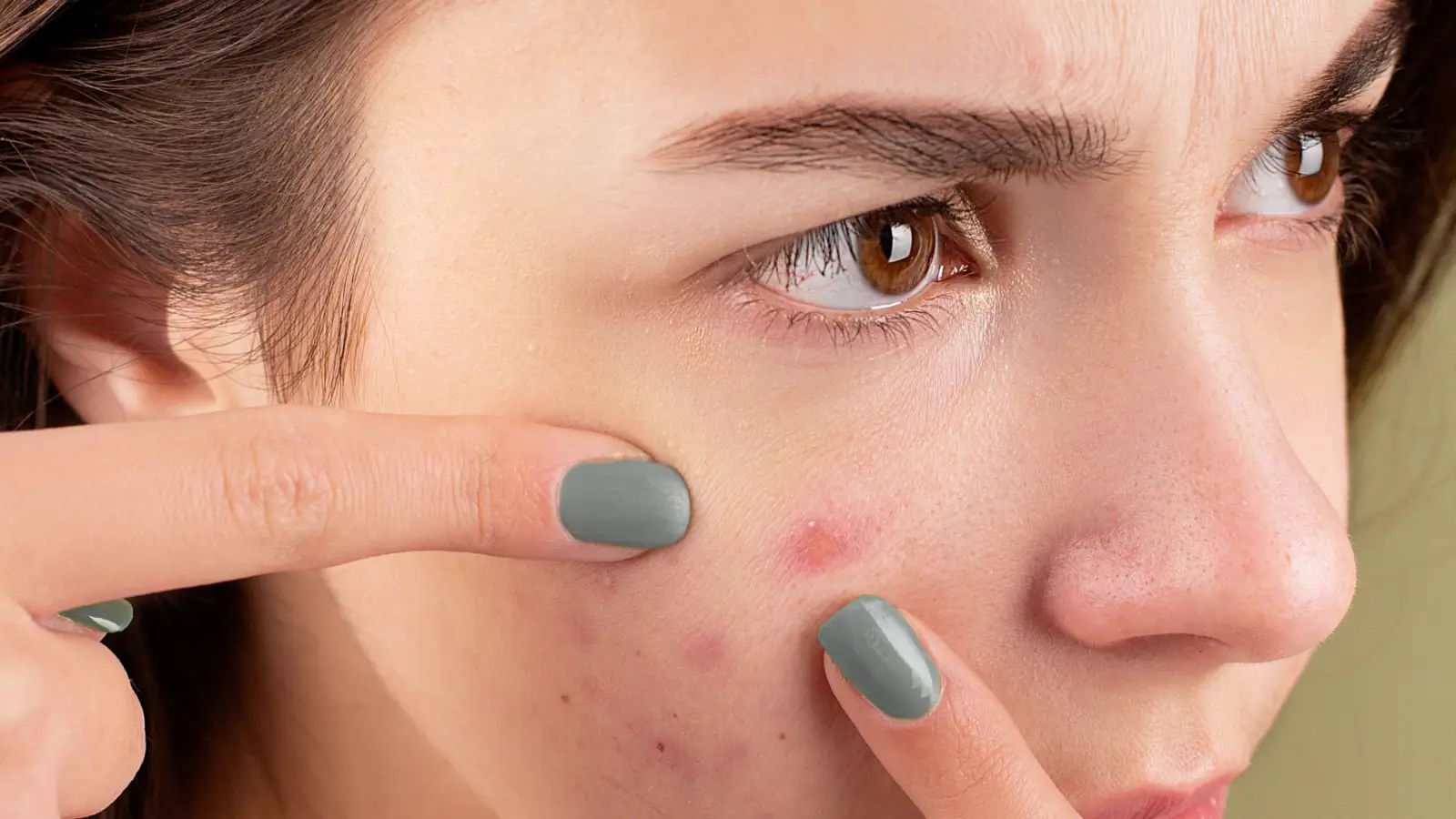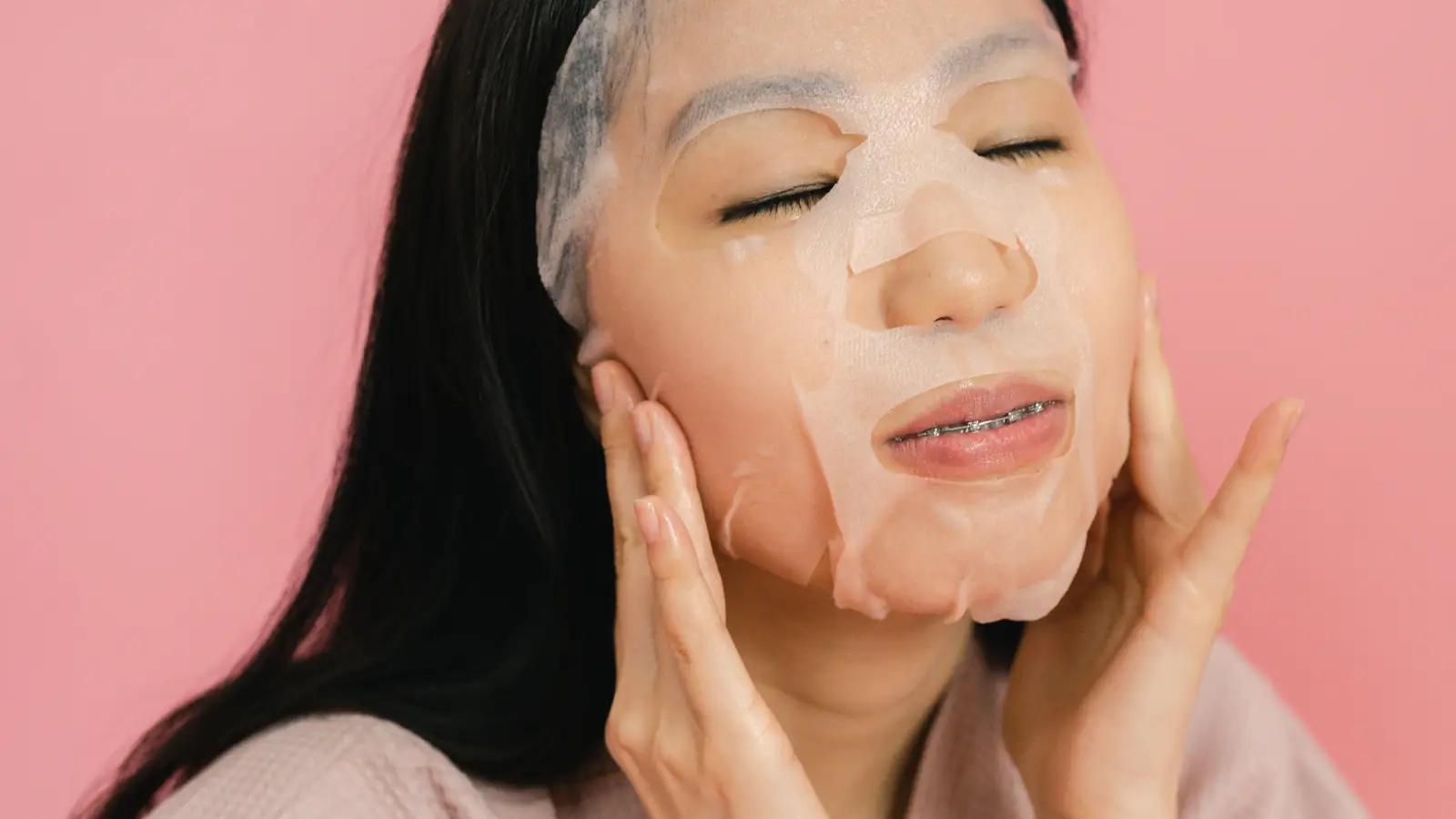
Manuka honey has earned a reputation as liquid gold for skin, but for many real‑world applications it’s an expensive detour rather than the best route. Someone searching for “Why Manuka Honey Isn't Always the Best Choice for Your Skin” is likely weighing cost against benefit and wondering if a jar of raw honey from the pantry can do the same job. The answer isn’t a simple yes or no—it turns on how the two honeys fight bacteria and whether that mechanism holds up under real use. By the end of this paragraph you already have the framework: raw honey operates through an enzyme that generates a short‑lived antiseptic; Manuka uses a heat‑stable molecule that persists after application. For everyday moisture, gentle exfoliation, and surface bacteria control, raw honey does the work at a small fraction of the price. Manuka justifies its cost only when you need an antibacterial that won’t quit when the honey is diluted, warmed, or left on skin for hours.
The Quick Verdict: When Manuka Is Overkill for Skin
For the most common use case—adding honey to a DIY face mask or cleanser for hydration, mild exfoliation, and soothing—raw honey is the better choice. It delivers active glucose oxidase, which slowly converts to a low, steady level of hydrogen peroxide. That output is enough to discourage surface bacteria like Staphylococcus epidermidis without disrupting the skin barrier. Manuka’s strength, measured by MGO (methylglyoxal) levels, largely goes unused in those scenarios unless the honey needs to sit on skin for half a day or survive a heated mixing step. Unless you need a product that preserves antimicrobial punch long after it’s applied or blended, a jar of locally sourced raw honey is the practical recommendation.
Quick Comparison: Raw vs Manuka Honey at a Glance
| Criterion | Raw Honey | Manuka Honey |
|---|---|---|
| Price per ounce | $1–$3 (bulk raw) | $10–$40+ (UMF 10+ and above) |
| Key skin-active mechanism | Glucose oxidase → hydrogen peroxide (enzyme-driven, transient) | Methylglyoxal (stable, non-peroxide antibacterial) |
| Skin tolerance | Very high; rare irritation | Generally safe, but higher concentrations can sting on broken skin |
| Shelf stability for skin actives | Peroxide activity degrades with warmth, time, and dilution | MGO remains stable through heat and light exposure |
| Best for | Everyday moisture, gentle exfoliation, surface bacteria control | Targeted antibacterial action, products that are heated, chronic wound protocols |
Raw Honey: The Enzyme Engine for Everyday Skin Support
The activity that matters for skin in raw honey comes from glucose oxidase, an enzyme bees add during nectar processing. On a moist surface like skin, the enzyme converts glucose into gluconic acid and a small amount of hydrogen peroxide. That peroxide is the principal antimicrobial agent, and it’s produced at a concentration that handles many common skin bacteria without being harsh. The mechanism has a tight time window: the enzyme is fragile. Pasteurization—heating to 160°F or higher—denatures it instantly, which is why most supermarket honey offers only basic humectancy. Truly raw honey, cold‑extracted and never heat‑treated, still carries active glucose oxidase, along with a mild acidic pH (typically 3.5–4.5) that supports the skin’s acid mantle.
For a simple weekly mask—a thin layer of raw honey applied to damp skin and left for 10–15 minutes—the peroxide release and osmotic effect pull moisture in while gently inhibiting surface bacteria. The result is noticeable softening without stripping. The limitation is that this peroxide activity fades quickly. After 24–48 hours of skin contact, or if the honey is mixed into a cream that gets warmed during manufacture, the enzyme may be gone and the antimicrobial window closes. For most daily skincare routines, that window is long enough. For a multi‑day wound dressing, it is not.
When Enzymes Fall Short
Two real weaknesses exist. First, skin and many serums contain catalase, which breaks hydrogen peroxide down into water and oxygen. In catalase‑rich environments the antibacterial effect can be shorter than expected. Second, the honey’s own acidity and water content influence how much peroxide gets made; a thin, overly diluted honey‑water mask might produce too little to matter. These aren’t dealbreakers for the typical use case, but they explain why someone with very reactive, breakout‑prone skin might want a dependable antibacterial that doesn’t rely on an enzyme vulnerable to its environment.
Manuka Honey: Heat‑Stable Antibacterial Action at a Cost
Manuka honey works through a different chemical route. Instead of an enzyme that can be destroyed, it contains methylglyoxal, a compound that arises from the nectar of the Leptospermum scoparium (mānuka) bush. MGO is thermally stable; even if you stir the honey into hot tea or store it in a warm bathroom cabinet, its antibacterial potency stays the same. That stability is the reason it appears in medicated gels and creams: a manufacturer can blend it into a formula at elevated temperatures without losing the antimicrobial molecule. The honey’s action doesn’t depend on water‑triggered enzyme release, so it can be effective even in an occlusive ointment where moisture is minimal.
For skin, the relevant thread is that Manuka can suppress a wider range of bacteria, including Staphylococcus aureus, without relying on hydrogen peroxide production. But this consistency comes at a steep price. A jar of UMF 10+ (roughly 263 mg/kg MGO) can cost $20–$40 for 250 grams—many times the cost of a raw wildflower honey of the same volume. The higher the UMF or MGO rating, the sharper the premium. A therapeutic grade like UMF 20+ can exceed $60 for the same amount. And for skin applications that don’t involve complicated infections or heat processing, that added expense rarely translates into added visible benefit.
There is a subtle sensitivity concern. MGO is a reactive carbonyl compound; in higher concentrations it can irritate already inflamed or micro‑abraded skin. Wound‑care protocols usually rely on medical‑grade Manuka that’s been sterilized and standardized, not the jarred food‑grade honey someone buys at a health shop. For a face mask, the irritation risk is low, but it’s not zero—particularly with raw food‑grade Manuka that hasn’t been filtered for particulate impurities.
When Manuka’s Stability Matters
If a skin formulation will be heated during production, stored for months, or applied to a wound that requires continued antimicrobial cover between dressing changes, Manuka’s stability becomes the deciding factor. Enzymatic honey would lose its potency long before the jar was half empty. Manuka holds the line. That’s why you see it in veterinary wound gels and some post‑procedure skincare lines. A person mixing their own balms over gentle heat might reach for a mid‑grade Manuka instead of raw honey for that reason.
Head‑to‑Head: How Raw and Manuka Stack Up on Skin‑Specific Criteria
Antibacterial mechanism and reliability. Raw honey’s enzyme‑generated peroxide works immediately after application but fades with time and dilution. Manuka’s MGO is present at full strength from the jar and persists. For a quick rinse‑off mask, the difference is negligible; for a leave‑on spot treatment that needs to stay active for hours, Manuka has the advantage.
Shelf stability of the active component. Raw honey’s glucose oxidase loses activity within weeks if the honey is stored too warm. Manuka’s MGO is effectively permanent under normal household conditions. This only really matters if you buy honey in bulk or keep a skincare jar for months.
Risk of skin irritation. Raw honey is generally very gentle, with allergic reactions rare and tied to pollen residues. Manuka at high MGO levels can cause stinging or redness on compromised skin, and the risk increases with concentration. For a typical face mask, both are safe; for broken skin, raw honey is less likely to provoke a reaction.
Price per effective use. A raw honey mask might cost $0.25–$0.50 per application; a Manuka mask of similar volume can cost $3–$8 or more. Over a month of weekly use, that difference becomes substantial. The cost‑effectiveness break‑even only occurs if the raw honey would be wasted to enzyme degradation—a rare scenario for a home user.
Availability and sourcing transparency. Raw honey is widely available at farmers’ markets and specialty stores; you can often learn the floral source and whether it was cold‑extracted. Manuka requires certification (UMF, MGO, or NPA) to verify authenticity—counterfeit Manuka is a known problem—and the supply is concentrated in New Zealand and Australia, which raises environmental costs and import dependency.
Decision Guide: Choosing Honey Based on Your Skin Goals
If your goal is everyday hydration, gentle exfoliation, and a subtle glow: Choose raw honey. The enzyme activity works well in a 10–15 minute mask; the acidity and humectant properties soften and plump; and you’re not paying for stability you don’t need.
If you’re managing frequent minor breakouts and want to suppress surface bacteria without drying: Raw honey is still the practical choice. The peroxide output is sufficient for common skin bacteria in a short contact time. Reserve Manuka for times when breakouts are persistent and a stronger, longer‑acting antibacterial seems warranted.
If you are blending a DIY balm or cream that will be heated or stored for months: Choose a lower‑UMF Manuka (5+ or 10+). Raw honey’s enzymes won’t survive the heating step, and the resulting product would offer only humectant benefit. Manuka’s MGO will carry the antibacterial property into the finished formulation.
If you need a honey for wound care or post‑procedure skin that requires a sterile, stable antibacterial environment: This is the domain where Manuka earns its cost. Medical‑grade Manuka (often sterilized by gamma irradiation) is what’s used in dressings; at home, a high‑UMF food‑grade Manuka can substitute in a pinch, but understand sterility isn’t guaranteed.
If budget is your binding constraint and you’ll use honey frequently: Raw honey wins decisively. The per‑use cost allows consistent application, and consistency often matters more for skin improvement than isolated potency.
The Price Gap: Why Manuka Costs So Much More
Manuka honey’s price is driven by more than its scarcity. The short flowering window of the mānuka bush and geographic constraints limit supply, but the real multipliers are authentication and potency testing. Every batch must be lab‑tested for MGO content, and reputable brands invest in UMF certification through the Unique Mānuka Factor Honey Association. MGO concentration varies naturally; verifying that a jar labeled UMF 15+ genuinely meets the threshold adds significant laboratory overhead. In contrast, raw honey is rarely tested for enzyme activity or peroxide accumulation—its value is in being unprocessed and active, not in a quantified metric.
When buying Manuka for skin, it’s easy to overpay for a rating you don’t need. For a wash‑off mask, a UMF 5+ (roughly 83 mg/kg MGO) already surpasses the antibacterial baseline of most raw honey. Jumping to UMF 20+ for skincare rarely adds visible improvement unless you’re dealing with a documented resistant infection. So the framework remains: if the use case doesn’t demand heat‑stability or prolonged release, the premium is wasted.
FAQ: What Buyers Often Get Wrong About Honey and Skin
Does pasteurized honey do anything for skin?
Pasteurized honey still functions as a humectant—it draws moisture into the skin—but it lacks active glucose oxidase. That means no peroxide production, so its antibacterial properties are limited to the general acidity and high sugar concentration. It’s better than no honey, but far short of raw.
Can I use Manuka honey straight from the jar on my face?
Yes, but a patch test is sensible. Food‑grade Manuka can contain small particulate impurities that might irritate broken skin. If you have reactive skin, test a thin layer on the inner forearm and wait 20 minutes before applying to the face.
How quickly does raw honey’s enzyme activity start to drop after opening?
If kept cool and dry, the glucose oxidase can remain active for months. But if the jar sits in a steamy bathroom, the enzyme degrades faster. Storing honey in a cool cupboard and using clean, dry utensils helps preserve it.
Why are UMF and MGO numbers so confusing?
MGO is a direct measure of methylglyoxal in mg/kg. UMF certification includes MGO plus other markers like leptosperin, and ensures the honey isn’t adulterated. For skin, MGO is the more relevant figure; you can ignore the rest unless you’re verifying purity.
The Bottom Line: Raw or Manuka for Your Routine
For almost anyone using honey as a cosmetic addition—a weekly mask, a gentle cleanser boost, a dry‑patch soother—a good raw honey outperforms Manuka on cost, availability, and skin tolerance while delivering enough antibacterial action to matter. Manuka becomes the right tool only when the situation demands an antibacterial that won’t fade under heat, time, or dilution. That means heated formulations, extended‑wear spot treatments, and certain wound‑care contexts. Keep that distinction in mind, and you’ll end up with better results for less money.