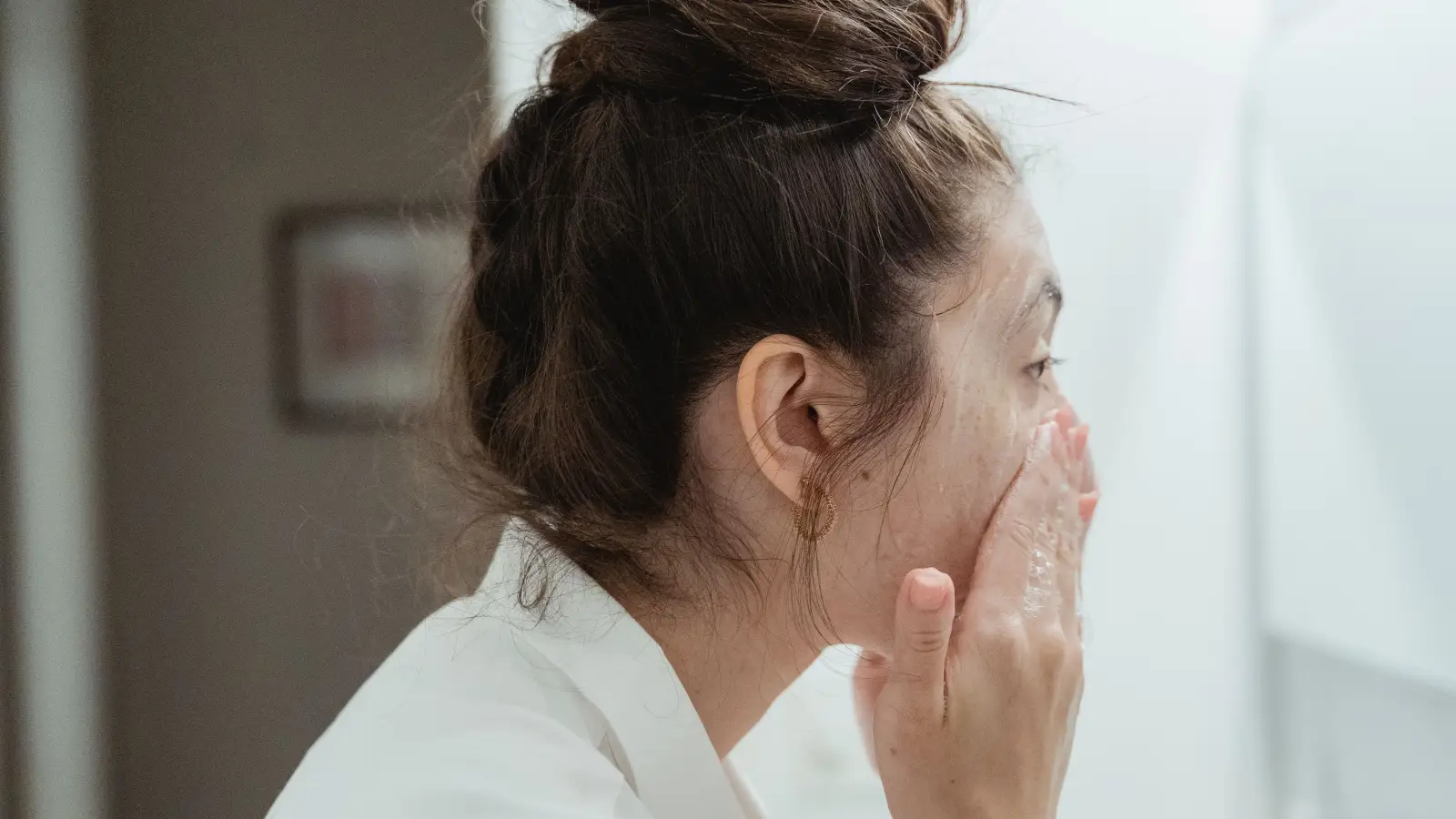
Washing your face with raw honey should not involve sticky runoff or a film that refuses to rinse clean. The solution is procedural: use a grape-sized portion of warmed honey on dry skin and remove it with a warm, damp washcloth pressed and wiped in a single direction. That sequence eliminates stickiness entirely.
What derails most attempts is not the honey itself but skipping the small practical steps—too much honey, cold honey that won't spread, a sopping cloth that pushes honey around instead of lifting it, or quitting during the first two weeks when skin is still recalibrating. The process below lays out the exact sequence that avoids all three.
What a Properly Executed Honey Face Wash Delivers
After rinsing and patting dry, skin should feel clean with no residual tack. Run two dry fingers across the cheek—they should glide, not drag. The sink stays dry because no honey ever left the face; the only thing that touches the cloth is the dissolved layer lifted from the skin.
The Complete Checklist: 7 Steps to a Non-Sticky Honey Cleanse
- Warm the honey until it drizzles.
- Secure hair and protect clothing.
- Apply a grape-sized amount to dry skin.
- Massage with barely damp fingertips.
- Let the honey rest 2–3 minutes (optional).
- Remove with a wrung-out warm washcloth.
- Allow a 7- to 14-day adjustment period.
Checklist Items Explained
Warm the Honey Until It Drizzles
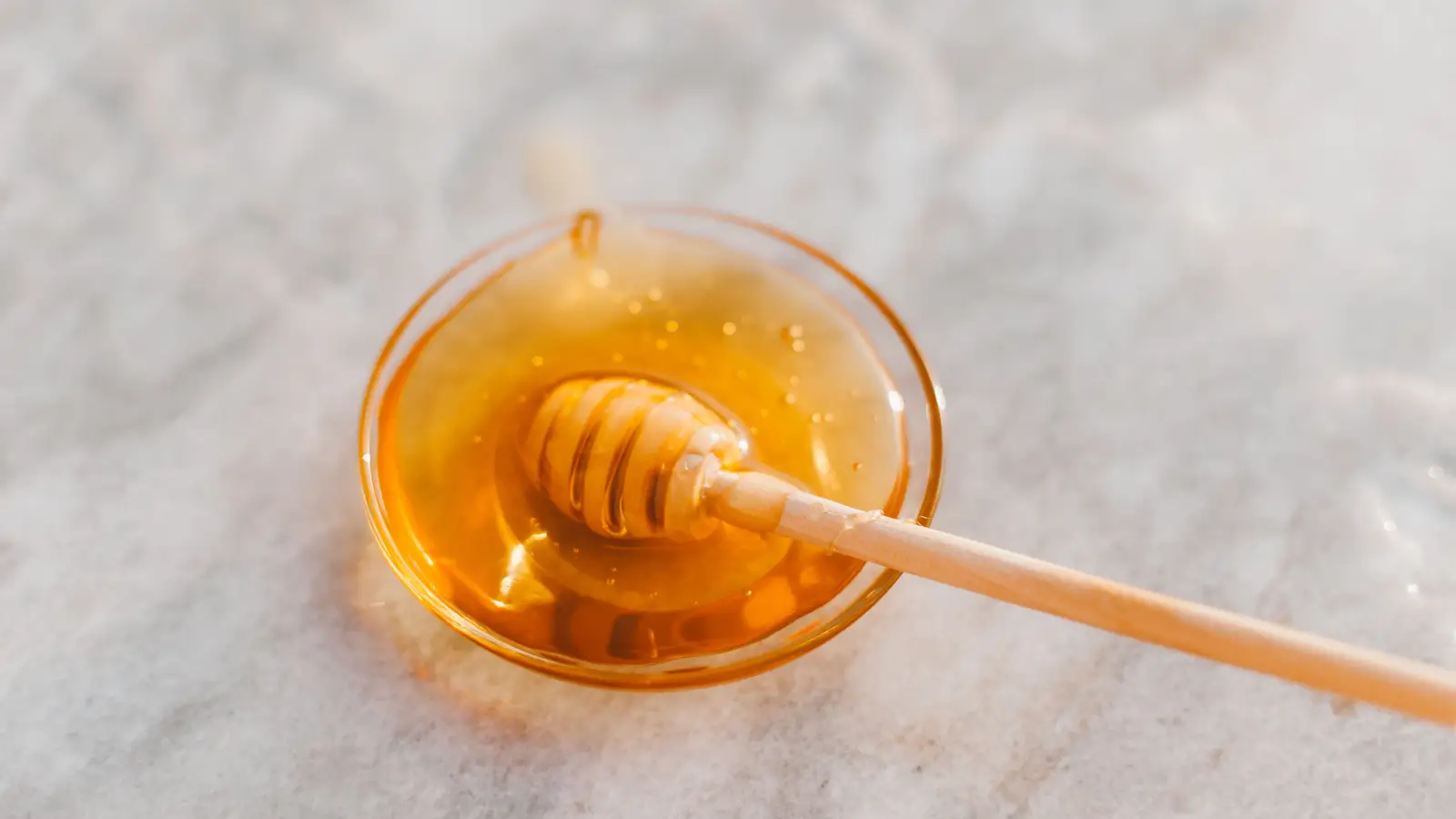
Raw honey's consistency depends on floral source and storage temperature. A dense manuka may be spoon-stiff, while a liquid orange blossom flows at room temperature. Either way, the goal is a drizzling consistency that spreads without dragging. Set the closed jar in warm tap water (not hot—heat degrades enzymes) for 3–5 minutes, or scoop a portion into a small dish and warm it between the palms for half a minute. The honey should ribbon off a spoon in a soft curve. Using cold, crystalized honey straight from a cold pantry is the most frequent misstep; it sits in a stiff clump that never distributes evenly.
Secure Hair and Protect Clothing
Honey finds loose hair easily. Pull all strands back with a headband or tie, clearing the hairline and nape. Then fold a hand towel over the shoulders and tuck it into the shirt collar. This takes under 30 seconds. The common failure is assuming you can work carefully enough to avoid contact—a single stray hair dipping into honey on the cheek is the predictable result.
Apply a Grape-Sized Amount to Dry Skin
Water repels honey, so start with a bone-dry face. Scoop roughly half a teaspoon—the volume of a grape—and dot it onto forehead, cheeks, nose, and chin. A thin, even film lifts off cleanly; a thick layer resists rinsing. The mistake people reliably make is doubling the portion, which produces a sticky residue that survives multiple cloth passes.
Massage With Barely Damp Fingertips
Briefly wet your fingertips under warm water, then shake off most of the moisture. The idea is just enough water to thin the honey slightly so it glides. Massage in small circles for a full minute. Dripping-wet fingers dilute the honey into a runny liquid that drips down the neck without cleansing properly.
Let the Honey Rest 2–3 Minutes (Optional)
Honey's humectant effect and mild enzymatic activity need a short contact window, but any longer and it starts to dry into a tacky film. Two to three minutes is enough. If you're rushed, skip it—the massage alone cleanses. Leaving it until it tightens and pulls is the mistake to avoid, because that makes the rinse step far more work.
Remove With a Wrung-Out Warm Washcloth
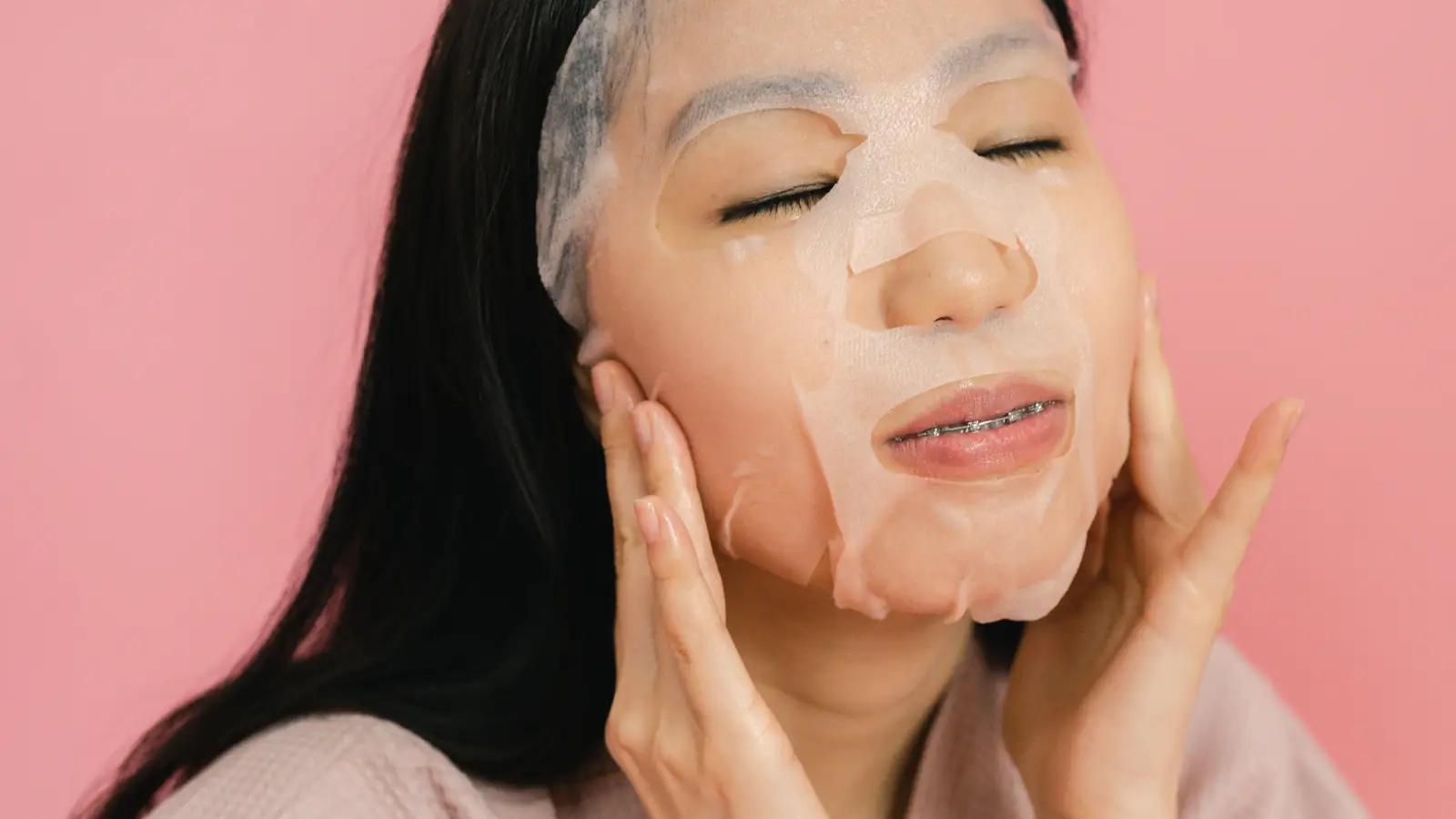
This step determines whether the experience stays clean or becomes a sticky fight. Soak a soft cloth in warm water, then twist and squeeze until it releases no more drips. Press it against the whole face for 5–10 seconds to re-liquefy the honey, then wipe in one direction—forehead downward—without scrubbing. Rinse the cloth, wring it fully again, and repeat until the cloth shows no honey residue. Usually two or three passes suffice. The most damaging mistake is splashing water directly onto the face or using a dripping cloth; both relocate honey instead of removing it.
Allow a 7- to 14-Day Adjustment Period
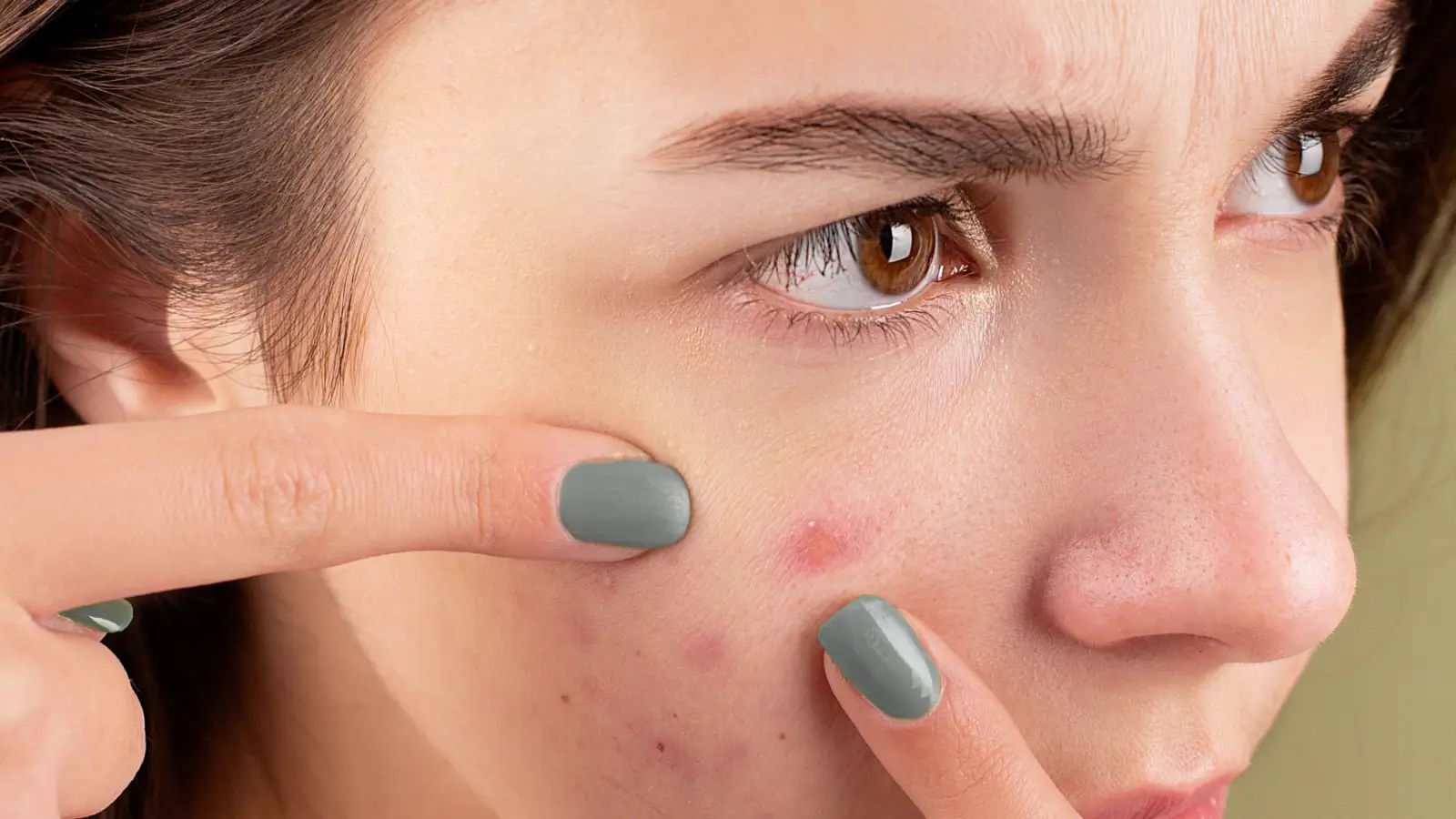
Foaming cleansers strip the acid mantle, and when you stop using them, skin often overproduces oil for a period while it rebalances. Expect a week, maybe two, of increased shine in the T-zone or small surface bumps. This is not a honey reaction—it's the skin's own sebum regulation reasserting itself. During this window, do not introduce new products. Abandoning the routine on day four because of a few breakouts is the typical mistake; the skin simply needs time to self-regulate.
Final Verification: Confirming a Clean Rinse
- Two fingers glide across the cheek without catching or tackiness.
- Hairline, brows, and jawline show no visible honey residue.
- The washcloth comes away clean on the last pass.
Save-able Routine Card: Honey Face Wash in Under a Minute
- Warm honey until it drizzles (palms or warm water bath).
- Secure hair, drape towel.
- Apply grape-sized portion to dry skin.
- Dampen fingertips, massage 60 seconds.
- Rest 2 minutes (optional).
- Press and wipe with a wrung-out warm cloth; repeat until clean.
- Pat dry; moisturizer only if skin feels tight.
FAQ
Why does my face still feel sticky after rinsing?
Stickiness after rinsing indicates one of three errors: too much honey was applied, the cloth was too wet, or water was splashed directly on the face. Reduce the amount to a grape-sized portion, wring the cloth until it stops dripping, and use the press-and-wipe method only.
Can raw honey clog pores?
For most skin types, raw honey is non-comedogenic. Its gentle enzymatic action can actually help clear pores. However, in individuals with fungal acne, the sugar content may feed malassezia yeast, so a patch test behind the ear for a few days is a practical precaution.
How long does the transition period last, and what should I expect?
Plan for 7 to 14 days. Oiliness in the T-zone and scattered small whiteheads are common in the first week as skin adjusts to not being stripped daily. This phase resolves on its own, leaving skin that is less reactive and more balanced.
Can raw honey remove sunscreen and light makeup?
It can handle light, non-waterproof products. Massage the honey over dry skin, then add a few drops of a non-comedogenic oil (jojoba or squalane) to break down makeup before the cloth rinse. For heavy foundation or waterproof formulas, use a dedicated oil cleanser first.
After the Routine: Cutting Time Next Time
Once the adjustment period ends, the process becomes fast. To speed it further, keep a small sealed jar of the honey at room temperature in the bathroom. Warmer ambient temperature means thinner honey, which spreads faster and saves about 20 seconds on prep.