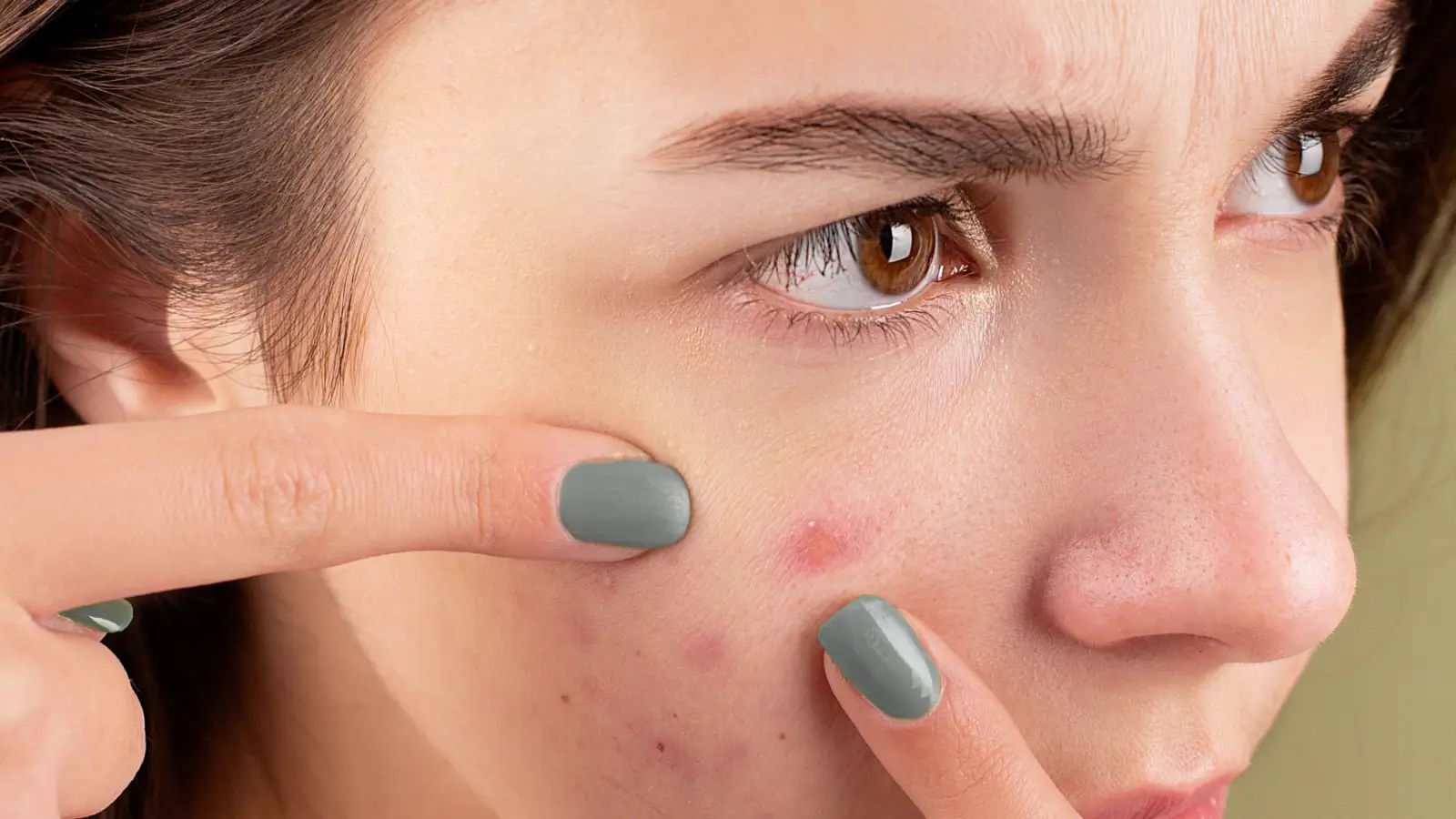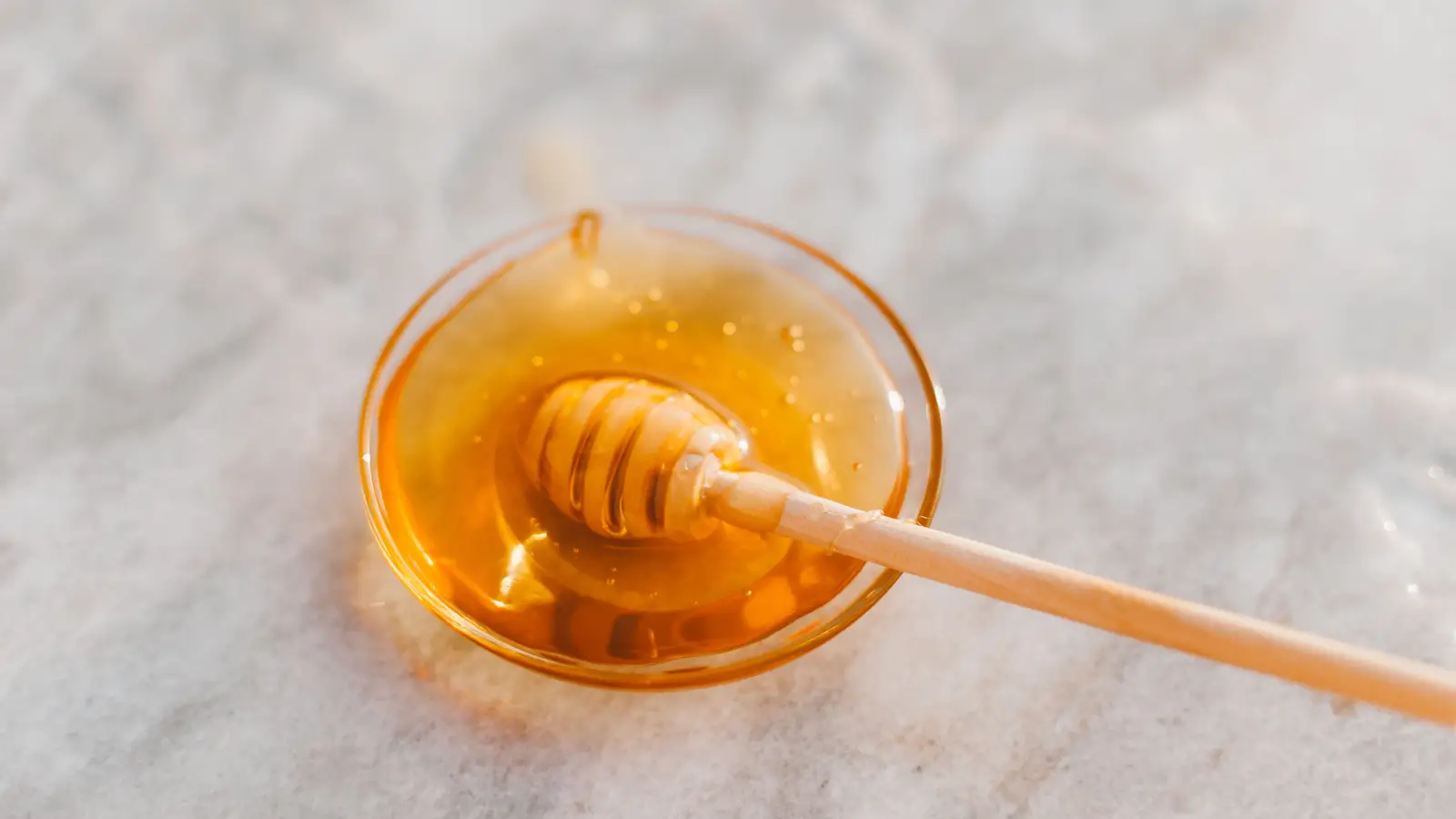
Most people clicking on “honey for skin care” want a straight answer: is this actually backed by anything, or is it another sticky fad? It is backed by research—specifically, honey’s antimicrobial action, its ability to draw in moisture, and its support for wound healing. But the gap between what the science shows and what ends up on your face comes down to the type of honey you pick and how carefully you use it. This is not a recipe roundup. It’s a one-stop practical guide to the science, the honey types that work, and the safety rules people ignore at their own expense.
The Three Scientific Pillars of Honey’s Skin Benefits
If you want to use honey on skin, you need to know what it can actually do. Everything else—mask recipes, frequency, brand choices—rests on these three mechanisms.
Antimicrobial action: Honey kills microbes through multiple routes. When you dilute it, the enzyme glucose oxidase kicks in and releases low levels of hydrogen peroxide over time. The natural acidity (pH around 3.5 to 4.5) makes the skin surface harder for many bacteria to colonize. Some honeys, like manuka, add methylglyoxal (MGO), a non-peroxide antibacterial compound that stays stable even in storage and on skin. This triple mechanism is what makes honey relevant for acne-prone skin and minor irritations.
Humectant moisture binding: Honey is a supersaturated sugar solution. It pulls water from the air into the outermost skin layer and holds it there, giving a temporary plumping and softening effect. This is not a barrier repair; it’s a hydration top-up. Works on intact skin, not on deep dehydration.
Enzymatic and wound-healing support: Raw honey carries trace proteins and enzymes from the bees. On damaged skin, the low-level peroxide, mild acidity, and osmotic pull create an environment that supports the body’s own repair processes. This is why sterilized medical-grade honey is a real clinical tool for burns and ulcers. On healthy skin at home, it translates to gentle soothing, not a scar eraser.
A Three-Step System for Using Honey on Your Skin
The framework is direct: Source, Match, Apply. Skip any one and you’re guessing, not doing skincare.
Step 1: Source with Intent – Choosing Honey That Actually Works
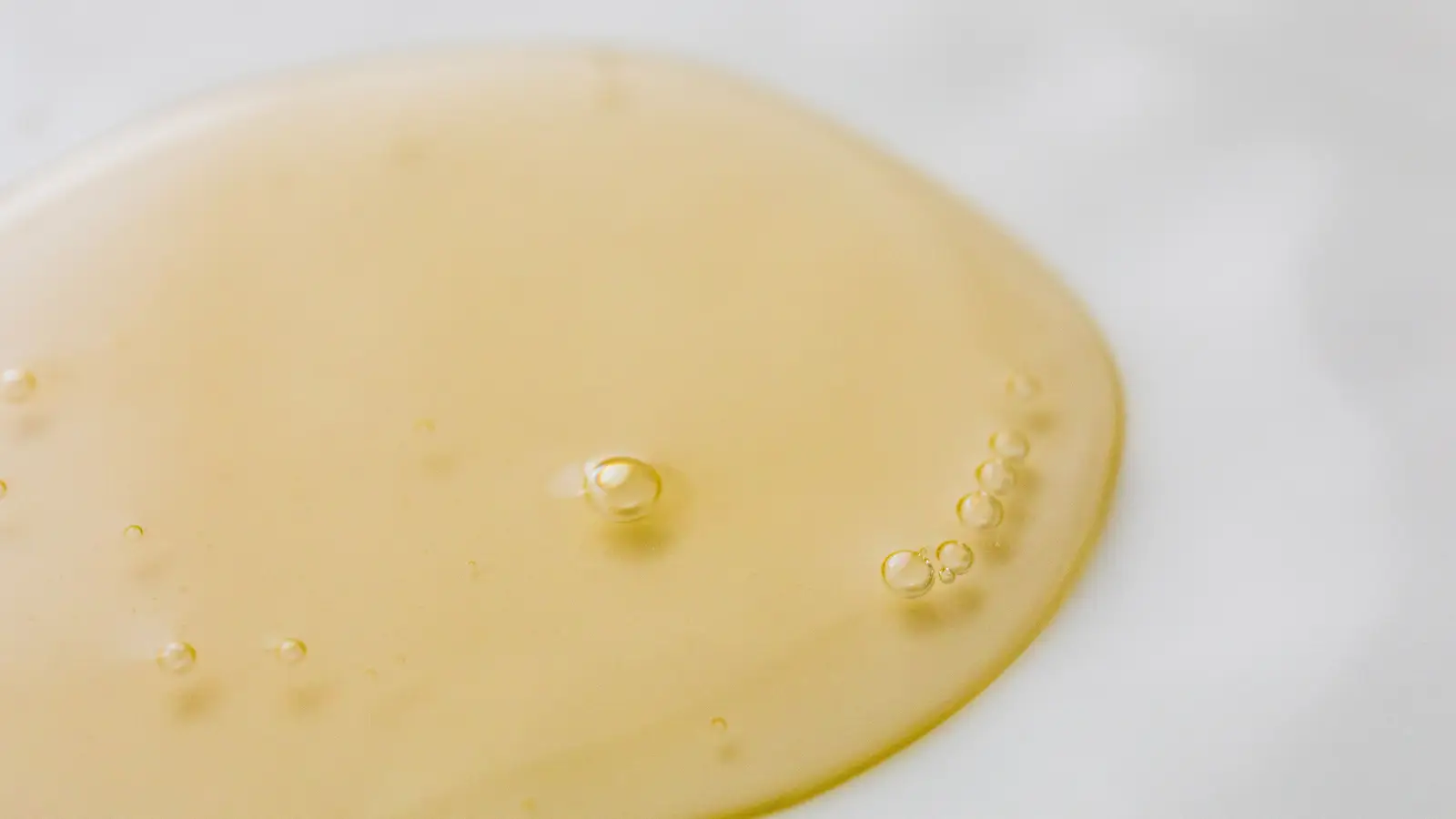
The honey you put on your face is either active or it’s just sweet. Heat processing and ultrafiltration destroy the enzymes and remove the particles that give honey its punch.
- Raw, unprocessed honey: Not pasteurized, minimally filtered. Keeps its enzymes, pollen, and propolis. Use this for general hydration masks on intact skin.
- Manuka honey: Comes from New Zealand’s manuka bush. The MGO content drives its antimicrobial strength independent of peroxide. For skincare, a UMF 10+ or MGO 263+ rating is enough; higher UMF grades (15+, 20+) are for wound care in clinical settings and cost more than you need for a facial mask.
- Medical-grade honey: Gamma-irradiated to eliminate bacterial spores, including Clostridium botulinum. This is the only honey safe for open wounds, post-procedure skin, or anyone immunocompromised. You buy it from a pharmacy, not a farmers’ market.
- Processed commercial honey: Pasteurized and filtered. It’s a humectant but has lost its enzymatic and antimicrobial activity. Using it is like doing a sugar-water rinse—not harmful, but not what you came for.
What done well looks like: You can name the type, the rating if manuka, and the supplier. No “honey” on the label without a story behind it.
Step 2: Match Honey to Your Skin’s Goal
Different honey profiles fit different jobs. You wouldn’t grab the same product for a dry cheek as you would for a cystic breakout.
- For acne-prone or oily skin: Manuka honey at UMF 10+ (or raw honey with high propolis) targets surface bacteria and helps tamp down inflammation. The acidity also temporarily reduces oiliness.
- For dry, dehydrated skin: A raw, lighter honey like clover or orange blossom works as a pure humectant. You don’t need the heavy antimicrobial hit—just the moisture pull.
- For sensitive or easily irritated skin: Medical-grade honey or a monofloral raw honey with naturally lower enzymatic activity (acacia, tupelo) reduces the chance of stinging or redness. Less processing means fewer contaminants, but lower enzymatic sharpness matters here.
- For wound care and broken skin: Only medical-grade. No exceptions. Grocery or raw honey has spore risk, however small, and that risk belongs nowhere near an open wound.
What done well looks like: You can state, without hesitating, why manuka is on the chin breakout and raw clover is on the dry cheek. No guessing.
Step 3: Apply Safely and Consistently
Good honey applied badly causes problems. These three safety habits must be non-negotiable.
- Patch test every new honey: Dab a small amount behind the ear or on the inner wrist. Wait 24 hours. Honey contains pollen proteins that can trigger contact dermatitis in allergic individuals. You want to discover that on your arm, not your face.
- Keep honey off open skin unless it’s medical-grade: Broken skin is a potential entry for spores, including those naturally present in raw honey. Healthy adult skin handles ingestion, but a wound can create an anaerobic environment where they germinate. If the barrier is broken, use a sterilized product.
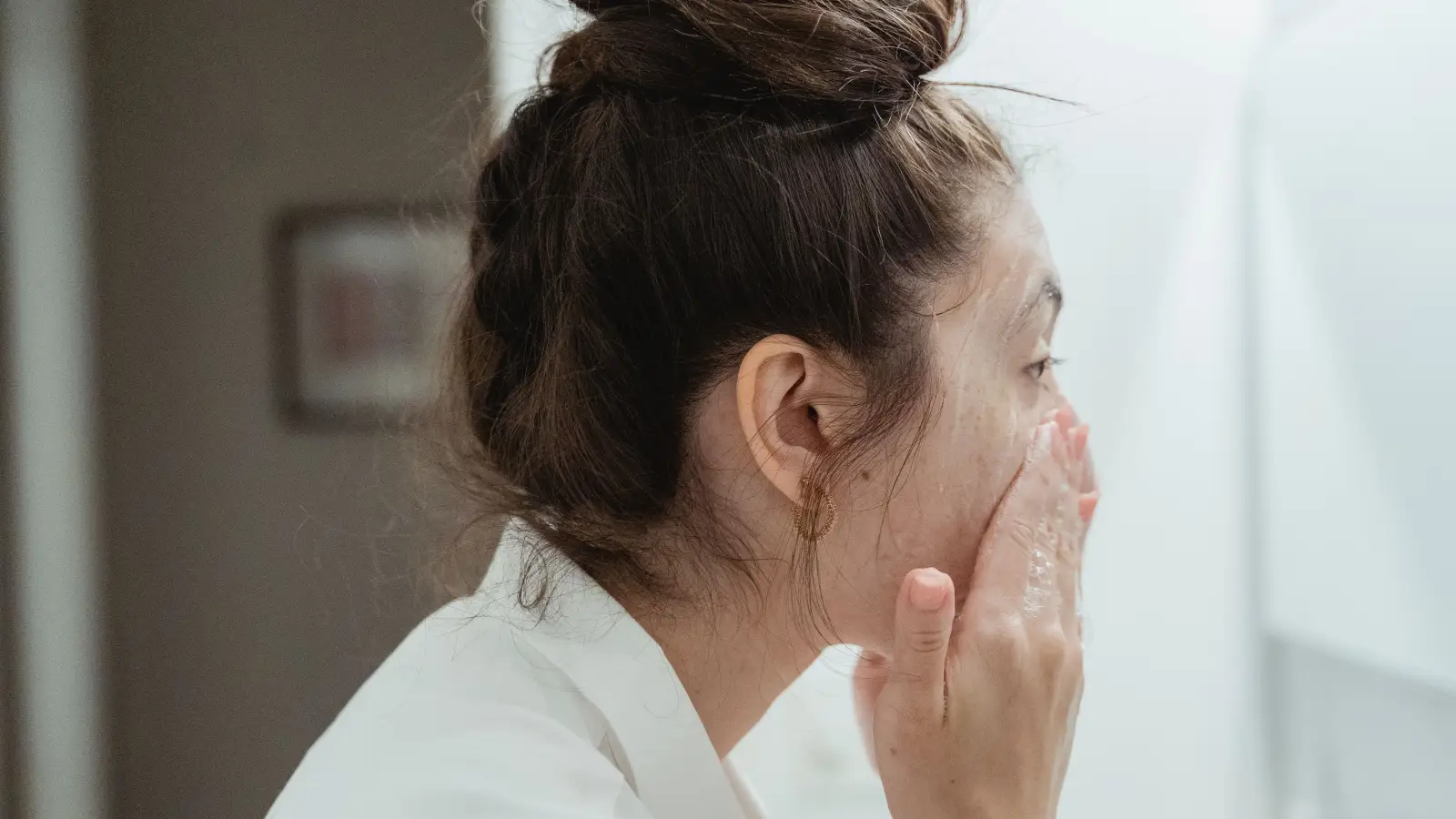
- Rinse thoroughly and lock in moisture: Honey’s stickiness traps dust and can clog pores if you leave residue. Wash off with warm water or a gentle cleanser. Follow within minutes with a moisturizer to seal the hydration pull into the skin.
Application rhythm: Two to three times a week for masks; once daily for a short-contact spot treatment. Overuse can dry out skin from the mild acidity, so watch for tightness or redness and back off.
What done well looks like: Skin feels smoother, not stripped; no itching or hives; and you’re on a schedule that respects your skin’s feedback.
Putting the System to Work: A Realistic Routine
Take the case of someone with combination skin—occasional hormonal chin breakouts and sensitive cheeks. Harsh acne products have left them red and flaky. They want something effective but gentler.
Source: They buy a small jar of raw manuka honey with UMF 10+ from a verified New Zealand brand, and a second jar of local raw wildflower honey for general moisture masks.
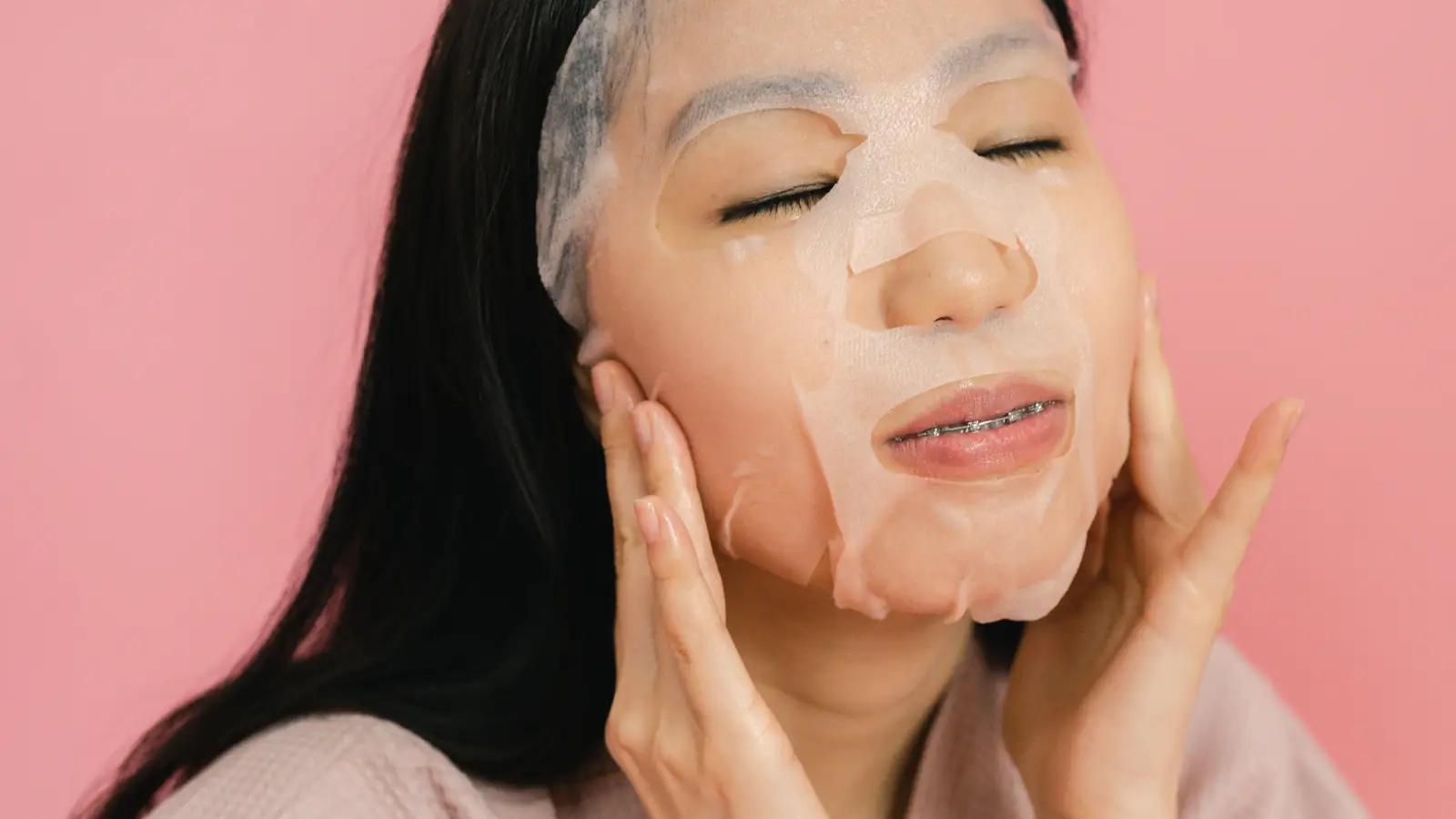
Match: During breakout weeks, they apply a thin layer of the manuka mask to the chin and T-zone, leaving it for 15–20 minutes before rinsing. On dry-skin days, they use the wildflower honey mixed with a spoonful of plain yogurt for extra soothing.
Apply: Before the first mask, they patch test behind the ear and wait a full day with no reaction. They wash their face, spread honey with clean fingertips, lay a damp washcloth over it to stop drips, rinse with lukewarm water, and follow immediately with a fragrance-free moisturizer. They do this twice a week, observing for any tightness or irritation, adjusting as needed.
After about four weeks: fewer angry breakouts, less post-acne redness, and skin that feels hydrated instead of raw.
Where People Get Sloppy – And What It Costs Their Skin
Even with good intentions, these mistakes repeat.
Grabbing the Honey Bear from the Pantry and Calling It Skincare
That squeezy bear is almost certainly pasteurized, filtered, and blended. It’s food-safe but skin-inert beyond basic humectant action. The enzymes are dead. Using it for acne or inflammation delivers zero antimicrobial benefit, and the person walks away convinced honey doesn’t work. The cost? Wasted time, a sticky pillow, and a missed opportunity.
Skipping the Patch Test Because “It’s Natural”
Natural does not mean hypoallergenic. Honey contains pollen, bee proteins, and sometimes trace plant compounds from certain nectars. Reactions can range from mild itching to full contact dermatitis. When you skip the test, you learn on your face, not your arm. That’s a bigger problem to fix.
Using Raw Honey on a Popped Pimple or Minor Cut
Raw honey on broken skin carries a small but real risk of botulism spores germinating in an anaerobic wound environment, especially in immunocompromised individuals. It’s rare, but it’s preventable. Medical-grade honey is sterilized for exactly this reason. If the skin barrier is compromised, step away from the farmers’ market jar and grab the regulated product.
Quick Reference: Honey Types for Skin at a Glance
| Honey Type | Key Active | Best For | Avoid For |
|---|---|---|---|
| Raw, unprocessed | Hydrogen peroxide, pollen, enzymes | Hydration, gentle masks, combination skin | Open wounds, known pollen allergies |
| Manuka (UMF 10+ / MGO 263+) | Methylglyoxal, low pH | Acne-prone, oily, inflammatory breakouts | Daily use on very sensitive skin without patch test |
| Manuka (UMF 15+ / MGO 514+) | High MGO | Spot treatment for stubborn blemishes, occasional wound care under guidance | Regular facial masks—overkill and expensive |
| Medical-grade (sterilized) | Stable antimicrobial activity, no spores | Open wounds, post-procedure skin, severe irritation | General cosmetic use—costly and not needed for intact skin |
| Processed commercial | Sugar (humectant) only | Emergency moisture boost when nothing else is available | Any goal requiring bioactive compounds |
Frequently Asked Questions About Honey and Skin
Can honey clog pores?
Pure honey is not comedogenic, but leaving residue on the skin that mixes with makeup or dirt can contribute to congestion. Rinse completely, especially if acne-prone.
Is it safe to leave honey on your face overnight?
No, it’s not recommended. The stickiness attracts dust and can dry into an irritating film. A 15- to 30-minute mask gives the benefit without the mess or risk.
Which honey is best for acne scars?
No honey will erase a scar. However, manuka UMF 10+ can reduce ongoing inflammation that worsens post-acne marks. For actual scar fading, topical vitamin C or niacinamide are more direct. Honey plays a supporting role.
Can people with bee allergies use honey on their skin?
Those with anaphylactic bee venom allergy should be cautious. Venom and honey proteins can differ, but cross-reactivity exists. Patch test and consult an allergist before proceeding.
How long does it take to see results from honey masks?
Hydration improvement is immediate. Antimicrobial effects on breakouts usually show after two to four weeks of consistent use, twice weekly. It’s a steady rhythm, not a one-off cure.
Start with the Jar That Matches Your Goal
Source, Match, Apply—the three-step system that turns honey from a pantry staple into a defendable skincare choice. If you’re not sure where to begin, go back to Step 1: read your honey label, identify whether it’s raw, manuka, medical-grade, or processed, and decide if it’s the right tool for your skin’s job. That single move decides if the rest of the system is worth your time.