Why Local Honey Fails to Relieve Seasonal Allergies
Local honey is promoted as a natural allergy cure, but the pollen it contains doesn’t match what triggers seasonal allergies. Learn why studies show it doesn’t work and what actually helps.
What honey labels really mean and the truth behind popular honey beliefs, backed by science and regulatory definitions.
Local honey is promoted as a natural allergy cure, but the pollen it contains doesn’t match what triggers seasonal allergies. Learn why studies show it doesn’t work and what actually helps.
Learn to read UMF, MGO, and TA numbers without brand bias. See how to verify antimicrobial potency so you choose a truly active honey, not just a marketed one.

Monofloral honey costs more, but science shows it’s not purer or healthier than blended honey. Antioxidant levels and sugar profiles tell a different story—save your money for flavor, not false health claims.
Honey’s fructose hits your liver the same way table sugar does—and the antioxidants don’t fix it. Learn when each sweetener really wins and why the health halo is a myth.
Pure honey may be free of additives but lacks the enzymes and pollen your skin needs. Learn why raw, unfiltered honey is the only choice for DIY skincare.

The myth is true only in a sealed tomb. Moisture, heat, or a dirty spoon can ruin your honey. Learn the storage slips that waste a good jar—and how to stop them.
Organic and raw honey sound alike but mean two different things. Learn when each label matters and how to pick the right jar for your priorities.
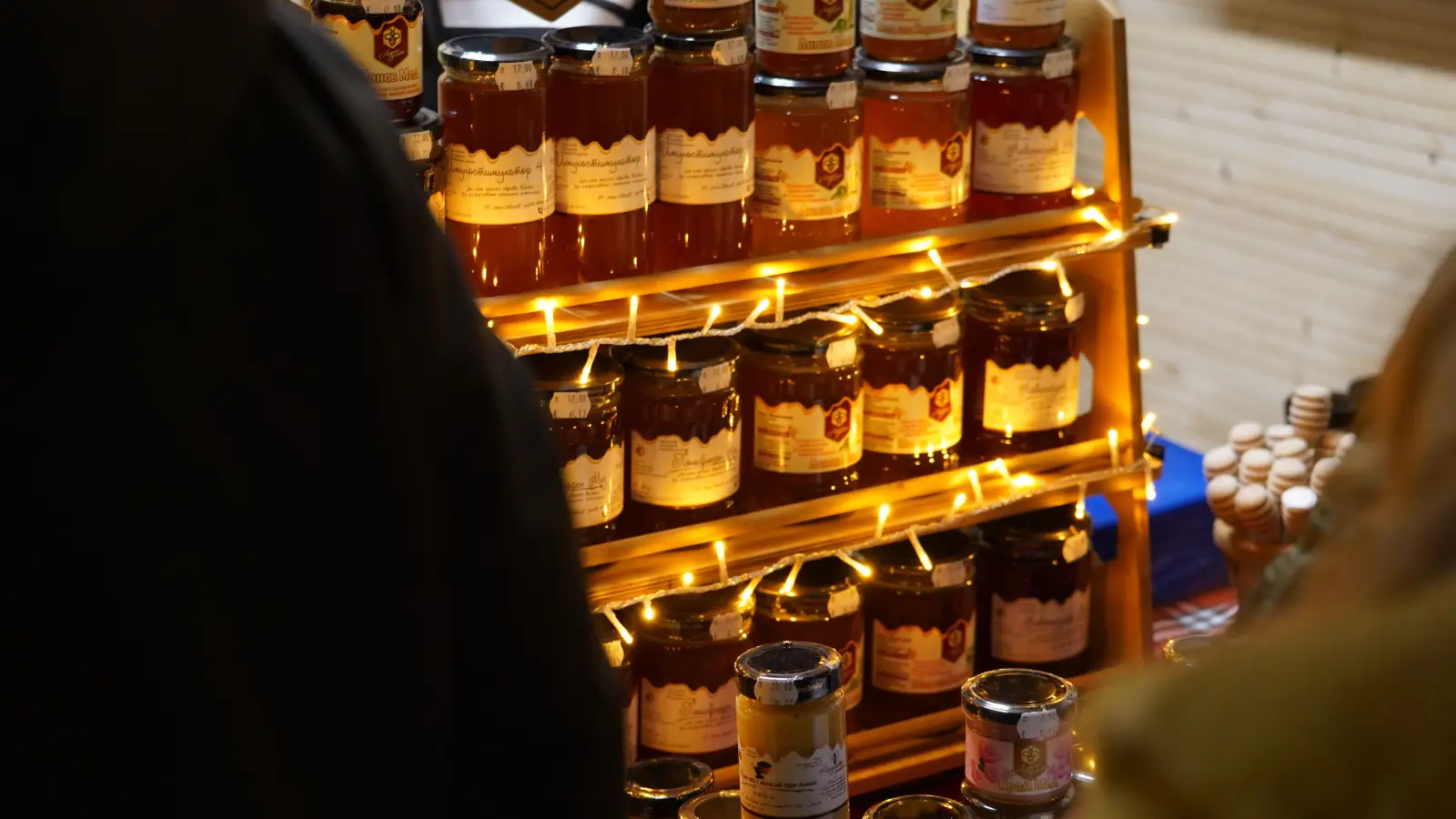
Learn which honey label terms the USDA actually regulates: organic, U.S. Grade A, and what words like pure, raw, and unfiltered really mean — without brand spin.
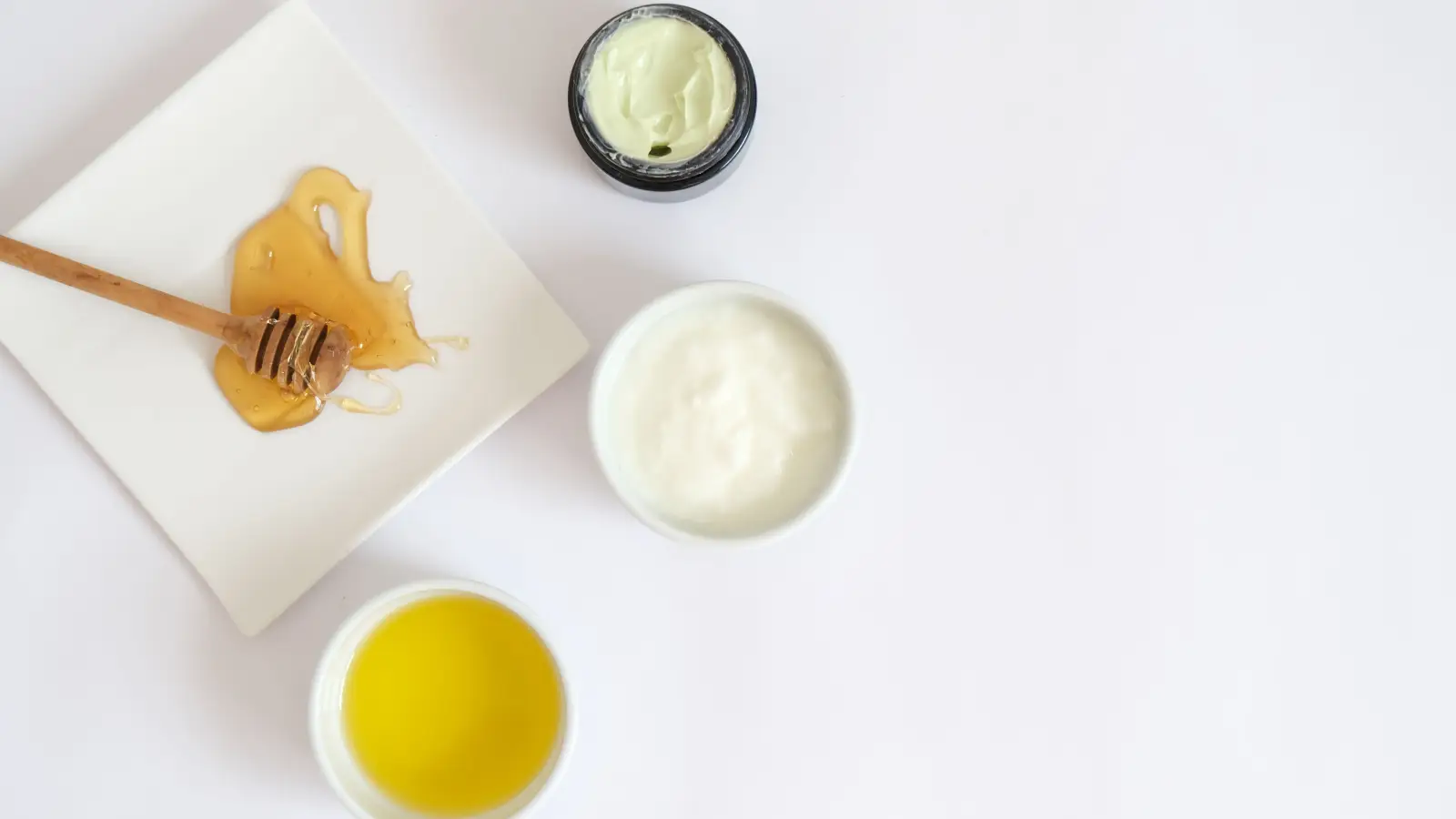
Does honey really lighten skin or cure acne? We trace five stubborn honey skincare myths back to their origins, then show what science actually says.
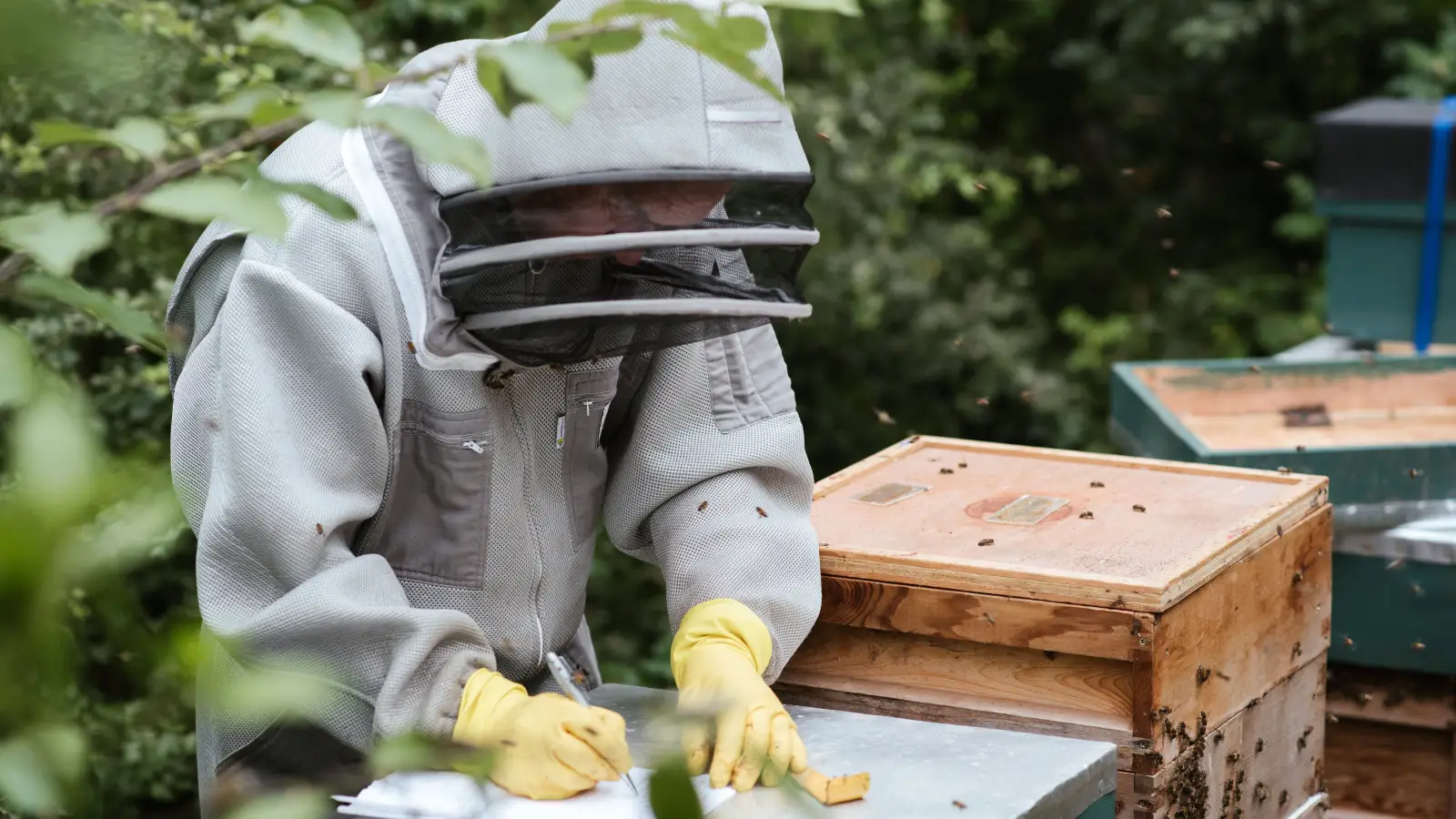
Pasteurized honey kills yeast and bacteria for predictable safety. Raw honey's risks are real but often overblown. See which jar wins in every scenario.