Honey never spoils? That promise came with fine print. Moisture, heat, and contamination are the three spoilage triggers hiding in everyday kitchen habits. Unless you’re storing your jar like an ancient Egyptian tomb—sealed, cool, and bone-dry—that honey can ferment, sour, or grow mold. This isn’t honey letting you down; it’s a perfectly avoidable waste of a treasure that deserves better.
Which of These Sounds Like Your Jar?
Most honey problems start with a small storage slip, not a flawed product. Pinpoint where you are now.
You’ve had the same jar on the shelf for years and it still looks fine. Your route: learn what invisible threats accumulate—slow moisture uptake, yeast activation, and heat degradation—so you can check for them before that first off smell appears.
You just opened a forgotten jar from the back of the pantry and it whiffs of alcohol or sour fruit. Your route: understand whether fermentation has truly spoiled it or if the honey can be salvaged for baking or brewing, and what to do differently next time.
You’re new to raw, local honey and keep hearing alarming stories about it “going bad.” Your route: get a clear, practical storage method that respects honey’s sensitivity without turning your kitchen into a science lab.
The Three Things That Actually Ruin Honey
Honey’s infinite shelf life isn’t magic; it’s microbiology. Three conditions give spoilage organisms a foothold, and none of them involve the honey degrading on its own.
Too Much Water
Honey is naturally antimicrobial thanks to its low water activity. Most properly ripened honey sits at 16–18% water—too dry for yeast and mold to function. But leave the lid loose in a humid summer kitchen, dip a damp spoon into the jar, or store it in a steamy pantry, and the water content can climb above 20%. At that threshold, dormant yeasts wake up and start fermenting sugars into alcohol and acetic acid. Anyone who has tasted honey from arid regions like Yemen knows the correlation: those low-moisture nectars age effortlessly, while a meadow honey from a damp climate demands tighter handling.
Heat Beyond the Hive
Excessive heat doesn’t make honey spoil alone, but it accelerates every reaction that can. Storing honey above a warm appliance or in a sunlit windowsill pushes the temperature past 90°F. That darkens the honey, breaks down delicate aromatics, and, critically, can lower the viscosity enough that any introduced moisture spreads faster. Heat also weakens the natural enzyme inhibitors that keep yeast in check.
Contamination from the Outside
The honey itself was sterile enough in the comb. The real risk enters on a knife that touched bread, a spoon licked clean, or airborne mold spores settling into an open jar. A single crumb of a baked good or a drop of condensation can seed a colony. Ancient sealed pots solved this by being opened with ceremony, not with whatever utensil was drying by the sink.
Ready to move on: You can explain why a wet spoon poses a bigger risk than leaving the jar open for a minute.
What the Ancients Got Right That Your Pantry Doesn’t
The same honey that outlasted pharaohs can’t survive a weekend in a house that uses the same spoon for peanut butter and tea. Egyptian tomb honey—over 3,000 years old—was still edible because it sat in airtight vessels sealed with wax or resin, buried in dry, temperature-stable desert sand. The water activity was locked at a level that made microbial life impossible. No one was dipping a piece of pita into the jar and returning it to the shelf.
Contrast that with a modern kitchen, where a jar might sit next to the toaster, get opened multiple times a day, and share a spoon with the yogurt container. The lid might not seal fully after the cardboard inner flap is discarded. Summer humidity sneaks in. A cycle of warming and cooling from nearby appliances draws traces of condensation. None of these individual acts is dramatic, but together they rewrite honey’s biology from immortal to vulnerable.
The spoilage isn’t the honey’s fault; it’s a storage environment that never gives honey the conditions it needs to stay dormant. Once that clicks, the myth stops being a comforting lie and becomes a useful warning.
Ready to move on: You stop blaming honey for “going bad” and start troubleshooting your own storage habits.
How to Lock Out Moisture, Heat, and Time
Preventing waste is simpler than most people think. The goal is to recreate, as much as possible, the low-humidity, sealed, cool environment that kept ancient honey pristine.
- Use only dry, clean utensils. Dedicate a honey dipper or a spoon that never touches other foods. If you must pour, keep the jar’s rim dry.
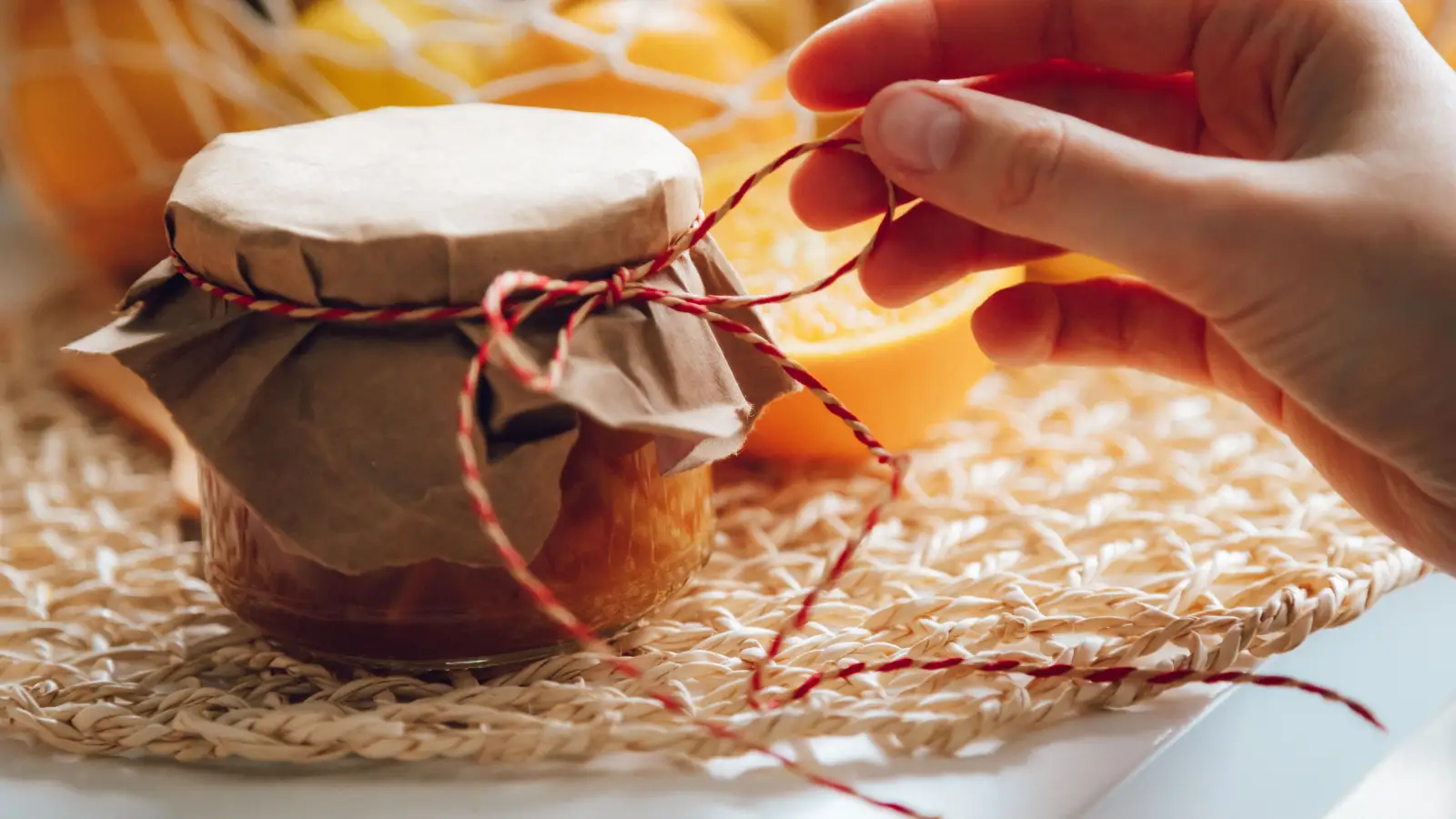
- Seal the jar immediately after use. Tighten the lid fully. A partially closed lid invites moisture exchange with the air.
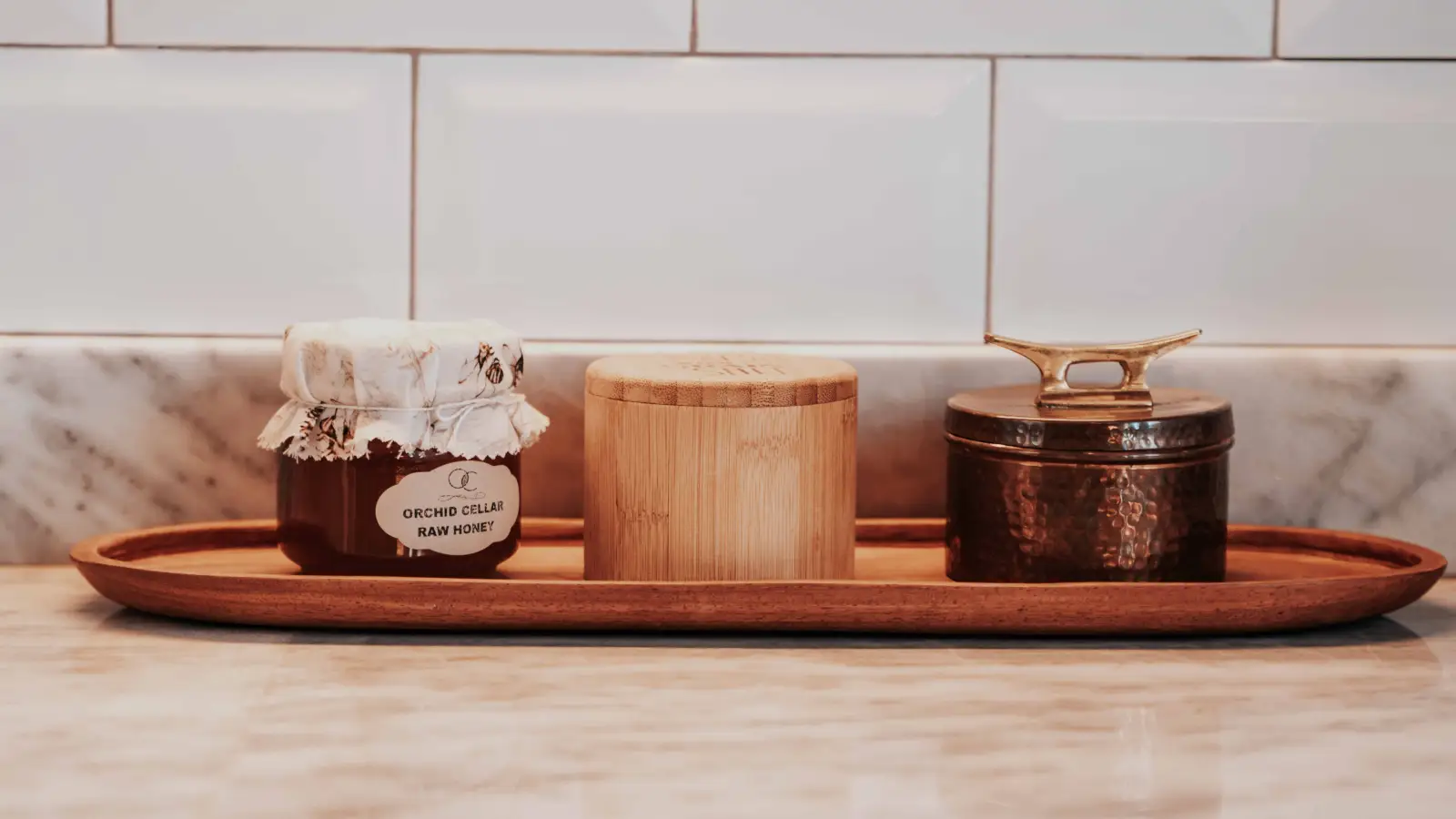
- Store in a cool, dark cupboard. Aim for a spot below 75°F and away from the stove, dishwasher, or a sunny window. A basement shelf is ideal; a cabinet above the refrigerator is one of the worst choices because of heat output.
- Skip the refrigerator. Refrigeration doesn’t harm honey directly but can promote condensation when the jar warms up after removal. That condensation raises the surface water content enough to start trouble.
- Accept crystallization—it’s not spoilage. Granulation is a physical change, not a sign of fermentation. If the texture bothers you, place the sealed jar in a bowl of warm water (not boiling) until the crystals dissolve.
When these habits become routine, honey can sit for years without changing character.
Ready to move on: Your jar stays free of off-odors and foam for months, even in a kitchen that sees heavy use.
When to Keep It and When to Throw It Out
Even with the best intentions, a jar might cross the line.
Clear Signs of Spoil
- A rank, yeasty, or vinegary smell. This is ethanol and acetic acid from active fermentation. The honey is no longer pleasant raw.
- Persistent bubbling or foam. A little foam from pouring is normal, but continuous tiny bubbles rising when the jar is still signal active fermentation.
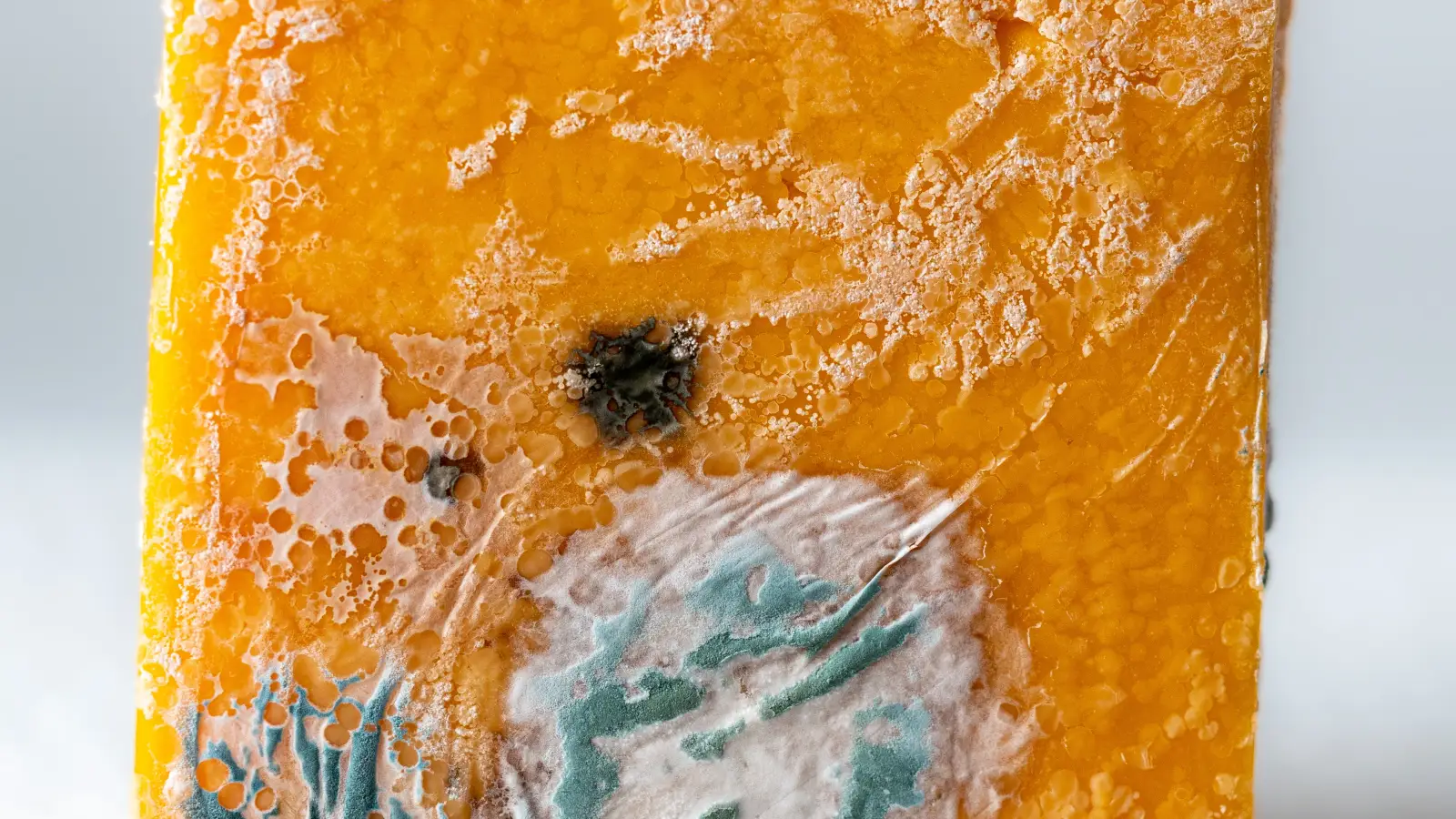
- Mold fuzz on the surface. Any visible mold means the jar must go—mold can produce toxins that heat doesn’t destroy.
- Sour or alcohol taste. If it tastes like cider or boozy, spoilage organisms have taken over.
Salvageable Territory
If fermentation is extremely mild—just a faint tang and no off-putting stench—the honey can be used in baking, marinades, or brewing where heat or further fermentation is part of the process. It’s not suitable for raw consumption or for drizzling over cheese where the flavor would stand out. In many cultures, slightly fermented honey is the starting point for mead; but if you’re not planning to ferment it intentionally, the safest path is to discard.
Ready to move on: You can confidently decide that a jar smelling like cider vinegar goes to the compost, not the tea.
Readiness Signs Recap
- You can describe why a wet spoon is riskier than a minute of open air.
- You no longer believe honey is indestructible and instead audit your storage habits.
- Your honey stays fresh with no off-odors or persistent bubbles for months.
- You can tell the difference between harmless foam and fermenting bubbles, and you know when to toss a jar.
Worries You Can Ignore (for Now)
Many things that alarm honey lovers are perfectly normal. Don’t fixate on these unless the triggers below appear.
Crystallization (Granulation)
A jar that turns solid or grainy hasn’t spoiled—it’s a sign of real honey with a high glucose ratio. Creamed honey is deliberately crystallized. Only worry if the honey becomes so hard that moisture separates out, creating a watery layer on top that could start fermenting. The trigger: if you see a liquid layer with bubbles and a yeasty smell, then act.
Color Darkening
Over months or years, honey naturally darkens and its flavor may become more caramel-like. This is oxidation and Maillard browning, not spoilage. The trigger: if the dark color accompanies a burnt, chemical, or rancid smell, then it’s time to question the jar.
Pouring Foam
A thin layer of bubbles often forms when honey is poured or agitated. That’s just air. The trigger: if those bubbles persist for days and multiply without agitation, and the jar smells fermented, then it’s a problem.
Frequently Asked Questions
Can honey go bad in the fridge?
Not in the sense of spoiling from cold, but condensation when it warms up can add enough surface moisture to start fermentation. Keep it in a cool cupboard instead.
How do I know if my honey has too much moisture?
A simple indication: if the honey appears unusually thin, or if after sealing it at room temperature you see water droplets forming inside the jar, the water content may be above safe levels. A refractometer is the precise tool, but for a kitchen check, the drip test—honey should stream in a thick ribbon, not a watery drizzle—is often enough.
Does heating honey spoil it faster?
Moderate warmth to remove crystallization is fine, but prolonged high heat above 120°F can degrade enzymes and flavor. More important, heat can accelerate fermentation if moisture is already present. So don’t store honey near a heat source.
Can I still use honey that has fermented?
If the fermentation is slight, the honey can be used in cooking or as a base for mead. If it smells strongly alcoholic, vinegary, or shows mold, discard it. Raw honey that has begun fermenting should not be eaten uncooked.
The Waste-Free Jar
When you can open a jar that’s been on the shelf for a year and find it exactly as you left it—clean, aromatic, no bubbling—you’ve nailed the storage. For the reader who just wants to keep their pantry honey safe, the first action is to switch to a dry dedicated dipper and check that the jar’s lid seals tightly every time.