If the honey in your jar tastes like coins, plastic wrap, or a damp basement, the container is the problem. Honey itself doesn’t give off those flavors — acidic contact with the wrong lid or moisture sneaking in does the damage. The fix starts with knowing which taste you’re dealing with.
Match the Taste to the Container First
Most off-flavors clear up when you move the honey out of the culprit jar. Try this before throwing anything away:
- Taste a spoonful away from the jar’s rim and name the note — metallic, chemical, or musty.
- Pour all the honey into a clean glass jar. Use a lid that doesn’t have exposed metal: one with a continuous food‑grade coating, a pure polypropylene lid, or a glass lid with a silicone gasket.
- Seal it and wait overnight. Taste again. If the flavor fades, the previous container is at fault.
Troubleshoot by Flavor: Three Common Causes
Metallic Tang: Start at the Lid
A penny‑like taste almost always traces back to the metal lid. Honey’s acidity (pH 3.4–6.1) slowly eats into tin‑plated steel, zinc galvanization, and some stainless alloys, pulling iron, zinc, or tin into the honey. The longer it sits, the sharper the metallic note gets.
How to confirm: Unscrew the lid and look underneath. Pitting, rust flecks, or a dull gray film signal corrosion. A sour, rusty smell is a good backup clue.
Fix it: Decant the honey into glass right away. Replace the lid with one that keeps metal entirely away from the honey — an intact epoxy‑lined lid, a polypropylene lid, or a glass lid with a silicone seal. Wipe the jar’s threads clean. The metallic compounds already in the honey won’t vanish, but the taste often becomes unnoticeable once the source is removed.
Plastic Overtones: Leaching from the Container
Soft, non‑food‑grade plastics shed plasticizers and stabilizers into acidic honey over weeks. The taste can resemble a mild solvent, a bandage, or new vinyl. Dark, thick‑walled containers are riskier; they often contain more dyes and fillers.
How to confirm: Pour a small amount into a glass dish and leave it uncovered for an hour. If the chemical smell dissipates, volatiles were off‑gassing from the plastic. Check the bottom for recycling codes. PVC (#3) and #7 (miscellaneous, often polycarbonate) are frequent offenders. Scratched containers amplify the problem because they increase the surface area for leaching.
Fix it: Move the honey to glass. If some taste lingers even in glass, use that honey where heat or bold flavors mask it — baking, marinades, or spiced tea — instead of eating it raw. For storage, stick to glass or food‑grade HDPE (#2) or PP (#5) from trusted suppliers.
Musty Notes: Moisture Activates Yeast
When a lid doesn’t seal out humidity, honey pulls moisture from the air. Once the water content climbs past 18–20%, dormant yeasts wake up and start fermenting. The result is a musty, yeasty, or slightly vinegary flavor, sometimes with a faint fizz on the tongue.
How to confirm: Look for a watery layer on top, tiny bubbles throughout, or a stretched, gummy pour. A musty smell often shows up before the taste becomes obvious. A refractometer gives a precise reading, but your nose and the spoon tell you plenty.
Fix it: If fermentation is barely starting, slow it down by refrigerating at 40 °F (4 °C) and use the honey quickly. A fully fermented batch — sharp, fizzy, with a distinct mead‑like edge — won’t reverse. Blend it into barbecue sauces, glazes, or warm drinks where the note dissolves into the background. Going forward, keep jars sealed in a cool, dry pantry (under 50% humidity) and never leave the lid off longer than necessary.
Edge Situations That Don’t Follow the Pattern
Fermentation That Doesn’t Trace Back to Your Kitchen
Sometimes the honey arrives with too much moisture already locked in — uncapped or early‑harvested honey ferments even under a tight lid. The taste shifts from musty to a distinct alcohol sharpness, and there’s no home correction. Accept it as a cooking honey, not a table honey, and choose producers who measure moisture before bottling.
Metal Vessels, Not Just Lids
Copper pots, zinc‑coated pails, and unlined aluminum containers react far faster than a lid. A copper contact can turn honey bitter and metallic in hours. If honey has sat in any of these, don’t taste‑test — discard it. The concentration of leached metal ions can be high enough to pose a health risk, not just a flavor problem. Glass or food‑grade plastic are the only safe homes for honey you intend to eat.
Build a Storage Routine That Blocks Off‑Flavors
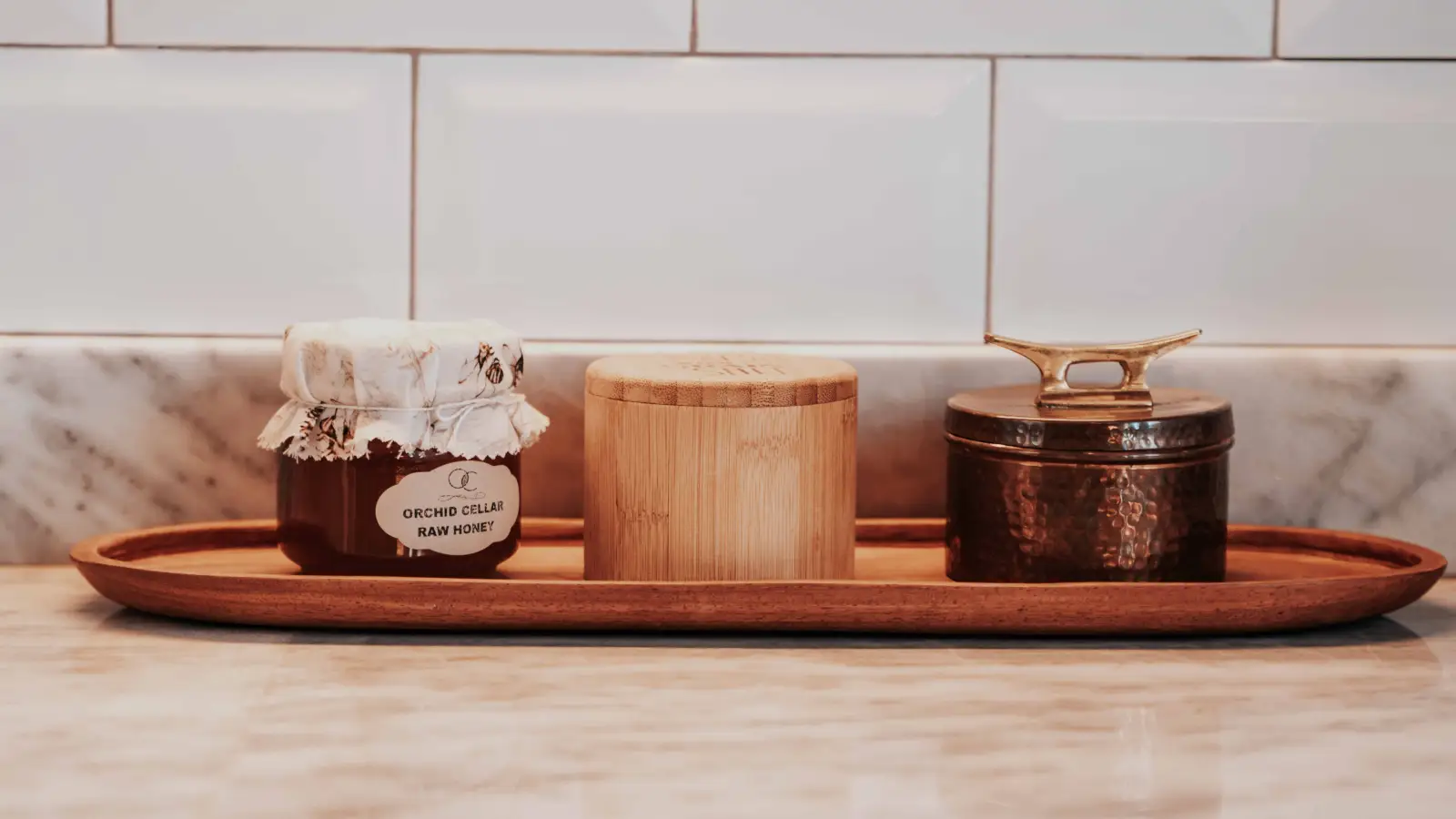
- Keep honey in glass jars with airtight, non‑reactive lids. Wide‑mouth canning jars with lacquer‑lined lids and swing‑top jars with silicone gaskets both work reliably.
- Never let metal spoons live in the jar. The constant contact corrodes even quality alloys over time.
- Store jars in a dark, cool cupboard between 50–70 °F (10–21 °C). Windowsills and heat sources speed up every chemical reaction.
- Check lids for condensation a few times a year. A single drip that runs down the inside can kick off fermentation.
- If plastic is unavoidable, use new, food‑grade HDPE or PP containers and replace them annually — scratches accumulate and become leaching points.
Frequently Asked Questions
Can old honey taste like plastic?
Yes. Extended contact with soft plastics lets plastic‑related compounds migrate into the honey, leaving a faint chemical or plastic‑like note. Moving it to glass and letting it rest can soften the perception, though the actual compounds remain.
Why does honey react with metal?
Honey is mildly acidic and can act as an electrolyte when it bridges two different metals. That accelerates corrosion on tin‑plated steel, untreated iron, or zinc coatings, leaching metal ions into the honey.
How can I tell if honey has gone bad?
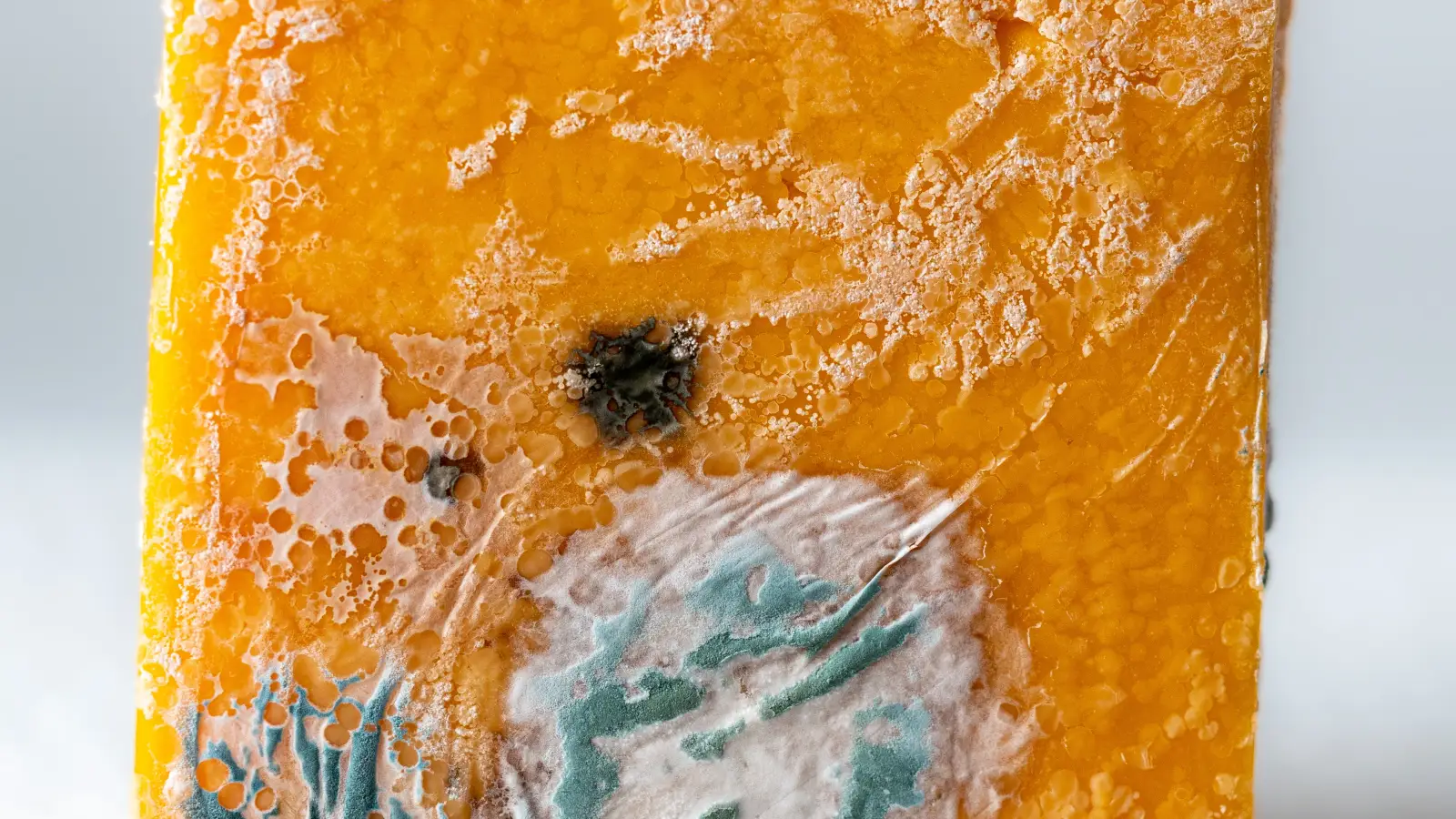
Look for a fermented smell (beer or vinegar), a fizzy mouthfeel, surface mold, or a persistent off‑flavor that doesn’t match its expected floral source. Crystallization alone isn’t spoilage.
Is it safe to eat honey that tastes metallic?
A faint metallic taste from a lid is usually tolerable in small doses, but the honey should be moved out of the reactive container right away. Honey stored directly in reactive metal vessels, however, should be discarded — the uptake can be dangerous.
When the Flavor Won’t Budge
Double‑check for overlapping issues — a reactive lid plus hidden moisture is common. If the taste is deeply chemical, rancid, or unshakably fermented, discard the batch. Start fresh with honey that was properly ripened and stored, and give it a glass jar and a reliable non‑reactive closure. If a batch consistently disappoints, ask the producer or beekeeper what they recommend for that honey’s moisture level and floral origin.