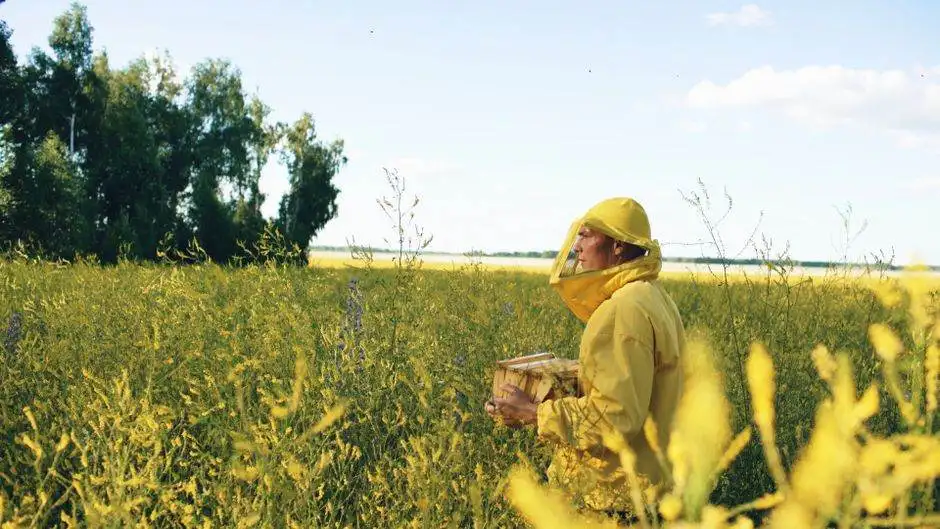
What Beekeepers Know About Wildflower Honey That You Should
Wildflower honey isn't a generic blend. Beekeepers reveal how each jar captures a specific bloom mix—why color, taste, and crystallization tell a precise story.
In-depth profiles of monofloral and polyfloral honeys, covering botanical sources, sensory characteristics, and typical culinary uses.
Wildflower honey isn't a generic blend. Beekeepers reveal how each jar captures a specific bloom mix—why color, taste, and crystallization tell a precise story.
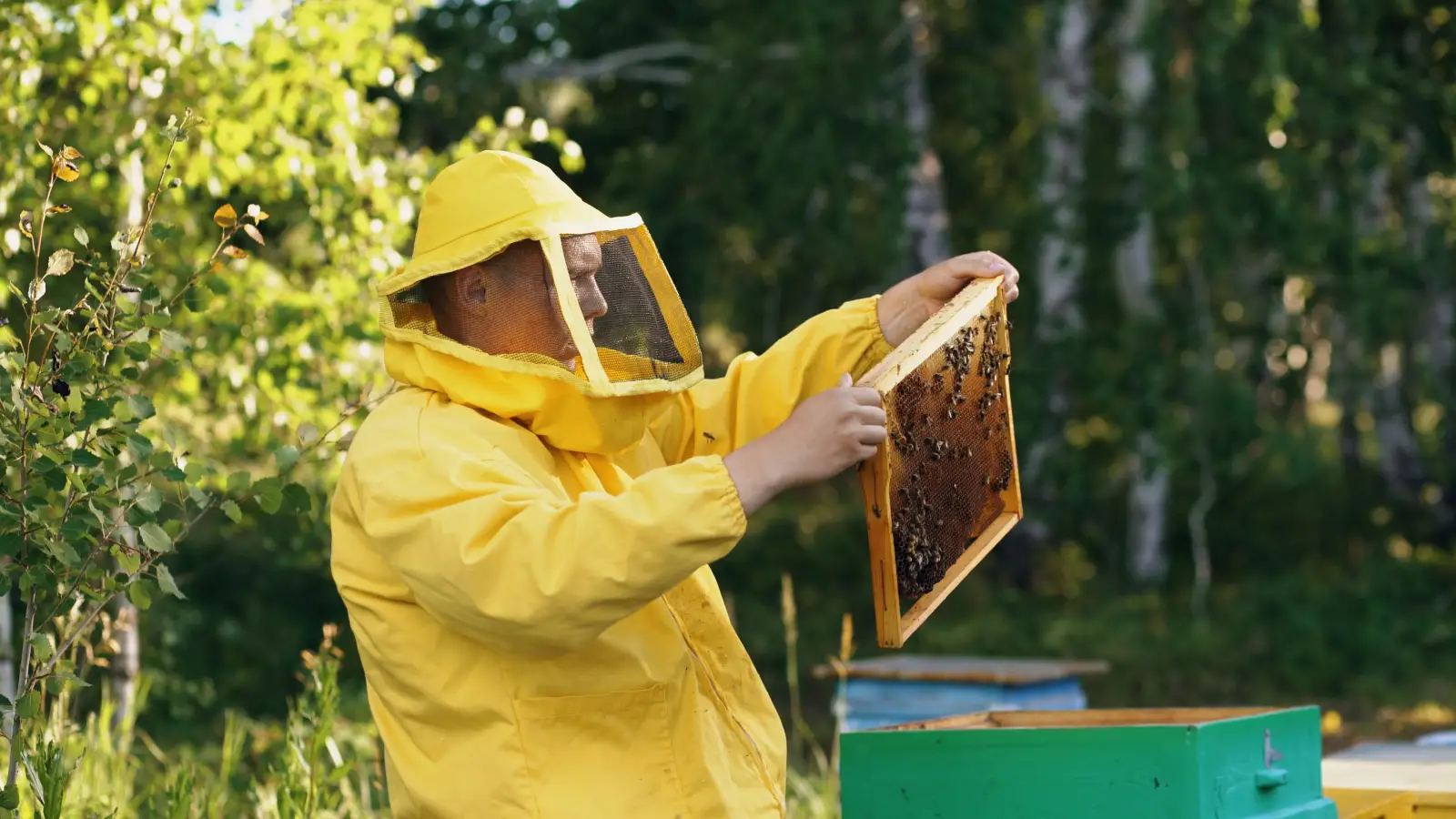
Honey types aren't labels added later—monofloral and polyfloral emerge from bee foraging behavior, bloom timing, and harvest precision. Learn the system here.
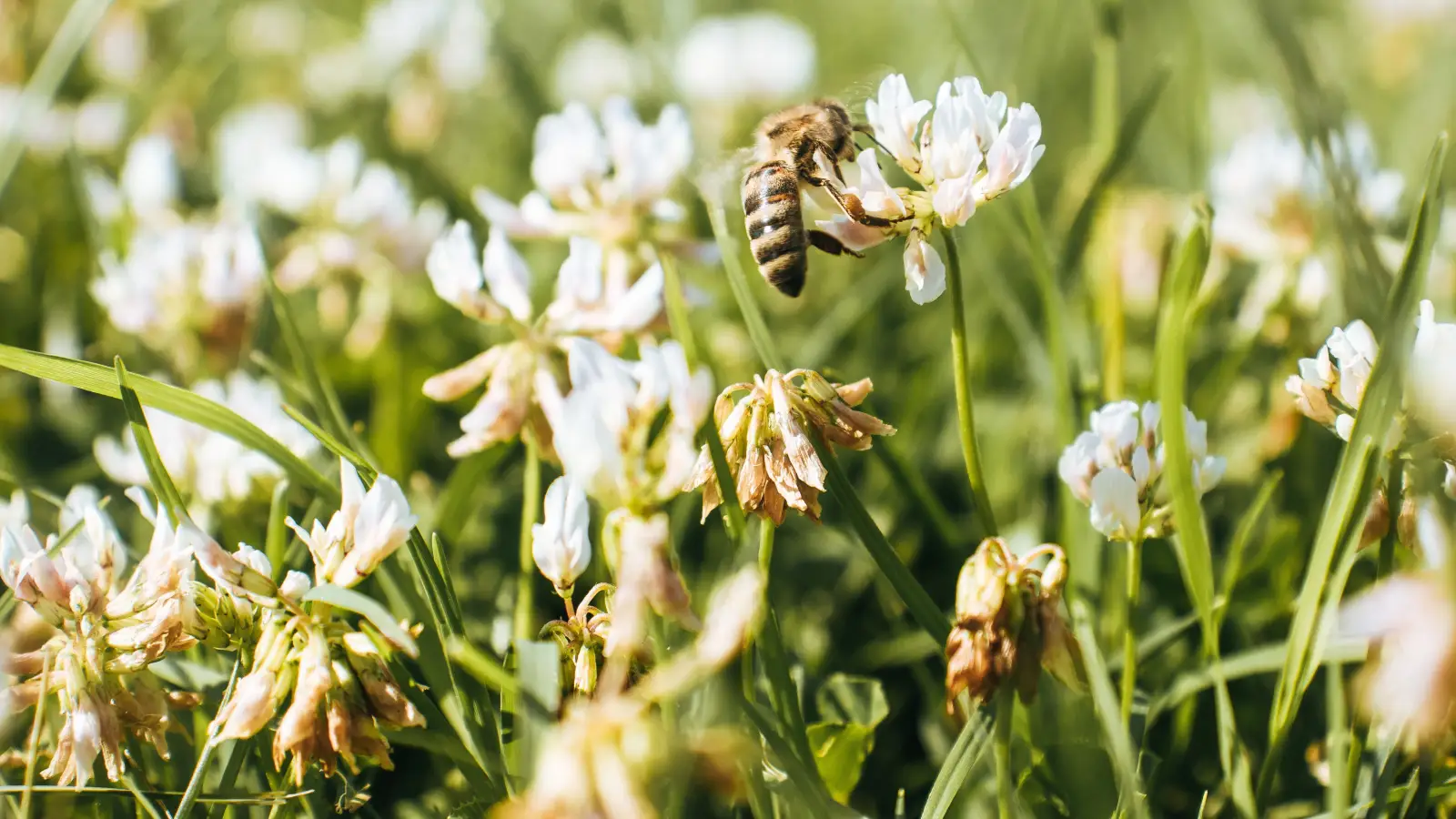
Compare eight monofloral honeys—clover, orange blossom, acacia, eucalyptus, lavender, buckwheat, manuka, and tupelo—and learn how each flower source shapes color, aroma, and taste.
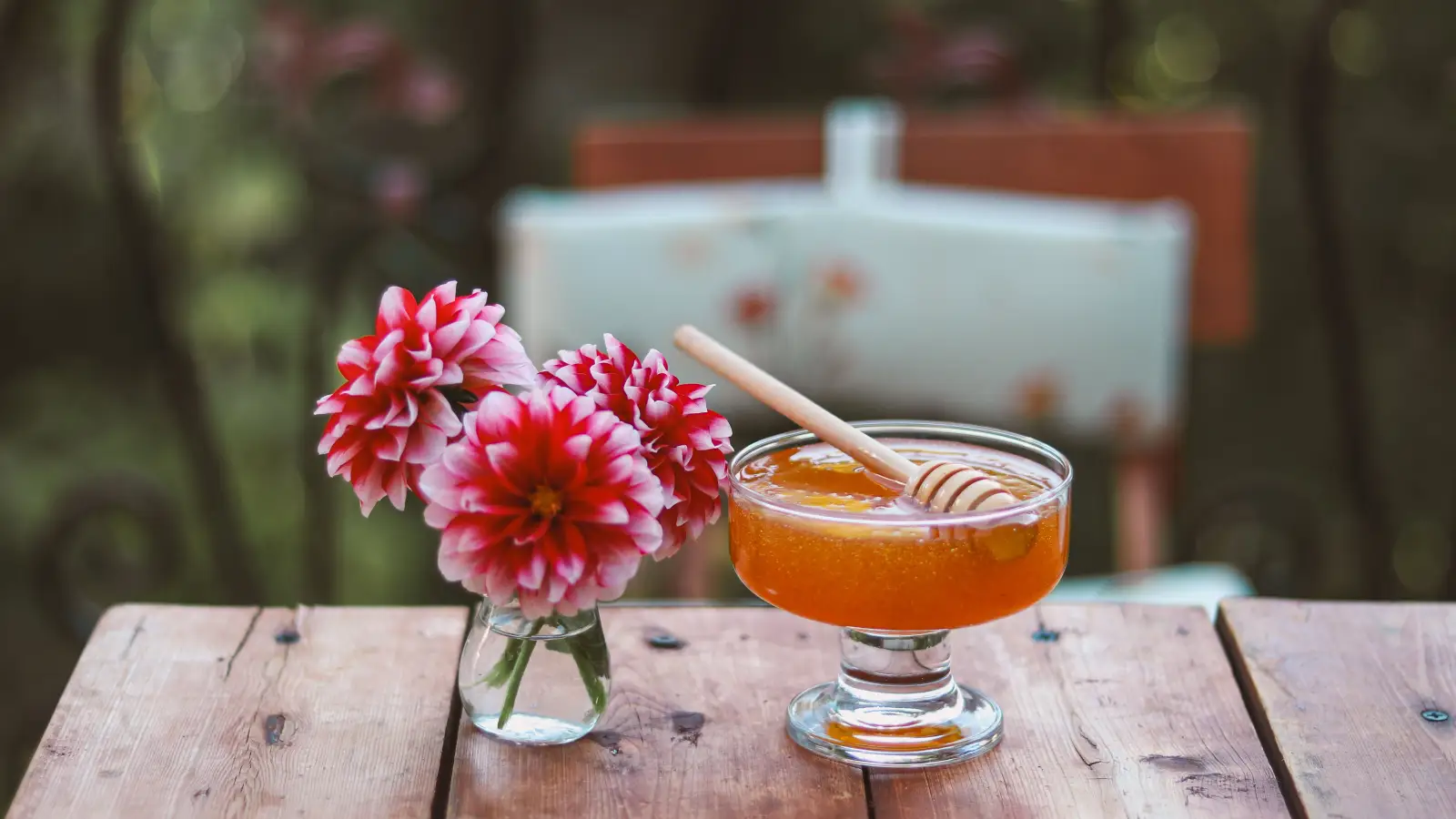
Monofloral honey isn't purely from one flower. Here's the regulatory reality, production truth, and the label clues that separate genuine jars from marketing.
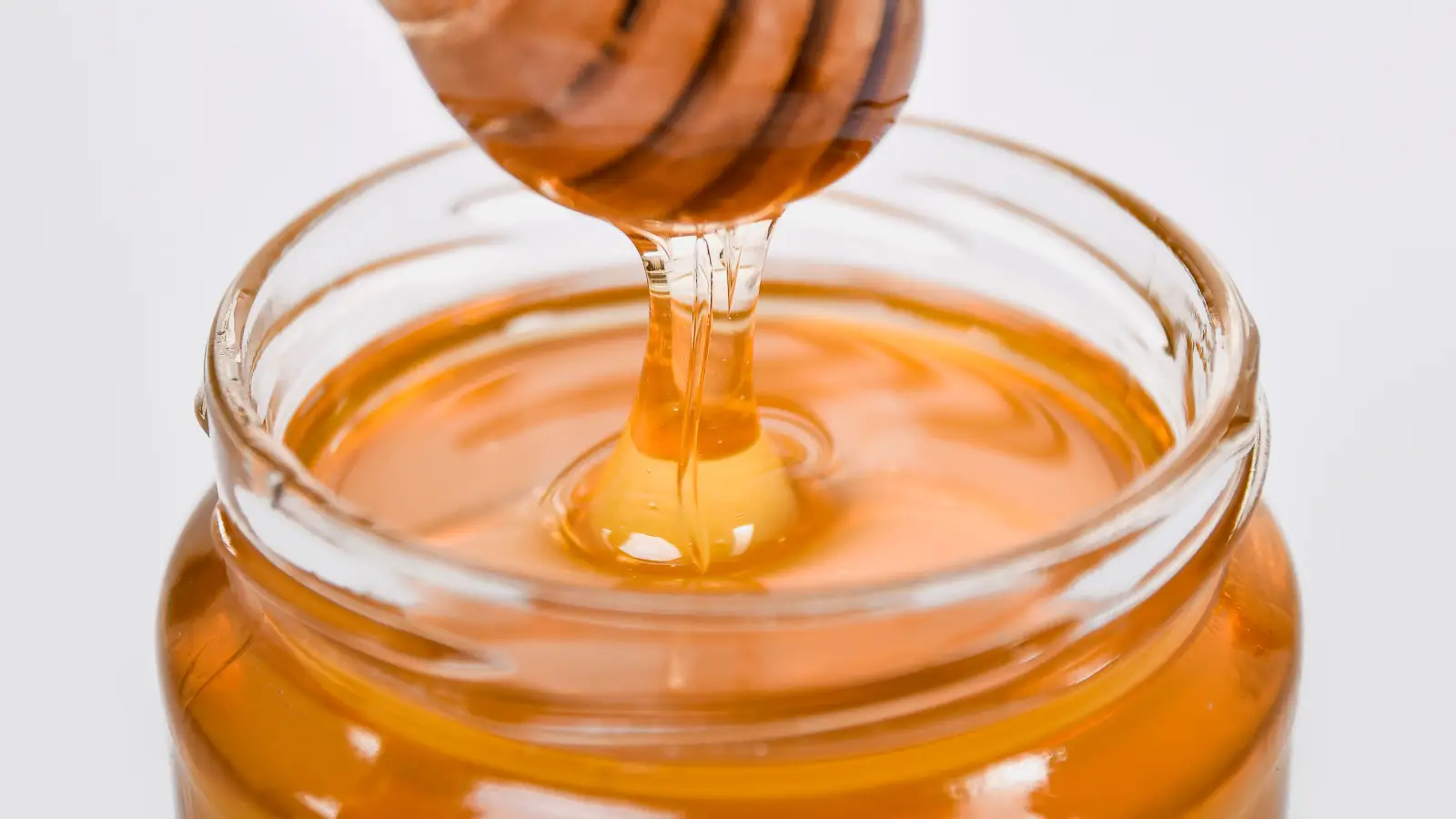
Lab tests rank buckwheat honey highest in antioxidants, but color isn't a guarantee. See which light honey rivals dark varieties and when to choose each.
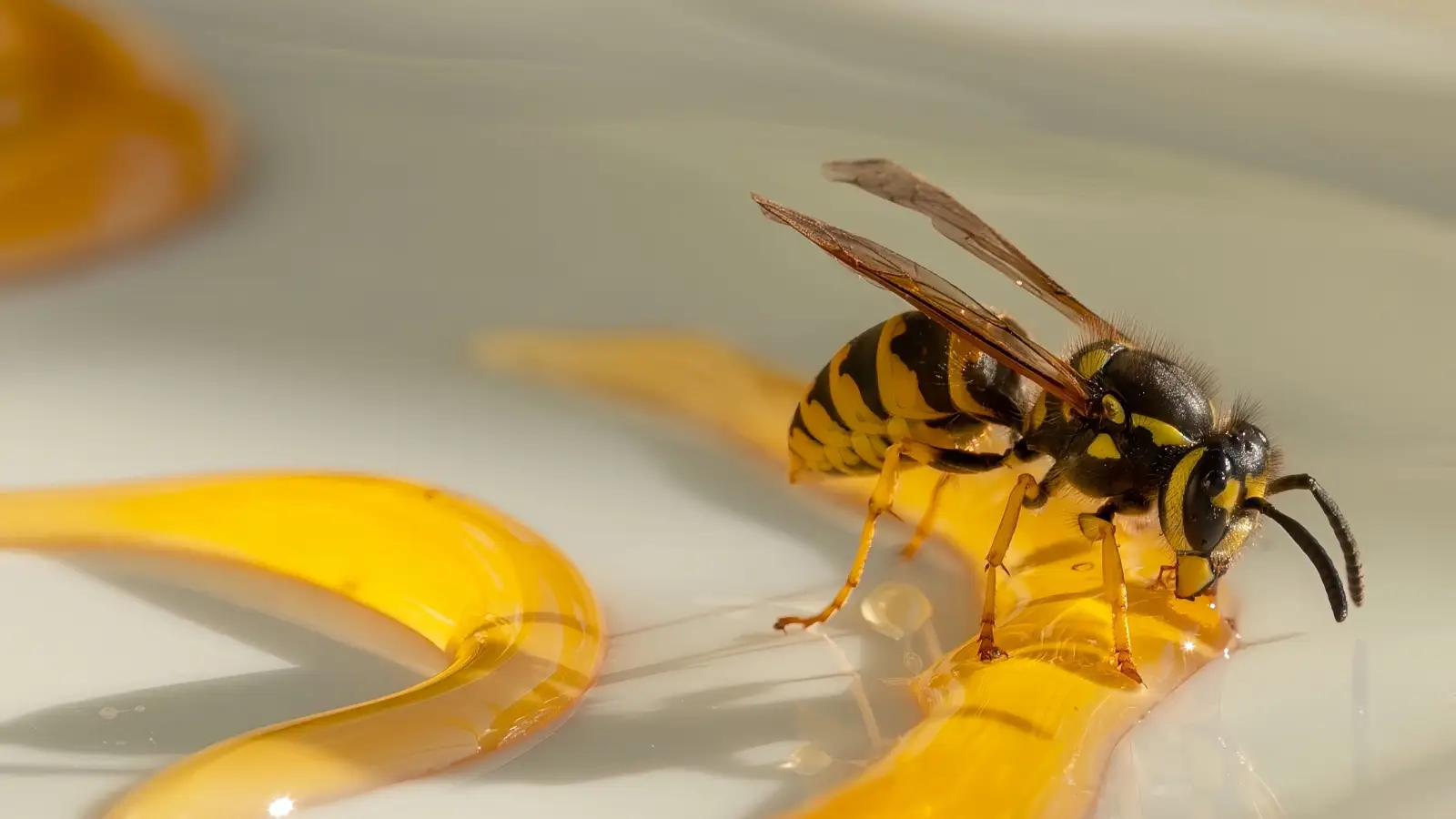
UMF verifies methylglyoxal, leptosperin, DHA, and HMF in manuka honey—proving authenticity and potency. Learn how to read a UMF label, what MGO means, and safe uses.
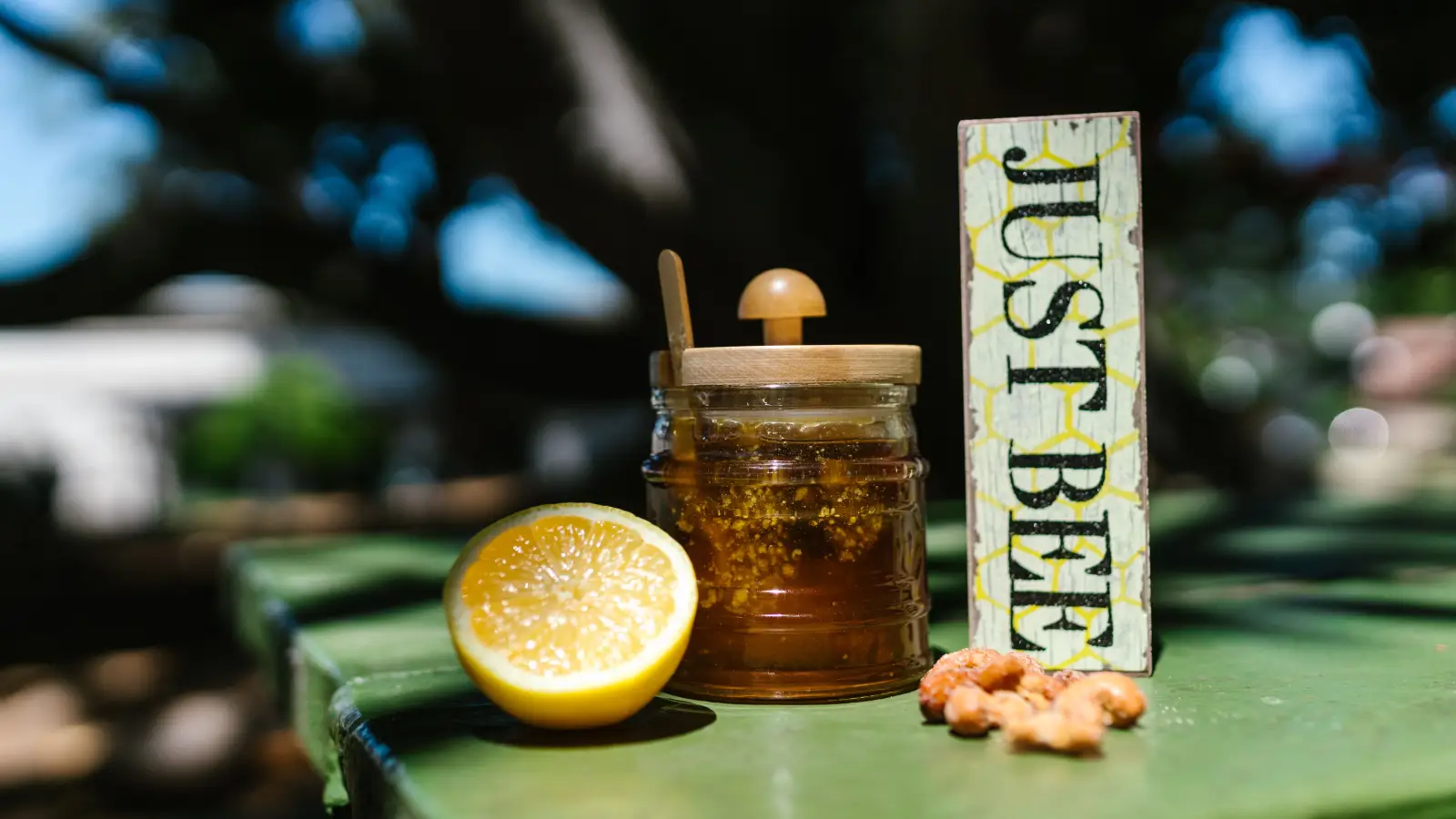
Think wildflower honey is a cheap leftover? Discover how regional nectars, seasonal timing, and beekeeper choices create intentionally complex honeys—and what the label really says.
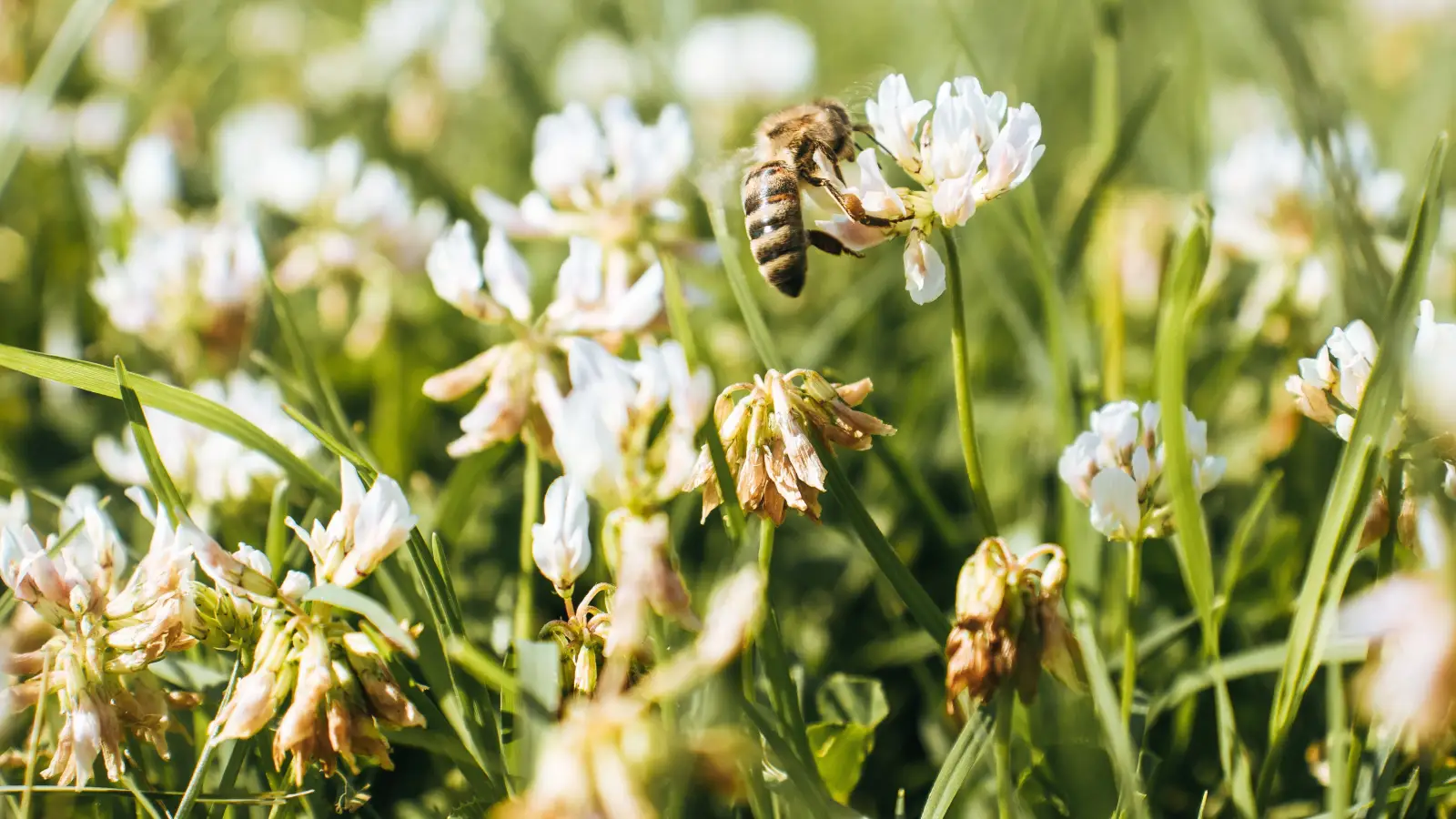
Learn how clover, acacia, and wildflower honeys differ in aroma, sweetness, and finish—and how to use those differences to train your tasting palate.
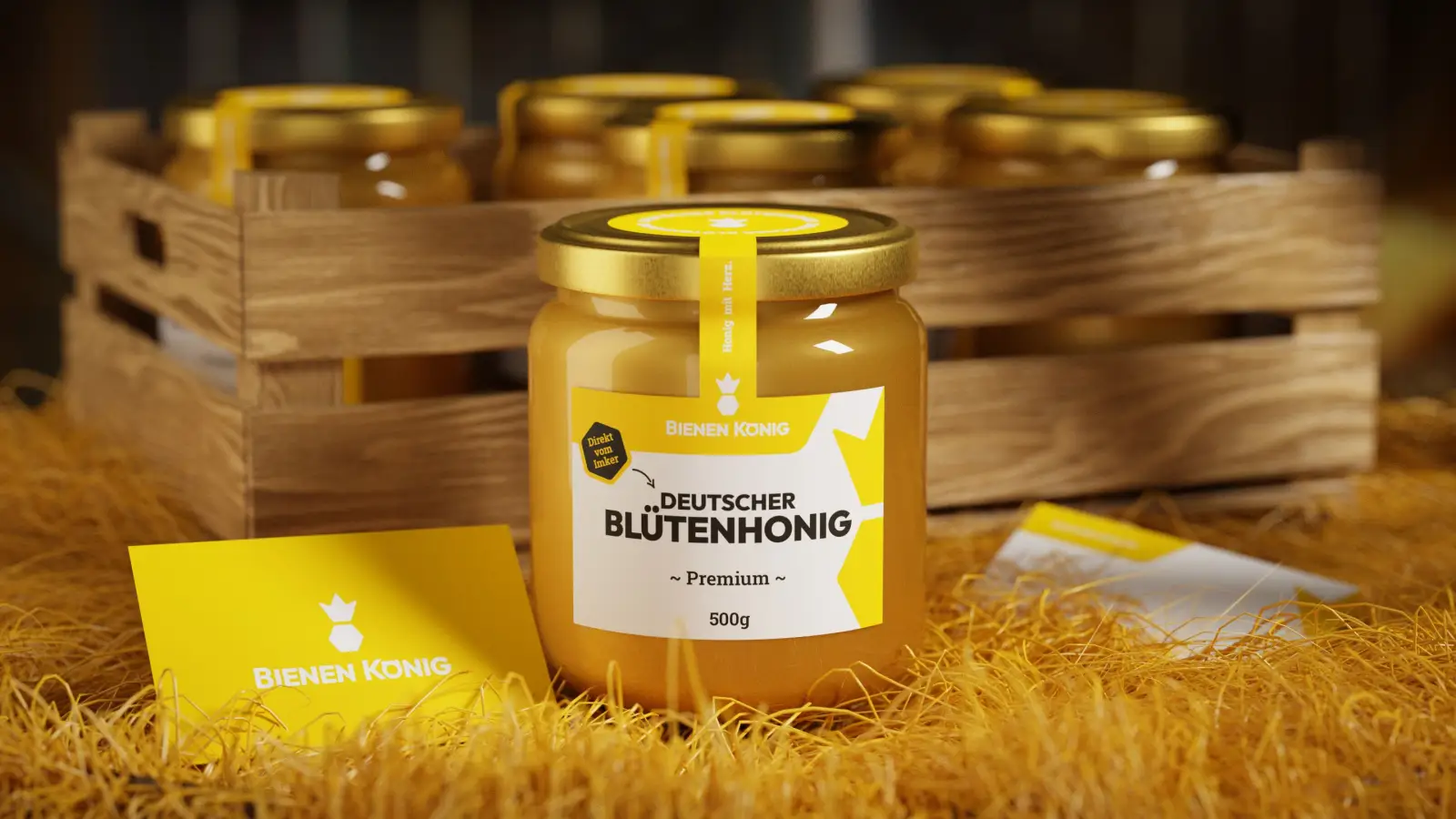
No legal definition exists for monofloral honey in the U.S., so a label can promise a flower but deliver a blend. Learn what the term actually conveys and how to buy with confidence.
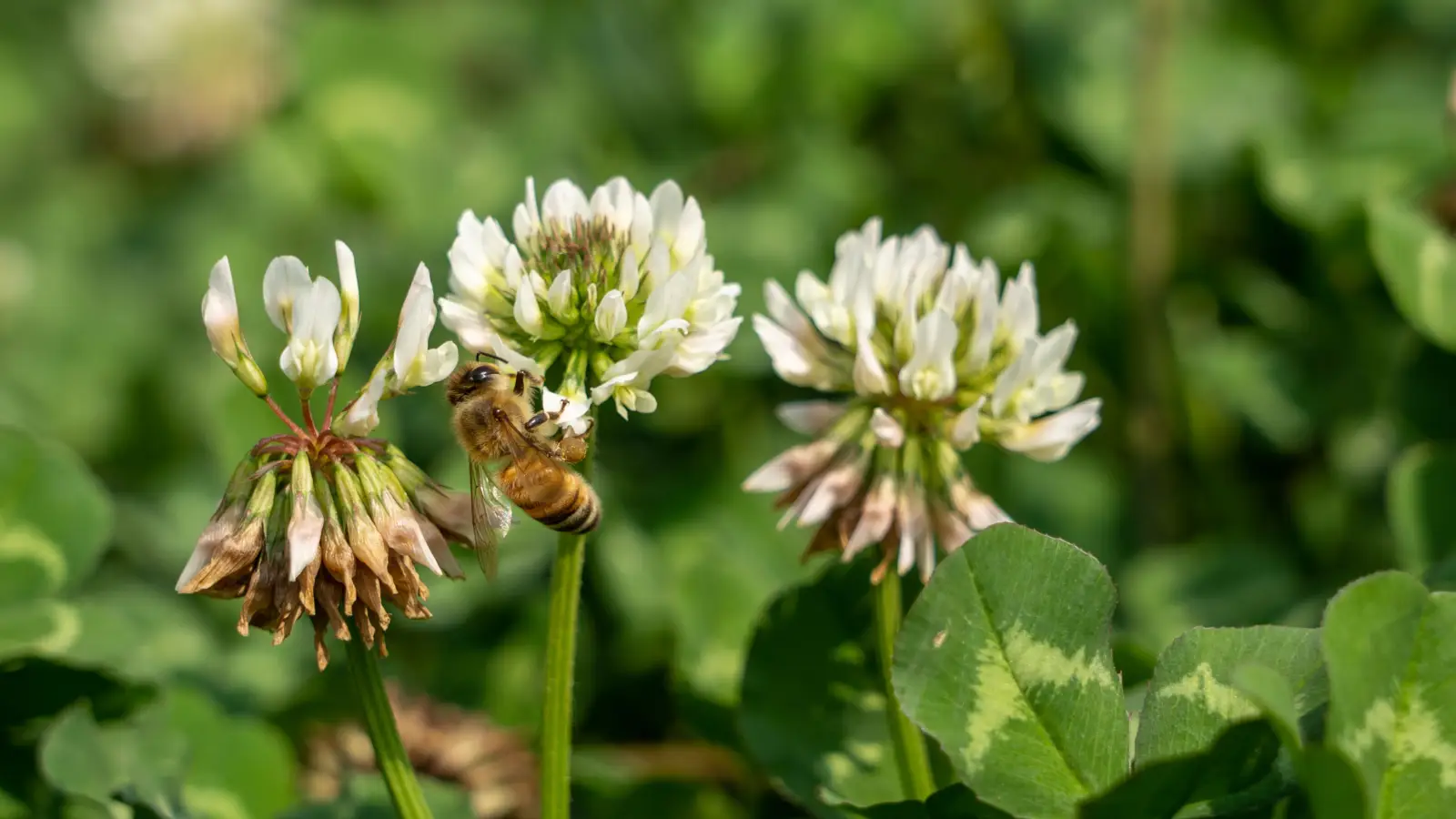
Clover honey isn't just the default sweetener. Learn how its mild flavor, fructose-glucose ratio, and slow crystallization make it the most reliable honey for baking and storage.