A monofloral label invites the belief that bees fed from a single flower species. That belief seldom matches what’s in the jar. The hidden truth: monofloral means the named nectar dominates, not that it stands alone. In the United States, the dominance threshold is whatever the seller decides—no enforceable definition exists. A honey sold as orange blossom, for instance, might carry as little as 30 percent orange nectar and still wear the monofloral badge.
Grasping that gap changes how you shop, taste, and assign value. The sections that follow explain why the label promise rarely holds, what beekeepers actually do, and how to identify a jar that justifies its claim.
Three Impulses Behind a Monofloral Purchase—And the Misunderstanding They Share
Before the mechanics, pinpoint the entry point.
The Health Buyer. This buyer reaches for monofloral because manuka or buckwheat are linked to specific bioactive compounds. The article will demonstrate that compound concentration hinges on actual nectar composition, which a simple label cannot certify.
The Flavor Explorer. This buyer wants orange blossom honey to taste like an orchard in bloom. The article will show that intensity tracks whether bees predominantly collected from citrus flowers—and how to tell before paying a premium.
The Gift Giver. This buyer selects “lavender honey from Provence” assuming a pure floral expression. The misunderstanding to erase: without a measurable standard, that jar can deliver nothing more than a faint lavender whisper over generic wildflower.
Monofloral Is a Dominance Claim, Not a Purity Promise
A monofloral label signals that a particular pollen type reaches a chosen threshold. Not 100 percent. Pollen analysis, the lab method that counts pollen grains, provides the numbers. In Europe, a voluntary framework often sets that threshold at 45 percent of total pollen for many varieties—though certain low-pollen producers like lavender or chestnut use lower benchmarks. The United States has none. Without a legal minimum, an American producer can call a honey “tupelo” when tupelo pollen appears in minor quantities, provided the flavor can be rationalized as matching the variety.
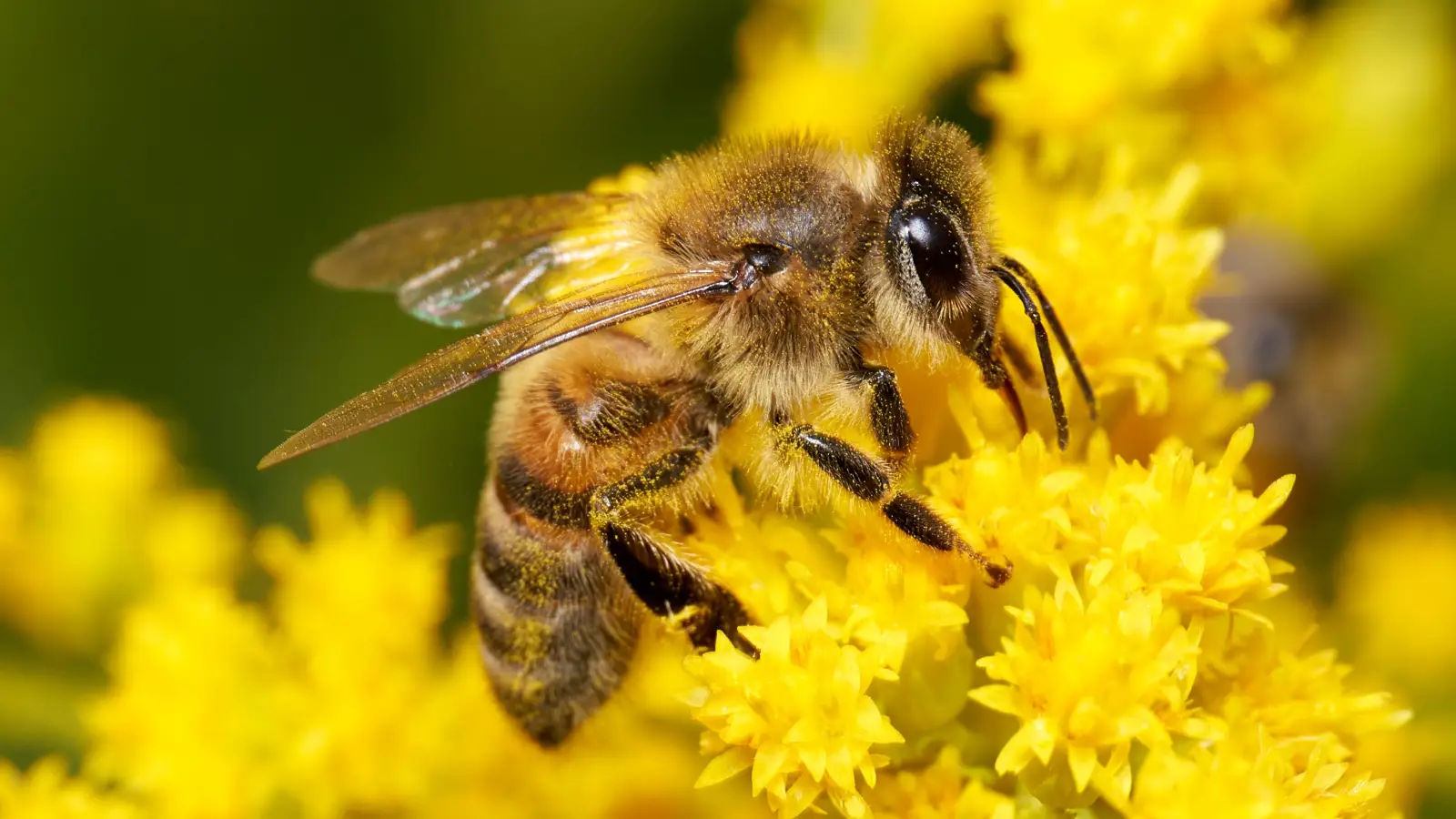
In practice, typical monofloral samples sit between 50 and 70 percent of the target pollen. An acacia honey might test at 55 percent acacia; the remainder reflects whatever wildflowers, trees, or weeds were in bloom nearby. That mixed fingerprint is not a defect. It is the natural record of bees foraging up to three miles from the hive.
Sign you’re ready to move on: You stop expecting single-species nectar and start evaluating the dominant note’s presence.
How Hives Produce a “Monofloral” Label: The Beekeeper’s Unavoidable Compromise
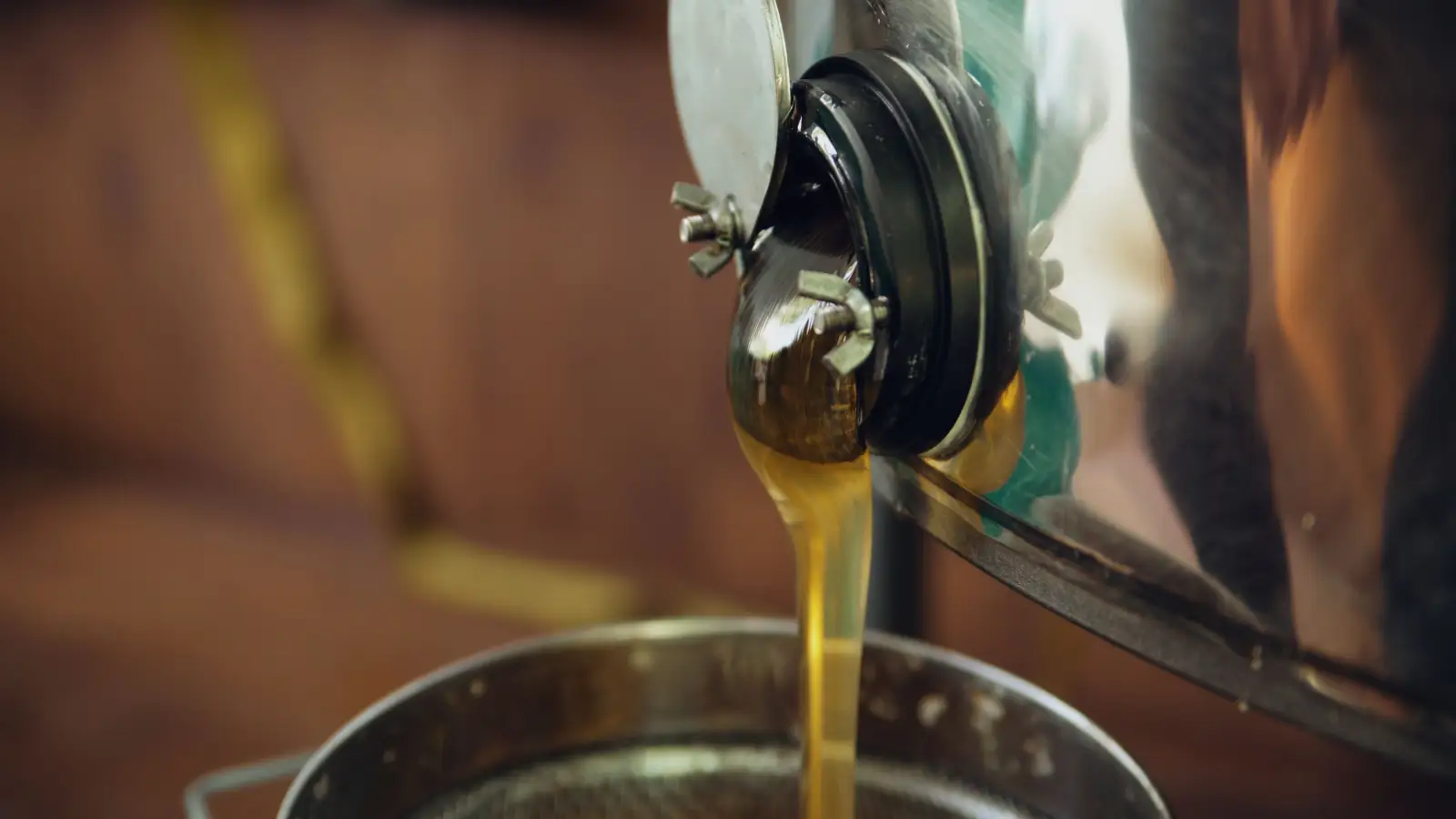
Beekeepers aiming for monofloral work against biology. They place hives inside large monoculture blocks—sunflower fields, linden plantings, blueberry acres—just as bloom peaks. They pull honey supers off the moment the target bloom ends so late-season nectar does not dilute the batch. Even so, bees are not programmable. A patch of dandelions inside the sunflower field, a clover strip along the access road, or a neighbor’s chestnut can inject foreign nectar.
Some beekeepers blend multiple harvests to lift the pollen percentage before bottling. For this reason, a high-grade monofloral honey tends to come from a single apiary, a defined harvest window, and a well-known floral landscape—details that labels may or may not disclose.
Sign you’re ready to move on: You accept that a monofloral claim reflects a managed attempt, not a purified result.
The U.S. Lets Any Honey Call Itself Monofloral
The FDA has no definition for monofloral honey. The Codex Alimentarius states that honey may be designated by floral source if it “comes wholly or mainly from that source” and displays the expected sensory and chemical properties. That phrasing is too loose to enforce. Consequently, an American jar labeled “heather honey” is whatever the company says it is.
Europe’s Honey Directive, while not binding law, provides well-known pollen thresholds that honest producers follow. Lavender honey, for instance, is expected to contain at least 15 percent lavender pollen because lavender produces scant pollen relative to its nectar. This mismatch makes a universal 50-percent rule meaningless. Some flowers leave a light pollen trace even when nectar dominates. That is why buying monofloral honey from a region with an active honey board, a certification mark, or a known testing laboratory adds a layer of credibility that a U.S.-only label lacks.
Sign you’re ready to move on: You evaluate a monofloral jar by its geographic origin and any third-party verification listed.
How to Read a Monofloral Label Without Falling for It
Run any jar through this sequence.
Pollen analysis mention. A label that voluntarily states a pollen percentage or references laboratory testing signals accountability—even in broad terms.
A specific floral descriptor, not just the name. “Orange blossom” is minimal. “100% orange blossom honey from a single Florida orchard” is harder to fabricate. The more precise the source, the more the claim means.
A harvest date or season. Honey from a single floral flow carries a tighter signature than a year-round blended stock.
Third-party marks. Manuka from New Zealand carries UMF or MGO ratings that verify key compounds and, at the top end, link to pollen analysis. European honeys may bear a PDO seal or a regional quality mark.
Flavor over fantasy. If the honey tastes generically sweet with no distinguishable floral note, the named flower is likely a minor contributor. A true chestnut honey reads bitter and dark; a genuine linden honey has a minty-herbal edge. Let taste arbitrate.
Sign you’re ready to move on: You can evaluate a new jar using multiple independent signals instead of the front-label claim.
Signs You’ve Internalized the Secret
- You no longer expect 100 percent purity from a monofloral jar.
- You understand that production limits guarantee any honey will contain outside nectar.
- You check country of origin and any referenced testing standard.
- You look for pollen percentages, harvest windows, or third-party certifications.
- You let flavor confirm the claim before you trust the label.
Concerns That Don’t Deserve Headspace Yet
Not every monofloral worry is productive at this stage.
Exact pollen thresholds. Until you are choosing between two jars from a region with published standards, tracking a precise number adds noise, not clarity. Most small producers don’t print pollen counts.
Organic certification. Bees forage too widely for organic status to reliably inform monofloral purity. An organic honey can contain nectar from conventionally managed plants miles away. Reconsider organic only when certified supply chains are a non-negotiable priority.
Adulteration fear. Honey fraud exists, but reputable brands with transparent sourcing and fair pricing rarely cut their product with syrup. Save deep suspicion for monofloral honey sold in bulk at implausibly low prices—a gallon of “Manuka” for $15, for example.
Color as a shortcut. Dark honey can suggest buckwheat, chestnut, or heather, but darkness also deepens with age and heating. Use color as a clue, never as proof.
Ways to Accelerate Your Judgment (Not Tricks)
- Attend a monofloral honey tasting. Guided side-by-side flights train the palate faster than any article. Seek beekeepers or specialty shops that offer orange blossom, avocado, tupelo, and linden flights.
- Buy from a local single-apiary beekeeper. A beekeeper who can describe what bloomed behind the hives in June gives you verifiable detail, not marketing language.
- Subscribe to a curated honey selection. Several small importers ship seasonal boxes of verified monofloral honeys with background notes. A delivery or two builds your reference library.
Direct Answers to Common Monofloral Honey Questions
Is monofloral honey healthier than wildflower honey?
Not by default. Certain monoflorals (manuka, buckwheat) contain studied compounds, but the benefit comes from the plant source, not the monofloral label. Wildflower honey can offer a broader antioxidant profile.
Can I trust monofloral honey from a supermarket?
It depends on the brand. Large commercial blends may lean on bulk sourcing with thin traceability. Look for a country of origin, a floral claim more specific than the name alone, and a brand known for transparency. Smaller specialty jars tend to be more dependable.
What is the difference between monofloral and single-origin honey?
Monofloral refers to the dominant nectar source; single-origin refers to a specific geographic location (a single apiary or valley). A honey can be both—a single-origin acacia honey—but neither definition guarantees the other.
Does darker honey indicate stronger monofloral character?
No. Many light honeys (acacia, orange blossom) are highly monofloral. Darkness traces to mineral content, plant source, and age, not nectar purity.
Why does monofloral honey cost more?
Consistent production demands precise timing, hive relocation, immediate extraction, and often lower yields than a wildflower blend. A weather shift that moves bloom windows can ruin the batch. That risk is built into the price.
Your Next Step After the Secret Is Out
Reaching this point means you evaluate any monofloral jar as a claim to be examined, not a certificate to be trusted. No single signal confirms authenticity; you triangulate pollen mention, origin, price, and sensory proof. The simplest first action for someone who bought a jar out of curiosity: turn the jar over and look for a harvest date, a defined region, or a pollen test note. When none appear, let taste decide—pour a spoonful and judge whether the named flower actually delivers.