Monofloral honey is not healthier than a blend. The belief that honey from a single flower is purer or packs more nutrition is a story the label tells, not what the data show. When you line up the sugar profiles and antioxidant numbers from published comparisons, no single‑flower variety consistently outperforms a well‑made multifloral blend. It’s marketing, not science.
Multiple studies that have pitted monofloral honeys — orange blossom, acacia, clover — against common blends find that phenolic content and antioxidant capacity overlap to the point of irrelevance. A dark, inexpensive blend can easily outscore a light monofloral that costs twice as much. The flower type matters; the number of flower types does not. A buyer who understands that stops overpaying for a false upgrade.
Verdict at a Glance
| Scenario | Winner | One‑Line Reason |
|---|---|---|
| You want the highest antioxidant content | No consistent winner | Plant source drives antioxidants; monofloral status adds nothing |
| You’re chasing a very specific flavor | Monofloral | Only a controlled single source guarantees a distinct aromatic profile |
| Your main priority is price per ounce | Blend | Blending cuts cost without cutting nutrition |
| You need a neutral honey for cooking or hot drinks | Blend | A mild, predictable taste integrates without competition |
| You’re buying because you think “pure” means healthier | Neither wins | The purity claim has no nutritional translation; both are sugar syrups |
When Antioxidant Content Is the Actual Goal
If someone reaches for a monofloral expecting a bigger dose of protective compounds, the lab results undercut the move. Buckwheat honey — often sold as a dark blend — routinely posts antioxidant values well above light monoflorals such as acacia or orange blossom. An unassuming wildflower blend from a local beekeeper can pack more phenolics than a premium single‑flower jar simply because the bees worked a wider range of nectar sources, including phenolic‑heavy weeds and tree blossoms. Choosing monofloral here means spending more to narrow the nectar spectrum, with no guarantee of extra antioxidant benefit. The trade‑off: you give up a cheaper, potentially richer blend to chase a label that doesn’t deliver.
When Only a Precise Flavor Will Do
This is the one domain where monofloral honey justifies its cost. If a dish needs the buttery warmth of linden or the sharp, almost medicinal note of a specific eucalyptus varietal, a blend can’t step in — blends are built to be inoffensive, not distinctive. Their job is to taste generically like “honey.” Varietal honeys exist because the floral source imprints an unmistakable aromatic signature. What’s sacrificed: the lower price and easy availability of a blend. For flavor precision, that’s a fair exchange.
When the Budget Sets the Limit
Blends win on cost alone, and they win without subtracting any nutrition. The production math is straightforward. Harvesting nectar from a single crop demands perfect timing, hive placement in the middle of a monoculture, and sometimes moving colonies mid‑season — all of which inflate overhead. A blend pools nectar from whatever is blooming, so beekeepers skip the expensive choreography. Sugar composition, calorie count, and enzyme traces are statistically identical between the two categories. The sacrifice: the right to tell someone it’s a single‑flower honey, which matters zero when the jar is headed into a batch of oatmeal.
Where Monofloral and Blend Honeys Are Nearly Twins
Drop these points from your comparison. They create noise, not a decision.
- Sugar makeup – Both sit around 38–40% fructose and 30–35% glucose. A spoonful from a single source and a spoonful from a blend hit the bloodstream the same way.
- Calorie count – About 60–64 calories per tablespoon. The floral label doesn’t shift the number.
- Basic antimicrobial activity – All genuine honey generates hydrogen peroxide when diluted. That effect hinges on enzyme survival (raw versus heated), not on the number of flowers the bees visited.
- Processing claims – Both can be raw or pasteurized, filtered or untouched. “Monofloral” on a label reveals nothing about heat treatment or adulteration risk.
Deal‑Breakers That Force the Choice
A few situations leave no room for debate.
- Legal or medical traceability – Export paperwork, a varietal product name like “Leatherwood honey,” or allergy immunotherapy that depends on local pollen content demands a verified monofloral. A blend cannot back the specific claim.
- Known pollen‑source allergy – Rare but real. A person hypersensitive to a particular plant’s residual pollen needs transparency a blend can’t provide. A tested, traceable monofloral becomes a safety requirement.
- Manufacturing consistency – Industrial recipes sometimes require the predictable density, moisture level, and crystallization behavior of a known nectar type. A blend’s composition can drift between seasons.
- Principle against paying for unproven health stories – If the extra cost can’t be justified by a tangible return, most monoflorals are ruled out instantly. The markup is real; the health advantage is not.
Why Monofloral Costs More Without Being Healthier
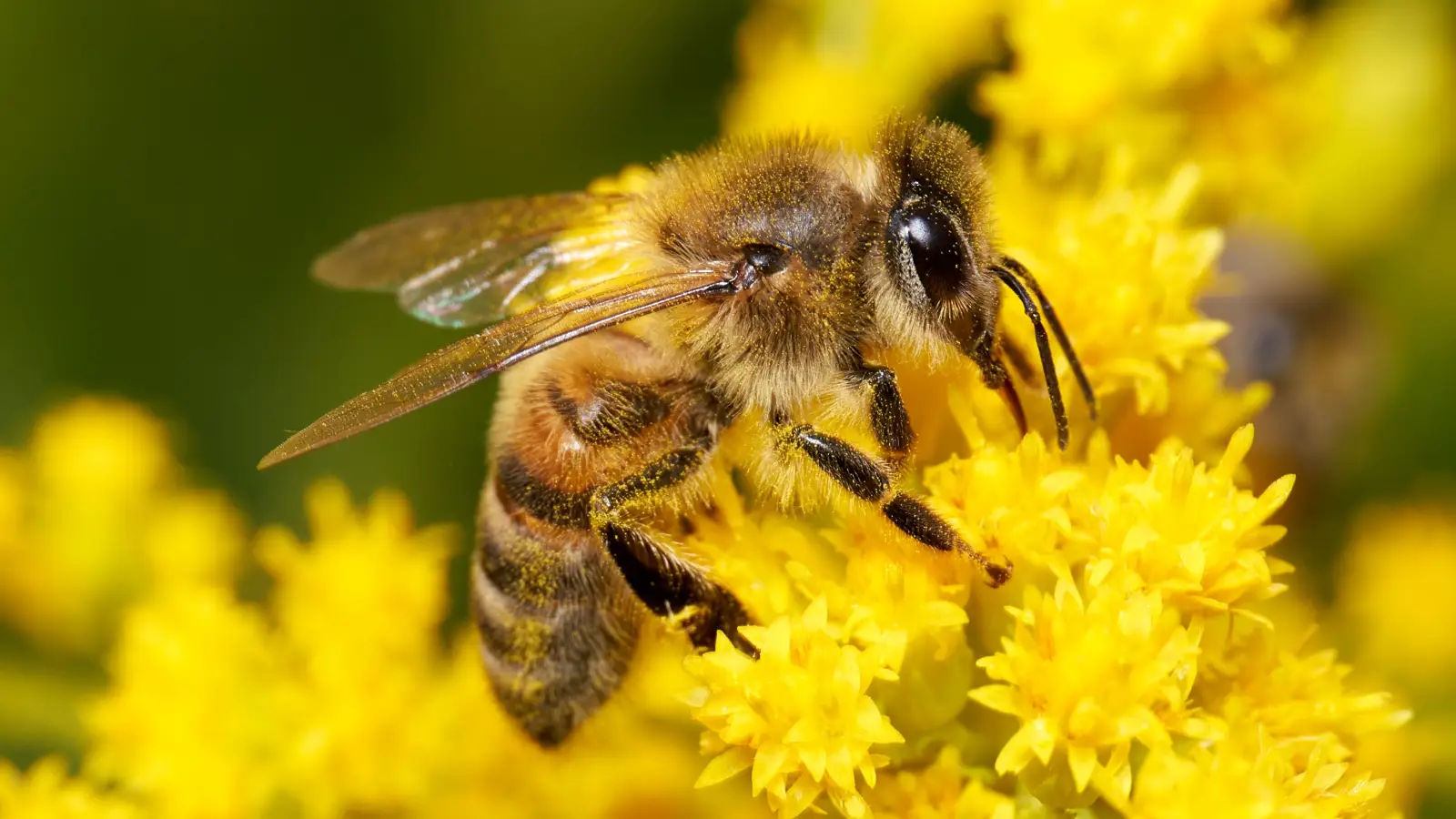
The premium isn’t a health premium — it’s a logistics premium. Beekeepers synchronize hive placement with a blooming monocrop, extract supers fast once the flow ends, and often pay for pollen analysis to confirm floral origin. That effort limits supply while demand stays high thanks to brand storytelling. Total phenolics and sugar ratios don’t shift because of that work. Pay the markup for a flavor you can’t get elsewhere; never pay it under the illusion of buying better wellness.
What Buyers Actually Ask About Monofloral Honey
Does “monofloral” mean less processed?
No. Processing decisions — raw, unfiltered, pasteurized — have nothing to do with floral source. A monofloral honey can be heated and filtered as aggressively as any blend, and plenty of supermarket monoflorals are.
Is monofloral honey harder to adulterate?
Honey fraud doesn’t discriminate by label type. Pollen‑free syrups get packaged as both single‑flower and blended products. Third‑party testing is the only real guardrail, not the word “monofloral.”
Why is manuka so expensive if monofloral isn’t healthier?
Manuka is an outlier: its price rests on a verified bioactive compound, methylglyoxal, not simply on being a monofloral. Most other single‑flower honeys carry no analogous clinically backed marker and are priced on scarcity and story.
Will switching to a blend affect blood sugar differently?
No. Fructose‑to‑glucose ratios are near‑identical across both categories. Anyone managing glucose should watch total carbohydrate intake per serving, not the flower count.
The One Question That Cuts Through the Hype
For everyday use — on toast, in yogurt, stirred into tea — a quality blend delivers the same core nutrition as a monofloral, usually at half the cost. The question to ask before paying extra: “Am I paying for a flavor I can’t duplicate any other way, or am I paying for a health story?” If it’s the story, keep the money.