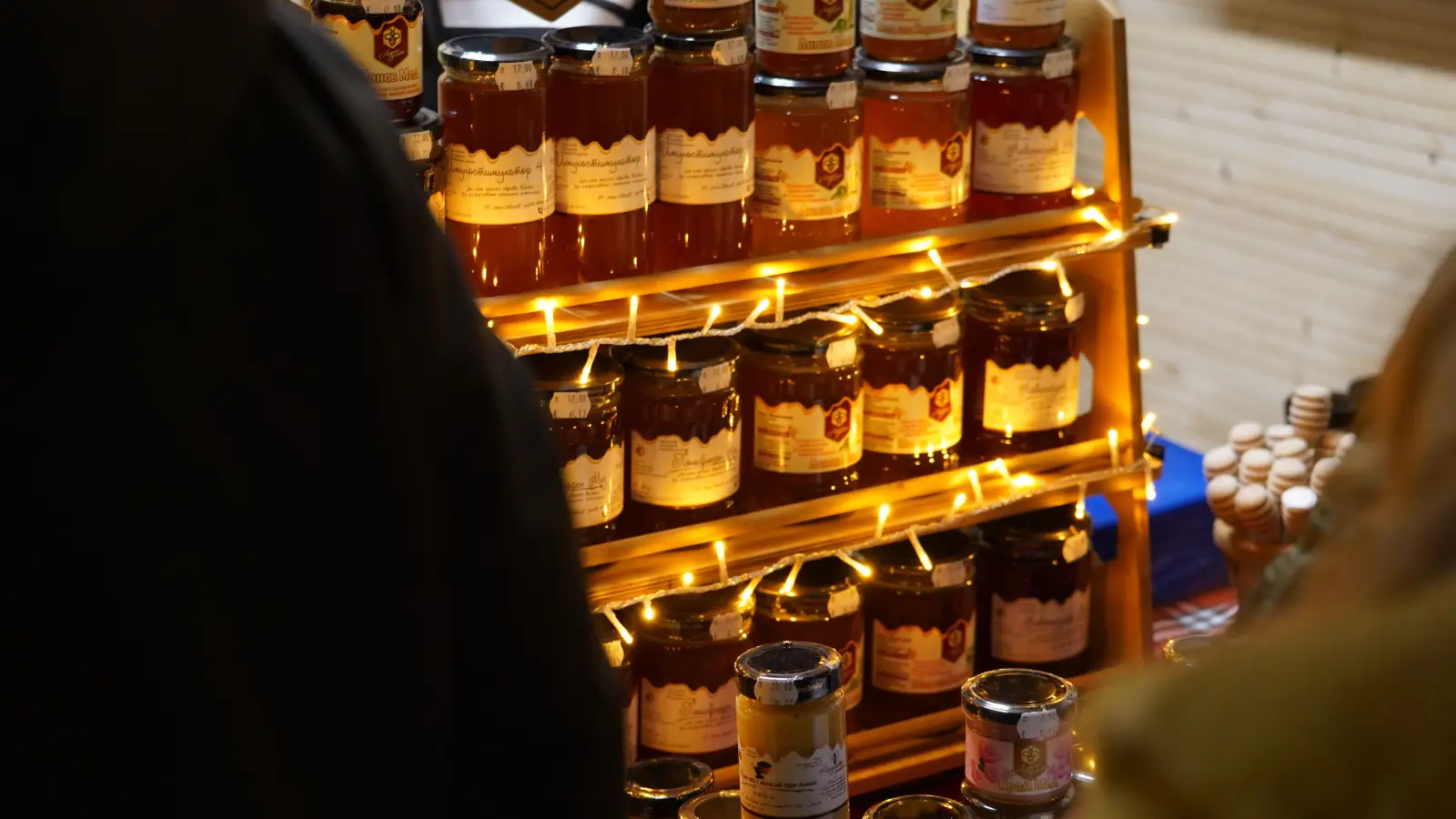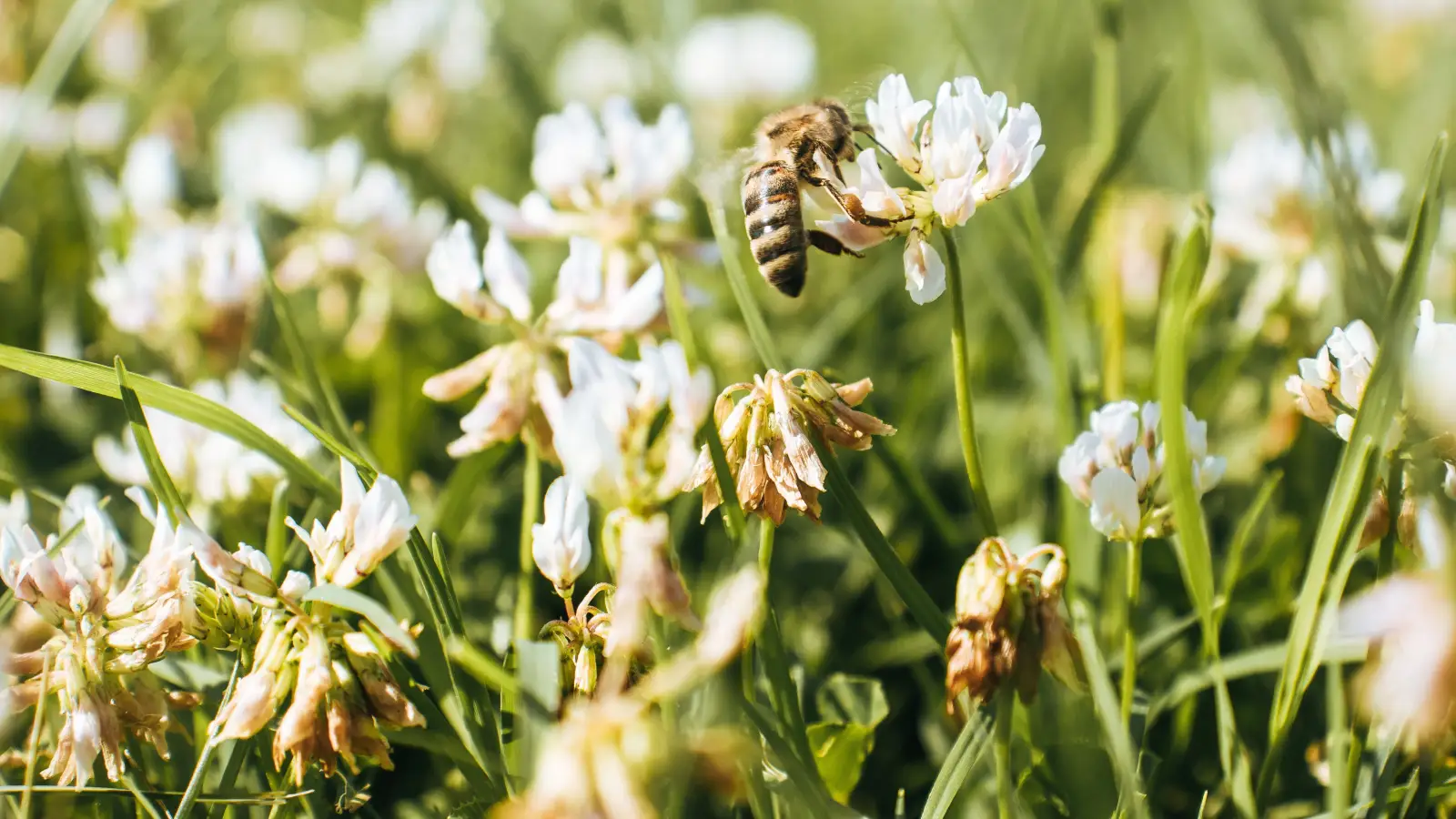
Monofloral honey comes predominantly from the nectar of one plant species, giving each a consistent color, aroma, and taste. This guide profiles eight specific monofloral honeys — from clover to manuka — explaining how lavender, buckwheat, eucalyptus, and other sources directly determine what you sense. A side-by-side approach turns you into an informed taster who can pinpoint floral notes and trace them back to the bloom.
Why the Flower Name on the Jar Matters in the Kitchen
A baker who substitutes orange blossom honey for generic sweetener adds a citrusy floral note that pairs with vanilla or almonds, not just sugar. Knowing the flavor profile of a monofloral honey makes it a tool with a clear job — lighter ones for tea, darker ones for marinades. Anyone who has paused over a spoonful and tried to name the flower behind it will find the following breakdown immediately useful for matching honey to intended use.
Eight Monofloral Honeys and Their Source-Driven Characteristics
Clover Honey
White clover fields in North America and New Zealand produce this pale, water-white honey. Its scent hints at fresh hay and light florals. The flavor is clean and mild, with a short finish. Clover’s neutrality makes it the default choice for sweetening without distraction — tea, oatmeal, or simple baked goods where honey should blend, not dominate.
Orange Blossom Honey
Collected primarily from citrus orchards in Florida, Texas, and Spain, this honey shows a pale to medium golden color. The aroma is distinctly floral, similar to the blossom itself. The flavor delivers a sweet-tart citrus lift that works well in light vinaigrettes, poultry glazes, and cakes that benefit from a restrained floral note.
Acacia Honey
Sourced from black locust (false acacia) trees in Europe and North America, acacia honey appears nearly transparent and resists crystallization due to high fructose. It smells faintly of vanilla. On the tongue it is mild, pure sweet, and leaves no aftertaste. Use it for sweetening delicate items — fresh fruit, white cheese, or herbal infusions — where other honeys would mask subtler flavors.
Eucalyptus Honey
Produced in Australian eucalypt forests and Mediterranean regions, eucalyptus honey ranges from amber to dark amber. Its immediate medicinal aroma, reminiscent of menthol, carries over to the flavor: earthy, slightly cooling, and herbaceous. It holds up against strong aged cheese or a hot lemon drink, and it appears in many cold-remedy recipes.
Lavender Honey
Lavender honey from Provence, Spain, or California is light amber and intensely floral, mirroring the blossom. The flavor is sweet and distinctly herbal but can overwhelm if used heavily. Add small amounts to shortbread, lemonade, or vanilla ice cream where lavender’s character can complement without taking over.
Buckwheat Honey
Buckwheat fields in the U.S. Midwest and Eastern Europe yield the darkest common monofloral — deep mahogany to near black. The aroma is malty, with molasses overtones. The taste is full-bodied, with notes of malt, chocolate, and a slight savory edge. It stands up to hearty breads, barbecue, and sharp cheese. It also carries higher antioxidant content than many lighter honeys.
Manuka Honey
New Zealand’s manuka bush produces a thick, opaque honey in shades of dark cream to brown. The aroma is earthy and damp, with a medicinal edge. The flavor is rich, mineral-heavy, and earthy, with a lasting aftertaste. Beyond its methylglyoxal-linked uses, this strong profile works in savory marinades or taken straight by the spoonful when the taste matches the purpose.
Tupelo Honey
White tupelo gum trees in Florida and Georgia swamps yield a light golden honey with a faint greenish tint. The aroma is buttery and mild. Flavor is clean, smooth, with subtle pear and floral notes. Its high fructose ratio keeps it liquid; it rarely crystallizes. Tupelo is typically reserved for finishing — drizzled over biscuits or cheese — where its delicate profile won’t be lost.
Common Errors When Judging Monofloral Honey by Sight or Label
Assuming dark color means harsh flavor
Dark honeys like buckwheat and manuka do taste robust, but color alone isn’t a reliable indicator of harshness. Some dark chestnut honeys are surprisingly mild and nutty. The color comes from minerals and pollen, not flavor strength. Learning each variety’s profile is more accurate than guessing from appearance.
Conflating monofloral and raw
Monofloral refers to the flower source; raw refers to the heat level during processing. A honey can be monofloral yet still warmed to delay crystallization. Check for both terms on the label — “monofloral” for source, “raw” or “unheated” for handling — instead of assuming one implies the other.
Believing manuka is the only beneficial honey
Manuka’s methylglyoxal is well-researched, but raw honey in general has antimicrobial properties from hydrogen peroxide, acidity, and low moisture. Eucalyptus and buckwheat varieties often show notable antioxidant levels. Reducing all medicinal honey to one type ignores a broader, practical tradition of use.
Frequently Asked Questions About Single-Flower Honeys
What does monofloral mean on a label?
It signals that the honey comes mainly from one plant species. Because bees forage widely, absolute exclusivity is rare; most producers aim for a dominant pollen percentage (often 45% or more, though no universal standard exists). Reliable brands use pollen analysis and hive placement to achieve a consistent single-flower profile.
How can I verify if honey is truly monofloral?
Without laboratory testing, trust the producer and your senses. A legitimate monofloral honey will have a uniform color, a specific floral aroma, and a flavor that isn’t muddled. Some countries require certification, but a simple check is whether you can isolate a single floral note rather than a blend.
Is monofloral honey better than wildflower honey?
Neither is universally better. Monofloral offers predictability and a spotlight on one flower; wildflower (polyfloral) gives a variable, complex mix. The choice depends on whether you need a consistent ingredient or enjoy surprise in every jar.
Which monofloral honey should I use for baking?
Light, mild honeys—clover, acacia—maintain the intended flavor of most baked goods. Buckwheat adds depth to gingerbread and spice cakes. Orange blossom lifts citrus desserts. Match intensity: acacia for pastries, buckwheat for muffins and hearty loaves.
Can the same honey taste different from one harvest to the next?
Yes. Nectar composition shifts with rainfall, temperature, and bloom timing. A dry season can concentrate flavor; a wet one can dilute it. Even within the same apiary, expect small vintage variations, much like with wine.
Using Flower Information to Choose Honey Deliberately
Once you know the flavor a flower produces, honey becomes more than sweetness—it’s an ingredient with origin. Clover for breakfast, buckwheat for sauce, manuka for hot drinks: each jar has a clear job. Read the label as a flavor map, and selection stops being random.