A jar labeled wildflower is not a random assortment of leftover nectars; it is a polyfloral honey that accurately reflects the botanical composition of a particular region and season. Most of the flavor variation between two batches of wildflower honey can be explained by which plants bloomed, when, and under what conditions—not by careless collecting. This makes a genuine wildflower honey a deliberate seasonal record, not the lowest tier of monofloral production.
A Jar from the Texas Hill Country
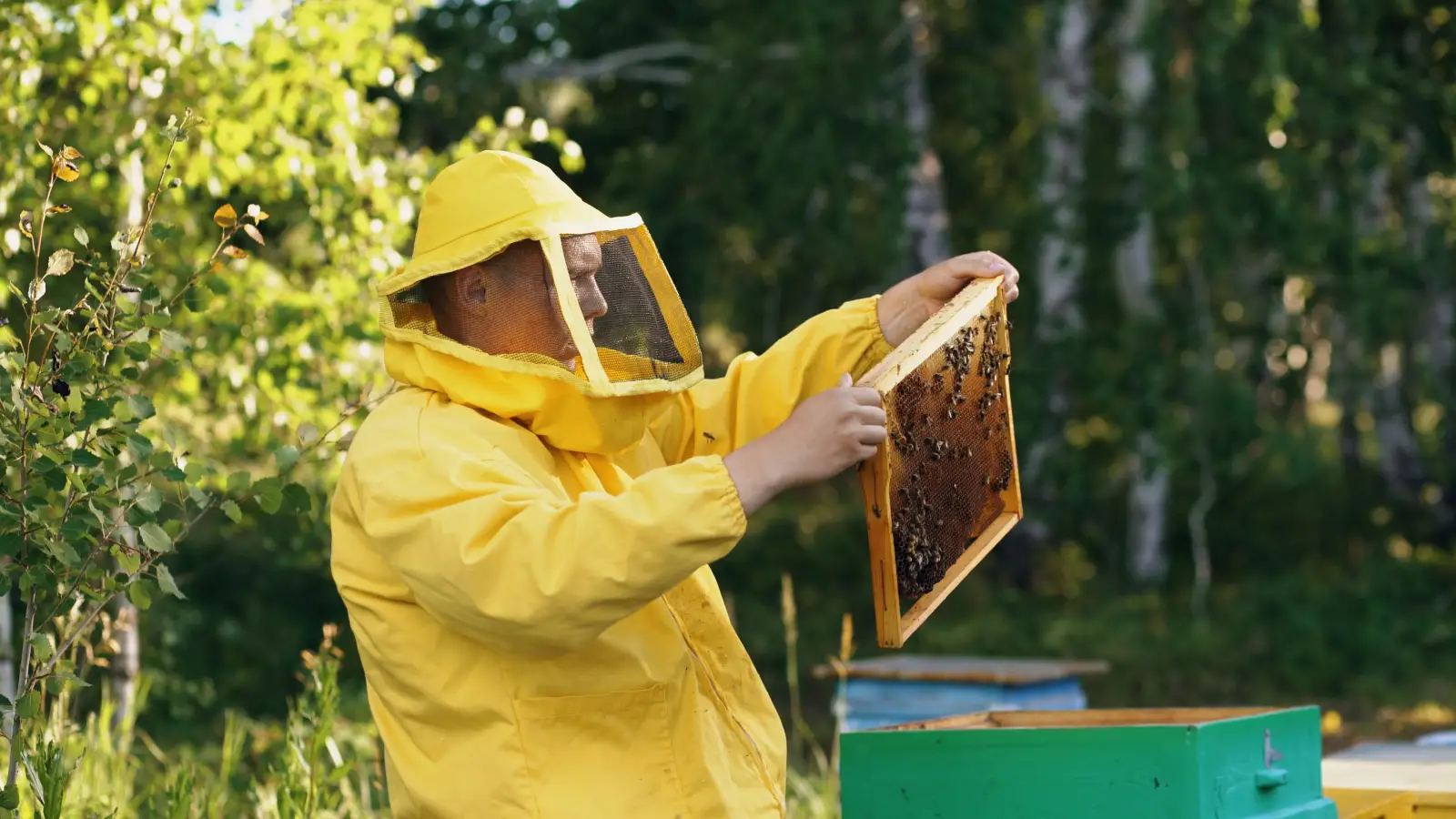
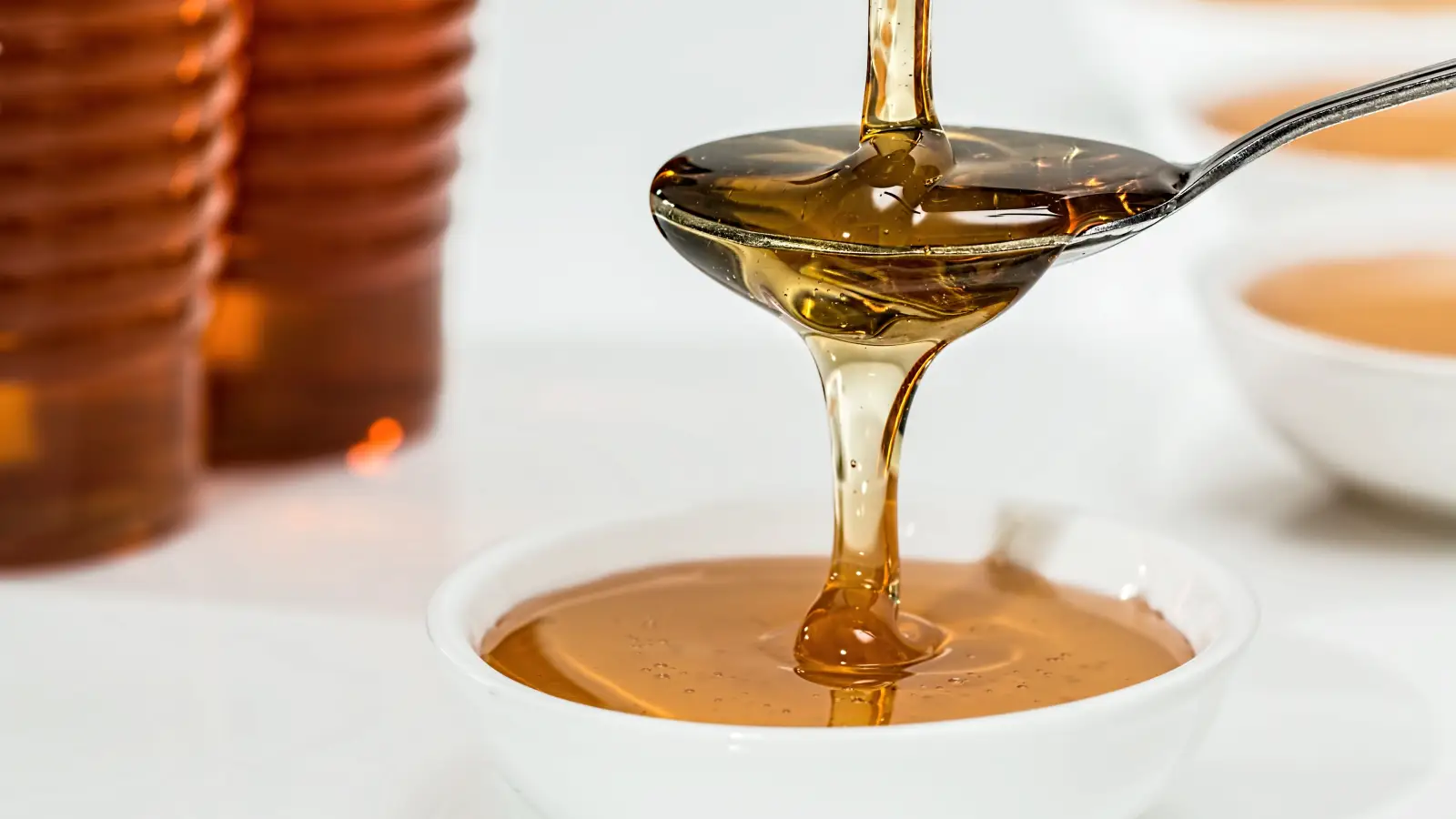
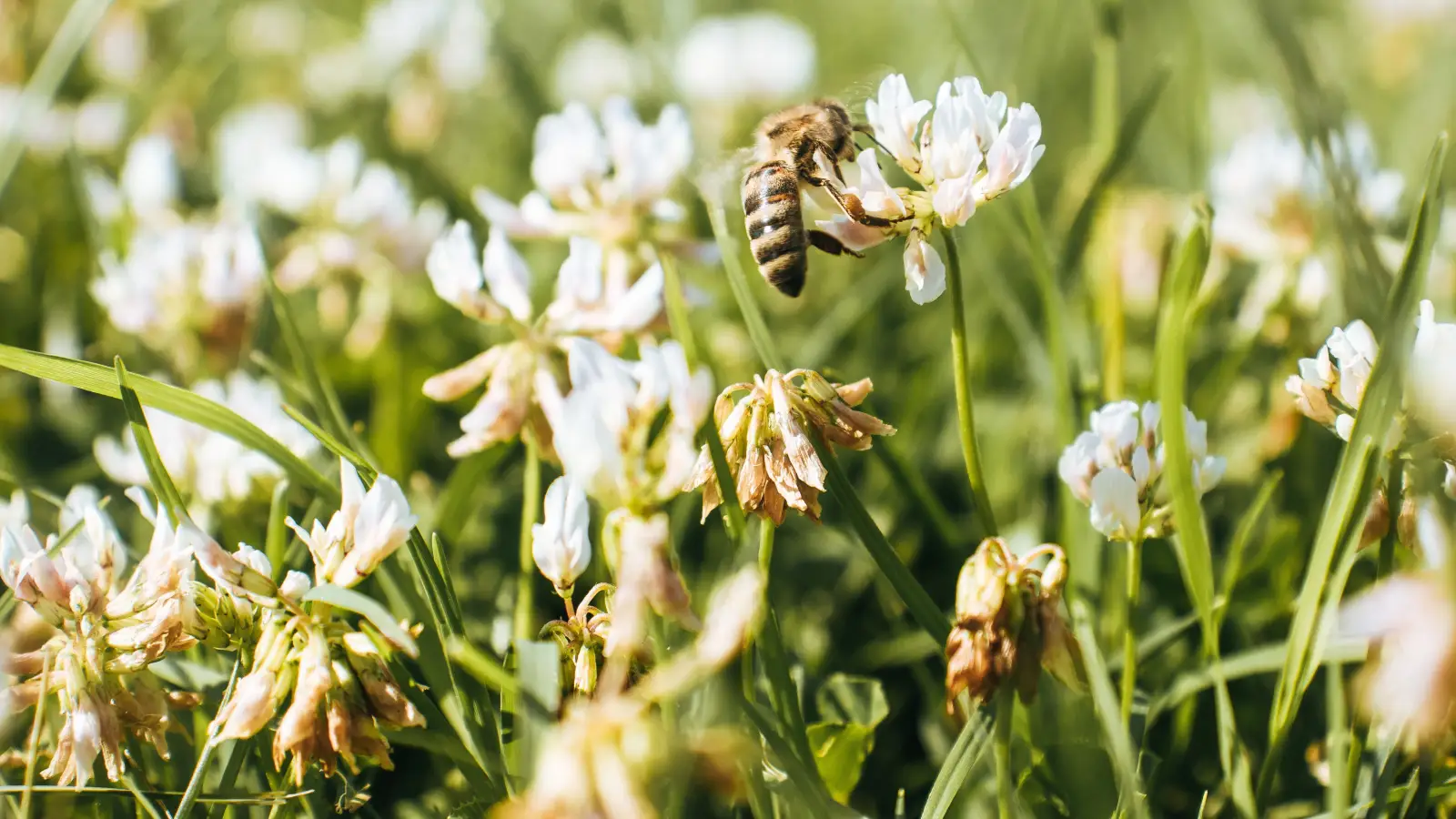
Consider a harvest from a small apiary in the Texas Hill Country during a late-April bloom. The hives sat in a pasture dominated by Texas bluebonnet (Lupinus texensis), Indian paintbrush (Castilleja indivisa), and honey mesquite (Prosopis glandulosa). The spring rainfall pattern pushed bluebonnet to peak first, followed by paintbrush and a prolonged mesquite bloom, creating a layered foraging sequence. The beekeeper extracted the honey without blending it with harvests from other sites, yielding an amber-gold liquid with a floral aroma, medium body, and a slightly nutty, molasses-like finish. The profile is a direct expression of that location and that season’s timing.
Why This Specific Honey Tastes the Way It Does
Bloom Succession and Nectar Availability
The temporal order of nectar flows is the first structural layer. Bluebonnets opened early, offering a light, sugary nectar for roughly two weeks. Indian paintbrush overlapped the tail end of the bluebonnet bloom and added its own rhythm. Mesquite, a dependable late resource, stretched the available forage into warmer days. This sequence is not accidental; it is a recurring ecological pattern that the beekeeper can anticipate but never control precisely, and it sets the compositional framework of the honey.
The Flavor Contributions of Each Plant
Bluebonnet nectar is low-key and subtle, lending a clean, almost buttery sweetness. Indian paintbrush introduces a soft floral note. Mesquite nectar, dense with minerals pulled from deep soil, provides the darker, molasses-like undertone and much of the body. The combination is not a blur; it’s a layered structure where each species holds a recognizable role—something a palate familiar with polyfloral honeys from similar scrubland would interpret without effort.
Seasonal Variability as a Fingerprint
Because the honey is a living record of one season, exact replication is impossible. A drier spring could shift dominance toward mesquite, darkening the color and deepening the finish. A late frost might wipe out the bluebonnets entirely, leaving a thinner, more paintbrush-forward honey. The beekeeper does not correct for these swings by adding honey from a different season or region; that would erase the signature. Each season’s batch carries that season’s story—for better or worse.
The Decision to Harvest by Site, Not by Blending
Many operations could pool honey from hives spread across multiple pastures to smooth out annual fluctuations. The Texas producer in this example chose the opposite: extract by site, by week, and label each lot with the location and date. This is not a default “leftover” practice; it’s a deliberate commitment to botanical transparency that adds labor and logistics but preserves a demonstrable link to a specific place. That distinction is what separates a wildflower honey from a generic multi-floral blend.
Where You’re Likely to Find a Genuine Wildflower Honey
A site-specific polyfloral honey usually appears in a few settings, and the label is where the evidence sits.
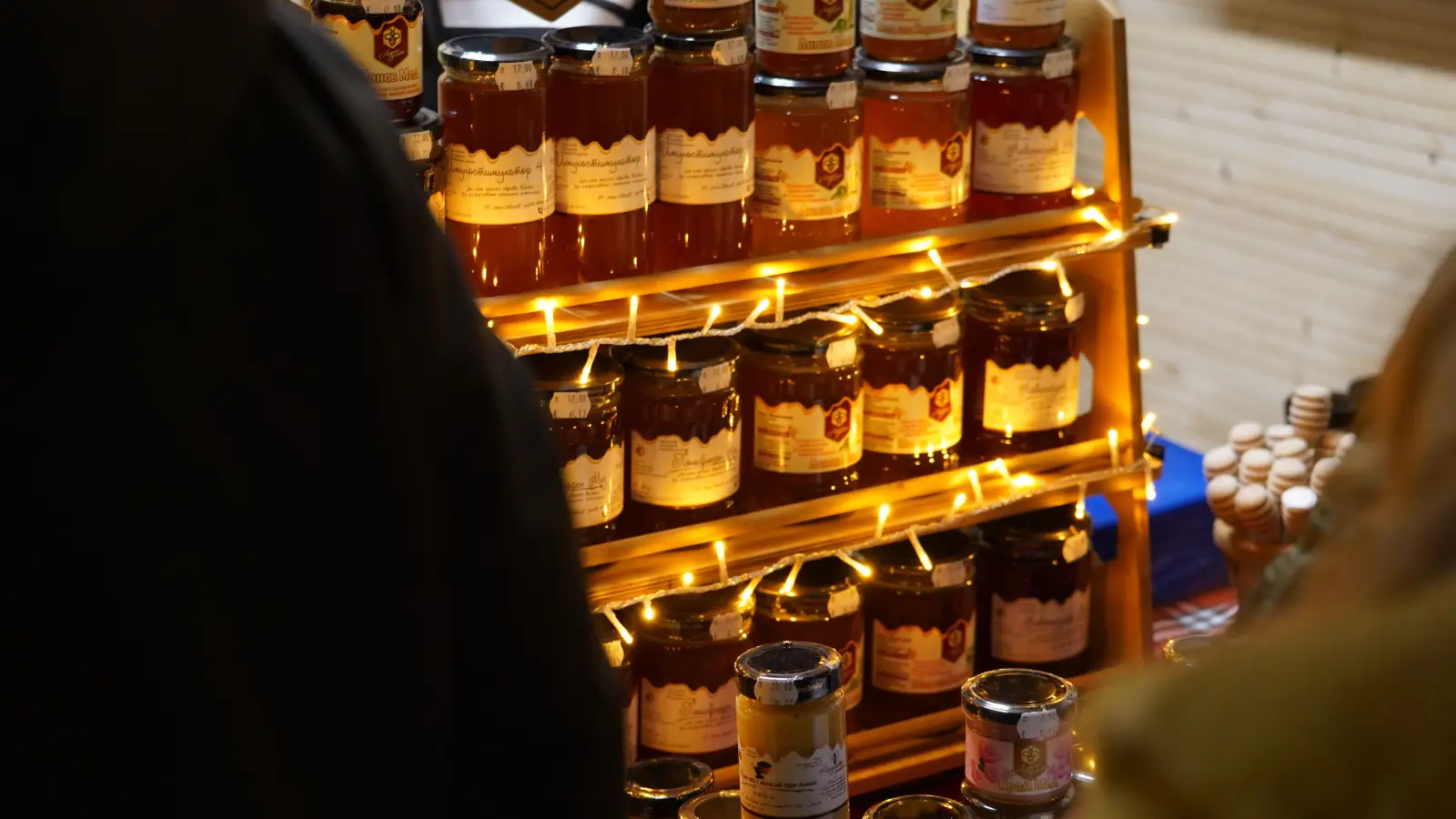
- Farmers markets and direct sales from apiaries: Look for jars that list a specific forage or location—"Texas Spring Wildflower," "Mojave Desert Bloom," or "Blue Ridge Mixed Flora." These bottles often include a harvest date. Ask the beekeeper what was in bloom.
- Specialty food shops with curated honey cases: Bottles from small U.S. apiaries frequently name a state, county, or even the watershed where the hives were stationed. Terms like "unblended" or "single-origin polyfloral" indicate the same intent.
- Online from a beekeeper’s own site: Many producers sell seasonal batches with detailed bloom descriptions. If the product description warns that flavor varies year to year, that is a sign of transparency, not a flaw.
- Conventional grocery store shelves: Here, the term "wildflower" often appears on national-brand labels alongside clover and orange blossom varieties. Turn the jar over. If the ingredient declaration says "Pure Honey" and the back label lists multiple countries of origin, the contents are a utility blend—consistent, cheap, and untethered from any identifiable landscape.
The Misunderstanding That Turns Wildflower into a Low-Grade Label
The most persistent error is the assumption that any honey labeled “wildflower” must be a cheap byproduct—the dregs left after more valuable monofloral varieties are drawn. In many cases, small-scale beekeepers produce wildflower honey precisely because it is the most honest account of what their bees actually encountered, not because they failed to market it as something else. The Texas jar illustrates the point: the beekeeper could have labeled it “Texas Bluebonnet & Mesquite,” but “wildflower” signals that it is polyfloral by nature, not that it fell short of a monofloral standard. Confusing polyfloral with low-quality mistakes a production choice for a quality ranking.
When “Multi-Floral” Hides a Commodity Blend
Contrast the Hill Country jar with a national brand’s “Clover Wildflower Honey.” This product typically comes from large-scale packing plants that blend honey from several countries—often Argentina, Mexico, and the United States—to meet a target color band on the Pfund scale. The packer selects batches by color and sugar profile, not by botanical origin. The outcome is a mild, consistent sweetener that never varies, but it erases the narrative of any particular meadow. The front label may still read “wildflower” because the honey is technically polyfloral, yet no deliberate capture of a blooming landscape took place. It is a blend engineered for shelf uniformity, not a snapshot of a season.
Your Wildflower Honey Questions, Answered
Does wildflower honey crystallize faster than other honey?
It often does. Many wild nectars carry a higher ratio of glucose to fructose, which encourages granulation. The exact pace depends on the floral mix—mesquite-heavy honeys can stay liquid longer than those with a lot of goldenrod or aster.
Is wildflower honey healthier than single-origin honey?
Not in a measurable, consistent way. Antioxidant and pollen profiles shift by region and season, so no blanket nutritional advantage exists. Some polyfloral honeys show broader pollen diversity, which appeals to certain preferences, but that is a characteristic, not a health claim.
How can I tell if the wildflower honey on the shelf is genuine or a cheap blend?
Look for concrete details: a named apiary, a harvest month, and a defined region (not just “Product of USA”). If the back label lists honey from multiple countries or a packaging code with no origin narrative, you are holding a commodity blend regardless of the front-label word.
Why does my wildflower honey taste different than my friend’s from another state?
Different plant communities produce entirely different nectar chemistries. A jar from Florida citrus country will taste nothing like one from Oregon’s blackberry and fireweed belt. Even within one state, elevation and soil shift the flavor sharply.
Can I cook with wildflower honey the same way I use clover honey?
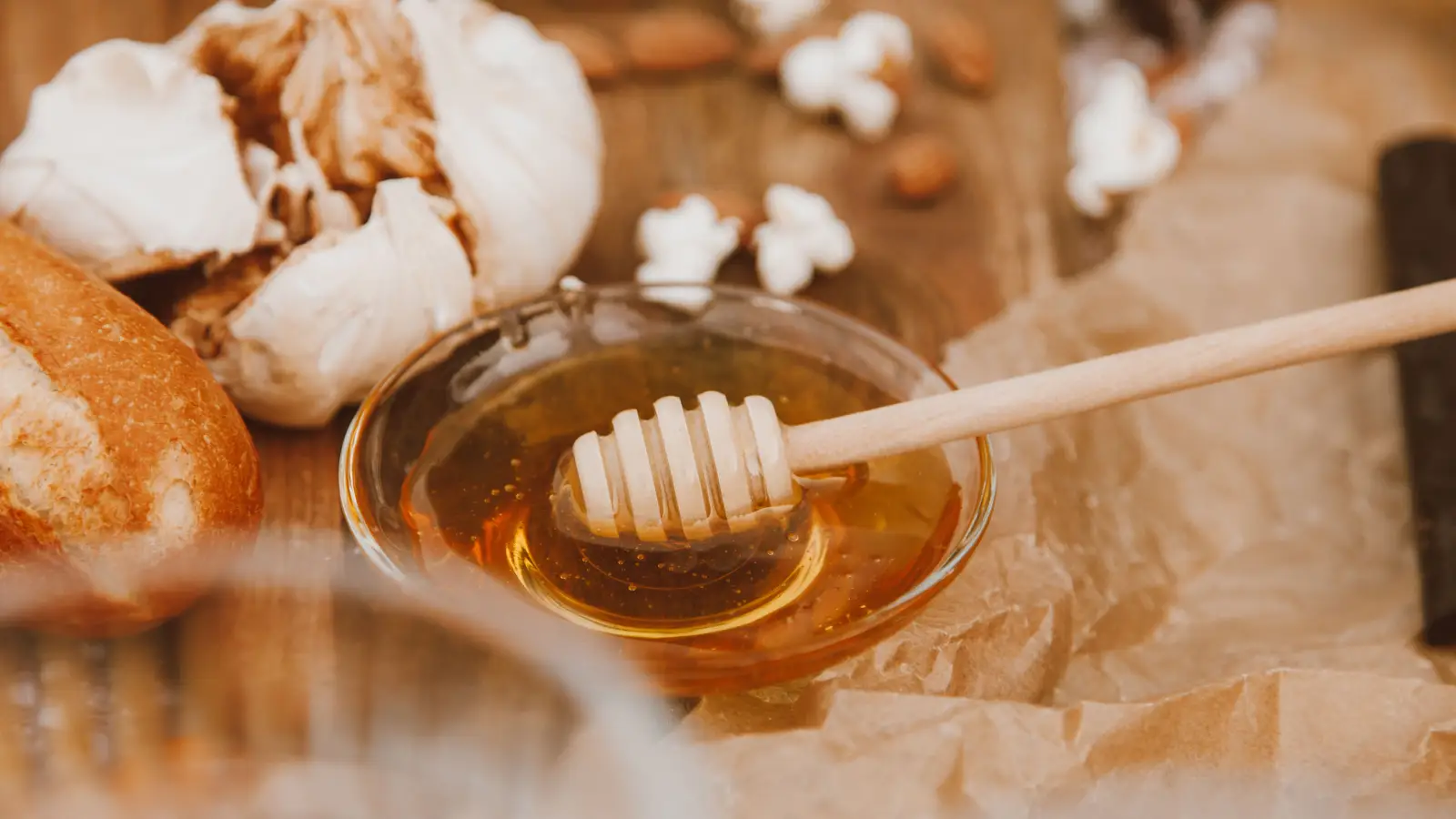
Yes, but high heat strips the volatile floral compounds that make the honey interesting. Using it as a finishing sweetener—drizzled over warm bread or stirred into tea after steeping—protects the complexity you paid for.
Wildflower honey is a botanical record, not a dustbin. That Texas jar contained the outcome of a specific bloom sequence and a deliberate harvest decision; a commercial multi-floral blend contains the outcome of a pricing spreadsheet. If the label tells you where and when, you are holding something intentional. If it stays silent about origin, you are holding a manufactured taste.