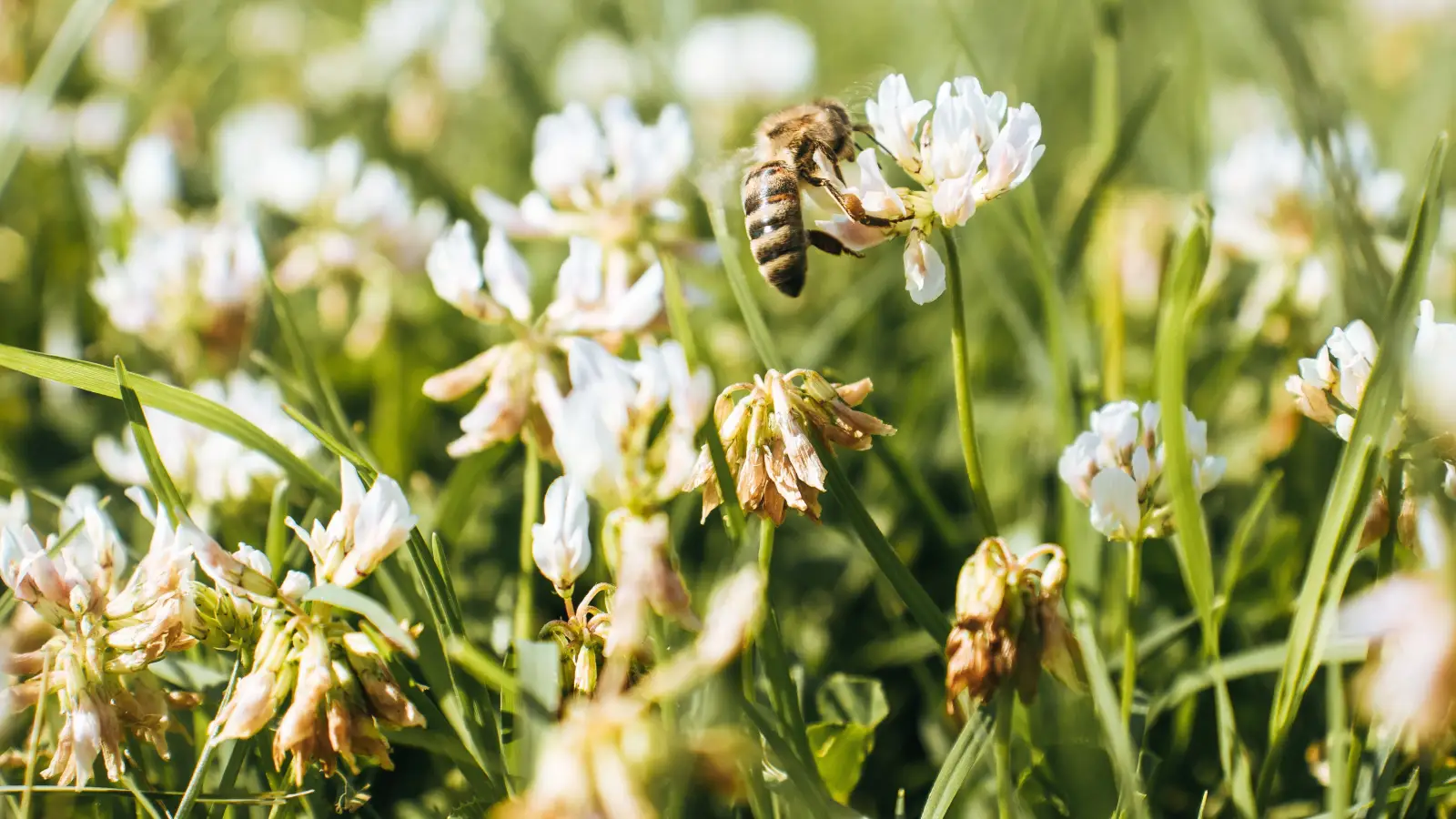
If you want to move beyond "this tastes sweet" and start hearing what a honey is actually saying—its floral whisper, its texture, how long it hangs around after you swallow—you need to taste side by side. Three common grocery-store honeys give you the whole lesson: clover, acacia, and wildflower. Clover is calm and comfortable. Acacia is clean and almost weightless. Wildflower is a different story every time, and that's exactly why it matters. Together, they teach you what mild means, what clarity feels like, and how geography shows up in a spoonful.
The Honey That Does Most of the Work: Clover
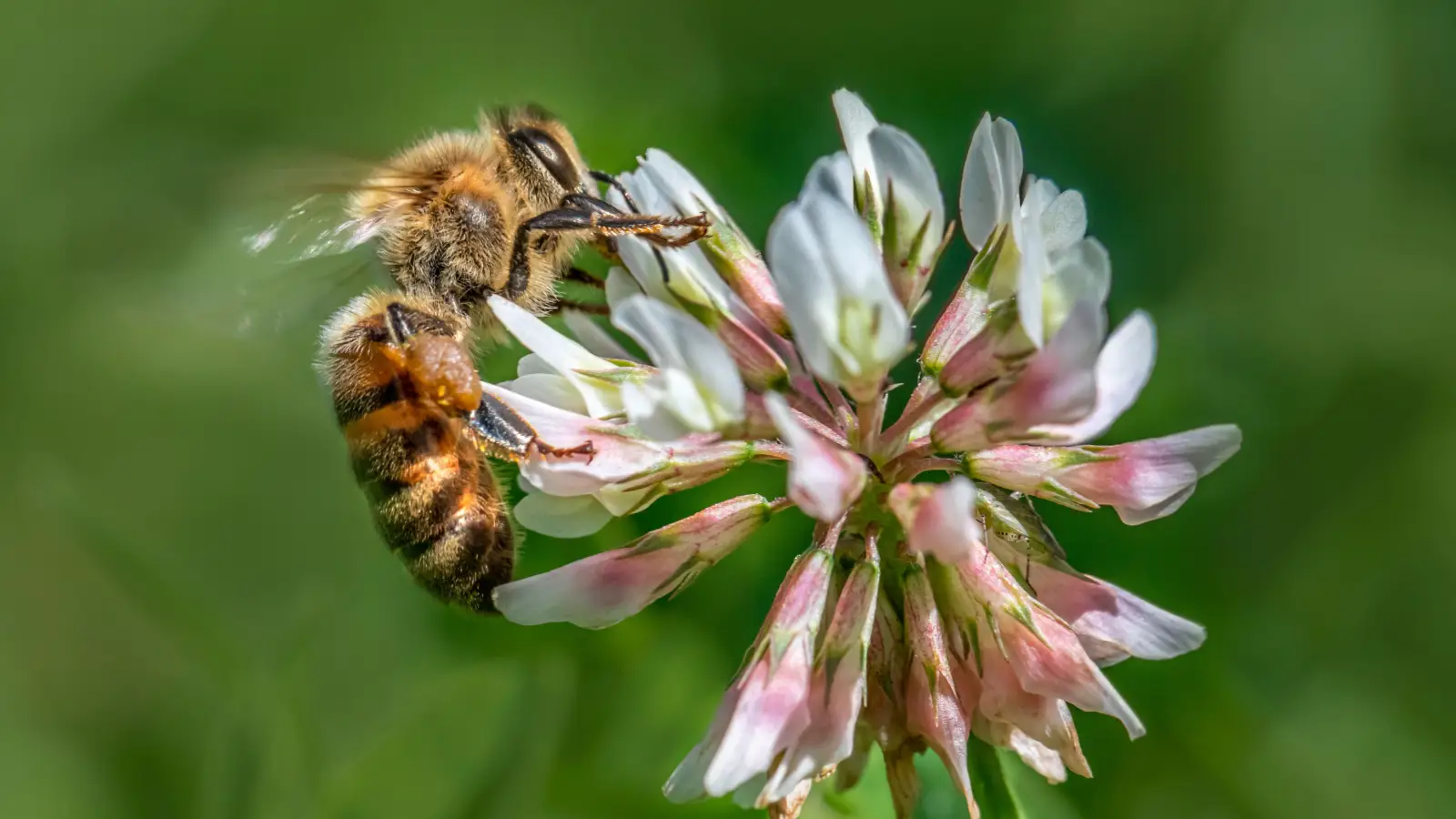
For daily life—stirring into tea, spooning over oatmeal, baking a batch of muffins—clover honey is the answer almost every time. It's the least expensive of the three, and its flavor doesn't pick fights with other ingredients. If palate training has a baseline, clover is it. Learning to describe what clover does not do (no sharpness, no lingering bitterness, no heavy body) is just as important as describing what it does.
Aroma, Sweetness, and Finish: A Snapshot Across Three Jars
| Criteria | Clover Honey | Acacia Honey | Wildflower Honey |
|---|---|---|---|
| Price | Most affordable | Moderate to high | Moderate, varies with source |
| Aroma | Soft, grassy, warm-hay whisper | Nearly scentless; a clean, faint vanilla note | Big range—fruity, earthy, sometimes almost herbal |
| Sweetness | Gentle, steady | Clean, bright, less heavy | Variable; can be bold or sharp |
| Finish | Short, tidy | Vanishes almost instantly | Lingers; can carry herbal, tannic, or spicy edges |
| Best For | Everyday sweetening, baking | Dressings, delicate drinks, drizzling over fruit | Cheese plates, marinades, when the honey is the star |
Tasting Clover: A Quiet, Steady Sweetness
Clover smells like a warm field—grassy, a little like fresh hay. On the tongue, it's all gentle, linear sweetness with no surprises. The finish is brief and polite: there, then gone. For someone learning to taste honey deliberately, that brevity is a gift. It means you can focus on the attack of the sweetness without getting distracted by what happens next.
The limitation is equally clear: clover won't teach you to pick out floral notes, because it barely has any. It's the control group, not the experiment. Use it to establish what "neutral sweetness" means, then move on.
Tasting Acacia: Lightness That Teaches You About Body
Acacia honey, from the black locust tree, wants you to notice what isn't there. Its aroma is so subtle you might not catch it at first—a hint of vanilla, a clean floral breath that's more suggestion than statement. The sweetness is pure and bright but doesn't coat your mouth. The finish is a disappearing act. That extreme lightness makes acacia a revelation in a vinaigrette or drizzled over a slice of goat cheese; it sweetens without weighting things down.
Its high fructose content keeps it liquid for ages—often a year or more without crystallizing. For a palate guide, acacia's lesson is about texture and body. Sweetness intensity isn't the whole story; how a honey lands on your tongue matters just as much as how much sugar it carries.
Tasting Wildflower: Every Jar Is a Different Story
Wildflower honey is not a single variety; it's a portrait of a place and a season. One jar might be dark, with berry notes and a woody finish. Another could be pale and herbaceous, with a sharp, spicy kick. The aroma alone can range from fruity to nearly medicinal, and the finish often lingers five or ten seconds, leaving behind impressions you have to work to name.
This unpredictability is the whole point. You can't shortcut the tasting process with wildflower—you have to slow down and ask "what am I tasting right now?". That makes it the best teacher for training your nose and tongue to identify specific notes. The trade-off is that you can't count on consistency; the jar you loved last spring might not exist again. For many people, that's a feature, not a bug, but if you need a honey that performs the same way every time, look elsewhere.
Where Aroma, Sweetness, and Finish Draw Clear Lines
Line up all three in small glasses and work from left to right. What you notice first is aroma.
Aroma. Clover is quiet, almost shy. Acacia is so faint it teaches you to pay close attention. Wildflower can be loud. When training your nose, begin with clover to reset, then move to acacia to learn what "subtle" smells like, then to wildflower to discover how much aroma a honey can carry.
Sweetness. Clover's sweetness is a warm blanket. Acacia's is a clear, cool pane—intense but not heavy. Wildflower's sweetness can be sharp one day, mellow the next, and never quite the same. This variation forces you to stop treating sweetness as a single dimension and start thinking of it as a contour.
Finish. This is where the three diverge most dramatically. Clover exits quickly. Acacia vanishes almost before you finish swallowing. Wildflower stays. A long finish might carry a tannic tug, a hint of herbs, or a slight bitterness that reminds you this came from plants, not a factory. Being able to say "that finish coats the back of my throat for six seconds" is the moment a simple sweet-eater starts becoming a taster.
When to Reach for Each Jar
- You need an everyday sweetener for tea, oatmeal, or baking. Reach for clover. It blends without conflict and keeps your budget happy. It's also the starting point for any palate experiment.
- You want a honey that stays liquid and adds sweetness without weight—salad dressings, delicate drinks, drizzling over fresh fruit or soft cheese. Choose acacia. It will teach you more about texture and faint floral notes than any other grocery-store honey.
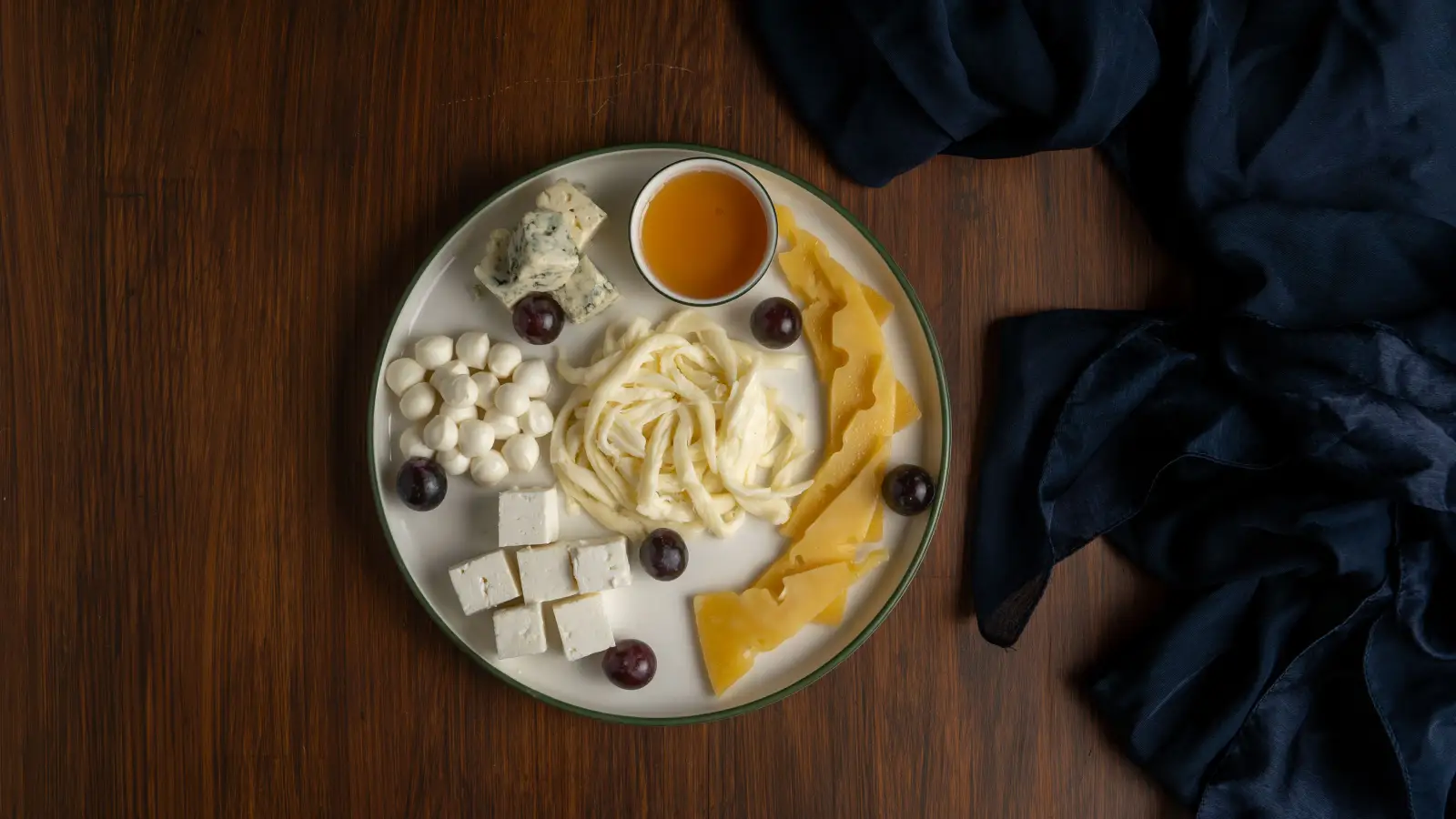
- You want honey to be the main event. That cheese board, that roasted carrot dish, that gift for someone who loves food. Pick a wildflower. It invites curiosity and demands attention, which is exactly what you need when you're learning to catalog aromas and finishes.
Frequently Asked Questions
Is wildflower honey actually monofloral?
No, it's polyfloral by nature—made from many different blooms. It often appears alongside clover and acacia because it represents a specific region or season, but it's never from one flower species. In this comparison, it plays the role of the unpredictable counterpoint to the single-source clarity of the other two.
Why doesn't acacia honey crystallize?
Acacia has a higher proportion of fructose to glucose than most honeys. Glucose tends to crystallize quickly; fructose resists it. That's why acacia stays runny and clear, often for a year or longer.
Can I substitute wildflower honey for clover in a recipe?
You can, but know what you're getting into. Wildflower's stronger, more complex flavor will shift the final taste. In a delicate sponge cake, that might be a problem; in a spiced honey bread or a glaze for roast chicken, it can become the best part.
The Palate-Building Roadmap Starts Here
Tasting these three honeys side by side is the fastest way to build a vocabulary for honey. Clover is the yardstick—mild, affordable, and utterly reliable. Acacia sharpens your attention to body and the almost invisible floral whisper. Wildflower blows the doors open and teaches you to chase region, bloom, and season. Start with clover to establish your baseline, then bring in acacia and wildflower. The moment you can describe how their finishes differ, you've stopped eating honey and started understanding it.