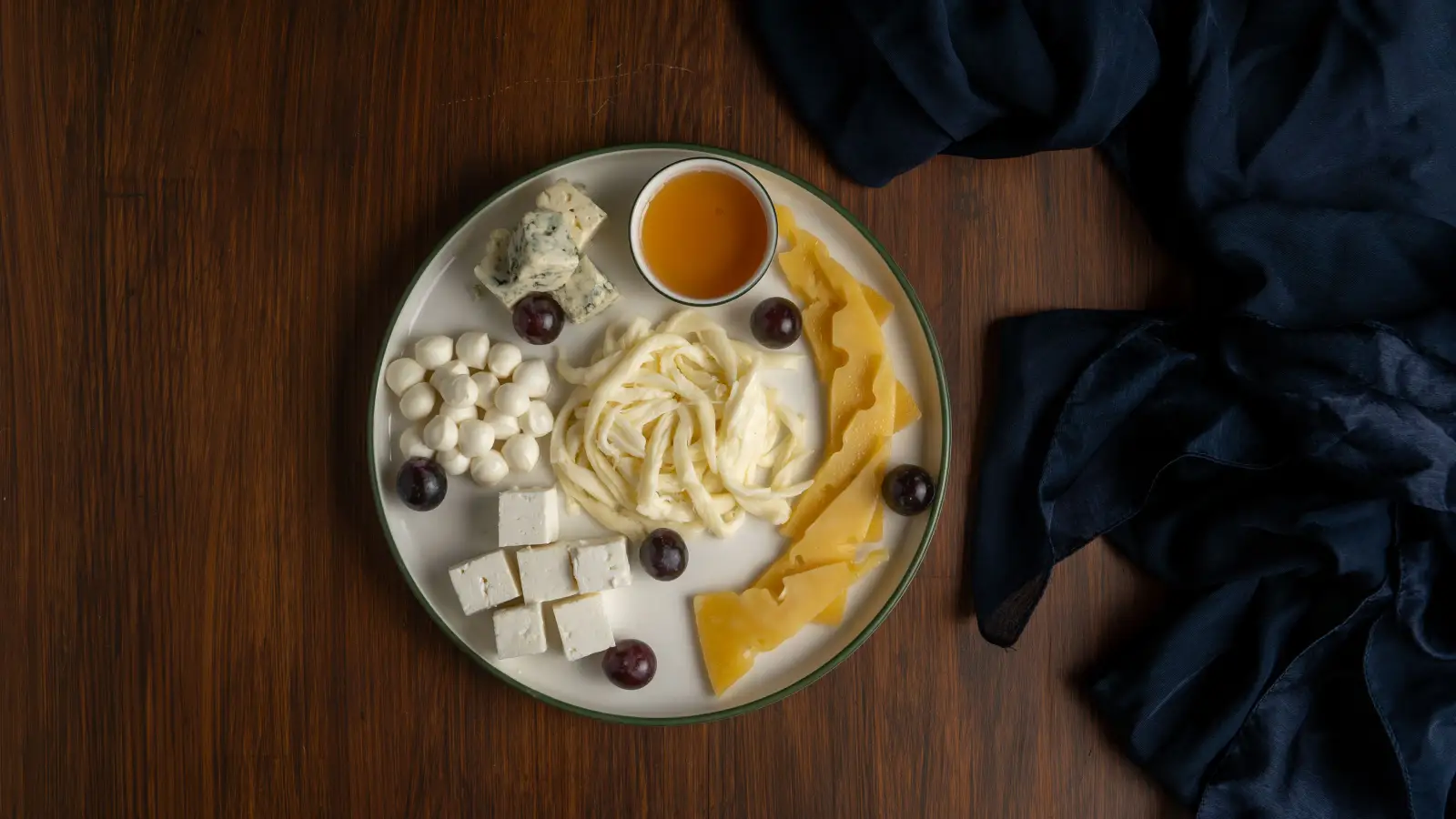
That moment when a drizzle of honey turns fresh strawberries into something that tastes oddly of molasses? It happens because we reach for the nearest jar without thinking. This guide hands you a simple, repeatable way to never make that mistake again—pairing honey by matching its natural floral intensity with the weight of the food on your plate. Think of honey as a flavor, not just a sweetener, and you’ll soon be able to glance at a dish and know exactly which jar to grab. A delicate acacia disappears next to a spicy curry, while a robust buckwheat steamrolls a bowl of fresh berries. The whole category clicks once you internalize that balance.
Why All Honey Isn’t Interchangeable: Intensity vs. Delicacy
Two sliding scales govern every honey pairing you’ll ever make. The first is the honey itself—its floral source determines how strong, aromatic, and lingering its flavor is. A pale acacia barely whispers on the tongue; a deep chestnut arrives like a statement. The second scale is the dish: a bowl of plain yogurt sits at the delicate end, a spice-rubbed rack of lamb at the robust end. When the two scales align, the honey lifts the dish without overpowering it. When they don’t, you lose the high notes of the food or end up with a jarring, unbalanced mouthful. Heat and texture are the second-order forces that can trip you up—high temperatures strip volatile aromas, and a thick, crystallized honey pours differently from a silky liquid one. The mental model is a balance beam: add weight to one side only where the other side has the mass to support it.
A 4-Step Pairing Framework: From Jar to Plate
Step 1: Learn Your Honey’s Floral Footprint
Taste each honey alone, straight from a spoon. Notice its color, aroma, and finish. Assign it to a simple spectrum: light, medium, or bold. Light honeys—acacia, clover, orange blossom—offer gentle nudges, often with citrus or vanilla whispers. Medium honeys, like wildflower or tupelo, bring more complexity without shouting. Bold honeys—buckwheat, manuka, chestnut, leatherwood—carry earthy, almost savory depth that lingers. Done well, you carry a quick mental note for every jar: “this one is bold, that one is a whisper.”
Step 2: Size Up Your Dish’s Flavor Weight
Before you open the cabinet, evaluate the primary flavors on the plate. Ask yourself: are they subtle or assertive? Delicate dishes include fresh fruit, mild cheeses, steamed fish, light vinaigrettes, and herbal teas. Intermediate dishes—roast chicken, oatmeal, grilled vegetables, a cheese plate with accompaniments—can go either way. Robust dishes revolve around roasted red meats, dark chocolate desserts, heavily spiced stews, or aged cheeses. Done well, you can place your dish in the right weight class in about five seconds.
Step 3: Match Intensity Like You Match Wine
Apply the golden rule: pair light with light, bold with bold. A drizzle of acacia over a peach tart lets the fruit sing; a spoonful of buckwheat there would flatten the whole dessert. Conversely, buckwheat’s molasses notes can stand up to a barbecue glaze, whereas clover honey would get lost. Medium honeys bridge the gap for intermediate dishes—wildflower over a bowl of granola, for example. Done well, the honey and the dish finish each other’s thought instead of competing for the limelight.
Step 4: Factor in Heat and Texture
Heat changes everything. Delicate floral aromatics are volatile; add a light honey at the start of a long simmer and you’ll end up with sweet but no personality. Stir it in off the heat or at the very end. Robust honeys tolerate moderate cooking, but even they lose nuance if you blast them. Texture matters too: a crystallized honey won’t drizzle gracefully over a salad, so warm it gently or choose a liquid honey of the same intensity for cold applications. Done well, the honey’s character makes the journey from jar to plate intact, exactly as you intended.
The Framework in Action: A Dinner from Starters to Dessert
Picture a three-course spring dinner. The starter is a chilled cucumber and mint soup—flavor weight is delicate. Following the framework, you’d classify the dish as light, then reach for a delicate honey: acacia, drizzled in a thin ribbon at the table. No heat, no texture clash. The main is Moroccan-spiced lamb shoulder—robust, deeply savory. A bold honey like chestnut fits; you stir it in during the last ten minutes of braising so the aroma partially seeps in without vanishing. For dessert, a simple panna cotta with macerated berries lands on the delicate side, calling for orange blossom honey spooned over just before serving. Each course gets a honey that belongs, not one that fights, and the meal feels coherent from first spoon to last.
Where Pairings Go Wrong: Three Common Mistakes
Using a Bold Honey Where a Light One Belongs
Reaching for buckwheat when a dish asks for acacia is the fastest way to overpower a beautiful, delicate plate. A bowl of plain yogurt with sliced nectarines doesn’t want the bass note of molasses—it wants a gentle lift. The cost: the fruit tastes muddy, the entire dish loses its high notes, and the effort you put into sourcing fresh ingredients gets buried.
Ignoring How Heat Mutes Aroma
Many cooks stir honey into a hot pan too early, especially with light varietals. After a few minutes at high temperature, the volatile compounds that make orange blossom smell like a grove have mostly evaporated. What remains is generic sweetness, and the recipe’s intended finesse fades with it—leaving you wondering why your carefully planned sauce fell flat.
Overlooking Texture When Drizzling
A thick, nearly solid honey poured over delicate greens creates a gloppy mess. The pairing might be right on paper, but the texture disrupts the dish. Warming it slightly or choosing a more fluid honey from the same intensity bracket solves the problem without changing the flavor—a small adjustment that saves the presentation.
Quick Reference: The Pairing Checklist at a Glance
| Stage | Goal | Key Action |
|---|---|---|
| 1. Classify Honey | Know its floral intensity | Taste each jar plain; label it light, medium, or bold |
| 2. Assess Dish | Measure flavor weight | Identify dish as delicate, intermediate, or robust |
| 3. Match Intensity | Avoid overpowering | Pair delicate with delicate, robust with robust |
| 4. Adjust for Heat & Texture | Preserve aroma and mouthfeel | Add light honeys off heat; warm thick honeys for drizzling |
Frequently Asked Questions
How can I tell if a honey is mild or bold without tasting every jar?
Color and floral source on the label offer strong clues. Pale, water-white honeys like acacia are almost always mild; dark, opaque ones like buckwheat are bold. Familiarize yourself with common varietals—over time, a glance gets you close.
Can I use the same honey for baking and for drizzling?
Yes, but expect differences. Baking subjects honey to sustained heat, which mutes delicate notes. A medium- or bold-intensity honey that can hold its own in the oven is a safer bet when you need one jar for dual duty.
What’s the best all-purpose honey for a beginner?
Wildflower or clover honey sits in the medium range and plays well with most dishes. It won’t overwhelm a light salad, yet it carries enough presence for roasted vegetables.
My dish turned out too sweet—was the honey the problem?
Too sweet is often a quantity issue, but intensity mismatch can amplify the perception. A bold honey in a delicate dish tastes both heavy and cloying because the floral complexity turns into a blunt sweetness without context.
Are raw honeys better for pairing than processed ones?
Raw honeys generally retain more volatile aromatics, so they shine in cold and room-temperature applications. Heat pasteurization and aggressive filtration strip some of that, but for cooking that already involves high heat, the difference often disappears, making both workable.
To pair honey with every meal, classify its floral intensity, gauge your dish’s flavor weight, match the two, and adjust for heat and texture. Start today by pulling out all your honey jars and tasting each one side by side. That single habit—knowing your honey’s voice before you cook with it—will transform every meal you make.