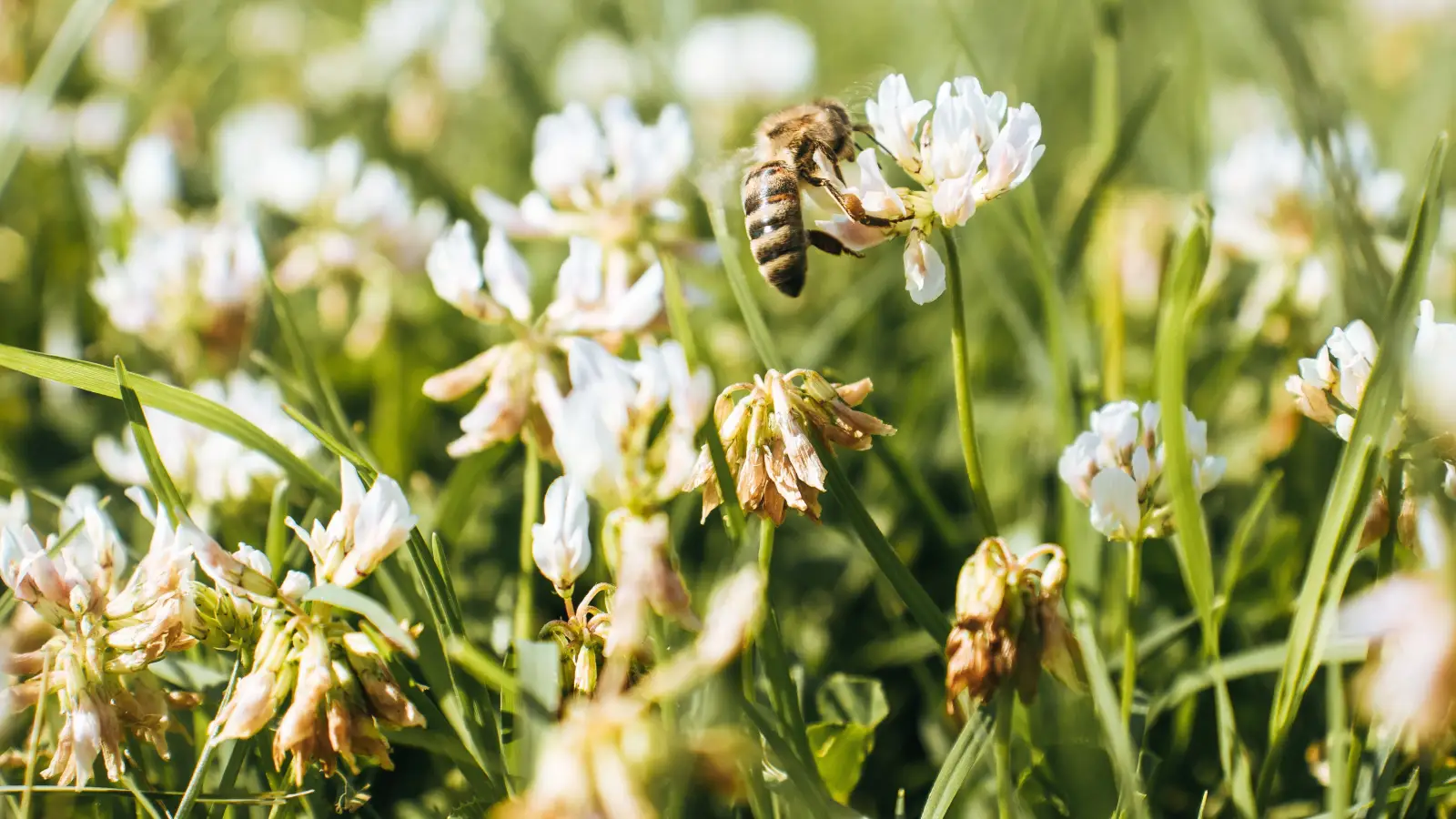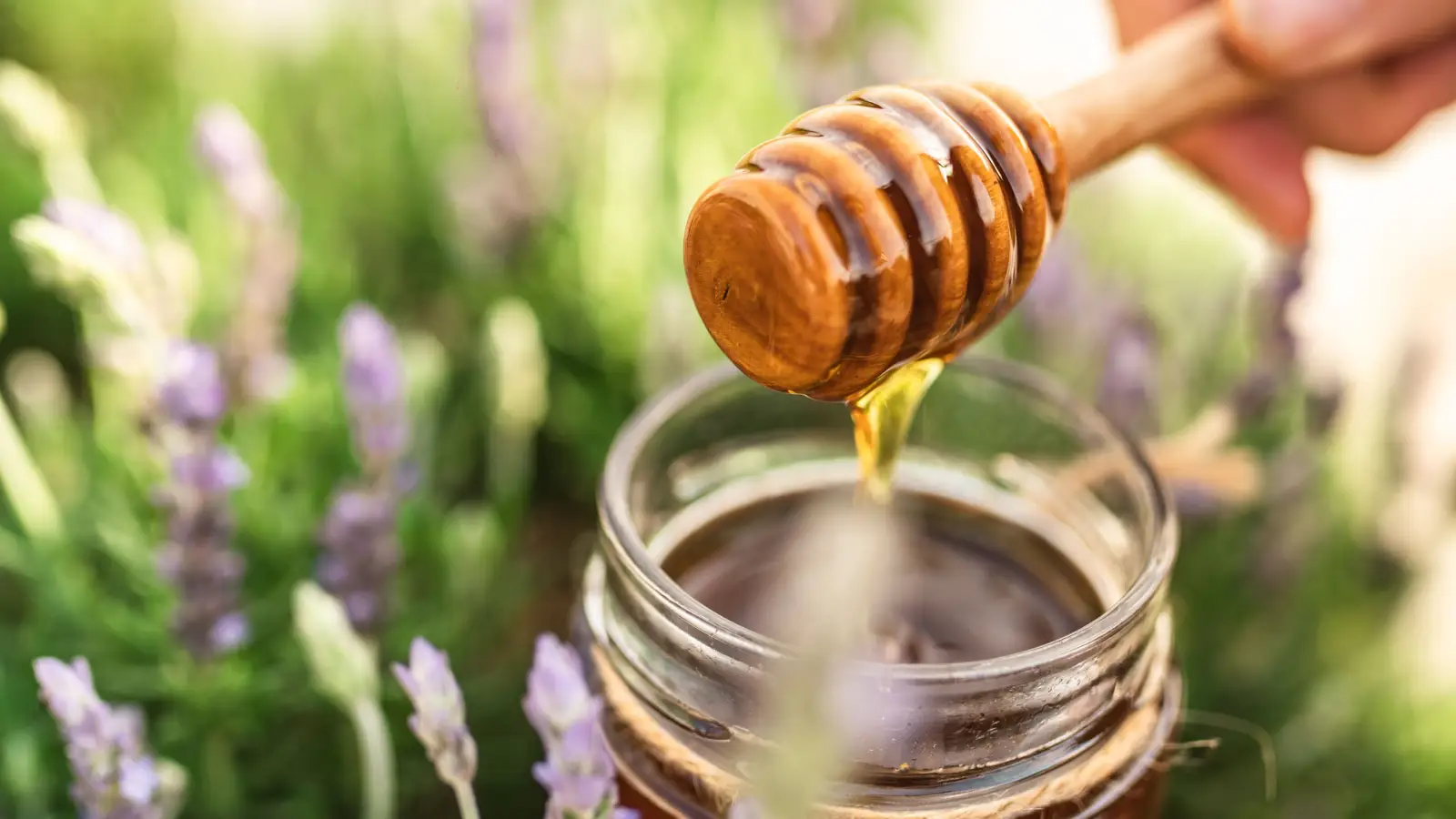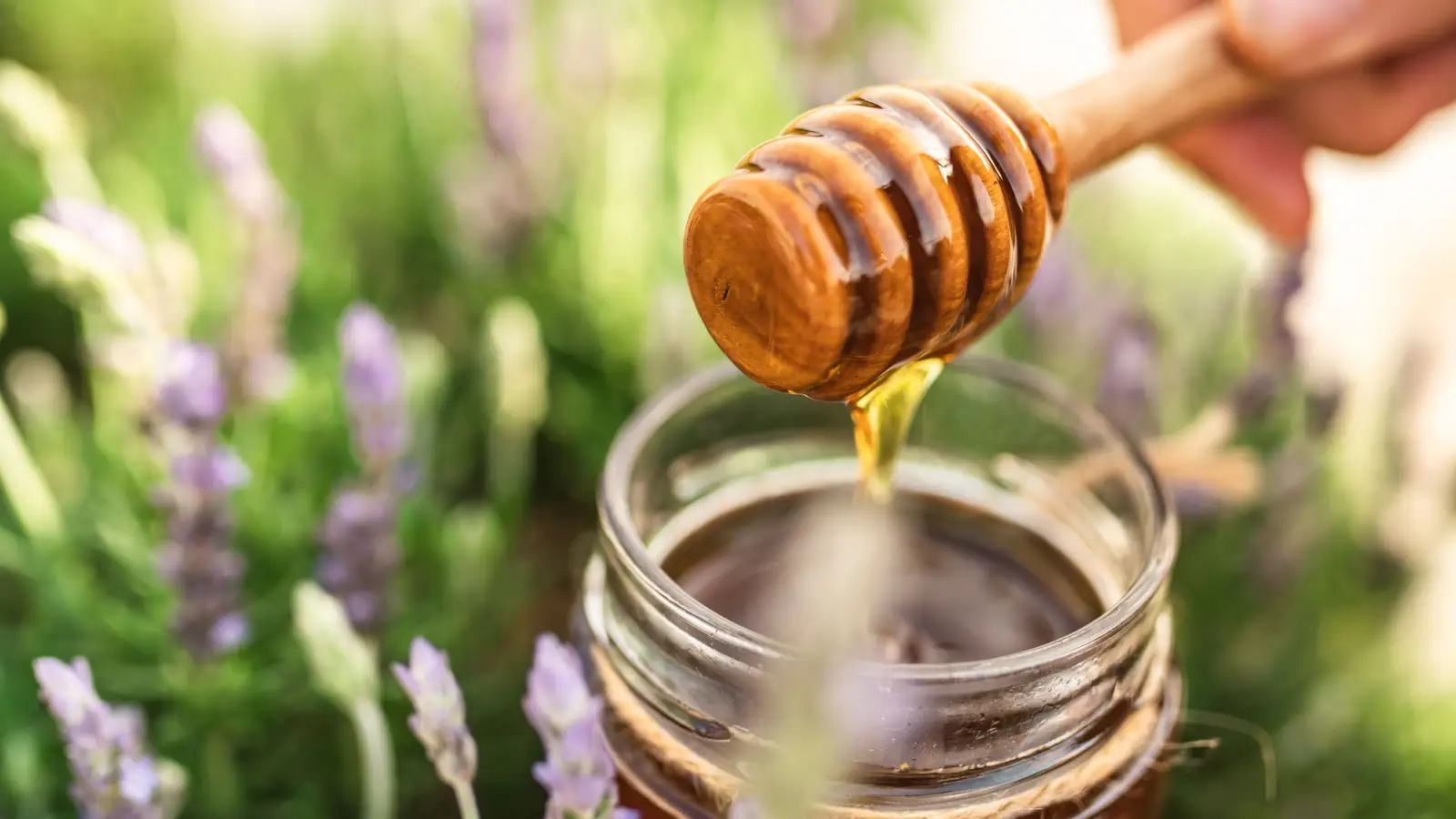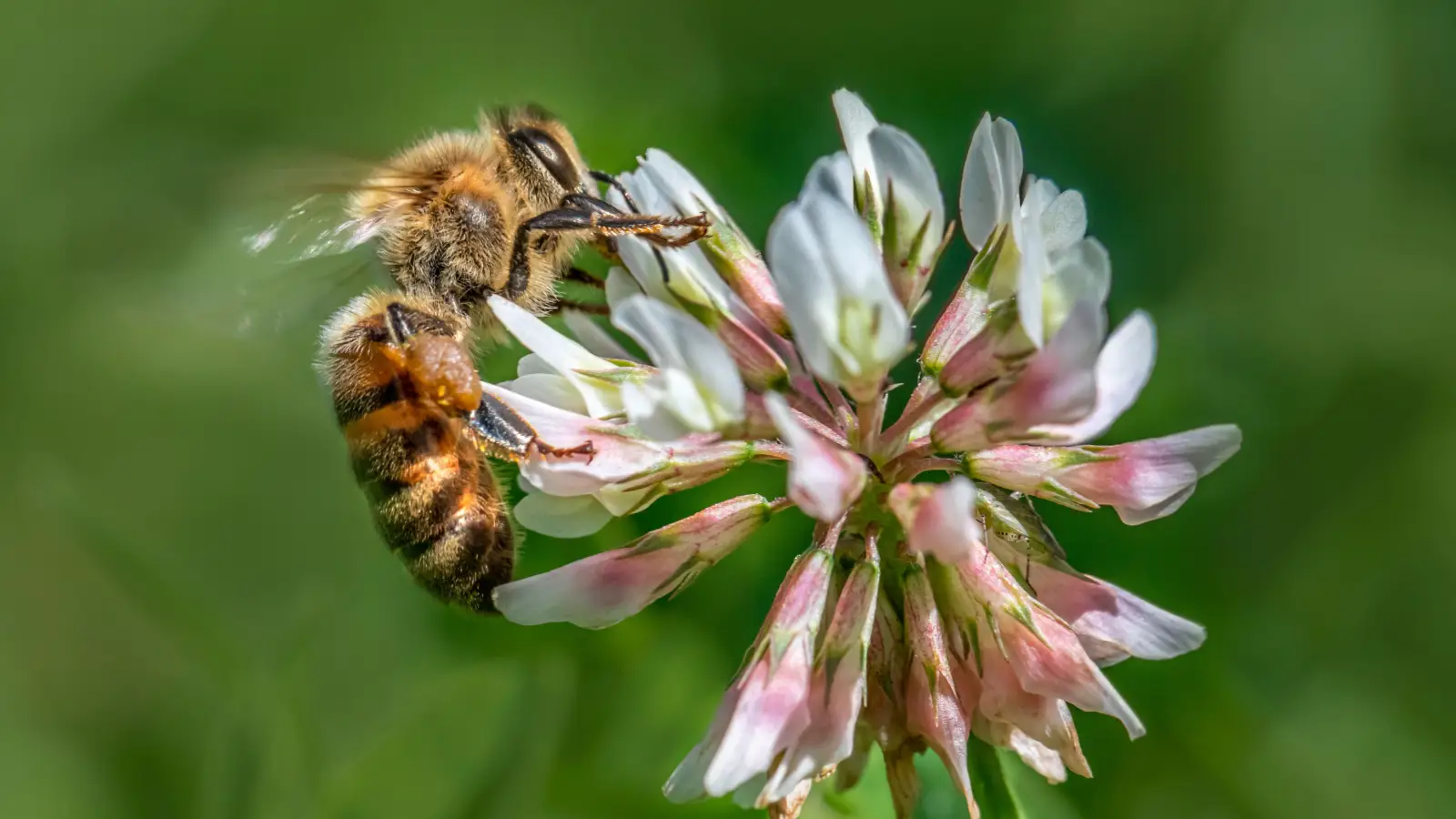
A jar labeled “Pure Clover Honey” suggests a harvest drawn solely from white clover blossoms. Under US food labeling rules, it doesn’t have to be. Honey sold as “clover” can legally contain only a small fraction of clover pollen. The rest may come from whatever honey was cheapest that quarter. This gap between the front label’s promise and the jar’s actual contents explains why so many “pure clover” honeys taste indistinguishably generic. You need to read the label, not the front of the jar, to get real clover flavor.
Which Label Red Flag Matches Your Jar?
Identify the specific signal that made you suspicious. Each one points to a different fix later.
- The back label lists multiple countries or mentions a blend. The front says “Pure Clover,” but the fine print tells a different story.
- The honey lacks clover’s clean, floral taste — it’s flat or oddly robust. You expected a delicate sweetness and got something forgettable.
- You paid significantly less per ounce than other clover-labeled honeys. The price alone raises a red flag.
When the Origin Line Mentions Several Countries
A back label that names two or more countries — “Product of USA, Argentina, India” — means the jar holds a blend. A single beekeeper’s clover crop from one region doesn’t need a multi-country declaration.
Most probable cause: Global blending exploits a regulatory loophole. FDA guidance says honey named for a flower must be “predominantly” from that source. No percentage is set. Packers can mix just enough clover with cheaper honeys to dominate the pollen profile and still print “Clover Honey” on the front. The multi-country line is the giveaway.
How to confirm: Look for one country only. Single-flower honeys from a known apiary often go further, stating a state or county — “Product of North Dakota” or “Harvested in Monterey County.” “Product of USA” alone is a step up from a global blend, but still no guarantee.
Exact fix: Ignore the floral name until you see a one-country origin. Buy only honey that lists a single country and, ideally, a named apiary. Expect to pay more: small-scale clover harvesting costs more than blending.
Expected result: A single-country jar has a much better chance of being mostly clover. True clover honey varies seasonally — faintly minty one year, lightly cinnamon the next — but you lose the generic “sweet nothing” of a global mix.
When the Honey Tastes Nothing Like Clover
Clover honey is mild, but it should have a clean floral sweetness, never a flat sugary punch. When a “clover” jar tastes like every generic supermarket honey, blending is the most frequent cause.
Most probable cause: The clover percentage is too low. A honey that barely hits “predominantly” clover can still use the name, and the delicate character disappears under stronger, cheaper honeys.
How to confirm: Find a producer that publishes pollen analysis or gives a harvest date and location. A few small apiarists print “over 70% clover pollen” or link to a melissopalynology report.
Exact fix: Seek honey labeled “monofloral” with a stated floral percentage or lab mention — even without a formal certification. Some US producers now test through European labs where monofloral standards exist (often around 45% pollen from the named flower) and print the result on the label. Pay more, but the taste difference is immediate.
Expected result: A jar backed by pollen data delivers recognizable clover character. You’ll also taste seasonal shifts — a sign the honey came from one floral source, not a vat.
When the Price Undercuts Every Other Clover Honey
A rock-bottom price doesn’t automatically mean fraud. It does signal that the producer spent nothing on floral fidelity. A $3 squeeze bottle of “Clover Honey” almost certainly contains the bare legal minimum of clover, plus cheap filler.
Most probable cause: Marketing replaced beekeeping. Brands attach “Clover” to cash in on its reputation as light and pure. They fill the jar with the cheapest bulk honey available that quarter. It may be real honey, but it’s unlikely to be predominantly clover.
How to confirm: Look for third-party certification. “True Source Certified” verifies supply-chain traceability and origin, not floral percentage — but it filters out the worst global blends and economic adulteration. A jar with a single-country origin and the True Source mark clears the first hurdle.
Exact fix: Calculate cost per ounce. Compare it to honey from a local apiary or a verified monofloral brand. If the price is less than half of those, put it back. Use the savings to buy a smaller jar from a source you can trace.
Expected result: You’ll pay more and get honey that actually tastes like clover. Over time, you’ll recognize true clover flavor — and spot fake bargains instantly.
Quick Checks That Catch Most Blends
These label-reading tactics work across all the situations above. They’re not miracles, but they tilt the odds heavily in your favor.
- Buy from a beekeeper you can contact. A local producer who harvests white clover can say exactly which weeks the bees were foraging. That direct line erases the labeling guesswork. No clover fields nearby? Find an online apiarist who posts harvest updates.
- Reject any multi-country jar. This is your strongest filter. Multiple countries mean a blend, and a blend kills any single flower’s identity.
- Favor “single-source” or “single-origin” claims. These terms, even without a legal definition, signal a more honest approach. The label should name a place, not just a brand.
Straight talk: None of these moves rescues a jar already in your kitchen. They are buying strategies. Use them to prevent the next mistake.
How to Spot the Real Jar Before You Pay
Stop the problem at the shelf. Make the back label your first read; treat the front as a marketing suggestion.
- Check origin before flower. Turn the jar. If you see a list of countries, put it down. A single country plus a region or apiary name puts you on the right track.
- Ignore “100% pure.” That phrase only confirms the product is honey, not syrup. Every real honey can say it. It says zero about floral source.
- Reward transparency. Spend your money with producers who print harvest location, floral percentages, or test results. More label detail means a better chance the contents match the name.
- Expect to pay more for the real thing. A 12-ounce jar of clover-dominant honey from a known source will cost more than the grocery standard. If a price seems too low, confirm why.
Frequently Asked Questions
Is there a legal minimum percentage of clover pollen for honey labeled “clover” in the United States?
No. FDA guidance says honey may use a floral variety name if it is “predominantly” from that source, but no percentage is defined. In the European Union, informal benchmarks often sit near 45% for many monofloral honeys. The US market relies entirely on producer honesty — and your own label scrutiny.
Can I test clover honey at home to see if it’s really monofloral?
No home test can identify the floral sources. Simple checks exist for added sugar or corn syrup, but pollen analysis requires a lab. Melissopalynology — microscopic identification of pollen grains — is the standard method and costs a few hundred dollars per sample. That’s why consumers rarely test their own jars.
What does “True Source Certified” actually tell me about clover content?
True Source certification verifies that the honey’s country of origin matches the label and that it was ethically sourced — free from known adulteration or tariff-evading transshipment. It does not confirm floral variety or clover percentage. It is a solid purity signal, but not a monofloral guarantee.
Why does a single-source clover honey taste different this year than last year?
Even 100% clover honey shifts with rainfall, temperature, and nectar-timing. A wet spring yields a lighter honey; a hot, dry June pushes it earthier and warmer. That variation is a stamp of authenticity, not a defect.
What to Do If You Still Can’t Trust the Label
If you’ve gone through all the checks and still believe a “Clover Honey” jar contains only a token of clover, escalate.
Collect evidence: photograph the front and back labels, record the lot number and best-by date, and write down exactly why you suspect mislabeling (multi-country origin, wrong flavor, implausible price). Contact the packer listed on the label — name and address are mandatory. Ask directly for the floral composition or the countries and regions sourced. Some packers respond with detail; most don’t.
If the answer is vague or absent, file a report with the FDA’s Center for Food Safety and Applied Nutrition (CFSAN) through their online complaint form. A single complaint rarely triggers action, but a repeated pattern can. Your state department of agriculture’s weights and measures division may also investigate local sales.
Ultimately, the most effective tool remains your wallet. The more buyers demand single-source, transparently labeled honey, the faster the market shifts.