USDA data confirms that floral source dictates a honey’s phenolic makeup and glucose oxidase level, which in turn account for most of its measured antioxidant capacity and peroxide-driven antibacterial rating—but the gap between a test tube result and a functional outcome remains wide and poorly bridged.
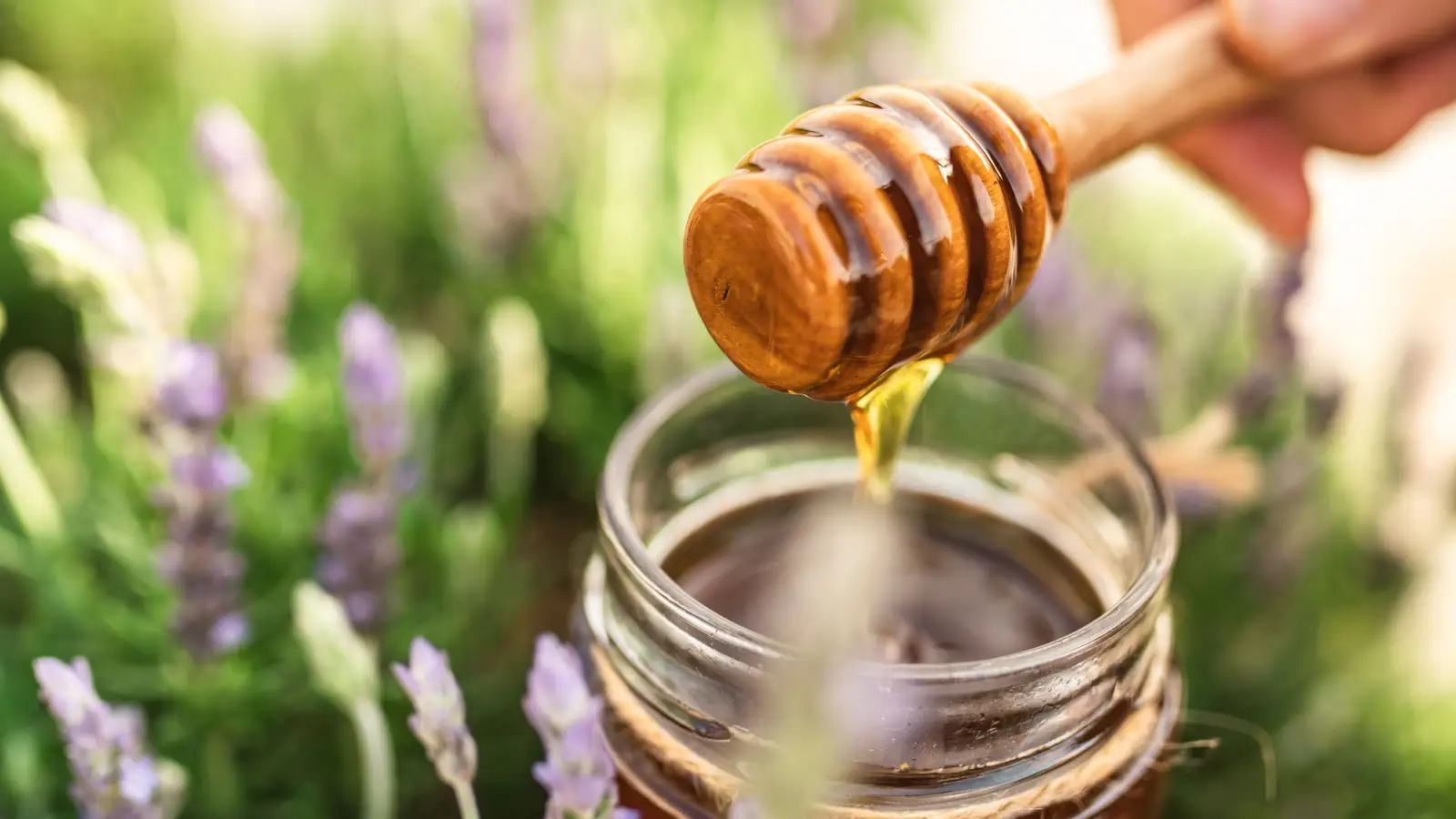
A buckwheat honey and a clover honey don’t merely differ in color. The USDA’s nutrient database, built from hundreds of single-source samples, documents a clear pattern: darker honeys, particularly from plants exposed to environmental stress, pack a substantially denser load of phenolic compounds. That load translates directly into higher ORAC scores and, typically, a stronger peroxide kick from glucose oxidase when the honey is diluted. What matters is not that the pattern exists but that the data itself has hard boundaries. Most entries capture total phenols, not sub-profiles; they reflect lab assays that bypass the body’s actual barriers to absorption; and they cannot separate a single-harvest fluke from a reliable variety-wide characteristic. The value of this data is in what it explicitly does not promise.
What USDA Screening Actually Captures Across Floral Sources
USDA honey analyses stretch back decades, but the modern database focuses on varietal comparisons using standardized methods: Folin-Ciocalteu for total phenols, ORAC for hydrophilic antioxidant capacity, and occasionally enzyme activity measurements. The consistent finding is that floral origin, not processing or geography alone, is the primary driver of these numbers. Buckwheat honey, for example, routinely registers total phenolic levels five to ten times those of a pale clover honey, and its ORAC values sit in the range of many fruits. The database’s intent is compositional cataloging—not efficacy grading. It shows where bioactivity might be present; it does not certify that a spoonful delivers a predictable effect.
That limitation matters because honey commerce is thick with antioxidant and antibacterial claims that the USDA data, by itself, can’t underwrite. The data confirms correlation, but correlation without clinical context leaves consumers and formulators guessing.
The Specific Markers That Change With Flower Type
Phenolic Load and the Dependency on Plant Stress
Honey phenolics—flavonoids like quercetin, kaempferol, and chrysin, plus acids such as caffeic and p-coumaric—derive wholly from the plant source. Their concentration climbs when the plant grows under drought, strong UV, or poor soil. The USDA records the total phenolic tally, which tracks closely with a honey’s absorbance at 280–320 nm, a proxy for antioxidant electron-donating capacity. In the database, buckwheat and chestnut honeys cluster at the high end, citrus and clover at the low end. The practical limitation: a high total phenol count tells you there are electron donors in the jar, but it says nothing about whether those molecules survive digestion, reach target tissues, or act synergistically with anything else.
Glucose Oxidase Activity and the Peroxide Decay Curve
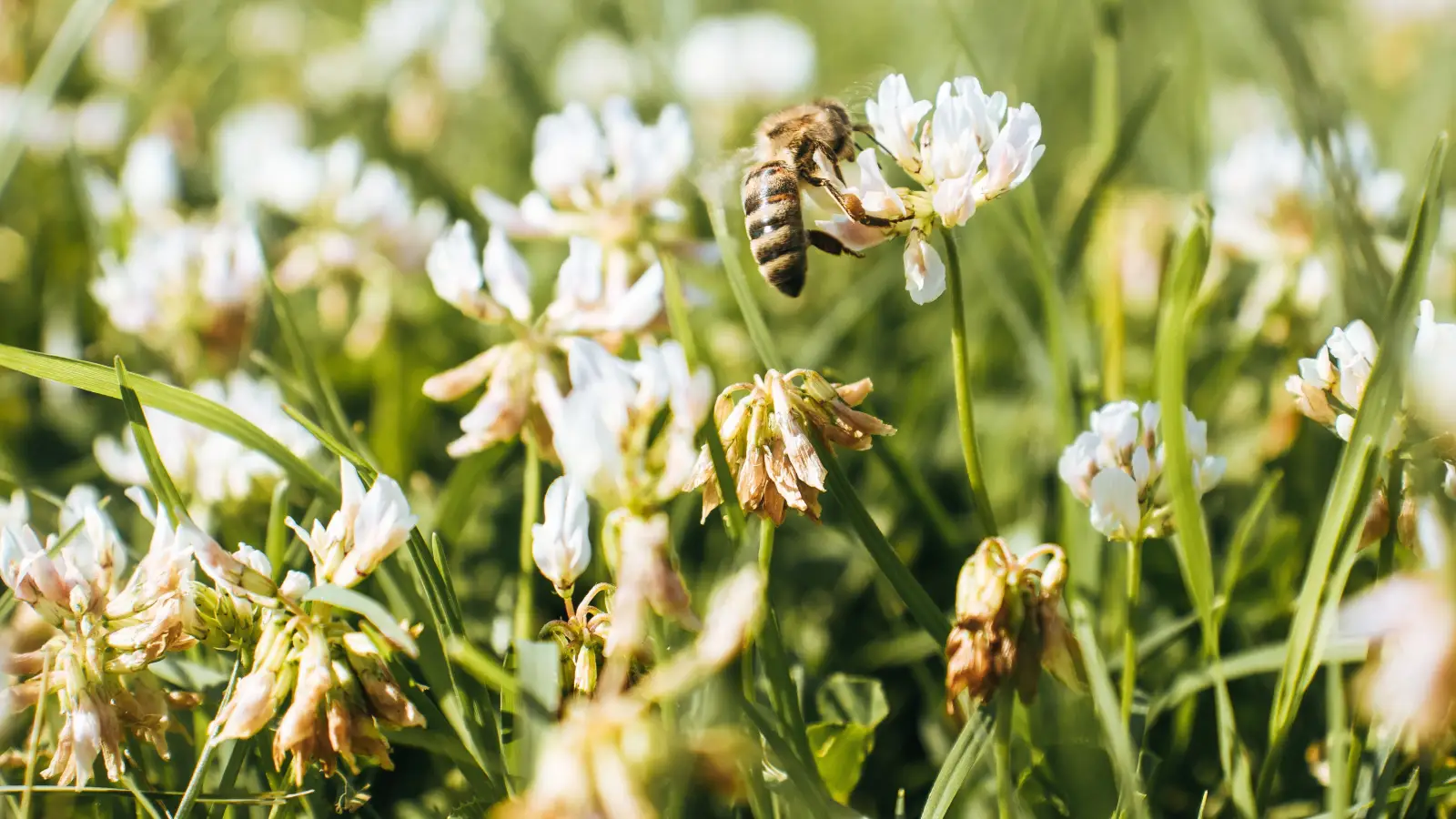
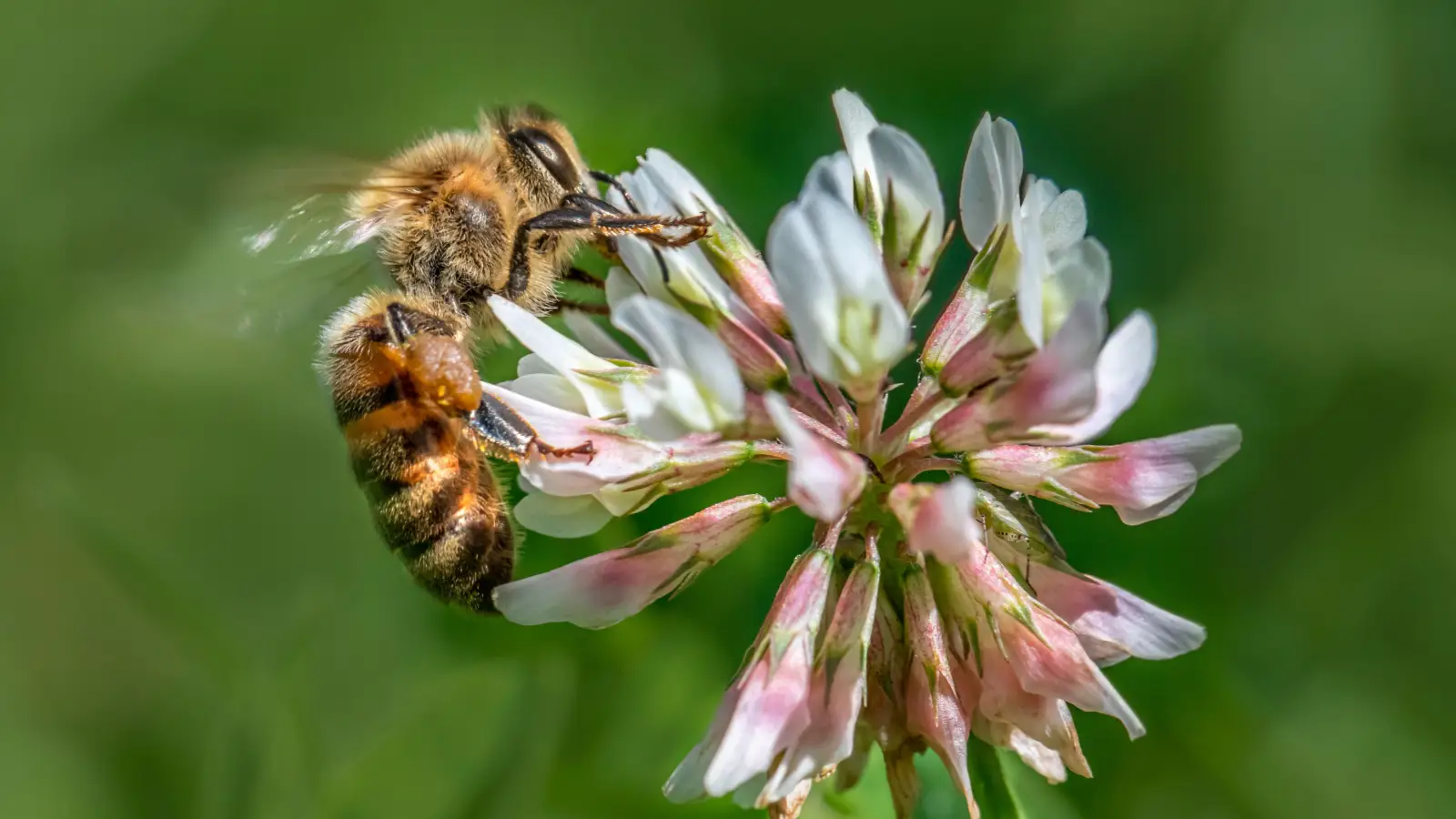
Glucose oxidase is a bee-secreted enzyme that oxidizes glucose to gluconic acid and hydrogen peroxide upon dilution. Its baseline activity varies sharply by floral source. Sunflower, clover, and some mountain honeys yield robust peroxide generation, while manuka honey tests low for peroxide but high for methylglyoxal. The USDA and allied food chemistry data document these differences in potential, not in performance. A honey that shows strong peroxide output in a lab agar plate can lose nearly all its activity within hours when applied to a wound with tissue catalase and serum proteins binding the peroxide. The database does not model that decay; it only confirms that the enzyme is present and active under ideal conditions.
Nectar Composition as the Root Cause
The plant’s nectar chemistry sets the stage—sugar ratios that influence osmotic stability, phenolic precursors, and the level of catalase inhibitors or co-factors. A floral source from a semi-arid scrub yields nectar with concentrated secondary metabolites; bees foraging there produce honey with a chemical signature that maps back to that environment. USDA data captures the endpoint, but the variability across even a single apiary’s harvest shows that no number should be taken as a guarantee for the next jar from the same floral label.
When Floral Source Determines the Outcome
When the goal is topical antibacterial action against common wound pathogens, floral source becomes a key variable. A peroxide-strong honey from a reliably high-glucose-oxidase floral type can provide an accessible, lower-cost option for simple wound care, provided the honey is raw and minimally processed. The decision narrows further if the need is for non-peroxide activity against resistant bacteria—then only a few Leptospermum-derived honeys (manuka, jelly bush) with verified MGO levels matter. In both cases, the USDA database serves as a screening reference: it can flag varieties that typically show strong enzyme activity, but a user must still verify the specific batch with a separate assay or rating system.
When Floral Source Makes No Practical Difference
In any culinary context—spreading on bread, stirring into tea, baking—the chemical markers that USDA tracks have no detectable benefit. The phenolic dose from a tablespoon of even high-antioxidant honey is trivial next to a handful of berries, and heat destroys glucose oxidase within minutes. Floral source here matters for taste, crystallization speed, and color, not for any functional health claim. Choosing a harsh, dark honey purely for its ORAC score almost always leads to an unused jar, while a mild orange blossom satisfies the palate without delivering meaningful antioxidant protection.
The Analytical Framework That Gives the Data Meaning
- ORAC (Oxygen Radical Absorbance Capacity): A peroxyl-radical quench assay; correlates with total phenols in honey but has no validated link to in vivo antioxidant status.
- Methylglyoxal (MGO) and Non-Peroxide Activity: The stable, heat-resistant antibacterial factor in manuka honey, measured in mg/kg and forming the basis of UMF ratings—independent of glucose oxidase.
- Hydrogen Peroxide-Dependent Activity: The primary antibacterial mechanism in most honeys, contingent on glucose oxidase stability and dilution conditions; not captured by MGO testing.
- Melissopalynology (Pollen Verification): The microscopic identification of pollen that anchors any floral source claim; without it, USDA varietal averages are useless because label fraud is rampant.
Common Questions About Honey’s Chemical Markers
Which honey has the highest antioxidants?
Buckwheat, chestnut, and certain heather and leatherwood honeys top the USDA phenolic lists and ORAC tables. But harvest-to-harvest variation means any single jar may fall well below the average for its type; the numbers are a guide, not a guarantee.
Does all honey contain glucose oxidase?
Nearly all raw, unheated honeys contain the enzyme, but concentration differs by floral source and drops quickly with heat or age. Pasteurized honeys often show no detectable peroxide activity.
How reliable are lab antioxidant tests for real health benefits?
ORAC and similar assays measure chemical potential in a solution, not bioavailability in the body. Phenolics can be poorly absorbed, altered by gut bacteria, or excreted rapidly. A high lab value is a starting point for research, not a consumer claim.
Is antibacterial rating the same as UMF or TM?
No. UMF and TM are proprietary manuka-specific scales that incorporate MGO and sometimes phenolic markers. USDA data and general agar diffusion tests typically measure peroxide-based activity, which is a different mechanism. A honey can score high on a peroxide assay and still have a zero UMF rating.
What Comes After the Chemical Snapshot
Once the connection between floral source, phenols, and glucose oxidase is clear, the immediate next question is how to select a honey with confidence—navigating labels, certification marks, and the limits of lab numbers. The USDA database gives a starting vocabulary, but practical selection demands an understanding of batch testing and the gap between total phenols and anything resembling a health outcome.