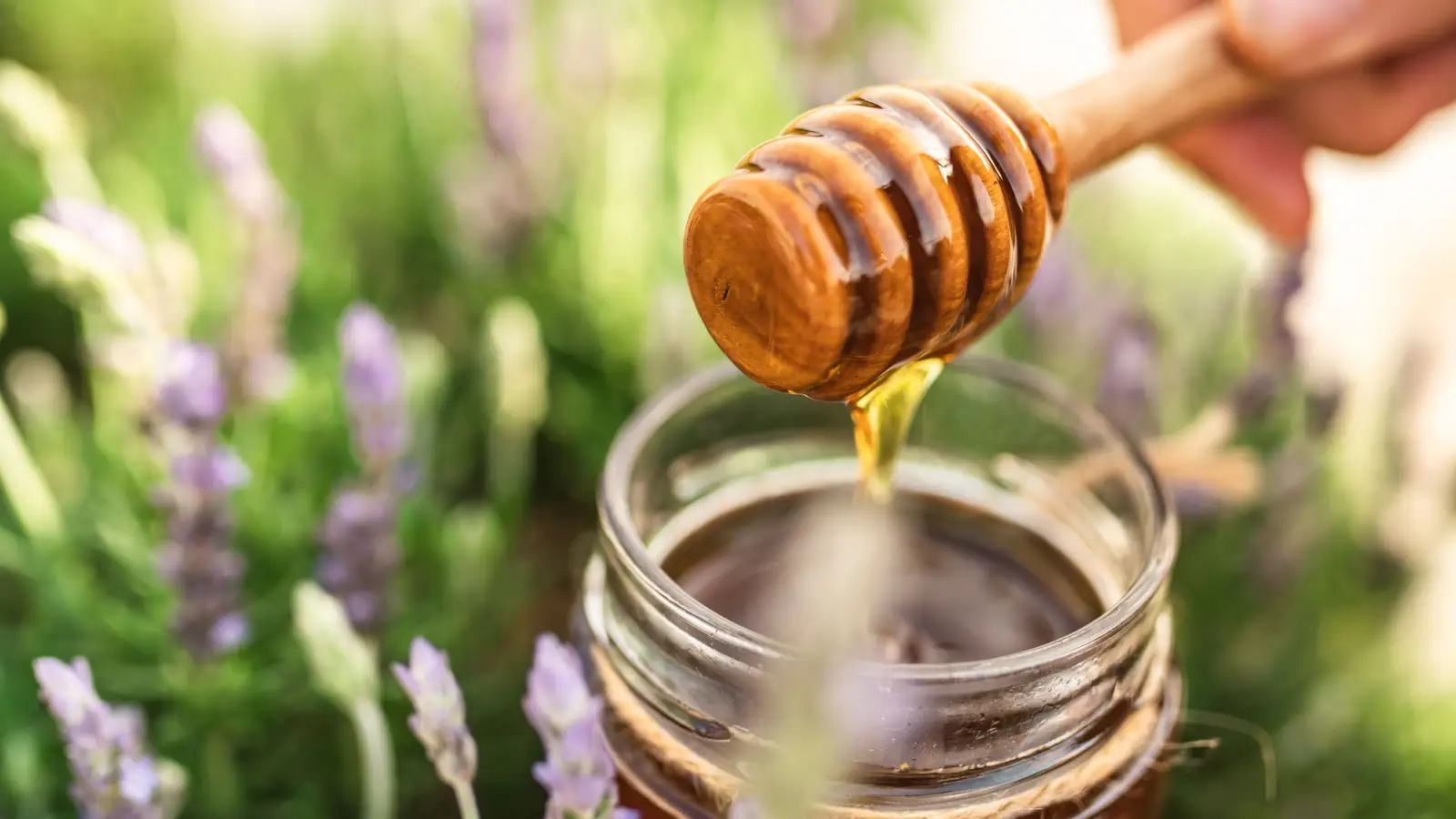
Local honey does nothing for seasonal allergies, and here’s why the logic crumbles on first inspection: the pollen in honey comes from bee-pollinated flowers, whereas the allergies that ruin spring and fall come from wind-pollinated trees, grasses, and weeds. A 2002 placebo-controlled trial put this to the test and found zero difference between honey and a flavored syrup in reducing symptoms. No mechanism, no matching pollen, no dose.
Can local honey cure seasonal allergies?
No. If it were that simple, beekeepers would never sneeze. The idea—that eating local pollen trains the immune system—ignores the fact that the pollen you eat in honey is the wrong species. Controlled studies confirm: no measurable benefit over placebo.
What kind of pollen causes seasonal allergies?
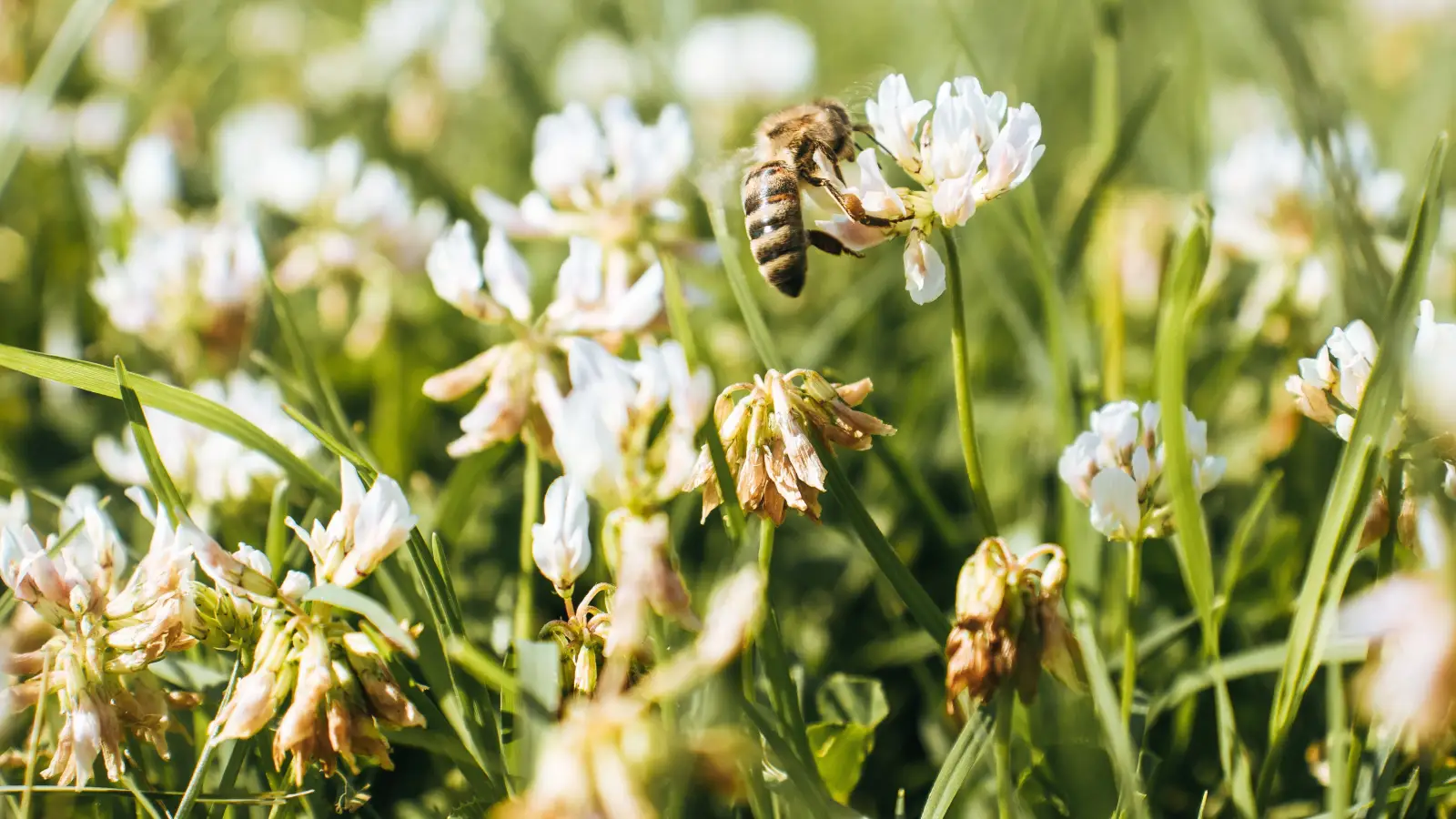
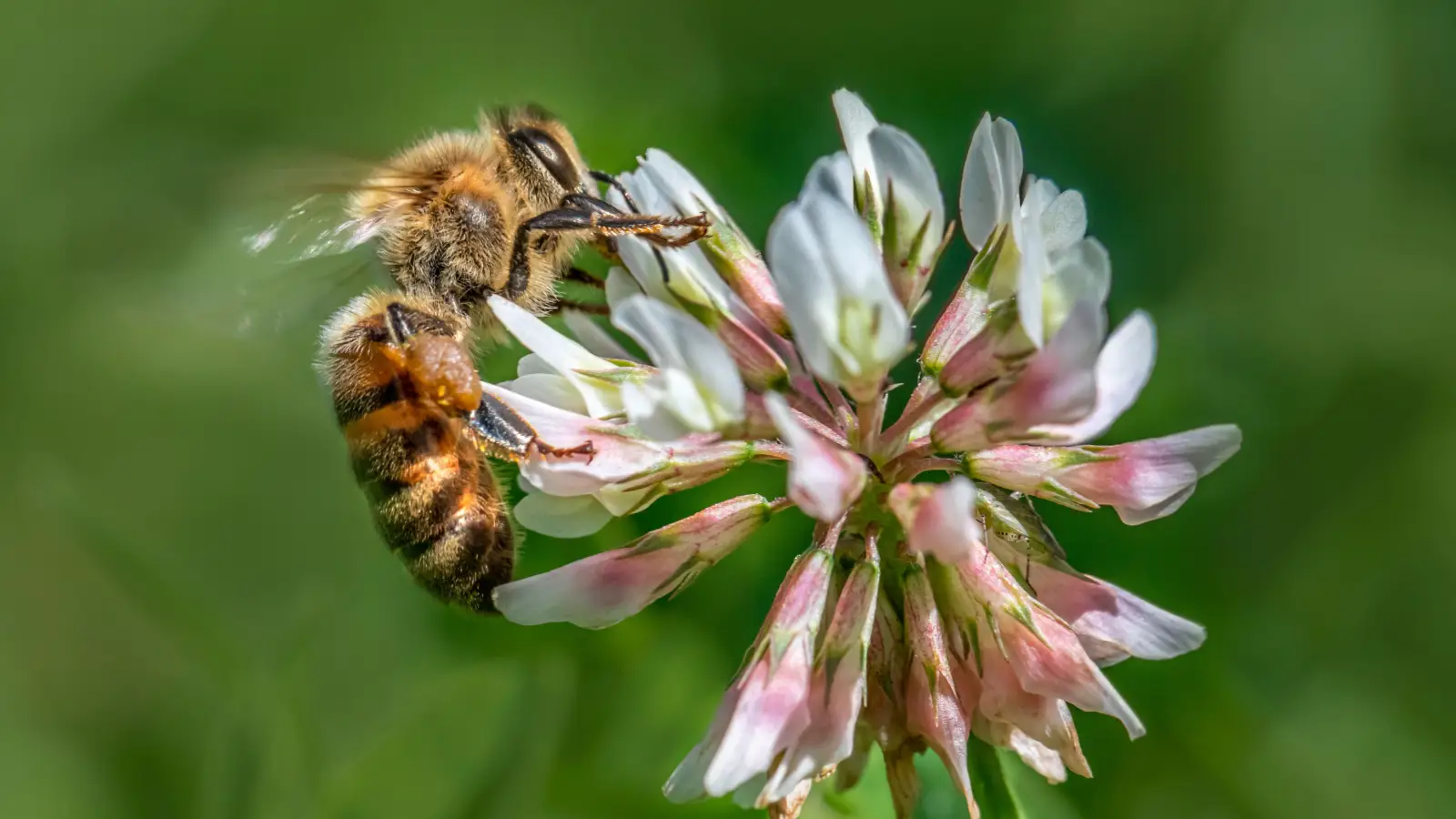
The bulk of seasonal allergies are triggered by plants that don’t need insects: trees (oak, birch, cedar), grasses (ryegrass, timothy), and weeds (ragweed). These plants produce billions of lightweight, wind-borne pollen grains that land in your nose and lungs. Flowers that rely on bees, on the other hand, make heavy, sticky pollen that stays put—and that’s what you’ll find in honey.
Does local honey contain the pollen that causes allergies?
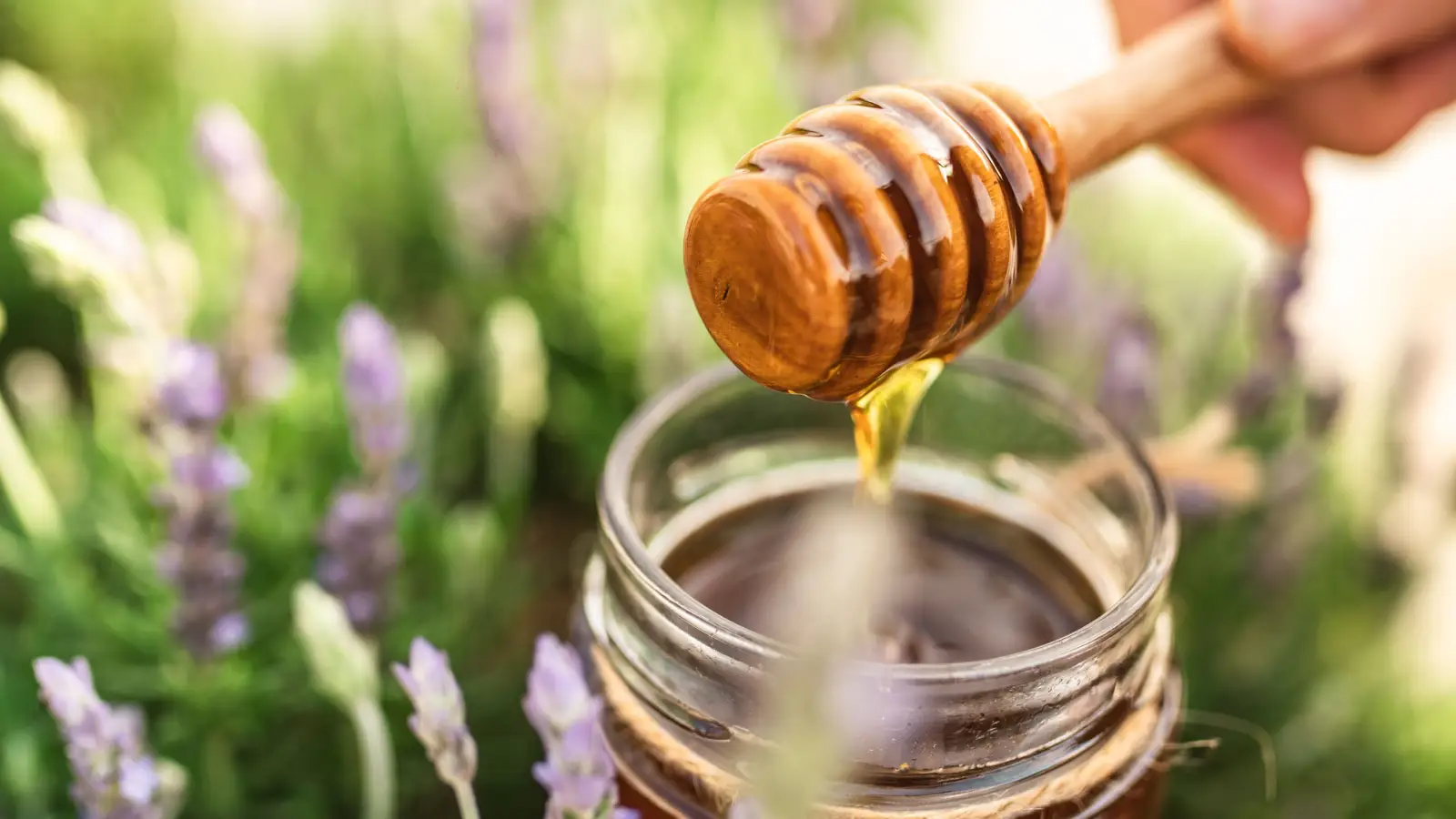
Almost never in any meaningful amount. The pollen in a jar of honey is a fingerprint of the flowers the bees visited: clover, orange blossoms, wild mustard. Not the invisible tree and grass pollen floating through the air. A North American honey might carry goldenrod pollen, but that’s an insect-pollinated plant often wrongly blamed for hay fever.
What does the science say about honey for allergies?
The Rajan et al. (2002) study is the one everyone should read before repeating the myth. They split participants into three groups—local honey, national pasteurized honey, and corn syrup placebo—and tracked allergy symptoms across the pollen season. No group fared better than any other. Later reviews all point the same direction: no reliable evidence.
Why do some people still claim that local honey helped their allergies?
Placebo plus natural variation. When people believe something will help, symptoms can feel milder, and every allergy season isn’t equally bad—a dry, windy spring will be worse than a rainy one. Credit the honey when it was the weather all along. That’s not a cure; that’s timing.
Can local honey make allergies worse?
In rare cases, yes. Someone with a known bee-product allergy or oral allergy to certain flower pollens could react to honey. Severe pollen allergy sufferers might also react to trace wind-borne pollen that stuck to the hive or nectar, but it’s uncommon. For most people, the bigger risk is wasting time on a fantasy remedy while real symptoms go untreated.
How much local honey would you need to eat to build any immunity?
Impractically huge amounts—and even then, it wouldn’t work because the pollen is the wrong type. Allergy immunotherapy uses precisely calibrated extracts of the exact pollen you’re allergic to, in escalating doses, under medical supervision. A teaspoon of honey delivers a random, vanishingly small pollen load, far below any desensitization threshold.
What actually works for seasonal allergies?
Antihistamines, intranasal corticosteroids, and—for persistent cases—allergen immunotherapy. These are the tools that target the real culprits: windborne pollens from trees, grasses, and weeds. Reducing exposure by staying indoors during peak counts, showering after being outside, and running HEPA filters also works. No mystery, just evidence.
Is there any type of honey that might be different?
No. Manuka, raw, unheated, unfiltered—it doesn’t matter. None of these change the pollen source. Manuka honey comes from a bee-pollinated shrub native to New Zealand; its pollen is irrelevant to grass allergies in Ohio. The “local” label only tells you the bees foraged locally; it doesn’t magically turn bee pollen into ragweed pollen.
What to read next if you’re still tempted by the honey jar
Once you understand why pollen mismatch kills the honey fantasy, the next step is to separate other allergy myths from evidence. Look into which plants actually produce the pollen you’re allergic to, how allergy immunotherapy achieves real desensitization, and why the placebo effect is so powerful that it convinces people a spoonful of sugar is medicine.