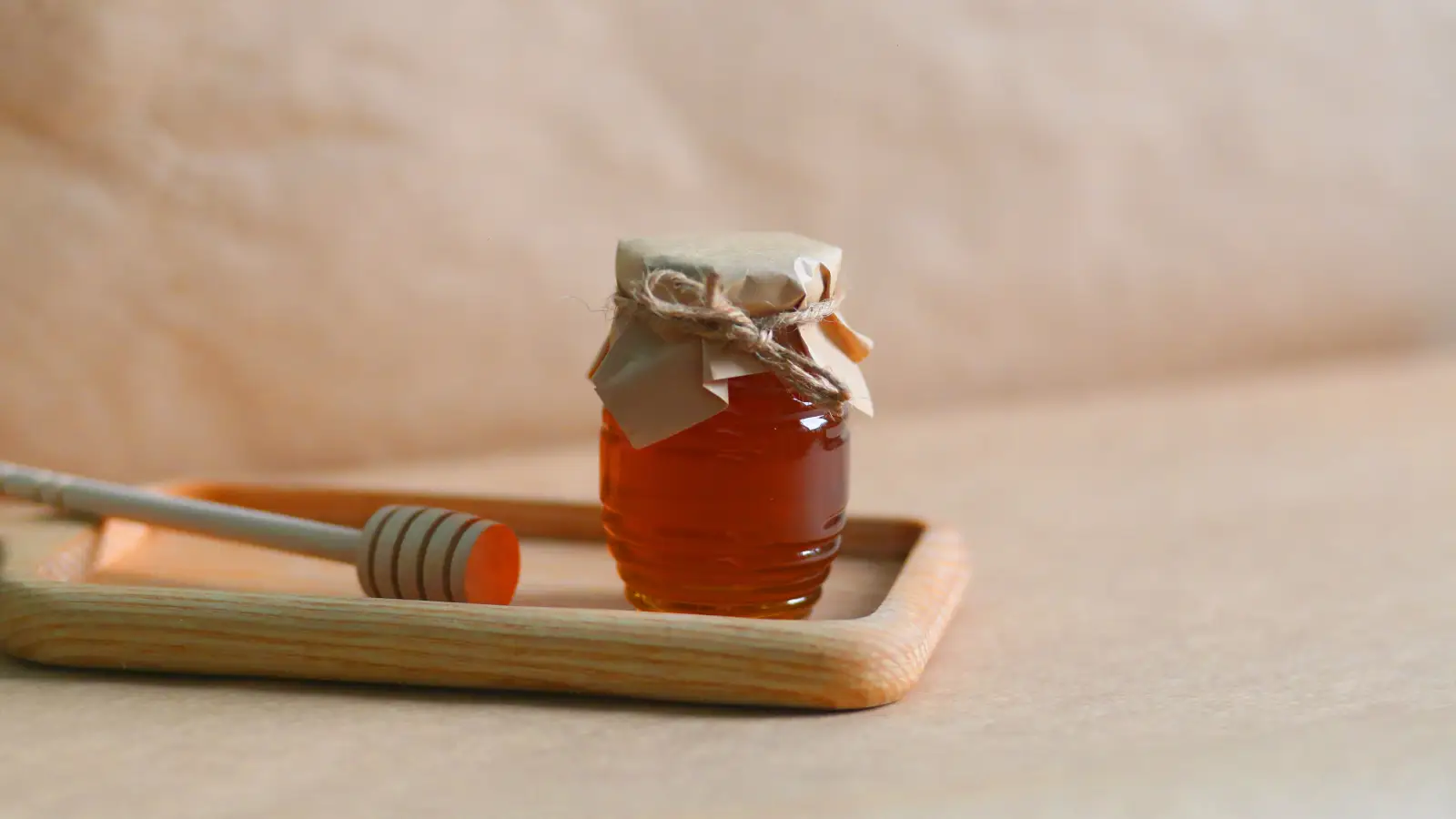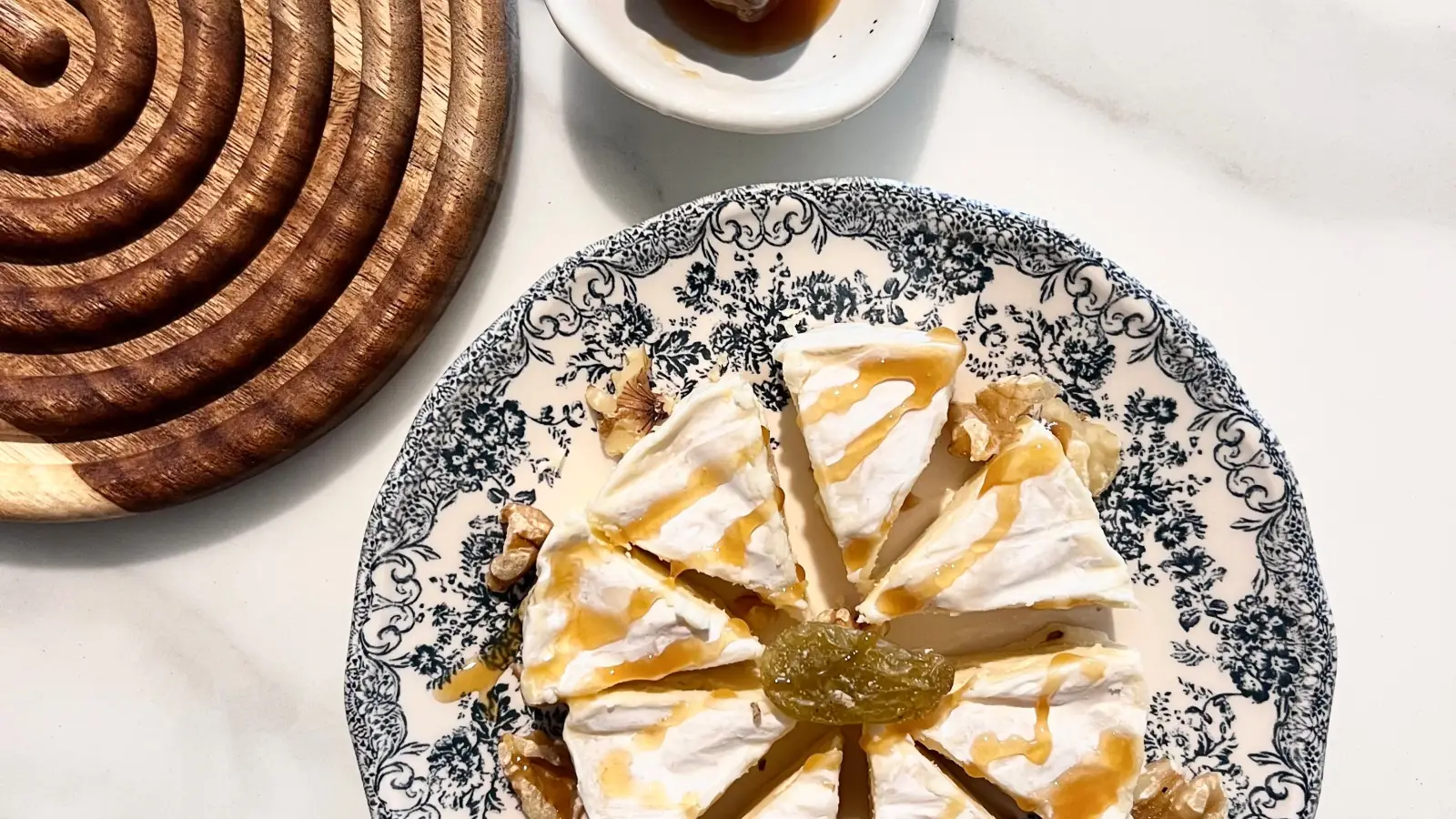
The moment you stop treating honey as a generic sweetener and start noticing its personality—floral, fruity, earthy—a simple drizzle over goat cheese becomes a tiny flavor experiment. This guide sorts monofloral honeys by those very notes and matches them to real dishes, so every pairing feels intentional, not accidental.
Orange Blossom Honey
Orange blossom honey is the easiest win. Its bright citrus scent and gentle floral-fruity taste seem almost designed to sit beside the tang of fresh goat cheese. Because it’s widely available and never aggressive, it’s the perfect entry point for anyone wanting to try a monofloral pairing for the first time. The way it echoes the citrus often used in goat cheese presentations—a wedge of lemon, a strip of orange zest—makes it feel obvious once you try it.
Tip: Drizzle orange blossom honey over a whole log of fresh goat cheese, scatter toasted almonds and a little orange zest on top, and let people slice their own portions. The honey ties every element together into one bright bite.
Lavender Honey
Lavender honey is the rogue choice—it can be divisive, but when it works, it’s unforgettable. Its floral-herbal perfume doesn’t just sweeten; it adds a layer that makes a cheese plate feel thoughtful. This honey earned its place because it pushes the idea that pairing is about more than just pleasing a crowd: sometimes you want a conversation piece, and a drizzle of lavender honey over goat cheese and figs does exactly that.
Tip: Spread plain goat cheese on a toasted crostini, lay a thin slice of ripe fig on it, and add the smallest drizzle of lavender honey. Too much and the honey steals the scene; just enough and it bridges the sweet fruit and tangy cheese with an herbal hush.
Clover Honey
Clover honey is the supportive friend—gentle, familiar, and happy to stay in the background. It won’t distract from the goat cheese’s own lactic tang, which makes it the right call when the cheese is the star and the dish is minimalist. While it lacks the dramatic personality of darker honeys, that very cleanness becomes a tool when you’re building a dip or spread where herbs and spices are doing the talking.
Tip: Whip clover honey into softened goat cheese with chopped chives, cracked black pepper, and a pinch of salt. The honey smooths the texture and softens the cheese’s edge without adding a competing flavor, leaving you with a versatile spread for bread or raw vegetables.
Buckwheat Honey
Buckwheat honey is heavy, dark, and tastes like molasses met a forest floor. It’s not a honey you’d casually pour over a salad, but when the dish is built around salty, savory, hearty ingredients, it becomes a secret weapon. The reason it holds its spot on this list: it shows how far honey can move from sweetness into something almost savory, and it creates moments where goat cheese tastes meatier, deeper, suddenly more complex.
Tip: Stuff a soft Medjool date with goat cheese, wrap it in prosciutto, and bake until the cheese starts to ooze. Finish with a thin thread of buckwheat honey just before serving. The interplay of salt, tang, and dark earth is the kind of bite you remember.
Chestnut Honey
Chestnut honey is the strong, silent type—deep amber, faintly bitter, woodsy, and not at all what most people expect from honey. It’s not for spoon-licking, but paired with a baked goat cheese round or an aged chèvre, it pulls out nutty and caramel notes that would otherwise hide. This honey is included to challenge the assumption that honey must be sweet-forward; here, bitterness becomes the asset.
Tip: Warm a small round of goat cheese in a ramekin, scatter fresh rosemary and cracked pepper on top, and drizzle chestnut honey over it. The slight bitterness cuts through the cheese’s richness and makes the herb sing.
How to Match the Right Honey to Your Goat Cheese Dish
Think about what’s happening on the plate beyond the goat cheese. The honey isn’t just a topping—it’s a participant in the flavor balance.
For bright, tangy goat cheese salads
Light floral honeys like orange blossom or clover are your allies. They add sparkle without dragging the greens into sticky, heavy territory.
For baked or warm goat cheese appetizers
You need honeys with backbone: buckwheat or chestnut. Their deep flavor survives the oven and stands up to rosemary, thyme, and roasted garlic.
For a cheese board with dried fruit and nuts
Lavender honey steps in here like a finishing touch. Its floral lift makes everything on the board feel more composed, especially when you have dried apricots or candied walnuts in the mix.
When goat cheese is the main event on toast or in a dip
If you’re serving a naked crostini with just goat cheese and a single herb, use clover honey to keep the focus on the cheese. If you want that one show-stopping bite people ask about later, pour a thin ribbon of buckwheat and let the contrast do the storytelling.
Frequently Asked Questions About Honey and Goat Cheese
Can I use any honey with goat cheese?
Technically yes, but you’ll miss the chance to do more than just sweeten. Monofloral honeys bring distinct aromatics that can either lift the cheese’s best qualities or muddy them. A generic blended honey rarely adds anything beyond sugar.
Which honey is best for baked goat cheese?
Buckwheat and chestnut honeys are excellent in baked applications. Their robust profiles don’t vanish under heat and actually pair well with the caramelized, toasty notes that baking develops.
Is there a honey that can overwhelm goat cheese?
Definitely. Intensely medicinal honeys like manuka or some heather varieties can dominate to the point of clashing with the cheese’s lactic tang. Save those for moments when the honey itself is the main flavor you want to feature.
Should I warm honey before drizzling?
A gentle warmth helps the honey flow and can release its aroma, but never boil it. A 10-second dip in warm water or a quick moment in the microwave is all it takes to get that silky pour without hurting the delicate volatile notes.
Key Takeaway
When you want a honey that flatters fresh goat cheese in almost any setting, orange blossom is the safe, satisfying choice you’ll reach for again and again. But the real magic happens when you match darker, earthier honeys like buckwheat to hearty, savory dishes—they don’t just sweeten, they transform. The lesson is simple: let the honey be a co-star, not an afterthought, and you’ll taste the difference immediately.