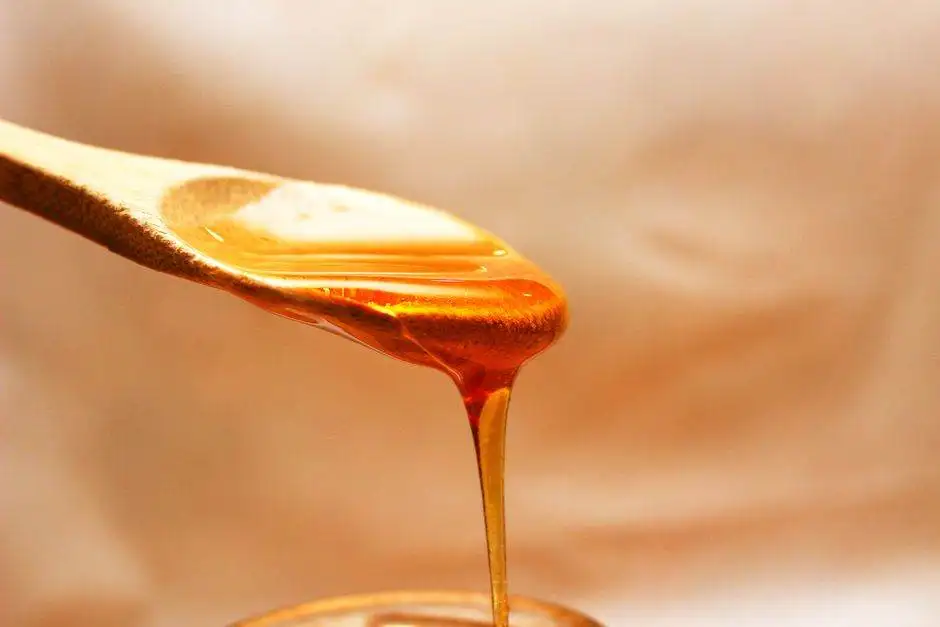
Five pervasive honey vs. sugar myths break down under even basic nutritional and metabolic scrutiny. Honey supplies minuscule amounts of micronutrients, the body handles its sugars almost identically to table sugar, and neither ingredient is a primary driver of diabetes. The practical differences are too marginal to support the health headlines that repeat these claims.
This article sorts those myths into three categories of misunderstanding—nutritional composition, metabolic processing, and medical causation—so the corrections form a reusable framework. Once you see the pattern, future sweetener claims become easier to dismantle.
Which Claim Brought You Here? Three Entry Points
If you’re wondering whether swapping sugar for honey will make a meaningful health difference…
Your path through the nutritional myths will show exactly what nutrients you are—and aren’t—getting, so you can stop paying extra for a promise the jar cannot back.
If you’re managing blood sugar and want to know whether honey is safer…
The metabolic section explains why a modestly lower glycemic index does not rewrite the body’s response to a sugar load, and why total carbohydrate matters more than a single number.
If you’ve heard “natural means better” and want the science…
The medical myths section trains you to separate correlation from causation and to see through “traditional” wrapping on a high-sugar food.
Nutritional Myths: What the Jar Contains vs. What It Promises
The point of this stage is to anchor your judgment in what honey actually delivers per spoonful—not in claims about “nutrients,” “enzymes,” or processing stories. Once you can read a label and see past marketing, you are ready to move on.
Myth: Honey Is Packed With Vitamins, Minerals, and Antioxidants
A tablespoon of honey supplies traces of B vitamins, vitamin C, calcium, iron, and a few antioxidants. The amounts are so small that reaching nutritionally notable levels would require consuming hundreds of grams daily—an amount that would mean taking in 60 grams or more of sugar well before any vitamin benefit appears. For perspective, that same tablespoon provides less than 1% of the daily value for most micronutrients it contains. The antioxidant story is similar: a handful of berries delivers more antioxidants than a cup of honey, without the sugar flood. Nutrient density does not survive the sugar math.
Myth: Raw, Unfiltered, or Organic Honey Is Nutritionally Superior
Processing—heat, filtration, pasteurization—does not alter the fact that honey is roughly 80% sugar and 17% water. Raw honey may retain pollen and a few heat-sensitive enzymes, but these contribute nothing to the macronutrient profile that drives health outcomes. “Less processed” is not a synonym for “healthier” when the main payload remains unchanged. Organic certification relates to agricultural practice, not to a meaningful shift in sugar content. The useful question is not how the honey was handled but how much of it lands on the spoon.
Your readiness sign: you can look at a nutrition facts panel and instantly distinguish between meaningful nutrient density and marketing adjectives.
Metabolic Myths: What Happens After You Swallow
This stage shifts focus from content to processing—what your body does with the sugars in honey compared to table sugar. The aim is to internalize that metabolic pathways matter far more than the naturalness of the starting material.
Myth: The Body Metabolizes Honey and Sugar Differently, So Honey Is Healthier
Both honey and sucrose break down into glucose and fructose. Honey arrives with those monomers already free; sucrose is cleaved into the same pair during digestion. Once absorbed, the liver runs fructose and glucose through the same enzymatic machinery regardless of source. A slightly higher fructose-to-glucose ratio in some honeys changes the order of a few steps, not the destination. Excess energy from either sweetener promotes the same storage pathways—fat synthesis, insulin resistance, inflammatory signaling. The margin is not one of mechanism but of a few percentage points in composition, and those points wash out against total intake.
Myth: Honey’s Lower Glycemic Index Makes It a Safe Sweetener
The glycemic index of honey hovers around 58, compared with 65 for table sugar—a gap that is both small and highly variable by floral origin. GI testing uses a 50-gram carbohydrate bolus on an empty stomach, a protocol that bears little resemblance to how sweeteners are actually consumed: in mixed meals, in widely varying amounts. When real-world eating patterns are considered, total carbohydrate load predicts blood sugar response far more reliably than a single GI digit. Leaning on GI alone creates a false permission structure and often leads to higher consumption.
Your readiness sign: you prioritize total carbohydrates over glycemic index and can explain that fructose and glucose follow the same metabolic roads, regardless of the wrapper.
Medical Myths: Diseases, Diabetes, and the Bigger Picture
This stage moves from immediate metabolism to long-term outcomes. The key skill is untangling association from causation so that you stop blaming or exonerating ingredients on the basis of weak narratives.
Myth: Sugar Causes Diabetes
Type 2 diabetes results from a confluence of factors—excess body fat, low physical activity, genetic susceptibility—not from a single food. Sugar contributes to the energy surplus that drives weight gain and insulin resistance, but populations with high-carbohydrate diets and normal body weights do not automatically develop diabetes. The disease is multi-factorial; attributing it solely to sugar is a reduction that fails the test of epidemiology and physiology alike.
Myth: Honey Is a Medicinal Sugar, So It Prevents or Manages Diabetes
Honey’s long history as a folk remedy does not extend to preventing or managing diabetes. Any substance that raises blood glucose and demands an insulin response will, in excess, worsen glycemic control. Animal studies have occasionally hinted at minor improvements in insulin sensitivity with specific honey types, but human evidence is thin and the added sugar calories swamp any theoretical edge. A person with diabetes must count honey carbohydrates and restrict portion size exactly as they would for table sugar.
Your readiness sign: you can spot a correlation-posing-as-causation claim and you know that medicinal tradition does not cancel out metabolic reality.
Readiness Recap: Signs You’re Ready to Evaluate Claims on Your Own
- You check nutrition labels for actual quantities, not for the presence of a trendy ingredient.
- You base sweetener choices on total carbohydrate grams, not a glycemic index figure isolated from meal context.
- You can explain that fructose and glucose are metabolized the same way whether they arrive from honey or from white sugar.
- You separate “associated with” from “causes” before accepting a disease claim.
- You recognize that a food’s natural or traditional origin does not neutralize its sugar content.
What Not to Worry About Yet
Glycemic index fine print. Unless you are calculating precise insulin-to-carbohydrate ratios or managing reactive hypoglycemia, the exact GI number of a specific honey variety is noise. Get the portion right first.
FODMAP sensitivity and honey. Honey contains excess fructose and can be a FODMAP trigger for individuals with irritable bowel syndrome. This is a digestive tolerance concern, not a marker of nutritional superiority or inferiority. It becomes relevant only when you experience bloating, gas, or pain after small amounts of honey.
Honey’s antibacterial and wound-healing properties. These effects are genuine, well-documented, and entirely separate from nutrition. Medical-grade Manuka honey, for instance, works on wounds topically. That does not make honey a healthier sweetener; it makes it a useful external agent. Mixing the two contexts is a category error, not a health argument.
Alternative sweetener comparisons. Agave, coconut sugar, maple syrup, date syrup—all of these are variations on a theme. If you have internalized the nutritional, metabolic, and medical framework from this article, you can apply it to any sweetener without chasing every new product launch.
Questions That Go Beyond the Myths
Does honey have fewer calories than sugar?
By volume, honey has about 64 calories per tablespoon, versus 49 for granulated sugar, but honey is denser and sweeter so people may use less. By weight, both deliver roughly 4 calories per gram. Total consumption matters far more than a few calories on the spoon.
Can people with diabetes use honey as a safe sweetener?
No sweetener is safe in unlimited amounts for someone with diabetes. Honey raises blood glucose and must be counted as a carbohydrate. The marginal, inconsistent glycemic advantage some honeys may show in small studies does not override the rule: control total carbohydrate intake. Treat honey like any other sugar-containing food.
Is raw honey healthier than processed honey?
Raw honey preserves pollen and enzymes lost in heating, but these components do not materially change its nutritional weight. The sugar content, calorie count, and metabolic effect stay virtually the same. The raw label describes processing, not a health upgrade.
What about agave, coconut sugar, or other alternative sweeteners?
Every alternative sweetener has a slightly different sugar composition, but all remain concentrated sugar sources. The same three-step evaluation applies: check total sugars, understand the metabolic pathway of those sugars, and ask whether human evidence links it to disease outcomes. No need to learn a new set of rules.
If honey has antioxidants, isn’t that a health benefit?
The antioxidant levels in honey are measurable but not meaningful at typical intake. Getting a relevant antioxidant dose from honey would require consuming so much sugar that any metabolic risk overshadows the benefit. Vegetables, fruit, and tea are far more efficient antioxidant carriers. The antioxidant angle distracts from the central fact that honey is added sugar.
When you can read a “honey versus sugar” headline and immediately categorize the underlying claim by its scientific type—nutritional, metabolic, or medical—and spot the context it leaves out, you have moved beyond the myths. The most useful first move, for anyone starting from the most common entry point of “is honey healthier?”, is to ignore the front of the package and read the total sugars on the nutrition facts panel. That one number already tells you more than most health claims ever will.