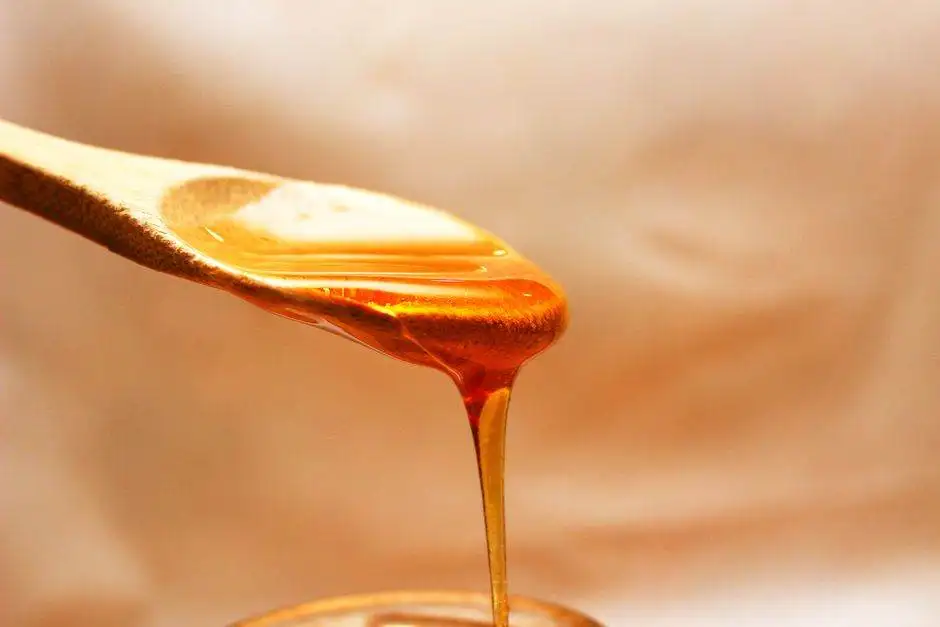
Honey will not prevent or stop your next cold. The lab reports that suggest otherwise collapse the moment the honey enters your mouth—dilution, enzymatic breakdown, and an impossible dosage requirement render any antiviral fantasy harmless. The real cold stoppers are zinc lozenges and nasal rinses, which reach the virus where it actually lives.
Can Honey Kill Cold Viruses in a Lab Setting?
Only under conditions that never happen in your body. A petri dish lets researchers smear undiluted honey directly onto cultured cells for hours; that shows antibacterial and occasional antiviral inhibition. But colds are caused by rhinoviruses—not bacteria—and the hydrogen peroxide and methylglyoxal in honey are not reliable against respiratory viruses anyway. More importantly, in a human, you cannot bathe your nasal lining in undiluted honey for hours. The lab result is irrelevant to infection prevention.
Why Doesn’t Honey’s Antibacterial Activity Work Against a Cold Inside the Body?
Three insurmountable barriers kill the effect: dilution, digestion, and distribution. Saliva and stomach fluids dilute the honey thousands of times. Enzymes like catalase and pepsin destroy the active compounds—hydrogen peroxide vanishes in seconds. What survives the gut gets processed by the liver, not delivered to your nose. Without the ability to concentrate at the respiratory epithelium, honey’s petri-dish talents are useless against a cold.
What Exactly Happens to Honey’s Active Compounds After You Swallow It?
In the mouth, salivary amylase starts dissecting sugars, and catalase immediately neutralizes hydrogen peroxide. Hydrochloric acid in the stomach denatures the proteins and peptides that carry antimicrobial activity, and pepsin digests them completely. Methylglyoxal, the prized component in manuka honey, resists acid but gets diluted in the gut and rapidly metabolized by the liver’s glyoxalase system. The outcome is absolute: the compounds that killed bacteria on a glass plate never reach your nose or throat in any meaningful amount. They are gone before they can matter.
How Much Honey Would You Need to Eat to Reach an Effective Concentration Against a Cold Virus?
You would have to consume roughly 50 to 100 grams of honey—two to three tablespoons—and somehow teleport it undiluted into your nasal secretions to match the minimal inhibitory concentrations seen in lab tests against bacteria. Because dilution and metabolism cut the effective dose by factors of 100 or more, the real oral requirement balloons to several hundred grams at once, a gut-wrenching and calorically absurd proposition. And this entire calculation ignores the crucial fact that cold viruses are not bacteria; honey’s antibacterial action does little against rhinoviruses even in theory.
Does Honey Have Any Proven Effect on Cold Symptoms?
Yes, but only as a throat coat—not an antiviral. Clinical trials confirm that honey soothes sore throats and calms coughs because its viscosity and osmotic effect quiet irritated tissue. This is palliation, not infection control. It will not shorten the illness, and conflating comfort with a cure is a category error. Use it for relief, not as a weapon.
Are There Any Studies Showing Honey Prevents or Shortens Colds?
None. No rigorous clinical trial has found that regularly eating honey shortens a cold or prevents one. The studies that exist target cough severity—not illness duration—and a major systematic review concluded honey improves cough but does not speed recovery from the underlying virus. The evidence simply does not exist for systemic antiviral protection from ingested honey.
What Actually Stops a Cold Virus from Taking Hold?
Zinc acetate or gluconate lozenges, started within 24 hours of first symptoms, have the strongest human evidence for cutting colds short. Zinc ions appear to block viral replication directly in throat tissue. Hand hygiene and face-touching avoidance reduce infection risk upstream. Nasal saline irrigation physically flushes viral particles from the nose. Every one of these works because it makes contact with the virus where the virus lives, something swallowed honey cannot do at any meaningful concentration.
So Is Taking Honey at the First Sign of a Cold Completely Useless?
If a scratchy throat or cough develops, honey can give real symptomatic relief—it coats the throat and may improve sleep, which indirectly aids immune function. But it will not stop the viral invasion or lower the viral load. The delivery problem is unsolvable through the gut. Think of honey as a comforting lozenge, nothing more.
Why Do So Many People Believe Honey Fights Colds?
The belief has roots in fact: honey packs genuine antimicrobial compounds—hydrogen peroxide, methylglyoxal, bee defensin-1, and acidity—that perform brilliantly on open wounds and in lab assays. Millennia of traditional wound and sore-throat use make the leap to systemic protection feel logical. Manuka honey marketing amplifies it. The error is ignoring the physiology: your stomach is not a wound, and swallowing does not target the nasal cavity. That gap keeps the myth alive.
What Actually Works: The Interventions That Deserve Your Money
Honey stays in the kitchen as a reliable throat soother. But when the goal is stopping or cutting short a cold, put your effort where the biology works—zinc lozenges, nasal rinses, and disciplined hygiene. Explore our guides on the science behind zinc’s antiviral action and the correct use of a neti pot. Knowing the difference between symptom management and actual antiviral defense is what separates a wasted winter from a smart one.