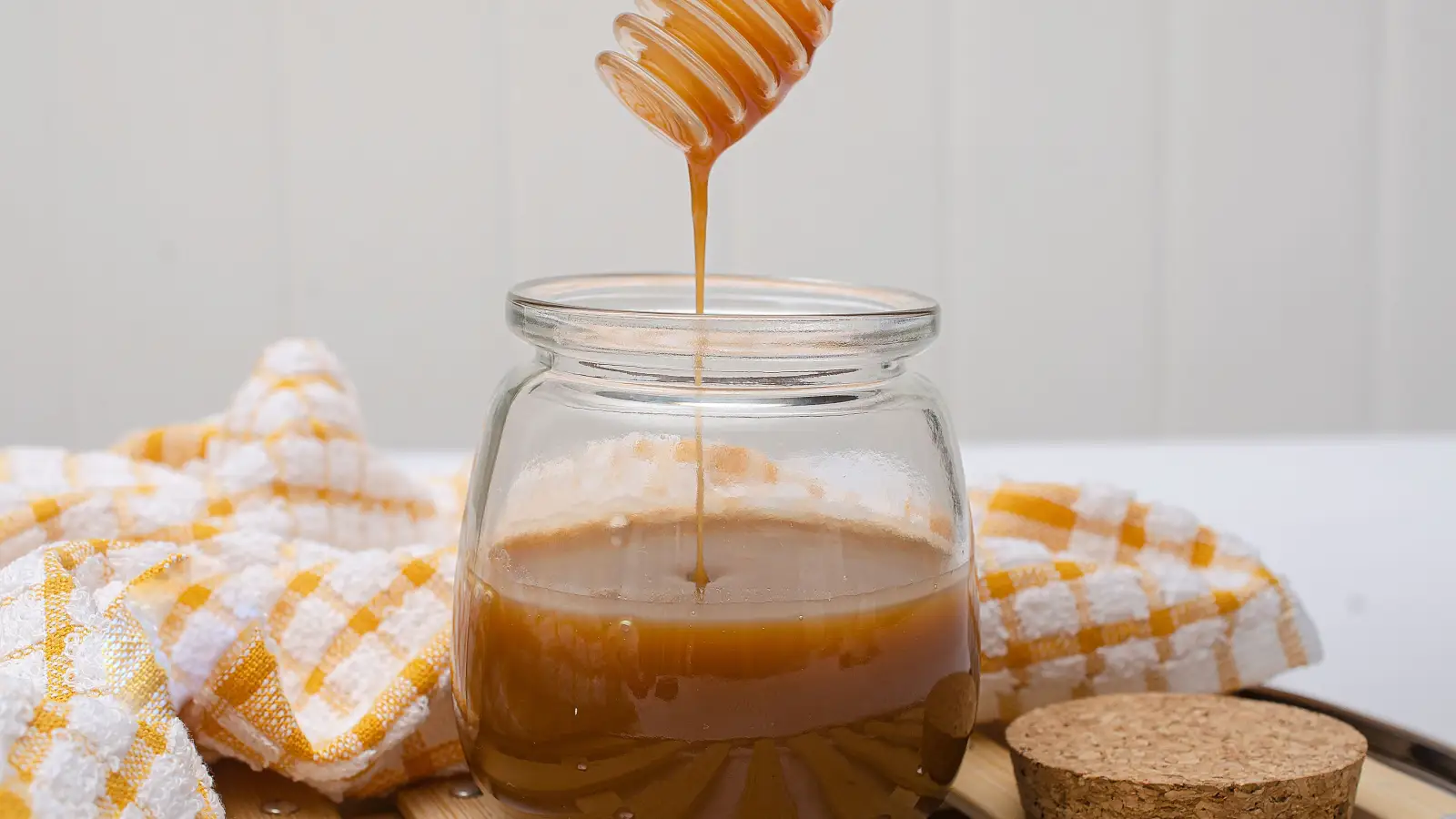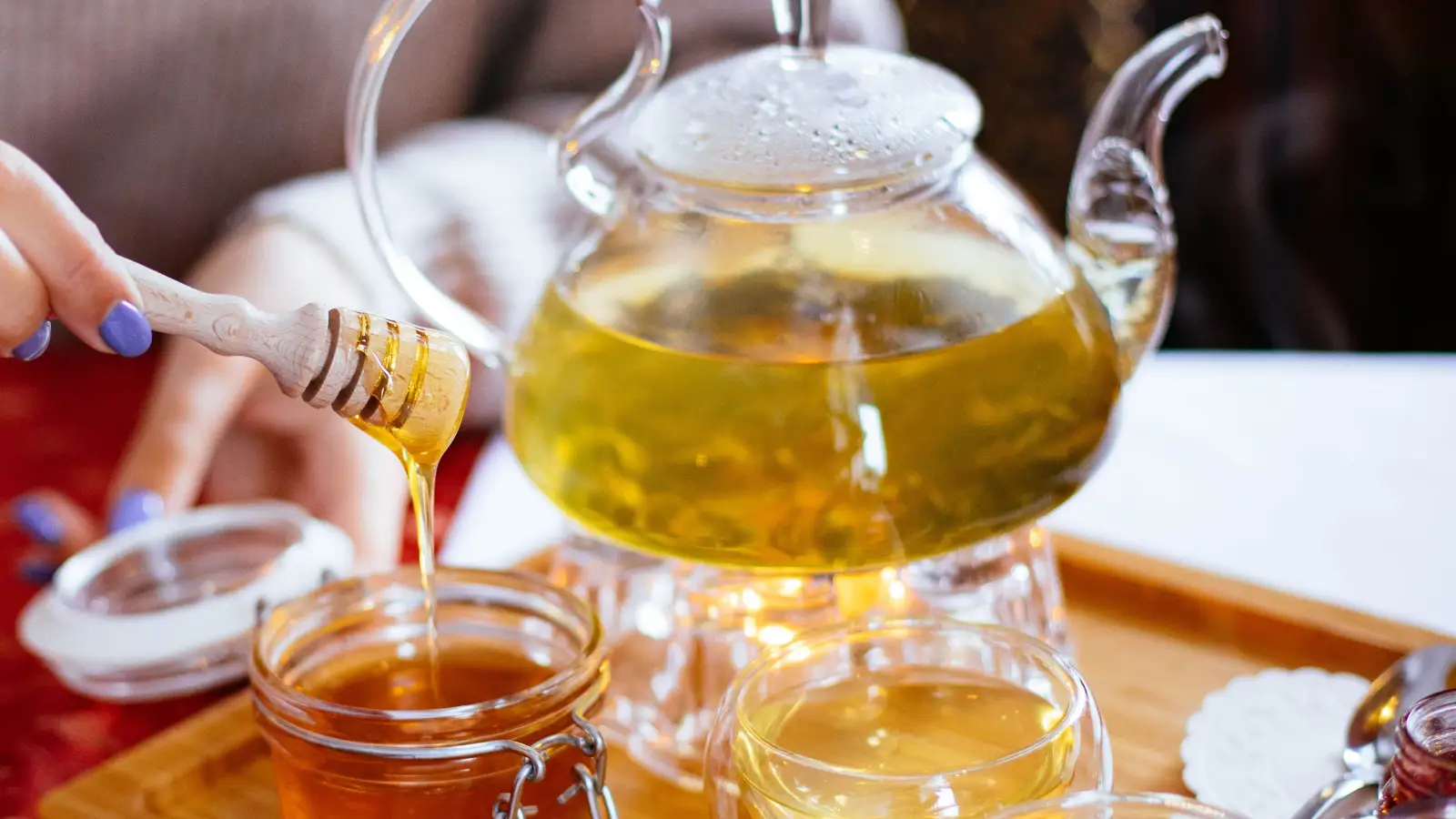
If you are reaching for honey as a remedy, apply five non-negotiable cut-offs before you unscrew the lid. Infants under 12 months: no. Diabetes: honey counts as sugar—no special exemption. Immunocompromised: raw honey is out. Raw honey is not sterile for anyone. Pollen allergies: test or skip. These are not vague cautions. They are hard thresholds that exist to stop preventable harm.
Three factors govern every decision: the person taking the honey, the processing it went through, and the use it’s being put to. Once those factors are clear, the rules fall into place—and the line between safe and unsafe is unmistakable.
The Three Factors Behind Every Honey Safety Decision
Honey is a biological product that leaves the hive carrying pollen, enzymes, and microbial spores, especially Clostridium botulinum spores. The risk depends on who you are. An infant’s gut cannot block those spores. A diabetic’s bloodstream cannot tell the difference between honey sugars and white sugar. A compromised immune system cannot keep dormant yeast and bacteria in check. This isn’t alarmism; it’s biology. The five rules that follow are direct applications of that biology.
Rule 1: Never Give Honey to an Infant Under 12 Months
Infant botulism is the line. Clostridium botulinum spores germinate in an immature gut and release a neurotoxin that causes muscle weakness, poor feeding, and respiratory distress. A baby who is 364 days old is still at risk. A baby who is 365 days old has generally crossed the safe threshold.
The rule is absolute. No honey of any kind—raw, pasteurized, manuka, organic, filtered—no matter how tiny the dose. Baked goods containing honey are also out, because spores survive the internal temperature of most baked foods. This is not a place for compromise.
Rule 2: If You Have Diabetes, Honey Is Still Sugar—No Exceptions
Honey delivers roughly 17 grams of carbohydrate per tablespoon, and its glycemic index sits close to that of white sugar. The body does not grant a metabolic free pass because the sugar comes from a bee. Well-controlled diabetes can accommodate honey only if it is counted as part of the daily carbohydrate allowance and the dose is exactly measured.
For anyone with brittle diabetes or frequent hyperglycemia, the smarter move is to skip honey entirely. No variety—manuka, raw, unfiltered—changes the sugar load enough to make it a benign addition. The hard cut-off: treat honey precisely as you would any other sweetener, or don’t use it.
Rule 3: Avoid Raw Honey if You’re Immunocompromised
Chemotherapy, high-dose corticosteroids, biologic drugs, organ transplant maintenance, and advanced HIV all depress the immune system’s ability to handle the live microbes raw honey routinely carries. Yeast spores, bacterial spores, and fungal fragments that a healthy body neutralizes can become an infection in a compromised body.
Pasteurized honey is heated to at least 145 °F to kill yeast and vegetative bacteria. It still is not sterile, but its microbial load is sharply reduced. The rule: if you are immunocompromised, raw honey is forbidden. Pasteurized honey may be used only after a doctor approves it. Someone with severe neutropenia should avoid honey altogether until counts recover.
Rule 4: Raw Honey Is Not Sterile, Even for Healthy Adults
Raw honey preserves enzymes and pollen, and it preserves whatever rode in on the bees. In a healthy adult, stomach acid and a mature gut prevent botulism spores from causing trouble. But honey remains a raw agricultural product. It should not be used on open wounds unless it’s a medical-grade honey meant for that purpose, and it should not be left diluted in warm liquid at room temperature, where spores can germinate.
Pregnant women are not at direct risk from honey’s spores, but the safest course during pregnancy is to choose pasteurized honey. That eliminates any uncertainty. For everyone else, treat raw honey like raw milk or unwashed produce: handle it with awareness, not fear.
Rule 5: Test for Allergic Cross-Reactivity When Pollen Allergies Are Present
Honey contains pollen grains from the plants bees visited. If you carry an epinephrine auto-injector for ragweed, birch, or grass pollen anaphylaxis, any honey is a gamble. The cut-off is non-negotiable: avoid all honey.
For a mild pollen allergy limited to sneezing and itchy eyes, a practical test works better than blanket avoidance. Rub a tiny dab of honey on the inner lip and wait 15 minutes. No tingling, no swelling—proceed. Any reaction means the honey is unsafe for you. Each new batch of honey must be tested separately; cross-reactivity varies with floral source.
How These Rules Play Out in a Real Home
Consider a household with a 7-month-old infant, a mother with type 2 diabetes, and a grandfather recovering from chemotherapy. A cough moves through the house. The mother reaches for honey.
The infant gets none—not a taste, not a drop on a pacifier. The mother measures one level teaspoon, checks her blood glucose, and deducts 17 grams of carbohydrate from her meal. The grandfather cannot use raw honey, so the family buys a jar of commercially pasteurized honey. They stir it into warm tea after the tea has cooled, and the grandfather drinks it without incident. The rules did not ban honey; they made it safe for each person in the house.
Common Ways People Misapply the Safety Rules
The “Natural Remedy” Fallacy That Endangers Infants
Parents often assume that natural means harmless. They dip a pacifier in honey or stir a drop into chamomile tea. The cost of that assumption can be a pediatric ICU stay. No amount of “natural” cancels a neurotoxin.
Treating Honey as a Diabetes-Friendly Sweetener
The marketing around raw, local, or manuka honey can suggest otherwise, but every honey drives up blood sugar. Diabetics who add honey to their routine without adjusting carbohydrate intake see an unexplained A1C rise. The only safe approach is to treat honey exactly like sugar and adjust the rest of the meal.
Ignoring Pollen Allergies in Honey Use
The idea that eating local honey cures pollen allergies has no reliable scientific backing. Someone with a strong ragweed allergy can develop throat swelling from a spoonful of wildflower honey. Honey is a potential trigger, not a remedy for allergy.
Quick Reference: The Safety Thresholds at a Glance
| Rule | Who It Applies To | Hard Cut-Off |
|---|---|---|
| 1. Infant botulism risk | Babies under 12 months | No honey in any form until the first birthday |
| 2. Blood sugar load | People with diabetes | Count honey as sugar; brittle diabetes → avoid entirely |
| 3. Infection risk in immunocompromised | Chemo patients, organ recipients, HIV+, high-dose steroids | Raw honey is prohibited; pasteurized only with doctor approval |
| 4. Raw honey not sterile | Everyone | Treat raw honey as raw food; consider pasteurized during pregnancy |
| 5. Pollen cross-reactivity | Severe or anaphylactic pollen allergy | Avoid all honey; mild allergy → lip test before use |
Frequently Asked Questions About Honey Safety
Can I give honey to a baby the day after their first birthday?
Yes. The gut microbiome is mature enough at 12 months to suppress botulism spores. Honey can be introduced like any other new food from that day forward.
Is manuka honey any safer for someone with diabetes?
No. Manuka honey has the same sugar content as any honey. Its antibacterial compound, methylglyoxal, does not alter glycemic impact. It still must be counted as sugar.
Does pasteurization destroy honey’s throat-soothing benefits?
It reduces a small amount of heat-sensitive enzymes and antioxidants, but the coating effect and osmotic action that calm a sore throat remain intact. For anyone in a safety-sensitive group, the microbial reduction is worth the trade-off.
What should I do if I eat honey and my mouth starts itching?
Stop immediately. Rinse your mouth with water. If the reaction is mild itching, an antihistamine may be enough. Throat tightness, difficulty swallowing, or shortness of breath requires an epinephrine auto-injector if available and emergency services. Do not wait to see if it passes.
Start With the Rule That Matches Your Situation Today
The five rules are a safety checklist: age, metabolic state, immune status, raw-product risk tolerance, and allergy history. Identify the highest-risk factor in your household and enforce that cut-off first. A family with an infant leads with Rule 1. A diabetic leads with Rule 2. Choose one rule today and let it be the first filter every time honey enters the kitchen as a remedy.