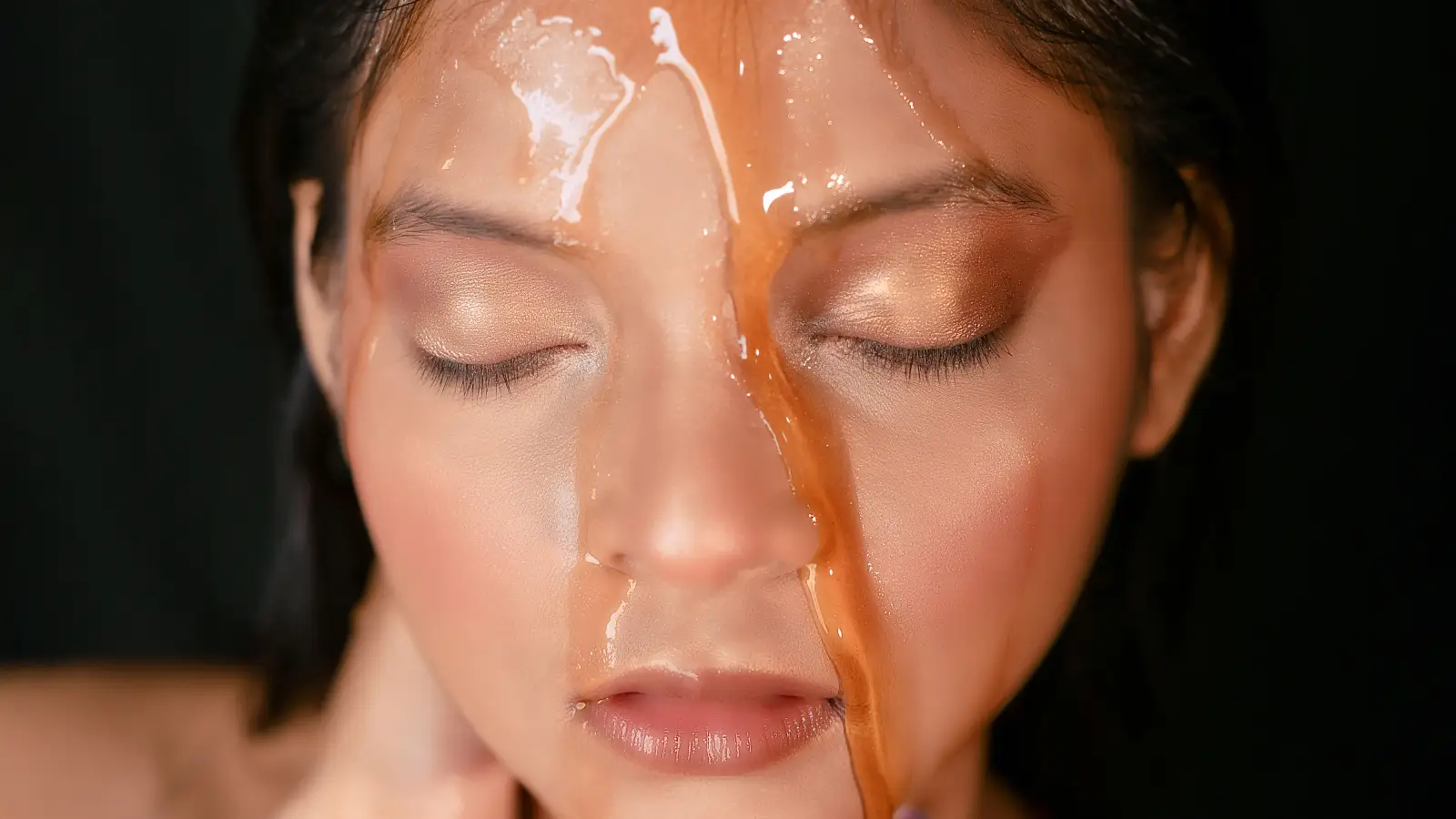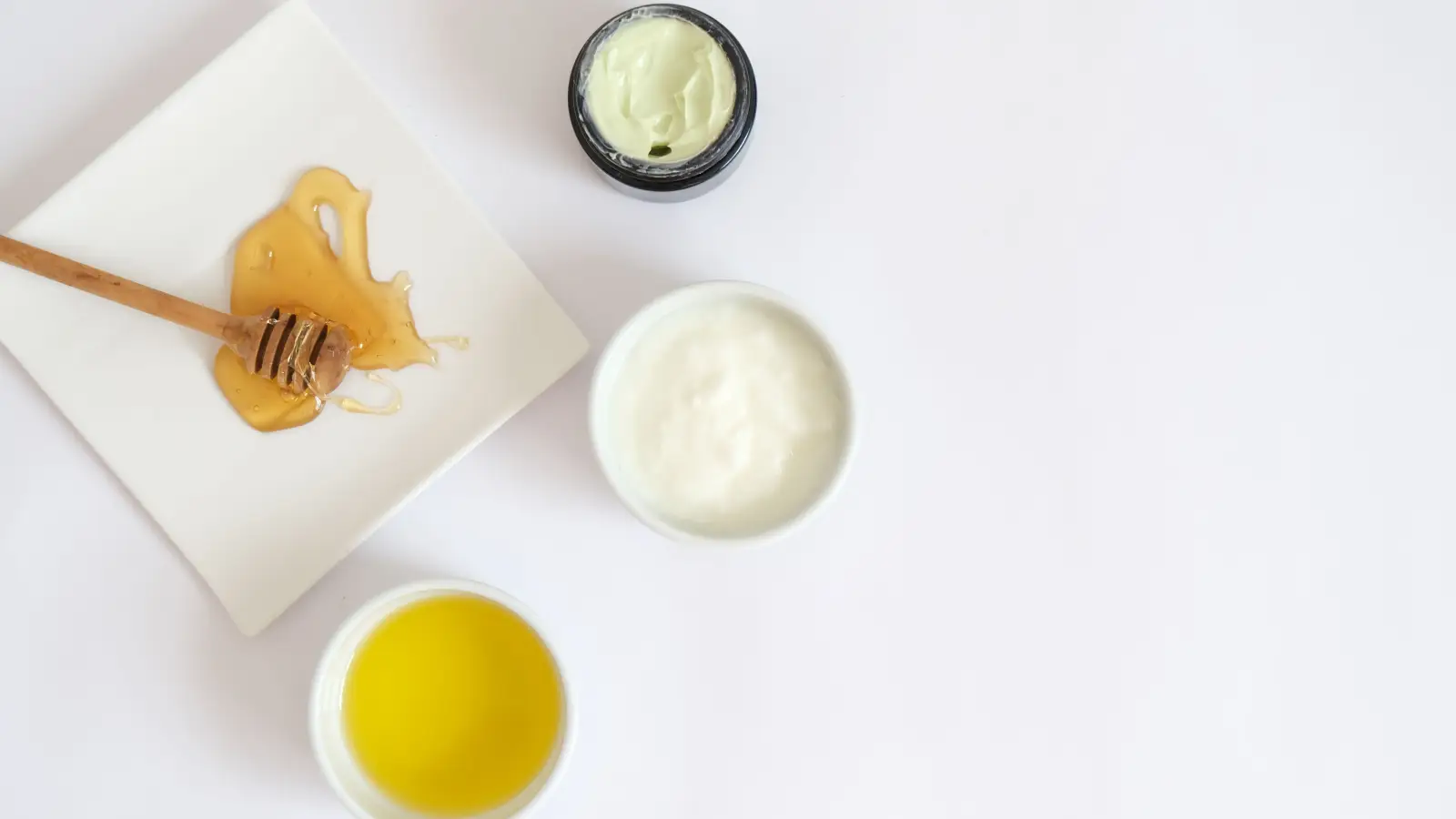
A lot of honey‑skincare advice sounds convincing because it borrows a little real biochemistry and then inflates it wildly. Hydrogen peroxide can bleach — therefore honey lightens. AHAs exfoliate — therefore honey does. The real story is more interesting: each of these myths has a traceable origin, and most of them fall apart once you move from a petri dish to a living face. The five myths below get unpacked not just with a “false” label but with the chain of reasoning that made them stick, so you can spot similar leaps next time.
Does honey actually lighten your skin?
No. The hydrogen peroxide honey generates tops out at such tiny, fleeting concentrations on skin that it never gets close to interfering with melanin production. The myth’s origin is a two‑part misunderstanding: old home‑beauty books often called for honey‑and‑lemon masks, with the lemon doing the actual (harsh, patchy) lightening, and later lab studies showed hydrogen peroxide bleaching — in a test tube, at controlled levels, without a living epidermis in the way. Combine those two, and a whole generation of natural‑beauty enthusiasts convinced itself honey was a gentle brightener. It isn’t.
Can honey cure acne?
It cannot cure acne. In the petri dish, honey’s hydrogen peroxide, low pH, and varietal‑specific compounds like methylglyoxal beat back bacteria nicely — and that’s where the headlines stopped. What got lost is that a honey mask on a human face is a thin, intermittent film diluted by sebum, sweat, and the hundreds of other substances in the skin’s ecosystem. At best, it may calm mild redness; at worst, it does nothing that a simple gentle cleanser wouldn’t. Expecting honey to clear a breakout the way benzoyl peroxide or a retinoid does is like expecting a damp cloth to scrub a burnt pan — technically it’s doing something, but not much.
Is raw honey better for your face than processed honey?
Raw honey often comes with baggage that processed honey leaves behind — pollen, bee‑derived proteins, and, in rare cases, clostridial spores that don’t matter in the gut but aren’t welcome on a scratched or inflamed skin barrier. The enzymatic activity so prized in raw‑food circles (glucose oxidase, amylase) denatures rapidly once honey hits skin anyway, so the supposed benefit is gone before it can act. What remains is a product that’s more likely to trigger a contact reaction without offering any measurable skincare upside. This myth is a direct transplant from the raw‑food movement, not from dermatological evidence.
Does honey work as a natural exfoliant?
No, it doesn’t. Honey contains gluconic acid, a mild AHA, but the amount is a rounding error compared to the 5–10% concentrations found in a real exfoliant. The notion likely took off when ingredient‑list enthusiasts spotted “acid” in a honey breakdown and assumed chemical exfoliation, ignoring the dose‑makes‑the‑poison principle. You would get more mechanical exfoliation from the act of rinsing the mask off with a wet cloth than from any acid action the honey supplies. Treating honey as an exfoliant is a chemistry‑chart fantasy, not a functional skincare move.
Will honey clog your pores?
Pure honey isn’t comedogenic. Its sugar matrix is osmotically active — it draws water outward — so it’s more likely to have a slightly dehydrating effect than a pore‑plugging one. The clogging fear comes from a texture assumption: thick, sticky syrup must trap debris. Left on too long, honey can act as an occlusive barrier over creams or dirt, but that’s a layering problem, not a property of the honey itself. If clean skin is the starting point, honey isn’t the culprit behind a breakout.
Does putting honey on your face help fade scars?
Honey shows genuine promise in wound care — it keeps healing tissue moist and mildly protected — but that’s a world apart from making a mature scar disappear. Scars are remodeled collagen, and no topical honey will reorganize them. The myth probably took root because medical honey dressings for fresh wounds got simplified by wellness media into “heals scars,” ignoring that a scar has already finished the healing it’s ever going to do. For broken skin, honey can help keep infection at bay; for an old mark, it’s just a sticky moisturizer.
Is Manuka honey more effective for skincare than regular honey?
Manuka earns its reputation through a genuinely higher concentration of methylglyoxal, giving it antimicrobial punch that standard honey lacks — and that can nudge it ahead for acne‑prone skin under the right conditions. But the difference shrinks fast when you’re talking about a simple hydrating mask or soothing dry skin; there, any good‑quality, unheated honey does the job. The “Manuka is always superior” line is marketing built on a real chemical measurement that matters most in a wound‑care clinical trial, not in a 15‑minute kitchen‑cabinet mask.
Can you leave honey on your face overnight safely?
It won’t harm most skin, but it’s a poor trade. Honey pulls moisture toward the surface, yet in prolonged contact with open air it can reverse direction and draw moisture out, leaving skin tight or stinging. Add to that the dust, lint, and hair it attracts on a pillowcase, and you’ve turned a simple mask into an overnight irritant. Fifteen to thirty minutes delivers the hydrating and mild antibacterial benefits without these drawbacks. The overnight trend seems born from the same impulse that makes people leave conditioner in too long — more time must mean more effect, but with honey, the physics disagrees.
Where to look next after the honey claims settle
The same evidence‑tracing approach used here applies to a whole shelf of natural‑ingredient promises — our evaluating home remedies guide shows how to run the claim‑vs‑reality check yourself. For those curious about what actually differs from one honey jar to the next, the article on raw honey sourcing explains how floral origin and processing choices change what you’re spreading, so you can stop guessing and start reading labels with purpose.