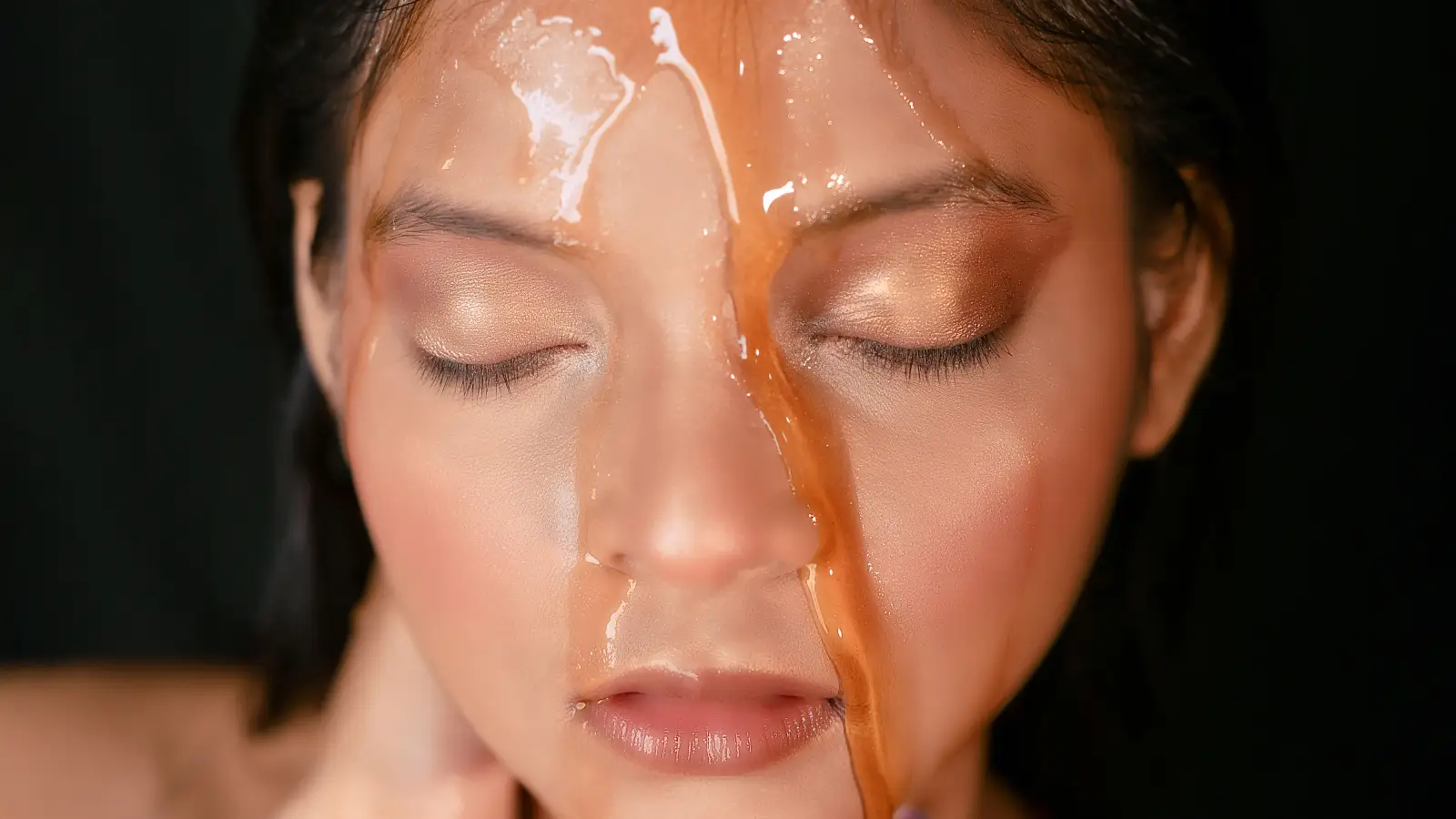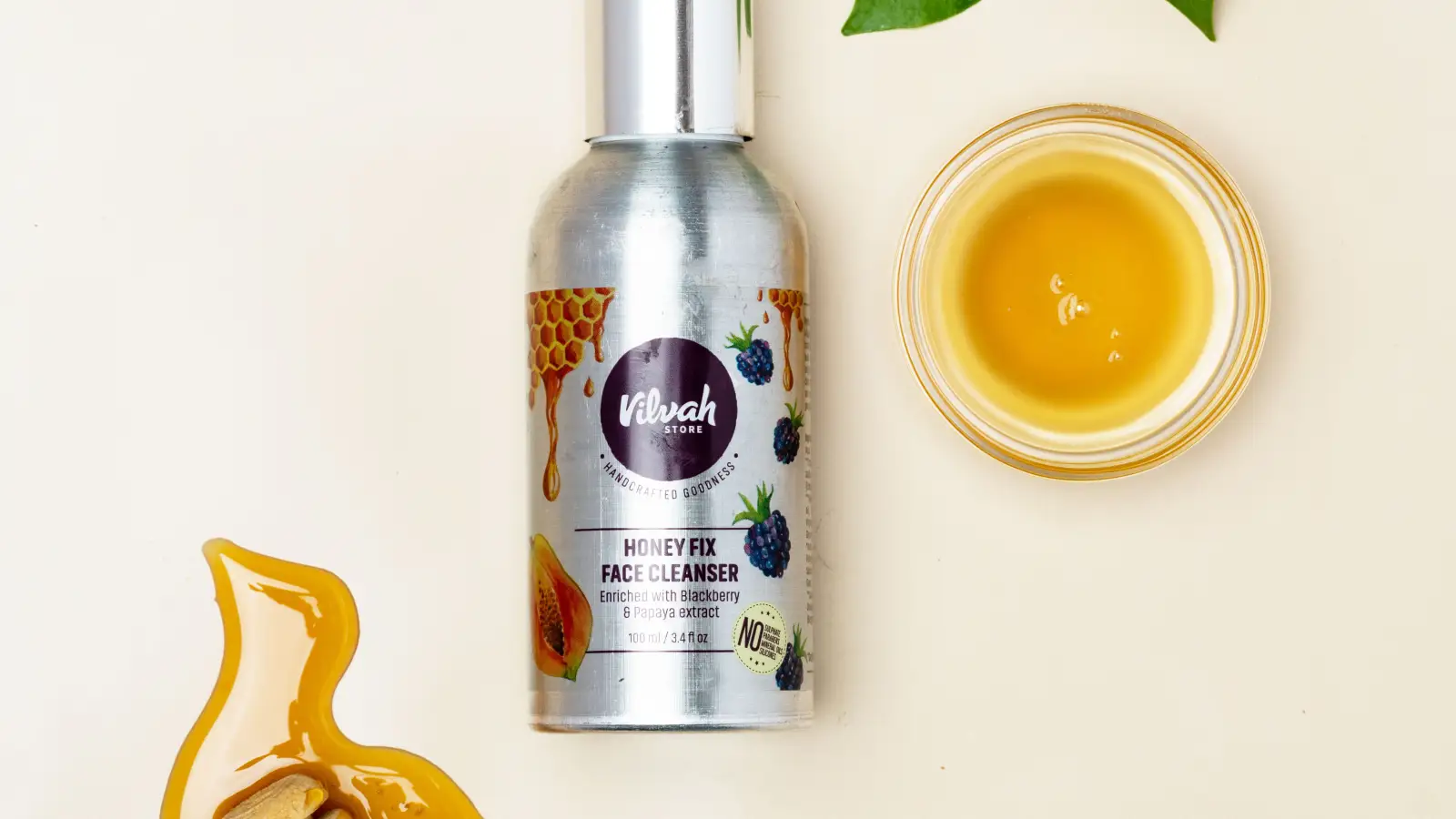
Honey pulls moisture into the skin and quiets irritation, but that single benefit won’t do much if the mask isn’t matched to what your skin actually needs. The five honey face mask recipes here are built as target‑solution pairs: one for dry, flaky patches; one for excess shine; one for reactive, easily flushed skin; one for dullness that lingers no matter how much you sleep; and one for clogged, breakout‑prone areas. Every recipe includes a short explanation of why the added ingredients work together—the aim is to teach you ingredients while you make a mask, so you walk away with something that works and an instinct for what to reach for next time.
Quick Picks — Top Recommendations by Skin Concern
- Best Overall: Honey, Yogurt, and Chamomile Mask for Sensitive Skin — comforting and safe for almost any skin type.
- Best for Oily Skin: Honey, Bentonite Clay, and Apple Cider Vinegar Mask — clears congestion without leaving skin feeling stripped.
- Best for Dull Skin: Honey, Lemon, and Turmeric Mask — a gentle brightener that smoothes surface texture.
- Best Budget: Honey, Avocado, and Oatmeal Mask for Dry Skin — nourishing with ingredients you likely already keep at home.
Masks That Soothe and Replenish
For skin that feels tight, flaky, or easily irritated.
Honey, Avocado, and Oatmeal Mask for Dry Skin
What it is: A creamy, deeply hydrating mask made from raw honey, mashed ripe avocado, and finely ground oatmeal.
Standout strength: Avocado delivers fatty acids and vitamin E that mimic the skin’s own lipid barrier, while oatmeal forms a protective film that locks water in. Honey draws ambient moisture into the top layers, so the combination works as a three‑step hydration treatment: soften, seal, and draw.
Main limitation: Avocado oxidizes quickly, so this mask can’t be saved for later; mix and use it right away.
Honey, Yogurt, and Chamomile Mask for Sensitive Skin
What it is: A cooling, low‑irritation mask that blends raw honey, plain full‑fat yogurt, and strong‑brewed chamomile tea.
Standout strength: Yogurt contributes lactic acid in a concentration mild enough for reactive skin—gently loosening dead cells without stirring up redness. Chamomile contains bisabolol, a compound known to reduce inflammation, and honey’s enzymes add a soft resurfacing effect. The mask feels calm on contact, which matters when skin is already on edge.
Main limitation: Even mild lactic acid can make fragile skin feel tight if the mask sits past 15 minutes—set a timer and rinse thoroughly.
Masks That Clarify and Balance Oil
For shine‑prone or congested complexions that need decongestion without dehydration.
Honey, Bentonite Clay, and Apple Cider Vinegar Mask for Oily Skin
What it is: A spreadable paste of raw honey, calcium bentonite clay, and diluted raw apple cider vinegar.
Standout strength: Bentonite clay carries a negative charge that attracts positively charged sebum, debris, and impurities, drawing them out while the acetic acid in the vinegar clarifies pores and helps reset pH. Honey sets a humectant cushion underneath so the clay does its job without leaving skin tight or uncomfortable.
Main limitation: Overuse can tip combination skin into dryness; once a week is a reliable rhythm—more often tends to overcorrect.
Honey, Neem Powder, and Rose Water Mask for Breakout‑Prone Skin
What it is: An antibacterial, softly astringent mask combining raw honey, fine neem leaf powder, and just enough rose water to form a smooth paste.
Standout strength: Neem powder supplies nimbidin and quercetin—compounds with recognized antibacterial and anti‑inflammatory actions—directly targeting the bacteria and swelling behind breakouts. Rose water tones without alcohol, and honey adds a breathable humectant seal that won’t interfere with neem’s work.
Main limitation: Neem has a strong, earthy scent that not everyone enjoys, and its natural green pigment can leave a faint tint on very fair skin; a gentle facial cleanser usually removes it.
Mask That Awakens Dull Skin
For skin that looks tired, uneven, or has lost its natural radiance.
Honey, Lemon, and Turmeric Mask for Dullness
What it is: A brightening treatment that stirs raw honey with fresh lemon juice and a pinch of turmeric powder.
Standout strength: Lemon juice brings citric acid, a gentle alpha‑hydroxy acid that loosens dead surface cells, while turmeric’s curcumin offers antioxidant support and visibly lifts sallow tones. Honey buffers the acidity so the mask brightens without over‑exfoliating in sensitive spots.
Main limitation: Lemon juice can make skin more sensitive to sunlight for up to a day; use this mask in the evening or be strict about applying broad‑spectrum sunscreen the next morning. Turmeric can stain light‑colored towels and nail beds, so a dark washcloth and careful application go a long way.
Choosing Within a Group
- In the Soothe and Replenish group: choose the avocado‑oatmeal mask when tight, flaking dryness is the louder complaint—its fats and film‑forming oatmeal fill in cracks in the moisture barrier. Choose the yogurt‑chamomile mask when redness and reactivity trouble you more, because the lactic acid load is low and chamomile actively cools flushed skin.
- In the Clarify and Balance group: reach for the bentonite clay mask when shine and visible congestion are the main annoyance; it clears pores more aggressively. Opt for the neem‑rose mask when the issue is active bumps or inflamed spots, since neem goes after the bacteria while clay concentrates on debris and oil.
Quick Comparison Table
| Mask | Primary Skin Target | Key Active Ingredients | Suggested Leave‑On Time | Standout Benefit | Main Limitation |
|---|---|---|---|---|---|
| Honey, Avocado, and Oatmeal | Dry, flaky skin | Avocado fatty acids + colloidal oatmeal | 15–20 min | Restores lipid barrier while deeply hydrating | Cannot be stored; mix fresh each time |
| Honey, Yogurt, and Chamomile | Sensitive, reactive skin | Yogurt lactic acid + chamomile bisabolol | 10–15 min | Calms redness while providing the lightest exfoliation | Over‑extending time may cause tightness |
| Honey, Bentonite Clay, ACV | Oily, shiny skin | Bentonite clay + acetic acid | 10–15 min (do not let clay fully dry) | Draws out impurities without dehydrating | Overuse leads to dryness on combo skin |
| Honey, Neem, and Rose Water | Breakout‑prone, congested skin | Neem antibacterial compounds + rose water | 15 min | Fights acne bacteria and soothes inflammation | Scent and temporary tint on fair skin |
| Honey, Lemon, and Turmeric | Dull, uneven skin | Citric acid + curcumin | 8–10 min | Brightens and smooths texture with gentle acids | Photosensitivity risk; possible staining |
Frequently Asked Questions
Can I leave a honey face mask on overnight?
Leaving honey on overnight risks transferring stickiness to pillows and attracting dust. The added ingredients in these masks—especially acids or clays—make overnight use unsafe. Ten to twenty minutes gives the intended effect, and rinsing gently afterward is the safer path.
Does honey clog pores?
Honey is generally non‑comedogenic. Its natural sugars produce a mild osmotic effect that can even help keep pores clear. That said, any residue left behind might trap surface debris, so a warm water rinse afterwards matters.
Which type of honey works best for face masks?
Raw, unheated honey still contains active enzymes and pollen compounds tied to antibacterial and gentle exfoliating effects. Manuka honey has extra research behind it for its methylglyoxal level, but a local raw honey is an excellent, often more accessible stand‑in. Avoid anything labeled “honey blend” that may include added syrups—pure, single‑origin honey gives the most dependable results.
Are there any risks with using cinnamon or other warming spices in honey masks?
Cinnamon and similar spices can trigger irritation, redness, or even chemical burns on sensitive skin. The masks in this guide purposefully skip them, sticking with ingredients that have a longer history of gentle, effective use. If you ever test something spicy, always do a patch test behind the ear first.
A Starting Mask for the Most Common Reader
If you are new to DIY honey skincare and want one mask with the widest safety net, the Honey, Yogurt, and Chamomile Mask is the pick. It hydrates, lightly exfoliates, and soothes—covering the three issues people mention most—and relies on ingredients that are simple to find and hard to overdo.