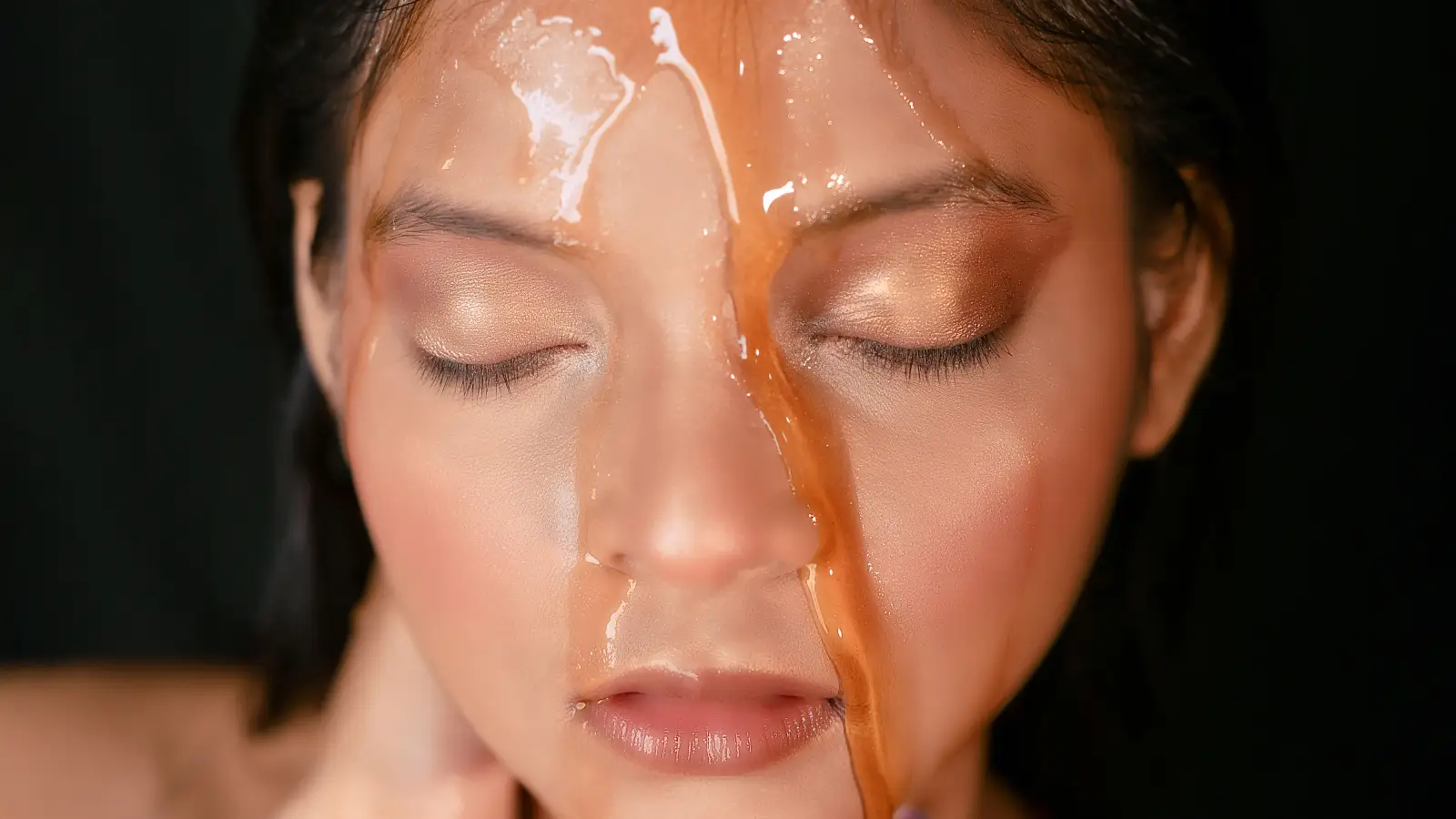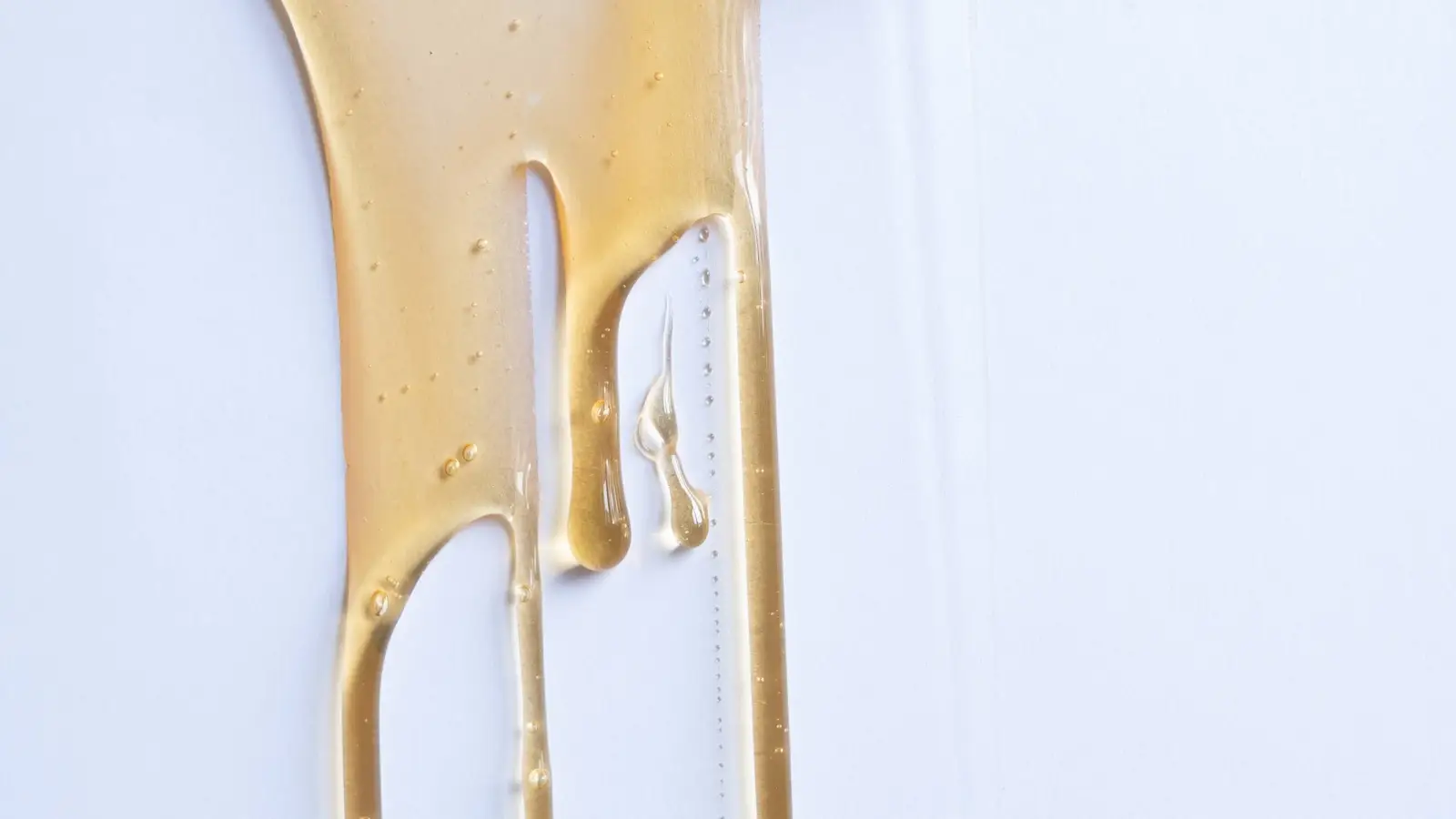
If you're putting honey on your skin to fight acne, hydrate, or calm irritation, stop looking for 'pure' on the label. That word only tells you the jar contains nothing added—it says nothing about whether the honey still holds the enzymes and pollen that actually work on skin. For every skincare use, the standard isn't pure. It's raw, unfiltered, and ideally monofloral so you can match the source to your goal. This article turns label reading into a fast selection system.
The Short Answer: Raw, Unfiltered Honey Is the Non-Negotiable Baseline
Raw, unfiltered honey wins every time for skincare. It keeps the enzyme glucose oxidase, which produces hydrogen peroxide on your skin—a proven antibacterial. It also keeps pollen, which adds mild exfoliation and moisture. Pure honey, unless also raw and unfiltered, has been heated and filtered to death. If you only have pure honey, eat it. For your face, never settle.
Pure vs. Raw Unfiltered Honey: What Changes for Your Skin
| Criterion | "Pure" Honey (Typical) | Raw, Unfiltered Honey |
|---|---|---|
| Enzyme Activity | Low to none (heat destroys glucose oxidase) | High; hydrogen peroxide production active |
| Pollen Content | Filtered out | Present; adds moisture-attracting granules and trace nutrients |
| Antibacterial Action | Mostly osmotic (sugar draws water) | Osmotic plus enzymatic and phytochemical |
| Skin Soothing | May still hydrate, less antibacterial | Better for acne, inflammation due to active compounds |
| Price | Often cheaper | Typically higher |
| Label Clarity | Can be pasteurized; term "pure" doesn't guarantee raw | Must be labeled "raw" (though standards vary) |
Pure Honey on a Label: What the Jar Won't Tell You
U.S. regulators require 'pure' honey to contain no added sweeteners, but they don't limit how high you heat it or how finely you filter it. Commercial honey is routinely pasteurized above 160°F and run through micro-filters that strip out pollen. The result is a clear, shelf-stable syrup that has no glucose oxidase enzyme activity left. On skin, it can still draw moisture by osmosis, but it won't produce antibacterial hydrogen peroxide. For acne or bacterial issues, that's a critical loss. Filtration also removes pollen, which provides texture and humectant properties. A jar labeled only 'pure' is, for skincare, essentially a sugary liquid—better than nothing for basic hydration, but the worst choice among honey options.
Raw, Unfiltered Honey: The Only Kind That Makes a Difference
Raw honey never exceeds hive temperature—roughly 95°F—so glucose oxidase stays intact. When applied, the enzyme reacts with wound exudate and dead skin cells, creating a sustained release of hydrogen peroxide. That's the mechanism behind medical-grade honey dressings. Unfiltered means pollen, propolis bits, and wax fragments remain; they add gentle physical exfoliation and amino acids. Go one step further: pick a single-flower honey, and you add targeted benefits. Manuka's methylglyoxal amplifies antibacterial action. Lavender honey suits sensitive, reactive skin. The rule: raw and unfiltered are the foundation; monofloral is the precision tool.
3 Deciding Factors for Skincare Honey
- Enzymatic Activity: Raw honey has it. Pure honey doesn't. That ends the argument for acne and wound care.
- Pollen: Raw honey contains whole pollen grains. They offer mild exfoliation and moisture. Pure honey has none—just sticky sweetness.
- Source Traceability: Only raw unfiltered honey preserves enough pollen to verify its floral source. Without it, you're guessing at the effect. Pure honey is often a blend of unknown origins, so you can't target a skin need.
Your Skin Concern, Your Honey Type: A Direct Guide
- Acne or bacterial breakouts: Raw unfiltered Manuka with a UMF/MGO rating, or raw buckwheat. Check for "raw" and the specific source.
- Dry, flaky skin: Any raw unfiltered light honey—orange blossom, clover. Spreads well and hydrates.
- Sensitive, redness-prone skin: Raw unfiltered lavender or acacia honey. Mild, calming.
- Tight budget, general use: Raw unfiltered wildflower honey from a reliable local supplier. Cheap enough for regular masks. Avoid anything labeled only "pure."
What Raw, Unfiltered Honey Costs—and Where the Money Goes
Generic raw honey costs $6–$10 per pound. Manuka can hit $50 for 250g. The price jump comes from limited production and verified ratings. For daily skincare, a mid-range raw honey works; keep Manuka as a spot treatment for breakouts.
FAQ
Is raw honey safe on skin?
Yes, unless you have a bee product allergy. A patch test can rule out rare reactions.
Does 'pure' honey still moisturize?
It will draw moisture like any sugar humectant, but it lacks the longer‑term skin benefits of raw honey. It's a subpar substitute.
How can I confirm honey is truly raw and unfiltered?
Check the label for both words. Expect natural crystallization over time—raw honey granulates. Buy from beekeepers who can talk about their extraction temperature.
Final Verdict: The Checklist That Replaces the 'Pure' Myth
Pure honey fails skin. Raw, unfiltered, and source‑specific honey succeeds. Use this three‑step filter every time you shop: raw, then unfiltered, then floral match. That's the system. With it, honey moves from a kitchen afterthought to a functional skincare ingredient.