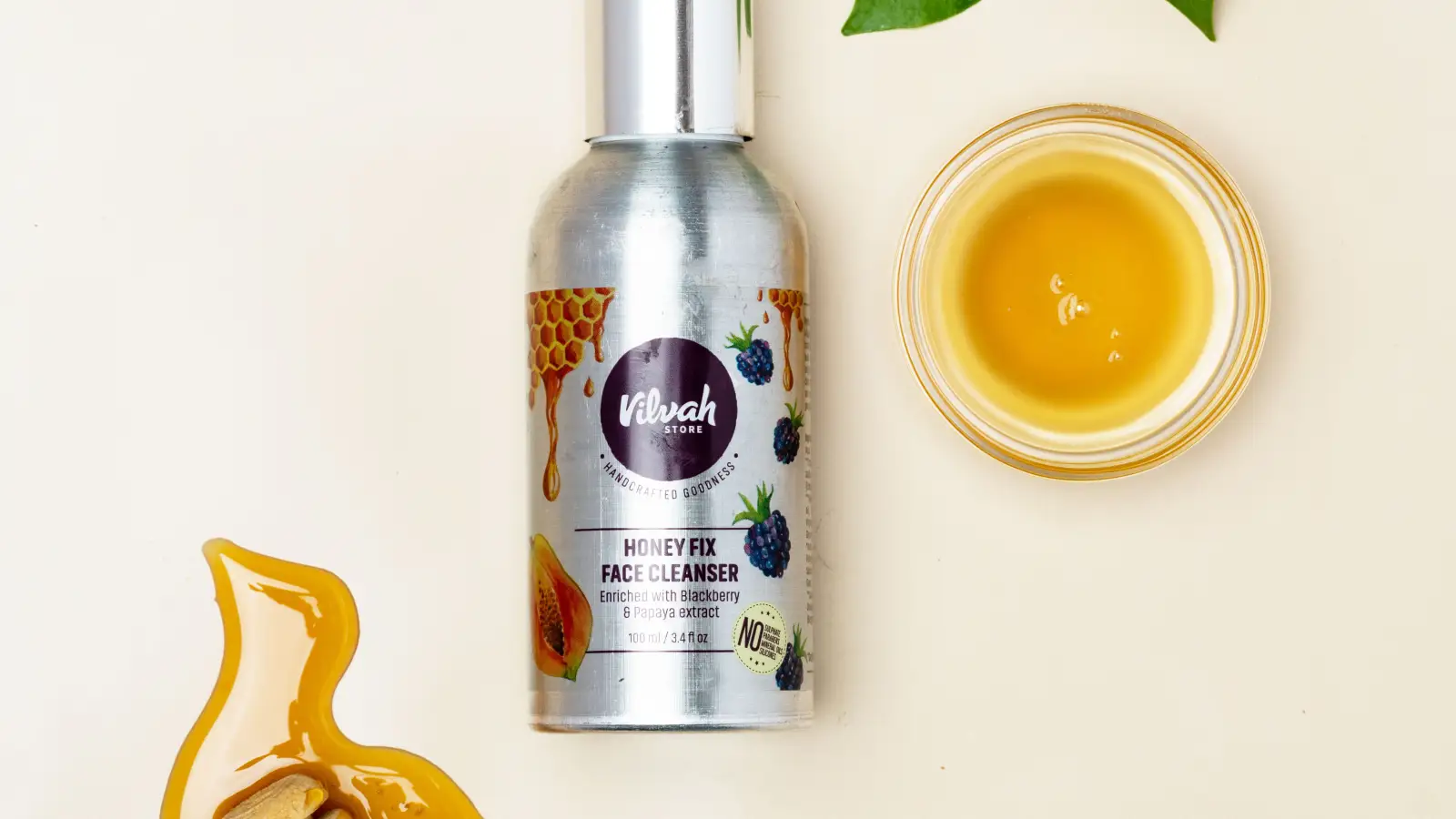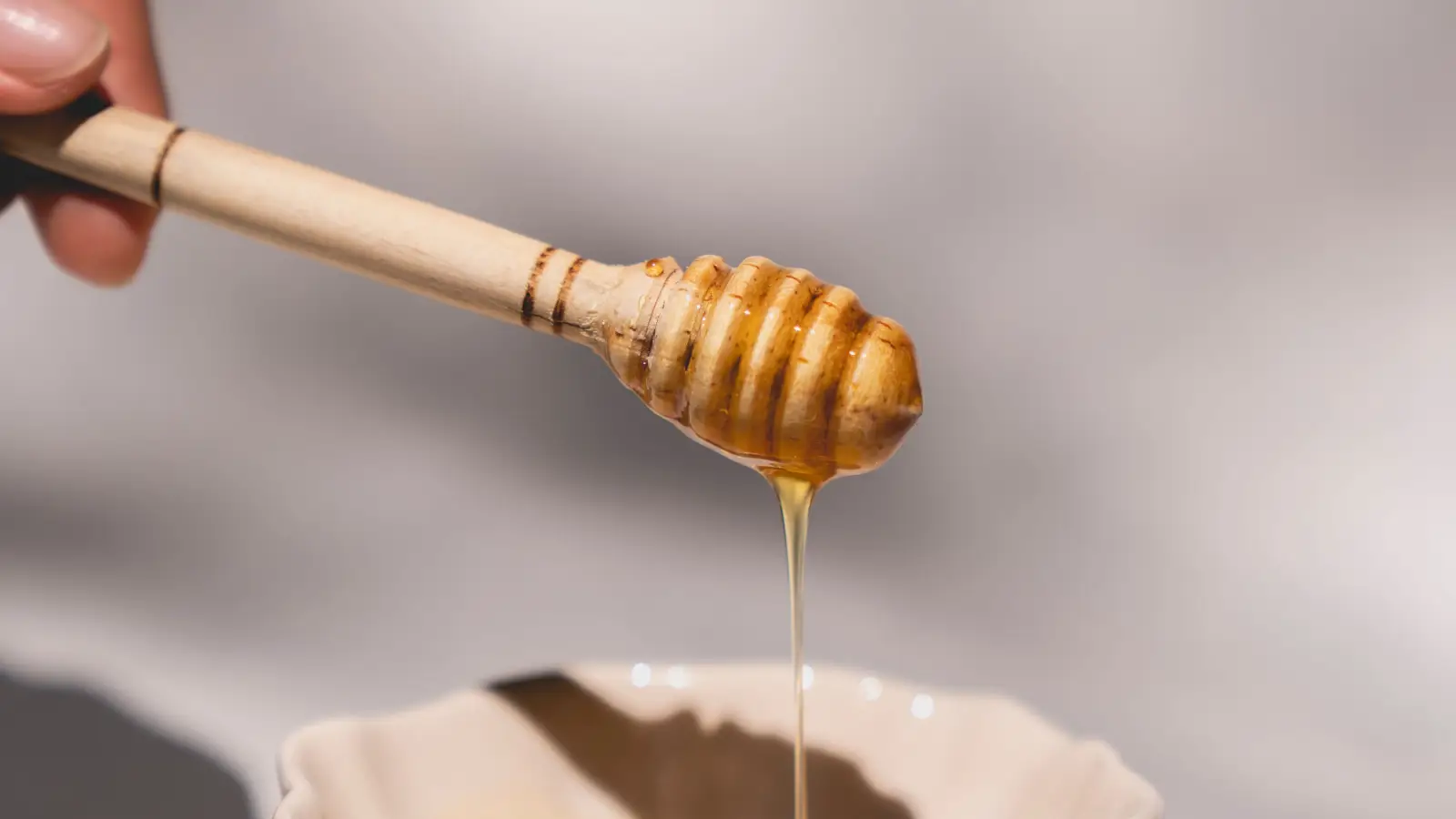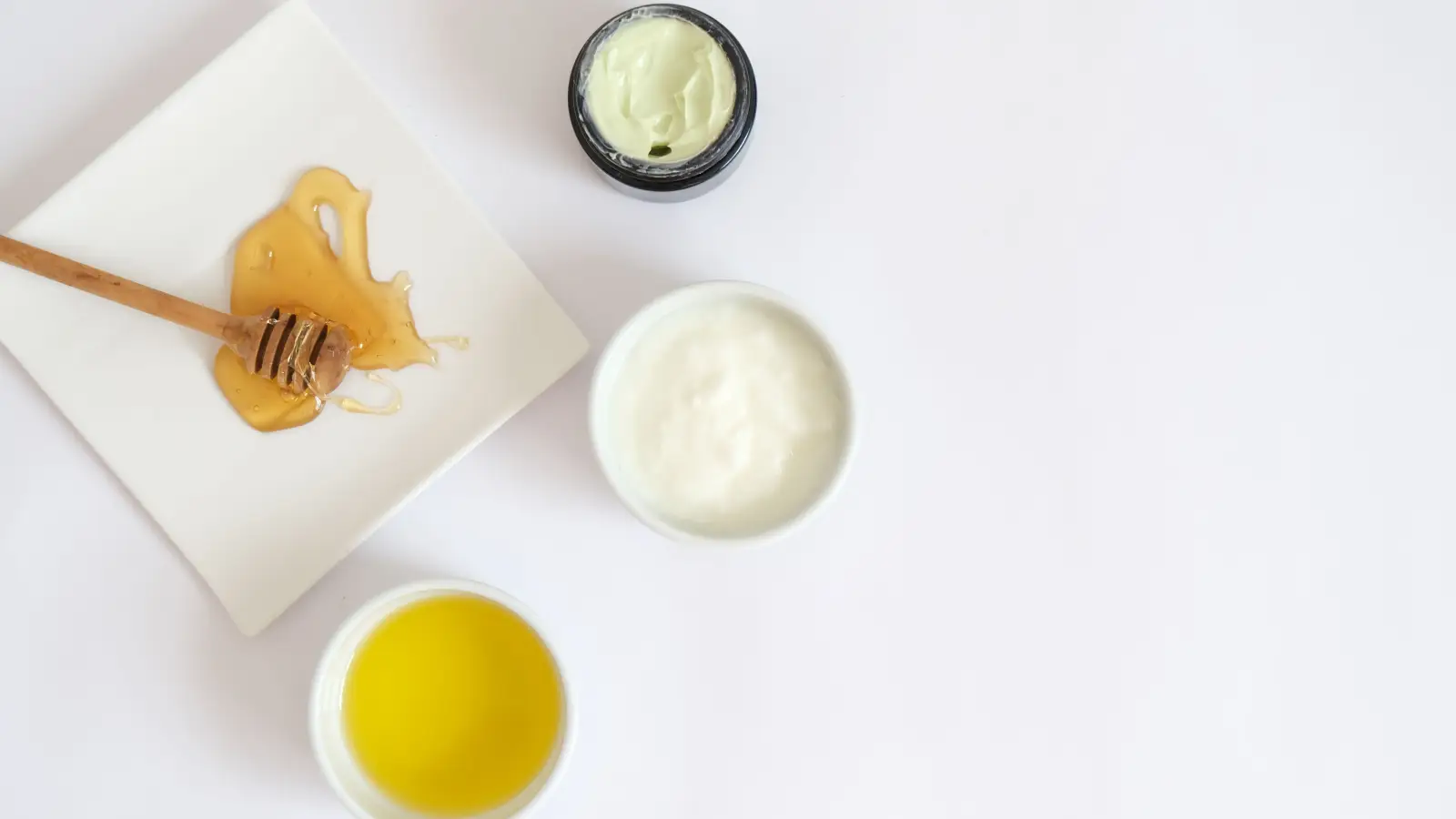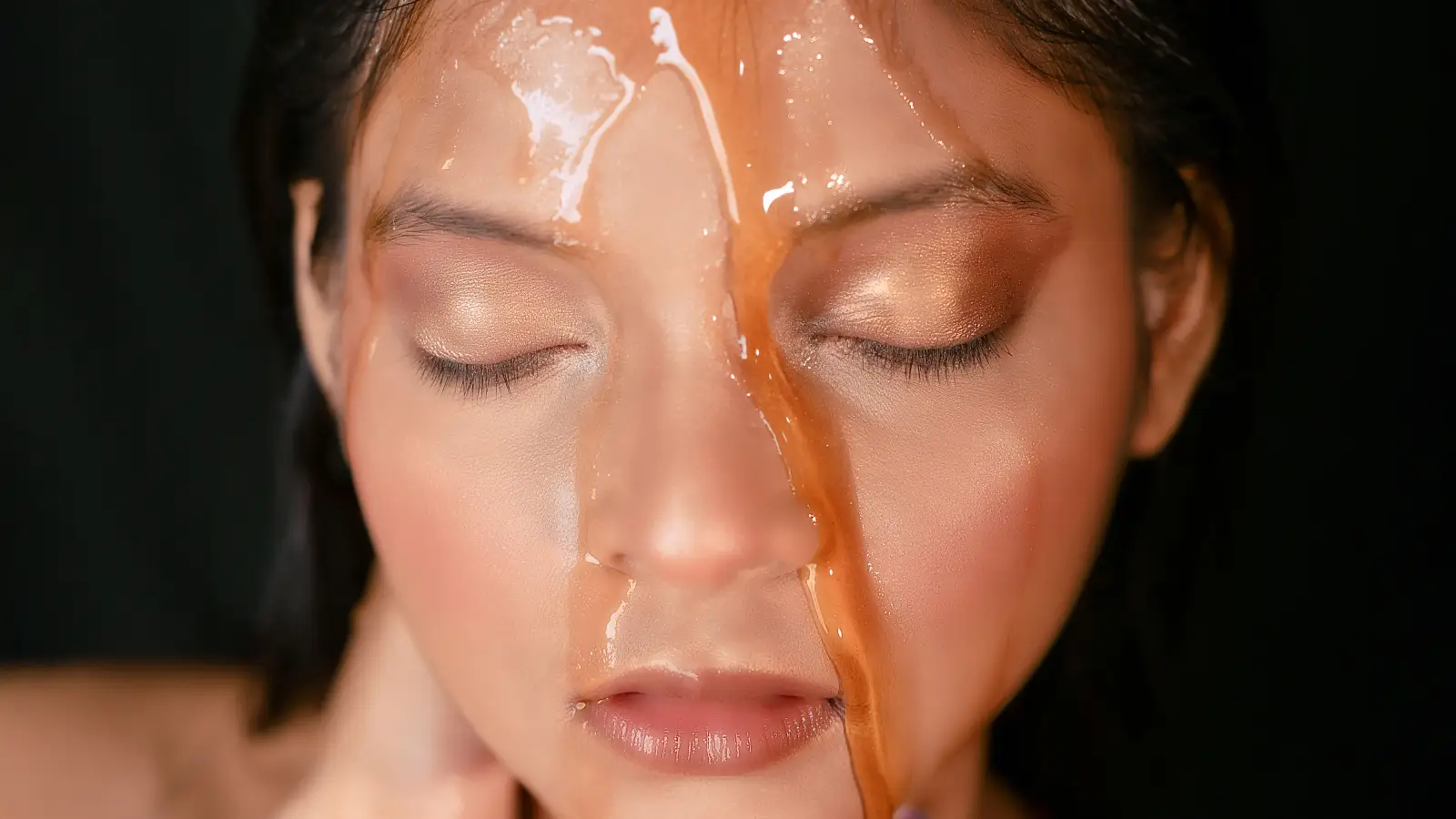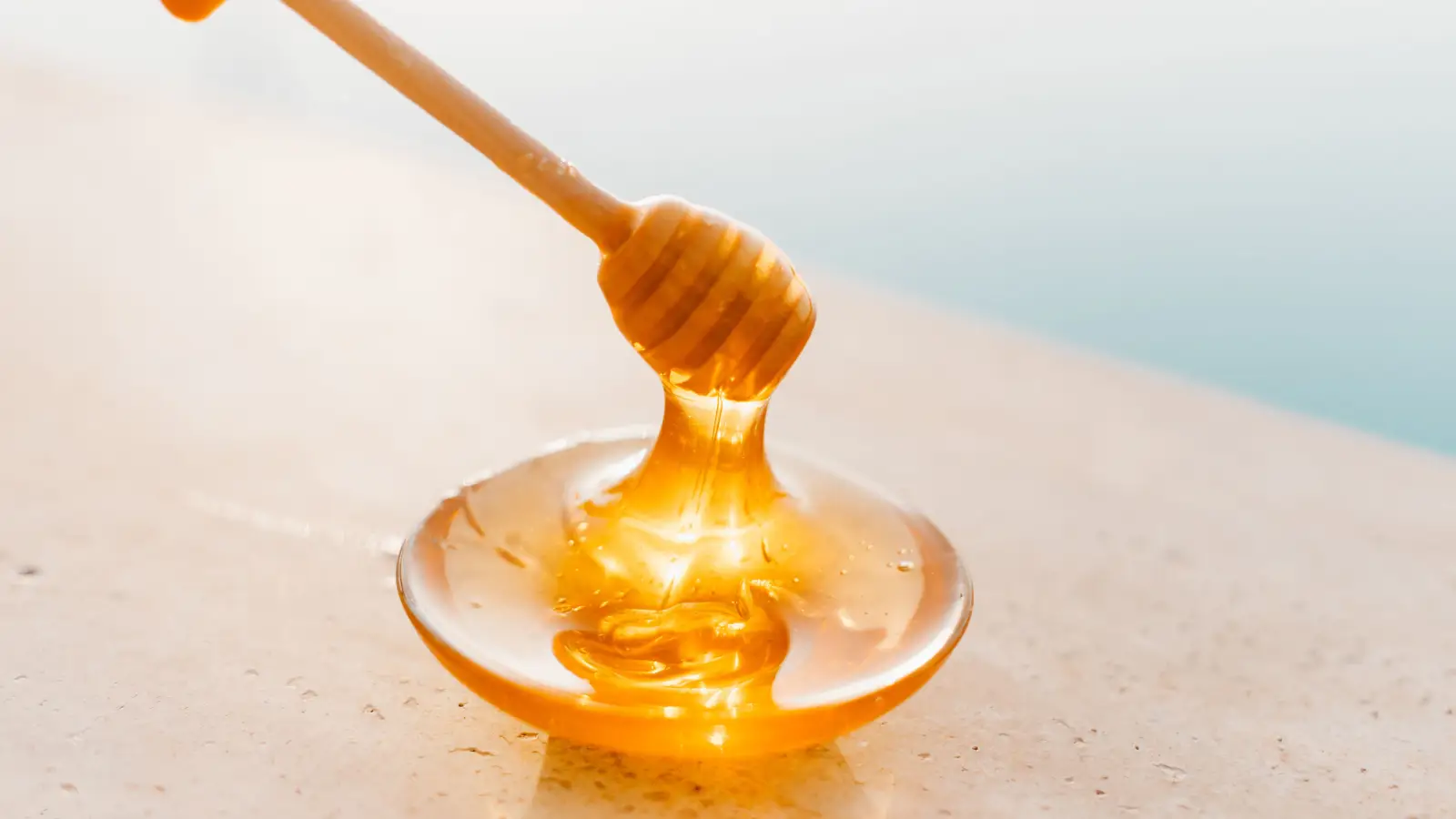
When you use honey the right way—raw, unheated, and with intention—it genuinely can smooth rough patches, settle mild breakouts, and leave skin feeling softer. The problem is most advice skips the two things that actually matter: which honey you pick and how you use it. Here is what real research and practical experience tell us, without the empty promises.
The Science Behind Honey’s Effect on Skin
Think of honey’s action as a team effort rather than a solo act. Active enzymes, natural sugars, and acids work together—but only if the honey hasn’t been heated to death. Once you understand the how, you’ll realize that the honey you choose matters far more than any recipe you could dream up.
Hydrogen Peroxide and Natural Antibacterial Action
Most genuine honeys carry an enzyme called glucose oxidase. Add a little water, and it starts turning glucose into gluconic acid and a steady trickle of hydrogen peroxide—the same mild antiseptic you’d find in a first-aid kit. The concentration stays low enough not to irritate most skin, yet high enough to discourage surface bacteria that feed breakouts. Manuka honey plays by a different set of rules: its key germ fighter is methylglyoxal (MGO), a compound that stays stable even when body heat or catalase enzymes would normally break down peroxide. That reliability makes manuka a standout for spot treating blemishes. Here’s the catch that trips people up: heat processing destroys glucose oxidase, which means pasteurized honey has lost its peroxide-making ability before it ever touches your face. This is why the “raw” label matters—it’s not marketing fluff.
Why Honey Pulls Moisture Into the Skin
Honey’s high sugar content—mostly fructose and glucose—turns it into a natural humectant. Humectants pull water from the air and from the deeper layers of your skin, temporarily plumping up the surface. At the same time, honey forms a gentle film that slows down water loss. The result is that immediate softening you feel after a 20-minute mask, especially on winter-parched skin. Just keep your expectations clear: honey doesn’t supply lipids or rebuild the skin barrier the way a ceramide cream does. It’s a fast drink of hydration, not a repair job.
The Limits of Topical Honey—What Research Does Not Show
It’s easy to get swept up by posts claiming honey erases dark spots or lifts wrinkles, but the science isn’t there to support those boasts. The solid research on topical honey focuses on wound healing and mild bacterial control—not cosmetic anti-aging. Believing the exaggerated promises can waste your money and distract you from proven treatments. That doesn’t make honey useless; far from it. But its real, visible benefits stay in the lane of gentle exfoliation, surface hydration, and calming minor redness. See it clearly as a single-ingredient helper, not a dermatological powerhouse, and you’ll get far more out of it.
Which Type of Honey Is Worth Using on Your Face
The clear, heat-pasteurized honey sitting in a bear-shaped squeeze bottle at the grocery store? That’s essentially flavored syrup. All the delicate enzymes that could have helped your skin are gone. Choosing well is everything.
Raw Versus Processed: Why Heat Kills the Benefit
Raw honey hasn’t been heated past hive temperature—around 95°F—and is usually strained instead of fine-filtered, so most of the pollen, enzymes, and fragile compounds survive. Pasteurization pushes temperatures above 145°F to kill yeast and slow crystallization, but it also destroys glucose oxidase and many antioxidants. The end product pours clear and looks pristine, but it won’t generate meaningful peroxide on your skin. When you’re shopping, hold out for the word “raw” on the label, or buy straight from a beekeeper who can tell you exactly how the honey was handled.
Monofloral Varieties: Manuka, Sidr, and Others That Pack a Punch
Mass-market honey usually blends nectar from dozens of sources, which makes its antibacterial strength unpredictable. Monofloral honeys—those coming mostly from one plant species—have been studied precisely because they offer consistent activity levels. Manuka honey from New Zealand, rated by Unique Manuka Factor (UMF) or MGO concentration, is the most researched of the bunch; a UMF 10+ rating gives you enough MGO to be considered therapeutic. Sidr honey from Yemen’s Ziziphus trees has shown strong antibacterial and anti-biofilm promise in lab work, though it’s harder to source and often pricey. Buckwheat honey, dark and almost molasses-like, brings a heavy antioxidant punch. Even a raw, local multi-floral honey can handle general moisturizing and mild antibacterial duty—as long as it’s truly raw and hasn’t been cooked.
How to Read a Label Without Being Fooled
Labels can dance around the truth. “Pure honey” only means no added syrups, but it can still be heat-treated. “Organic” doesn’t promise raw processing either. The words you can trust are “raw,” “unfiltered,” or “unheated,” plus a UMF rating for Manuka—and even then, you should check the brand’s license on the UMF Honey Association website. If the ingredient list includes anything other than “honey,” put the jar back. For anything that isn’t manuka, buying from a trusted local producer or a small‑batch importer who shares origin and harvest date gives you your best shot at active honey.
Quick-Reference: Honey Types for Skin
| Type | Key Active | What to Look For | Best Use |
|---|---|---|---|
| Raw Multi-Floral Honey | Hydrogen peroxide (enzyme-driven) | “Raw” and “unfiltered” on label | Everyday mask, cleanser |
| Manuka Honey (UMF 10+/MGO 263+) | Methylglyoxal (MGO) | UMF or MGO certification mark | Antibacterial spot treatment, calming inflammation |
| Sidr Honey | High phenolic content, non-peroxide activity | Monofloral, Yemeni origin | Potent mask for active breakouts |
| Buckwheat Honey | Antioxidants, dark pigments | Raw, dark amber color | Dry-skin mask, antioxidant boost |
| Clover Honey (raw) | Mild enzyme action | Raw, light golden | Gentle first-time mask, cleanser |
Proven Ways to Use Honey as a Single-Ingredient Treatment
Using honey straight off the spoon keeps things predictable. When you combine it with a dozen other kitchen staples, you lose track of what’s working and what might irritate. Simplicity is your friend here.
A Simple 20-Minute Face Mask
Begin with clean, slightly damp skin—the moisture wakes up the glucose oxidase enzyme. Measure about a teaspoon of raw honey and smooth a thin, even layer across your face, steering clear of your eyes. Yes, honey is sticky; pulling your hair back and wearing a headband saves a lot of cleanup. Let the mask sit for 15 to 30 minutes. That longer contact window gives the humectant action and the mild enzyme exfoliation time to do their job. Rinse thoroughly with lukewarm water, use a soft washcloth if the honey feels stubborn, then pat dry and apply your usual moisturizer. Aim for two or three times a week. On very dry days, you can lay a warm, damp cloth over the mask to hold in a little extra warmth—just keep it comfortable, never hot.
Using Honey as a Gentle Daily Cleanser
Raw honey makes a wonderfully simple, soap-free morning cleanser. Mix half a teaspoon with a few drops of water in your palm until it thins out, then massage it over your face for about a minute. The combination of mild acidity and the tiniest sugar crystals gives you a gentle physical exfoliation that won’t strip your natural oils. Rinse well. This method is a relief for skin that feels tight or sensitive after foaming washes. But honey can’t dissolve heavy makeup or waterproof sunscreen, so keep a proper cleanser around for your evening routine.
Spot Treating Breakouts Overnight
When a single pimple flares up, dab a small drop of raw honey right on it and cover the spot with a tiny bandage or a breathable hydrocolloid patch—this saves your pillowcase from a sticky mess. A high-MGO manuka honey is your best bet here because its antibacterial action stays steady all night. Remove the patch in the morning and wash the area. Reserve this for occasional use; sealing skin under an occlusive cover every night can trap debris and may lead to clogged pores if you’re not careful about morning cleansing.
What Skin Conditions Honey Can Help—and What It Can’t Fix
Dry, Flaky Skin
Honey masks give you a real, if temporary, smoothing. The humectant draws water into surface cells while the natural film slows evaporation. In dry climates, a regular mask routine can make your face feel less tight. The effect is genuine, but it’s a band‑aid—lasting dry-skin care still needs a moisturizer packed with lipids and ceramides.
Mild Acne and Occasional Blemishes
Lab studies have shown manuka honey can tackle Cutibacterium acnes, and plenty of people report it calms red, inflamed pimples. Peroxide-producing raw honeys can also help keep surface bacteria in check. Yet honey doesn’t unclog pores or address the hormonal engine behind deeper acne. Think of it as a supporting spot treatment, never a first‑line solution.
When Honey Isn’t Enough: Severe Acne, Rosacea, and Eczema
If you’re dealing with moderate to severe cystic acne, rosacea with persistent flushing, or active eczema, honey can feel soothing but shouldn’t elbow out prescribed medication. Even gentle natural ingredients can trigger contact irritation on reactive skin. Always patch test on a small section of your jaw or inner arm before you commit. Eczema in particular often needs heavy emollients and sometimes topical steroids; a honey mask alone won’t resolve a flare.
A No-Nonsense Honey Skincare Routine for Beginners
If you’re brand new to honey skincare, start slowly and watch how your skin responds.
Morning: Use diluted raw honey as a gentle cleanser once or twice a week, not every day. The rest of the time, stick to lukewarm water or your usual non-stripping cleanser.
Evening (2–3 nights a week): Apply a raw honey mask for 20 minutes after cleansing and drying your face. Rinse, then moisturize as you normally would.
Spot treatment: When a blemish surfaces, dab a small amount of UMF 10+ manuka honey on it before bed, cover it, and rinse in the morning.
Give your skin about two weeks of observation. If redness creeps in, stop. If instead you see calmer, more hydrated skin, you’ve found a budget‑friendly addition you can trust.
Key Takeaways
- Honey’s skin benefits—antibacterial, humectant, mild exfoliation—are real but modest and depend completely on using raw, unheated honey that still carries its active enzymes.
- The type of honey you reach for is the whole game: UMF‑certified manuka, raw monofloral varieties, or fresh local raw honey always beat processed supermarket honey.
- Keep usage simple: a 20‑minute mask, a gentle cleanser, or an overnight spot treatment—skip the elaborate DIY blends.
- Patch test on a small area before applying to your full face, especially if you have pollen allergies or sensitive skin.
- Honey is a helper, not a miracle cure; it won’t replace sunscreen, acne medication, or barrier-repair moisturizers.
Frequently Asked Questions About Honey and Skin
Can I leave honey on my face overnight safely?
Raw honey is generally safe for overnight wear if you have no allergy. The bigger snag is practicality: it can get messy, attract dust, and likely doesn’t give you much extra benefit beyond half an hour of contact. If you choose to try it, cover the area with a bandage or hydrocolloid patch.
Does honey lighten skin or fade dark spots?
No solid studies show topical honey lightens hyperpigmentation. Any temporary brightening comes from gentle exfoliation and humectant plumping, which smooth surface texture—not deeper melanin.
Will honey clog pores or cause breakouts?
Honey itself is considered non‑comedogenic, but its stickiness can trap dirt or oil against your skin if you don’t rinse thoroughly, risking clogged pores. Always wash it off completely and avoid using honey as a full‑face leave‑on overnight.
Is manuka honey worth the higher price for skincare?
If you need stable, non-peroxide antibacterial action for spot‑treating acne, then yes—manuka’s MGO delivers that reliability. For everyday moisturizing masks, a good raw local honey handles the job just as well for a lot less money.
Honey steps into your skincare routine as a straightforward, evidence‑backed player—but only when you choose an active jar and keep your expectations rooted in what the research actually shows. Your next move is simple: find a raw, high‑quality honey that fits your needs, whether that’s a small jar from a farmer’s market or a certified UMF manuka, and use it consistently and without fuss. That one decision does more for your skin than chasing elaborate mixtures ever will.