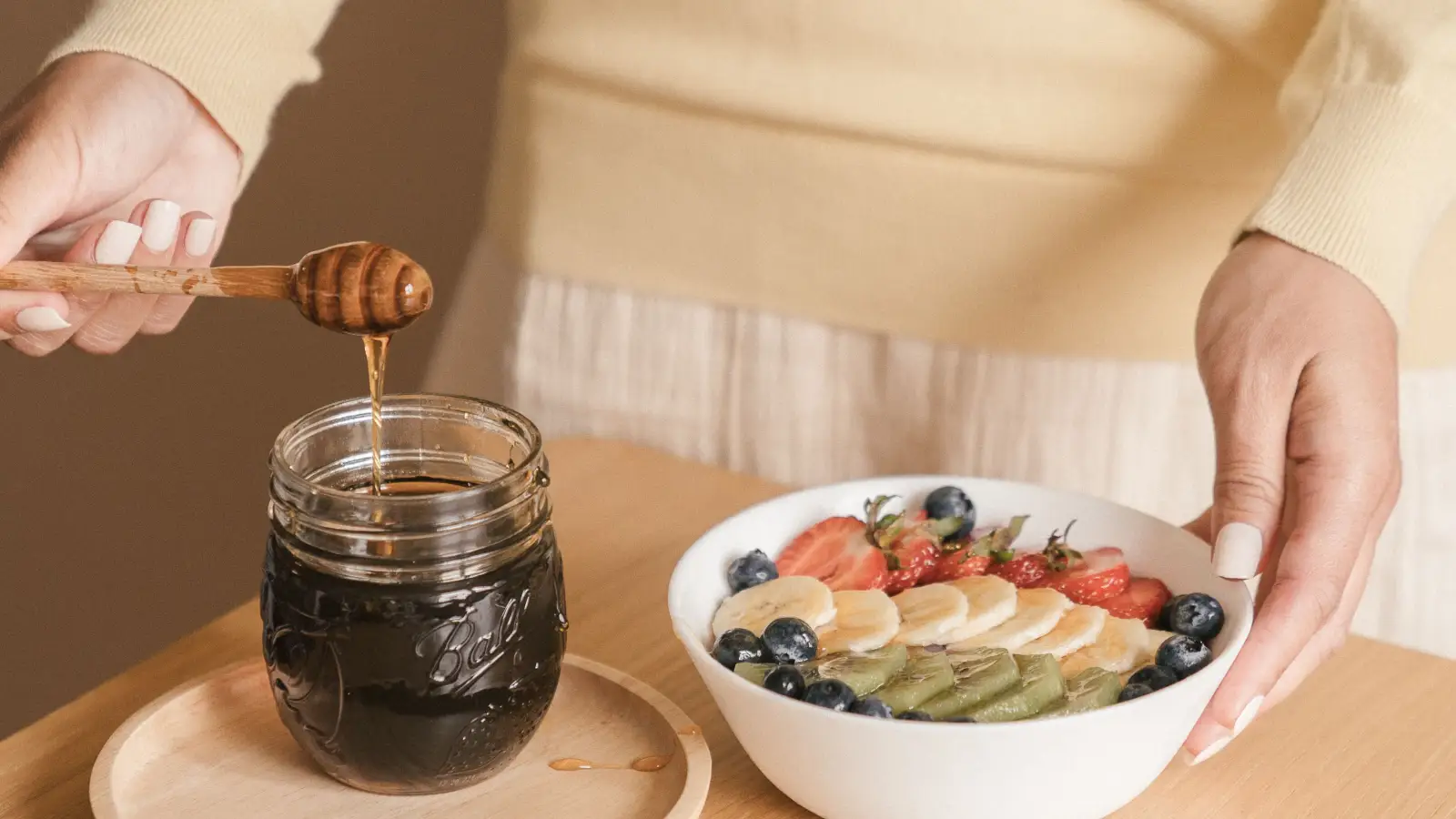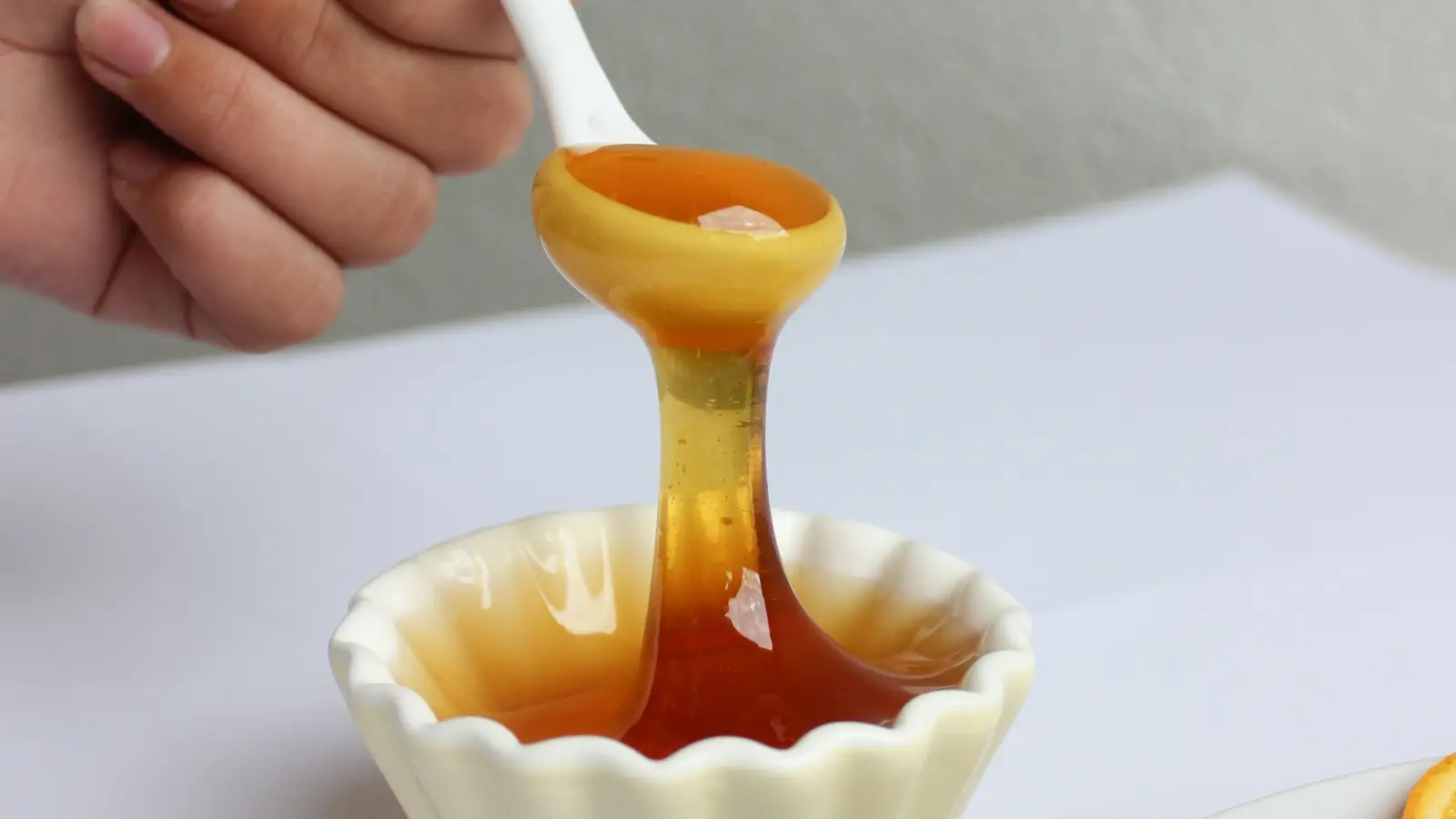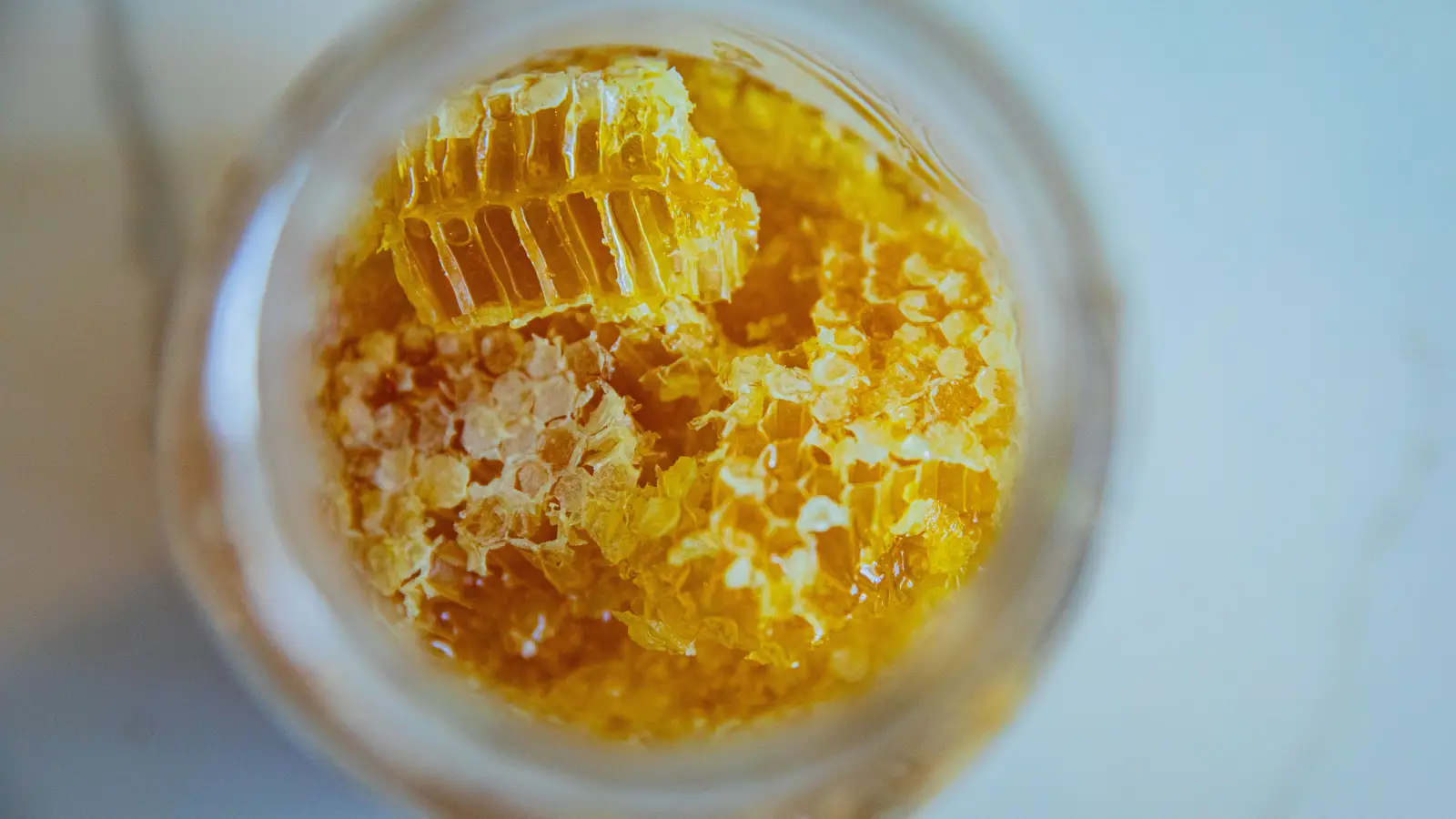
Honey’s nutritional composition is straightforward once you ignore the packaging. Food scientists measuring hundreds of samples consistently report about 80% sugars—fructose and glucose lead the list—plus roughly 17% water. The remaining 2–3% holds enzymes, trace minerals, and polyphenolic antioxidants. At a tablespoon (21 grams), those minor components clock in at milligram or microgram levels. The data confirm that honey is a caloric sweetener whose nutritional distinction lives entirely in that thin slice, not in any vitamin or mineral density. That is the foundation everything else builds on.
Which Question Brought You Here?
Readers land on this topic with different assumptions. Identify the one closest to your entry point:
- “Is honey healthier than sugar?” Your route moves through the compositional tables and ends with a gram-for-gram reality check.
- “I keep seeing antioxidants mentioned. What’s actually proven?” Your route examines the phenolic assays and what those numbers can—and cannot—support.
- “I produce or sell honey. What does lab analysis tell me?” Your route walks through the minor components and the factors that change them.
- “I’m trying to reduce sugar, but I like honey.” Your route arrives at the dose math that governs any sweetener.
The 95% Reality: Sugars, Water, and the Scale of the Thing
Before any enzyme or polyphenol enters the discussion, the mass balance must sit squarely in view. Across floral sources and regions, a standard lab report shows fructose around 38 g/100 g, glucose near 31 g/100 g, water 17–18 g, and a mix of other sugars—maltose, sucrose, some oligosaccharides—that bring total sugars to roughly 80 g per 100 g.
The priority at this stage is not that honey contains “good” molecules but that its weight is overwhelmingly sugar. A food scientist evaluating honey starts with the carbohydrate count. The numbers place honey among the most sugar-concentrated natural products available. One tablespoon: 17 g of sugar, 64 calories. Stacked next to white granulated sugar, maple syrup, or agave nectar, the energy contribution is essentially identical per gram of carbohydrate.
The concrete step: open a USDA or manufacturer nutrition panel for honey. Not the marketing description—the table. Most micronutrient lines show a dash or zero. That is not an error or a simplification; it reflects the serving-level amounts. A 21-gram portion cannot deliver measurable percentages of daily mineral or vitamin needs with the exception of, occasionally, a trace of potassium or choline that still rounds to zero on standard labels.
You are ready to leave this layer when you can state without hesitation that honey is primarily a fructose-glucose solution and that any nutritional benefit beyond calories must be drawn from a fraction so small it rarely registers on a nutrition facts panel.
The 2–3% Slice: Enzymes, Minerals, and What “Contains” Actually Means
Food scientists turn next to the remaining few percent. These components define honey’s identity but not its nutritional weight.
Enzymes—invertase, diastase, glucose oxidase—are added by bees during nectar processing. Invertase splits sucrose into its monosaccharides. Diastase hydrolyzes starch. Glucose oxidase generates hydrogen peroxide, contributing to honey’s antimicrobial properties. Diastase activity, measured by the Schade scale or equivalent, serves as a freshness and heat-damage indicator in international standards. That matters for quality control. For human nutrition, it does not. Enzymes are proteins; the stomach denatures them, and the few milligrams in a spoonful contribute nothing to digestion or metabolism that the body cannot supply on its own.
Mineral content tracks with soil and floral origin. Darker honeys—buckwheat, chestnut, manuka—commonly hold higher potassium levels, sometimes 200–300 mg/kg. That seems like a number worth noticing until scaled to a serving. Twenty-one grams of that honey yields 4–6 mg of potassium. The daily adequate intake for an adult is 2,600–3,400 mg. The arithmetic is the same for calcium, magnesium, and iron: the amounts are real but functionally trivial for anyone eating meals. Honey is not a mineral source in dietary planning.
Vitamins appear in the same pattern. B-complex vitamins and ascorbic acid are detectable in micrograms, well below the threshold that warrants a label entry. A tablespoon’s vitamin C content is measured in micrograms, not milligrams.
The check for readiness: you can explain why a nutrition facts panel for honey lists zeros down the micronutrient column, and you can estimate a serving’s trace mineral contribution without consulting a chart. You also understand that “contains potassium” is a true statement chemically, but a meaningless one nutritionally.
Antioxidants: Where the Chemistry Meets the Claim-Gap
The most active area of honey research—and the most likely to generate overstatement—is its antioxidant profile. Polyphenolic compounds, including caffeic acid, p-coumaric acid, quercetin, kaempferol, and in manuka, methylglyoxal, react with free radicals in solution. Laboratory assays like ORAC, FRAP, and DPPH produce numbers that vary enormously with floral source. A dark buckwheat honey might score 2,000 µmol TE/100 g; a light clover honey might score 200.
The goal at this stage is to keep the chemistry and the health claim clearly separated. An ORAC value is a measurement of electron-donating capacity in a test tube. It tells you that honey’s phenolic mix is chemically active. It does not tell you that those compounds survive digestion, reach target tissues in active forms, or produce a measurable health effect in a human consuming a tablespoon a day.
The intervention studies that do show modest improvements—in plasma antioxidant capacity, LDL oxidation, or inflammatory markers—typically feed participants 50–100 grams of honey daily. That is 6–12 tablespoons. The sugar intake that accompanies such doses is 40–80 grams, a load that on its own would raise metabolic concerns. The study designs are valid for investigating mechanisms, but they do not translate into a recommendation to eat honey for health.
A useful exercise: locate the ORAC or total phenolic content for a honey variety you use. Compute how many tablespoons you would need to match the polyphenol intake of 100 grams of fresh blueberries (roughly 400–500 mg of polyphenols). You will quickly see that honey’s antioxidants, while real, function as a minor bonus attached to a sugar vehicle, not as a reason to consume the sugar.
You are ready to proceed when you can articulate the gap between a chemical assay result and a proven health outcome, and you habitually check the dose used in any study cited to support an antioxidant claim.
Applying the Filter: How the Data Changes Everyday Decisions
The previous sections converge into a single test: whenever a honey nutrition claim appears, ask what quantity of honey would be necessary to deliver the asserted benefit, then ask whether that quantity reflects actual use. Most common assertions fail this test.
The “raw honey is more nutritious” line provides an example. Heating reduces diastase activity and degrades some heat-labile phenolic compounds. That is documented. But if the pre-heating levels of those compounds are already nutritionally negligible, the loss does not alter the nutritional equation. The raw-versus-processed distinction matters for enzyme-dependent quality grading and for consumers who value the unheated product’s sensory or cultural properties. It does not open a window to significant micronutrient gain.
Glycemic index (GI) comparisons follow a similar pattern. Honey’s GI varies—some honeys test in the low 50s, others above 60—while sucrose averages 65. The fructose-to-glucose ratio and minor organic acids may slow glucose absorption slightly. However, a GI difference of 10 points at a 20-gram serving size does not translate into a clinically relevant blood glucose advantage for the general population. For a person managing diabetes or insulin resistance, honey is a sugar that counts against daily carbohydrate limits, full stop.
You have completed this final stage when you can read a product label or a wellness article and immediately test the nutritional assertion against the compositional data. The mass-per-serving calculation becomes automatic.
Readiness Checkpoints in Order
- You can state that honey is about 80% sugars and 17% water, and you grasp that this proportion sets its nutritional identity.
- You can explain why enzymes and minerals—though present—do not alter honey’s status as a sugar in dietary terms.
- You can separate antioxidant capacity numbers from health claims, and you know that dose determines any potential effect.
- You apply the “how many spoonfuls?” filter to any nutrition statement about honey and recognize that most such statements break down at realistic intake.
Concerns to Set Aside (and When They Do Matter)
Some topics surface repeatedly in online discussions but are not appropriate for someone building a baseline understanding. Park these here.
- Heated honey becomes toxic. Hydroxymethylfurfural (HMF) forms when sugars are heated in acidic conditions, and honey can develop it with prolonged high heat. Regulatory limits exist for HMF in honey—typically 40–80 mg/kg—and commercially available honey rarely approaches levels that raise safety concerns. This becomes relevant when evaluating a supplier’s processing practices or for export grading, not when you stir honey into hot tea.
- Fructose makes honey better for blood sugar. Fructose does have a lower glycemic response than glucose, but honey delivers both sugars together. The net effect on blood glucose is a modestly slower spike in some studies, not a free pass. This concern merits attention only when a dietitian is constructing a carbohydrate budget that accounts for fructose-to-glucose ratios.
- Honey’s oligosaccharides act as a prebiotic. A few honeys contain nondigestible carbohydrates that could, in theory, feed beneficial gut bacteria. The quantities in one serving, however, are sub-gram and are unlikely to exert a measurable prebiotic effect. This is an area of legitimate research but not a reason to select honey over other sweeteners today.
Questions Worth Answering Directly
Is raw honey more nutritious than processed honey?
Raw honey retains more enzyme activity and some heat-sensitive polyphenols, and it often contains pollen that filtered honey lacks. At a tablespoon, the nutritional advantage is marginal. The enzyme content is not significant for human digestion; the pollen contributes a tiny amount of protein and micronutrients. Choose raw honey for flavor, texture, or production ethos—not for a meaningful nutritional upgrade.
Does honey contain vitamins?
Trace amounts of B vitamins and vitamin C are detectable, but at levels so low that a serving provides well under 1% of the daily value. From a labeling standpoint, honey has no vitamin content worthy of reporting. Seek vitamins from whole foods, not honey.
Can someone with diabetes eat honey?
Honey is a concentrated sugar source and will raise blood glucose. Any reported slight reduction in glycemic response compared to white sugar does not eliminate the need to count the carbohydrates. Anyone with diabetes should treat honey as a source of sugar that contributes to the daily carbohydrate total and should not consume it without medical oversight.
Does honey have a lower glycemic index than sugar?
On average, yes—honey’s GI often falls in the 50–60 range versus 65 for sucrose. The difference is small and varies by honey type. For a typical meal, the overall glycemic impact of the plate overshadows the few-point variation a drizzle of honey adds. The GI difference is not clinically meaningful for most people.
How do honey’s antioxidants compare to those in fruit?
Even dark, high-antioxidant honeys contain far fewer polyphenols per serving than a cup of berries or a glass of tea. To obtain the same antioxidant mass as in 100 grams of blueberries, you would need to eat several tablespoons of a strong honey—and the sugar intake would be considerable. Consider honey’s antioxidants a minor bonus, not a substitute for produce.
What Clarity Looks Like After the Numbers
When the lab data and the dose calculations have done their work, honey settles into its proper category: a single-ingredient sugar syrup with a variable chemical fingerprint that traces back to its floral source. That fingerprint is interesting. It does not rewrite the nutritional bottom line.
If you started with the question “Is honey healthier than sugar?”, the first act is to place their nutrition panels side by side and note how similar the sugar and calorie counts are. From there, let taste, variety, and tradition—not a fabricated health halo—determine whether honey belongs in your kitchen.