Honey isn’t just a pantry staple—it’s a genuine skincare workhorse, particularly for acne-prone skin that rebels against harsh chemicals. The promise isn’t magic; it’s chemistry. Here are three DIY honey face masks that actually work because each supporting ingredient is chosen for a precise, explainable reason—from tea tree oil’s ability to rupture bacterial cell membranes to the vitamin C in lemon that fades dark spots. No vague claims, just the recipes and the why.
Breakout-Calming Honey and Tea Tree Oil Mask
What it is: Stir together 1 tablespoon of raw honey and 2–3 drops of tea tree essential oil. Spread a thin layer across clean skin, let it sit for 10–15 minutes, and rinse with lukewarm water.
Why it made the list: This mask fights acne several ways at once, and understanding those mechanisms changes how you use it. Honey’s natural sugars pull moisture out of bacterial cells while keeping your own skin hydrated—a neat osmotic trick. Its enzymes release a whisper of hydrogen peroxide, a mild antiseptic that cleans without nuking your skin barrier the way benzoyl peroxide can. Tea tree oil joins in with terpinen-4-ol, a compound that punches holes in Cutibacterium acnes membranes and cools the inflammation that turns a clogged pore into a painful bump. The combination is direct, targeted, and surprisingly gentle.
Practical tip: Undiluted tea tree oil is way too strong—it can cause peeling, redness, or even a burn on sensitive skin. Always let the honey carry it, and test a dab behind the ear before covering your whole face. Stick to two or three times a week. More isn’t better; it can trigger dryness and a rebound oil surge that backfires.
Softening Anti-Aging Honey and Yogurt Mask
What it is: Blend 1 tablespoon of honey, 1 teaspoon of plain full-fat yogurt, and the oil from a vitamin E capsule (or 2–3 drops of rosehip seed oil). Smooth it onto your face and neck, leave for 15–20 minutes, then rinse.
Why it made the list: Acne-prone skin ages too—often faster when drying treatments are in play. This mask hydrates and gently exfoliates without the kind of irritation that invites new breakouts. Honey pulls moisture into the upper layers with a humectant tug, and its antioxidants (flavonoids, phenolic acids) hunt down free radicals from sun and pollution. Yogurt brings lactic acid, an AHA that loosens the glue between dead cells, revealing smoother texture below while keeping the skin calm. A hit of vitamin E or rosehip oil seals the deal, repairing a barrier that might be cracked from acne topicals. It’s a reset that respects sensitive skin.
Practical tip: Hunt for plain yogurt with live cultures and zero added sugar. The probiotics might give your skin’s microbiome a small bonus, but the bigger win is avoiding sticky, sugary residues that could feed bacteria. If dairy gives you pause, a quick patch test inside the elbow usually dispels worry—topical reactions are rare.
Glow-Boosting Honey and Lemon Brightening Mask
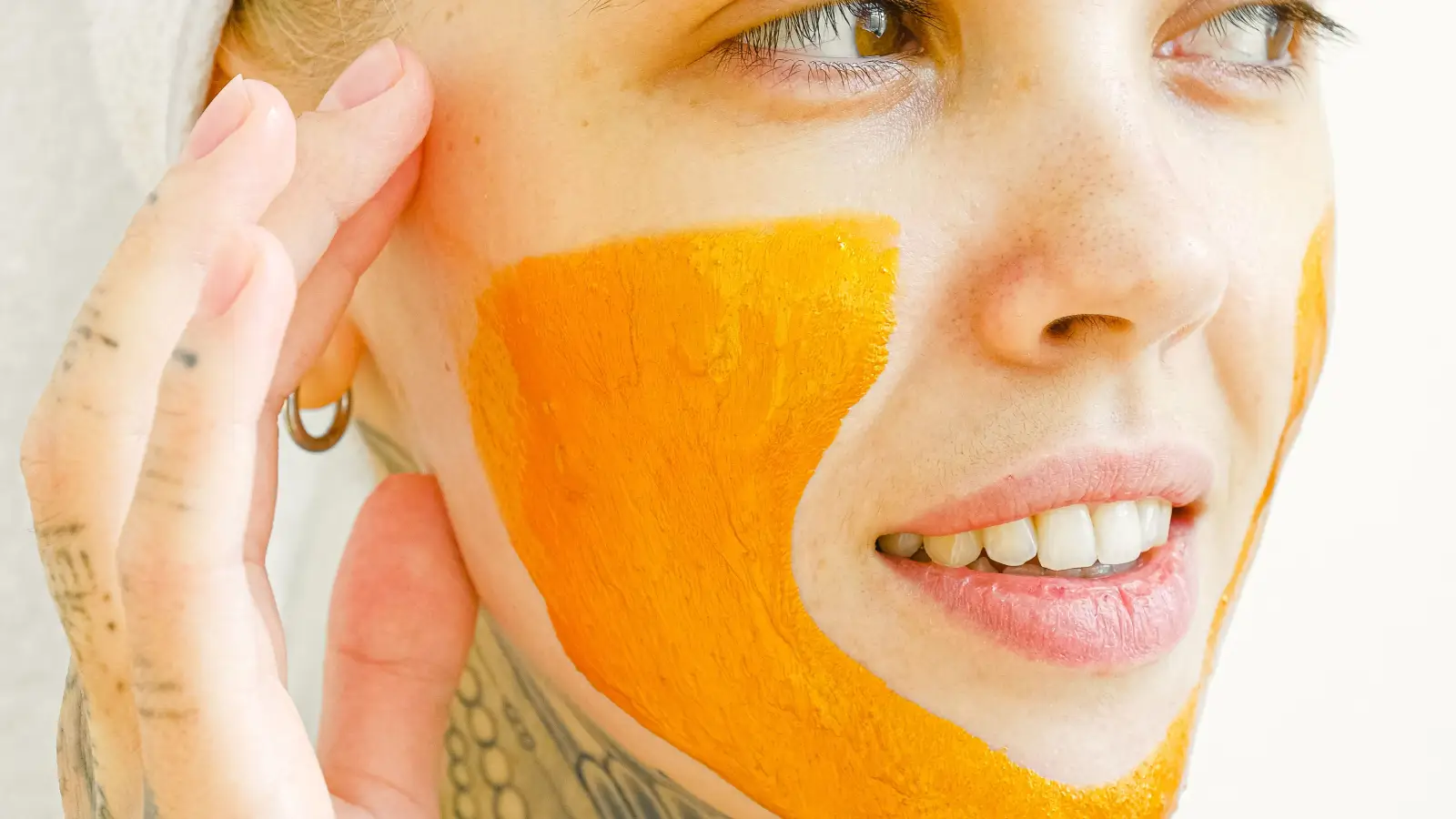
What it is: Combine 1 tablespoon of honey, ½ teaspoon of fresh lemon juice, and a pinch of turmeric powder (if you like). Whisk into a thin paste, apply while avoiding the eye area, leave for 10 minutes, and rinse thoroughly.
Why it made the list: Those stubborn dark spots left behind by pimples—post-inflammatory hyperpigmentation—need a different tactic. Lemon juice is a straightforward source of vitamin C, which steps into the melanin-production line and slows it down, gradually fading discoloration. Honey makes the acidity tolerable and contributes enzymes that brighten in their own way. Turmeric, optional but powerful, supplies curcumin, a deep anti-inflammatory that tames redness and leaves a warm glow (though it can temporarily tint very fair skin). The mask delivers brightness without bleaches, clogs, or panic.
Practical tip: Do this one at night. Lemon’s alpha-hydroxy acids can make your skin more sun-sensitive for a day, even though the juice itself isn’t phototoxic like some citrus oils. Apply sunscreen the next morning, and if your skin feels tight afterward, limit this mask to once a week. Open pimples? Skip it until they’ve healed—the acid can sting.
Which Mask Matches Your Skin’s Mood Right Now
- Angry, inflamed breakouts? Reach for the Breakout-Calming Honey and Tea Tree Oil mask. Its antibacterial, anti-inflammatory duo hits the problem directly.
- Fine lines, rough patches, and dehydration from acne treatments? The Softening Anti-Aging Honey and Yogurt mask is your answer. It hydrates and sloughs off dead cells without provoking a flare.
- Fading dark marks and uneven tone? Go with the Glow-Boosting Honey and Lemon Brightening mask. Just ensure your skin barrier is intact—no open spots—and lean on sunscreen afterward.
All three formulas avoid heavy butters, waxes, and comedogenic oils, so they’re designed with acne-prone skin in mind. Still, no two faces are identical. If cystic or severe acne is in the picture, a dermatologist’s guidance keeps things safe before you introduce even natural actives.
Frequently Asked Questions
What honey should I buy?
Raw, unheated honey keeps the glucose oxidase enzyme that generates the antibacterial peroxide. Manuka honey, from New Zealand, has an extra antimicrobial punch from methylglyoxal that doesn’t depend on peroxide. That said, any pure, unprocessed honey will outperform the processed “honey-flavored” syrups on a shelf. Check the label—if it’s just honey, you’re good.
Can these masks treat body acne, like on my back or chest?
Absolutely. Scale up the recipe in proportion: 3 tablespoons of honey plus 6–8 drops of tea tree oil for a back treatment, for instance. Rinse well so clothes don’t stick.
How fast will I see changes?
The Breakout-Calming mask can shrink redness and swelling overnight. Brightening with the lemon mask asks for patience—count on four to six weeks of consistent use to fade marks noticeably. Anti-aging benefits are slow and steady: smoother texture might show in a couple of weeks, but firmness takes months.
Are these masks safe if I’m pregnant?
Diluted tea tree oil used topically in small amounts is widely regarded as safe, though opinions can differ. Lemon juice in a mask poses hardly any risk. Your best move is a quick conversation with your healthcare provider before using essential oils while pregnant.
The big idea is wonderfully simple: a humble jar of raw honey can become the backbone of several skincare treatments, each tuned to what your skin needs right now. Pick one mask that lines up with your biggest concern, use it on a steady (not daily) rhythm, and pay attention to how your skin answers. For most acne-prone faces, the Breakout-Calming mask is the natural starting point—it tackles the core issue and teaches you how your skin reacts to honey and a single active ingredient, all at once.