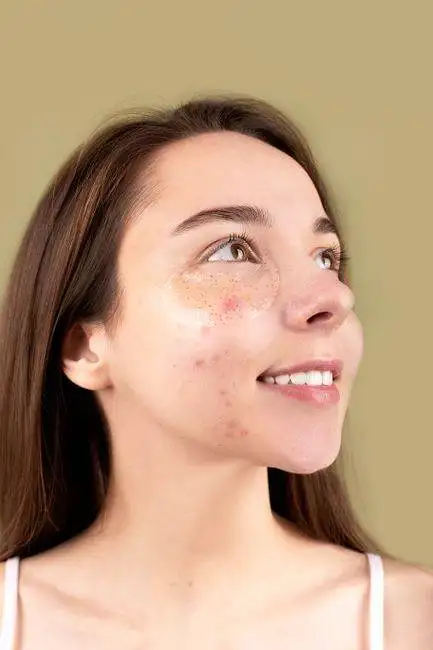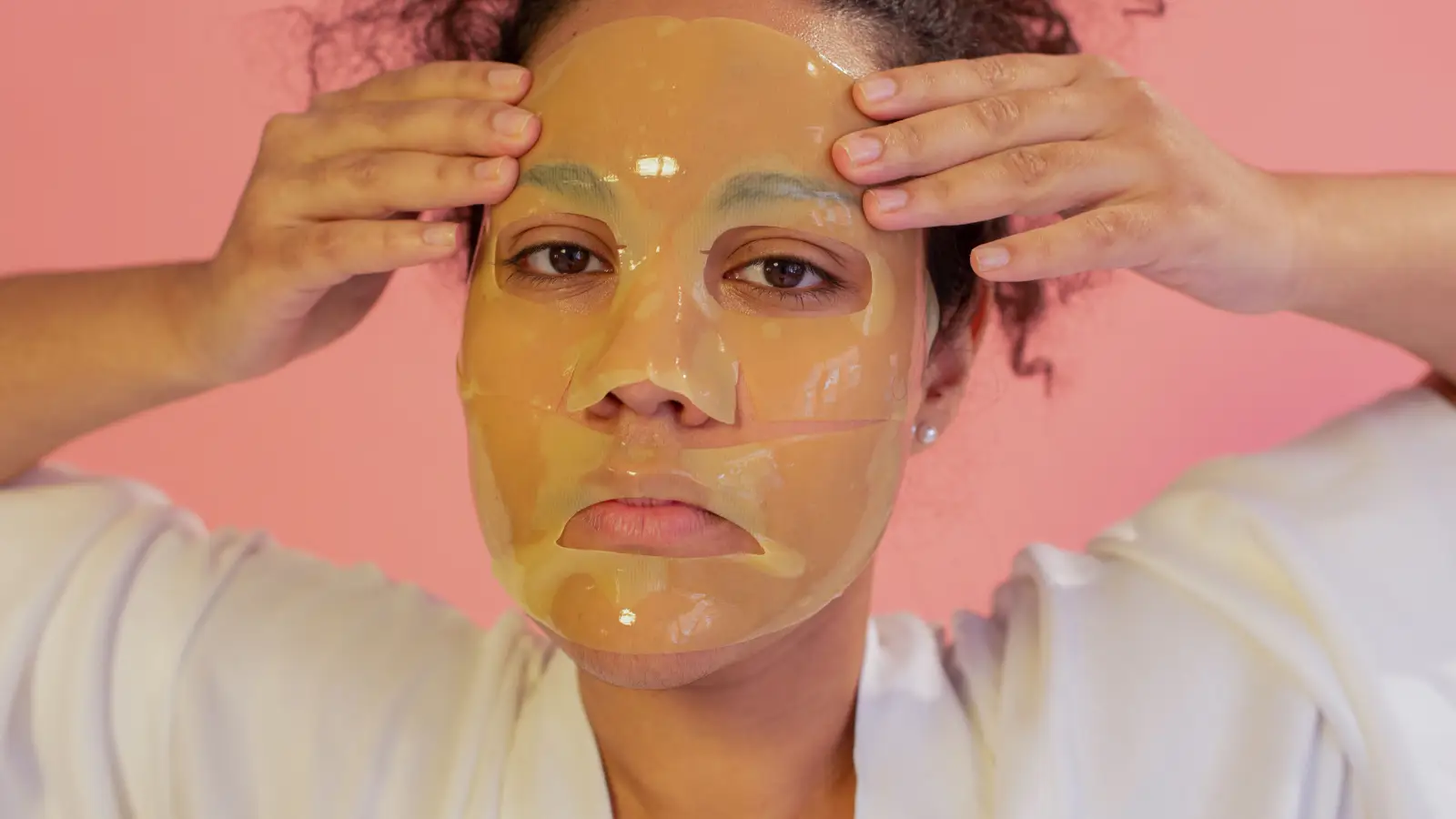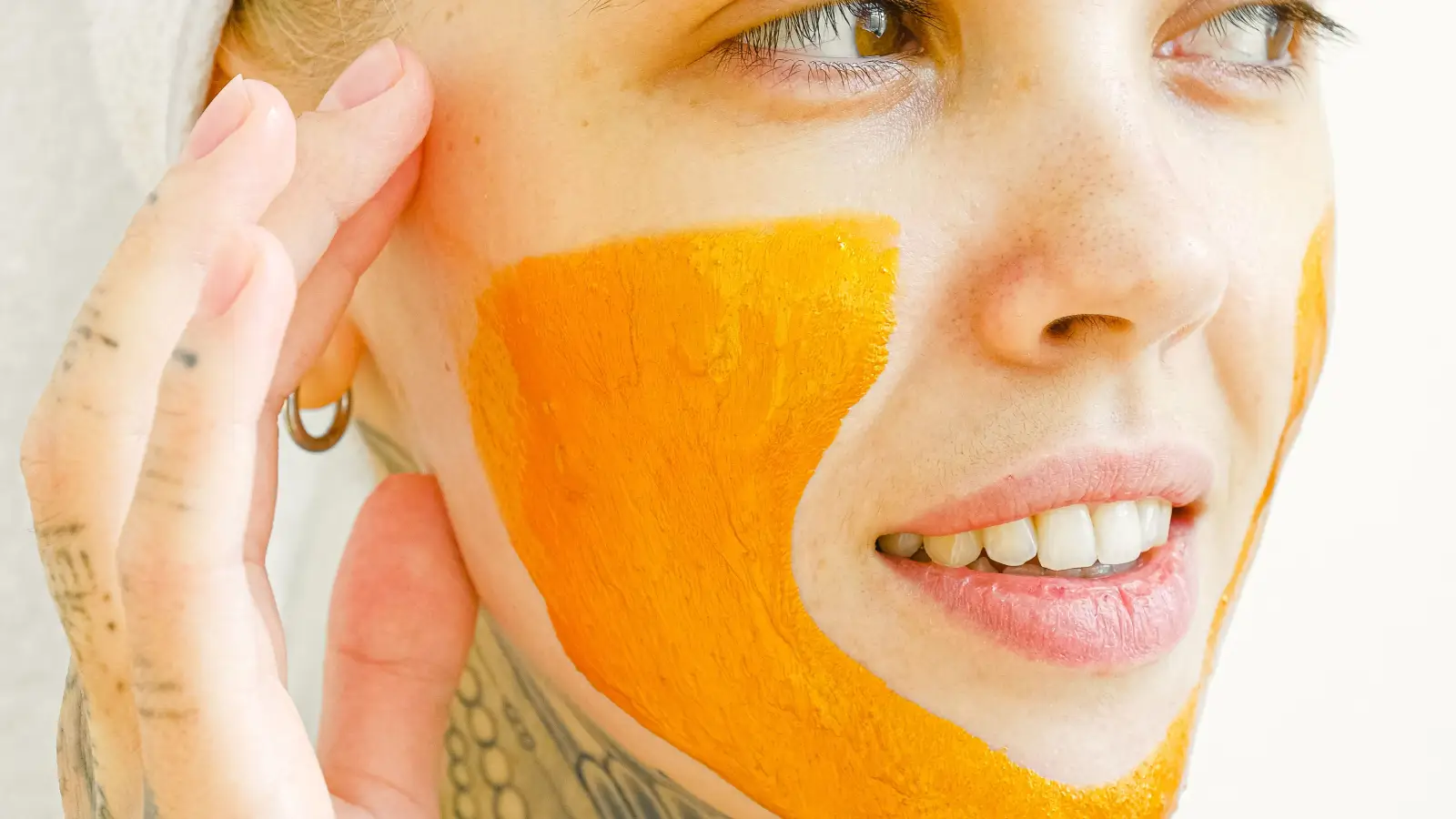
Your honey face mask stung, turned your face red, or raised tiny blisters. The cause isn’t always a straight allergy—it’s usually one specific risk you didn’t know to look for. This article spells out the six most overlooked ones, exactly how to spot each, and what to do about it.
How to Soothe Irritation from a Honey Mask Right Now
- Rinse your face with lukewarm water until every trace of honey is gone. Do not scrub.
- Place a cool, damp washcloth on your skin for five to ten minutes to pull out heat.
- Put aside all active treatments—retinoids, acids, vitamin C—for at least two days. Use only a bland, fragrance‑free moisturizer.
- If you see swelling, hives, or have trouble breathing, get medical help immediately.
Six Overlooked Risks in DIY Honey Face Masks
Raw honey on freshly exfoliated or broken skin
Raw honey’s pH hovers between 3.5 and 4.5, and its enzymes produce a mild hydrogen peroxide. That is gentle on an intact barrier. But on skin that’s been scrubbed, peeled, dermaplaned, or on an open blemish, the same compounds burn. The sting is immediate and deep. Check your routine: if you exfoliated in the last 24 hours, hold off on a honey mask completely. Give your skin a full day to recover, and never apply honey to any broken spot.
Overlooking a cross‑reacting pollen allergy
Honey carries pollen grains, sometimes also bits of propolis. If ragweed, mugwort, or grass pollens set off your seasonal allergies, those same proteins can land on your face and trigger itching or rash within minutes. It isn’t the honey; it’s the pollen stuck to it. The telltale sign: your face started itching while the mask was still wet. Rinse it off, take an oral antihistamine if you need one, and avoid that batch. Next time, pick a single‑floral honey from a region you tolerate—manuka or orange blossom are often safer for pollen‑sensitive people.
Using honey that has started to ferment or spoil
Raw honey can spoil if moisture gets in—a damp spoon is enough. Yeast turns sugars into alcohol and acetic acid, making the honey smell sour, taste off, or foam. That altered pH can burn compromised skin. Inspect your jar before every use: any off odor, sliminess, or surface bubbles means discard it for facial use. Always scoop with a clean, dry utensil and seal the jar tightly after use.
Leaving the mask on long enough to damage the moisture barrier
Honey initially draws moisture from deeper skin layers, but once the mask dries completely, the osmotic balance flips. The honey starts pulling water out of your skin, leaving it tight and parched. Tightness that feels like a mask is still on after you rinse is the signal. Set a timer for 15 minutes; remove the mask while it’s still slightly tacky, never bone‑dry. If tightness persists, cut back to 10 minutes next time and follow with a ceramide‑rich moisturizer.
Applying store‑bought honey that has been pasteurized and stripped of protective compounds
Most commercial honey is heated above 70°C to prevent crystallization, but that destroys enzymes, antioxidants, and volatile aromatics that help calm skin. What’s left is a sugary syrup that can clog pores and trap heat, especially in humidity. A label that says “pure honey” without “raw” or “unpasteurized” tells you it’s processed. For a face mask, buy raw honey directly from a beekeeper or a brand that specifies “cold‑spun” and “unpasteurized”.
Combining honey with harsh additives like lemon or cinnamon
Lemon juice drops a mask’s pH near 2, and cinnamon—even a pinch—is a potent irritant. These mixtures often feel warm and tingly, which many mistake for a “working” mask. The burn is chemical irritation, not benefit. Streaky redness rather than an even flush is your indicator. Safe additions for most skin are colloidal oatmeal or white kaolin clay. If you want exfoliation, do it on a separate night with a dedicated, pH‑balanced acid.
Less Common Honey Mask Risks to Be Aware Of
Botulism spores—risk for infants
Raw honey can carry Clostridium botulinum spores. Adult skin handles it, but do not use honey masks on children under 12 months, and wash your hands after handling raw honey if there’s an infant nearby.
Propolis or beeswax sensitivity
Some raw honeys contain trace propolis. A true propolis allergy can cause blistering, weeping dermatitis. If a mask ever causes swelling far beyond mild redness, stop use and get a patch test for bee‑derived allergens at a dermatology clinic.
A Safer Honey Mask Routine
- Source honey from a single‑floral source you already tolerate. Local beekeepers can tell you exactly when and where their bees foraged.
- Patch test properly: apply honey behind the ear or on the jawline, leave it for 15 minutes, and watch for 24 hours—not just an hour on the forearm.
- Never apply honey over skin that still tingles from a chemical exfoliant or retinol.
- Scoop with a clean, dry spatula; store the jar in a cool, dark cupboard.
- Timer: 10–15 minutes max, removed while still tacky, never dry.
- If pollen allergies are a concern, choose monofloral manuka or orange blossom rather than wildflower blends.
Questions You Might Still Have About Honey and Skin
Can I use honey if I have rosacea?
It can go either way. The humectant piece may calm, but the acidity and any pollen can trigger a flush. Try a five‑minute mask of manuka or kanuka honey and watch closely.
Why did honey sting even though I have no allergies?
Most often, the skin barrier is compromised from over‑exfoliation, or you have a tiny cut you didn’t see. Fermented honey also stings.
Does pasteurized honey still work for skin?
It works as a humectant. But it’s lost the enzymes and most of the antimicrobial compounds. For simply adding moisture, it’s okay, but it may feel stickier and more clogging.
Can honey masks cause breakouts?
Yes, if the layer is too thick and occlusive or if applied over skin that hasn’t been properly cleansed. Use a thin layer and rinse thoroughly.
When Nothing Else Works
If you’ve eliminated every risk listed here and your skin still reacts, see a dermatologist for an allergy patch test. True honey allergy is uncommon, but sensitivity to bee‑derived proteins or a condition like perioral dermatitis can look similar. Bring the exact honey jar you used so the clinic can test individual components.