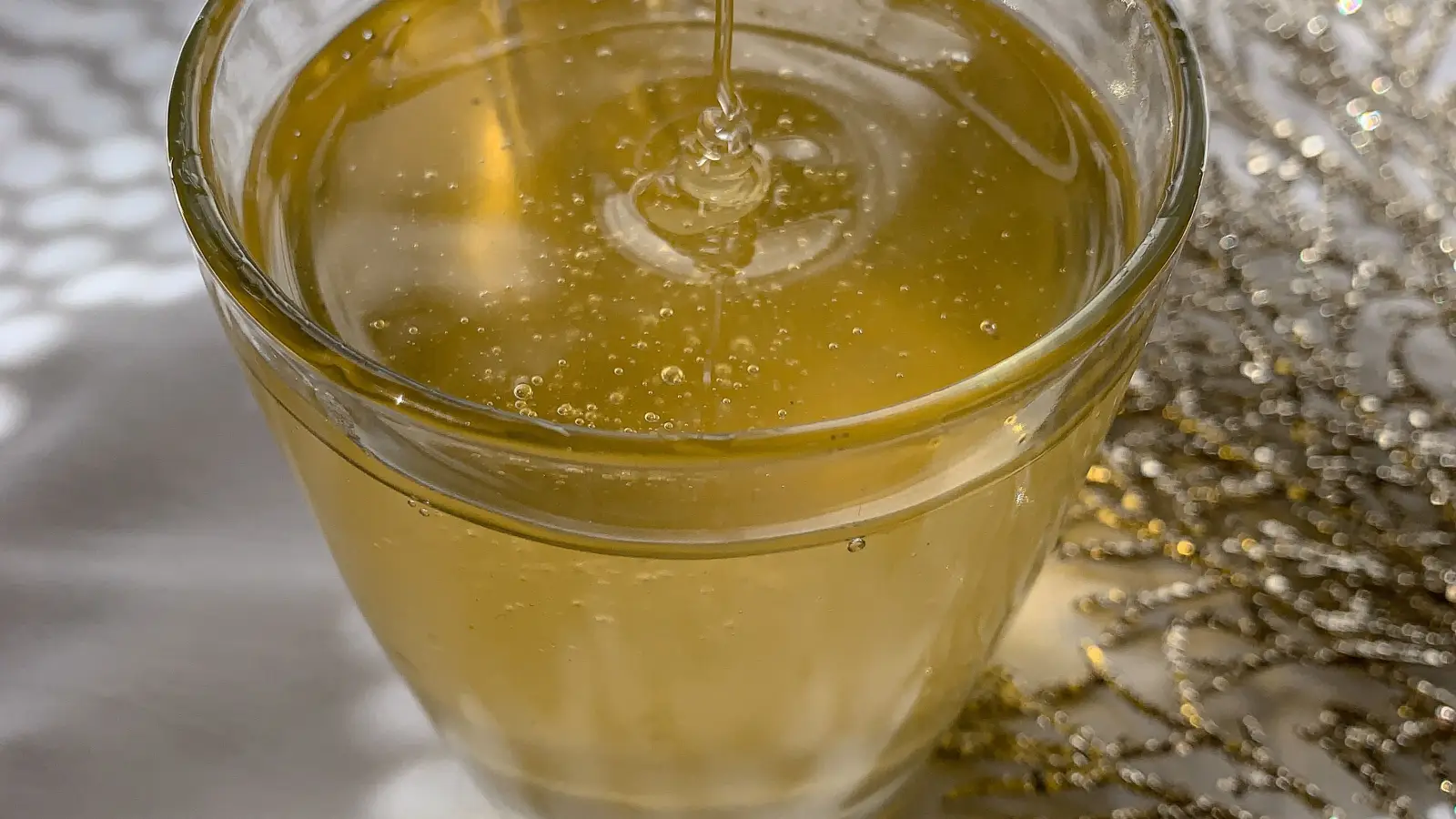
Crystallized vs. Liquid Honey: Which Is Better for You?
Is crystallized honey spoiled or fake? Not at all. Learn the real differences between solid and liquid honey, why neither is 'better', and when to choose each.
What honey labels really mean and the truth behind popular honey beliefs, backed by science and regulatory definitions.
Is crystallized honey spoiled or fake? Not at all. Learn the real differences between solid and liquid honey, why neither is 'better', and when to choose each.
Raw local honey still contains the same allergenic proteins as any honey. Learn why the myth is dangerous, what the case reports show, and how to stay safe with a honey allergy.
Seeing 'local' on honey? The USDA doesn’t regulate that term, and the pollen inside won’t match your regional allergens. Learn why the allergy promise falls apart—and what to look for instead.
Honey has more calories per teaspoon than sugar, but a side-by-side look at glycemic impact, antioxidants, and metabolic effects shows which one actually wins.
Manuka honey isn't always the right pick for skincare. A clear framework based on antibacterial mechanism, budget, and availability shows when raw honey works better.
Sugar and honey have similar metabolic effects when matched for carbs. Learn where honey’s trace nutrients make a difference—and where they don’t.
Think raw honey is always purer, safer, and more nutritious? The label isn't regulated—and moderate heat preserves most benefits while reducing risks. Here's the real story.
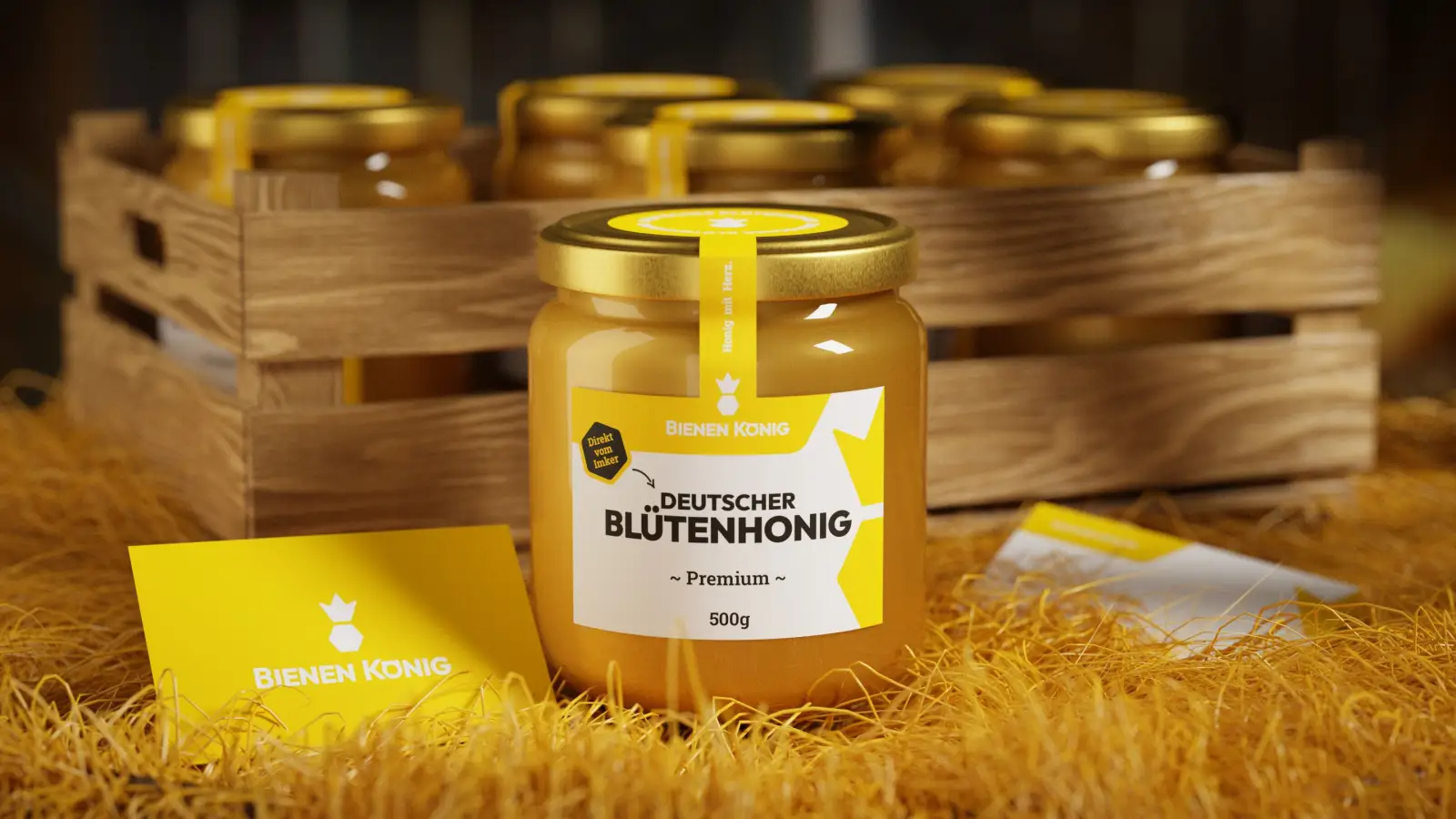
All-natural, gluten-free, no sugar added—these honey label claims sound important but are just noise. See which 5 buzzwords to skip and why.
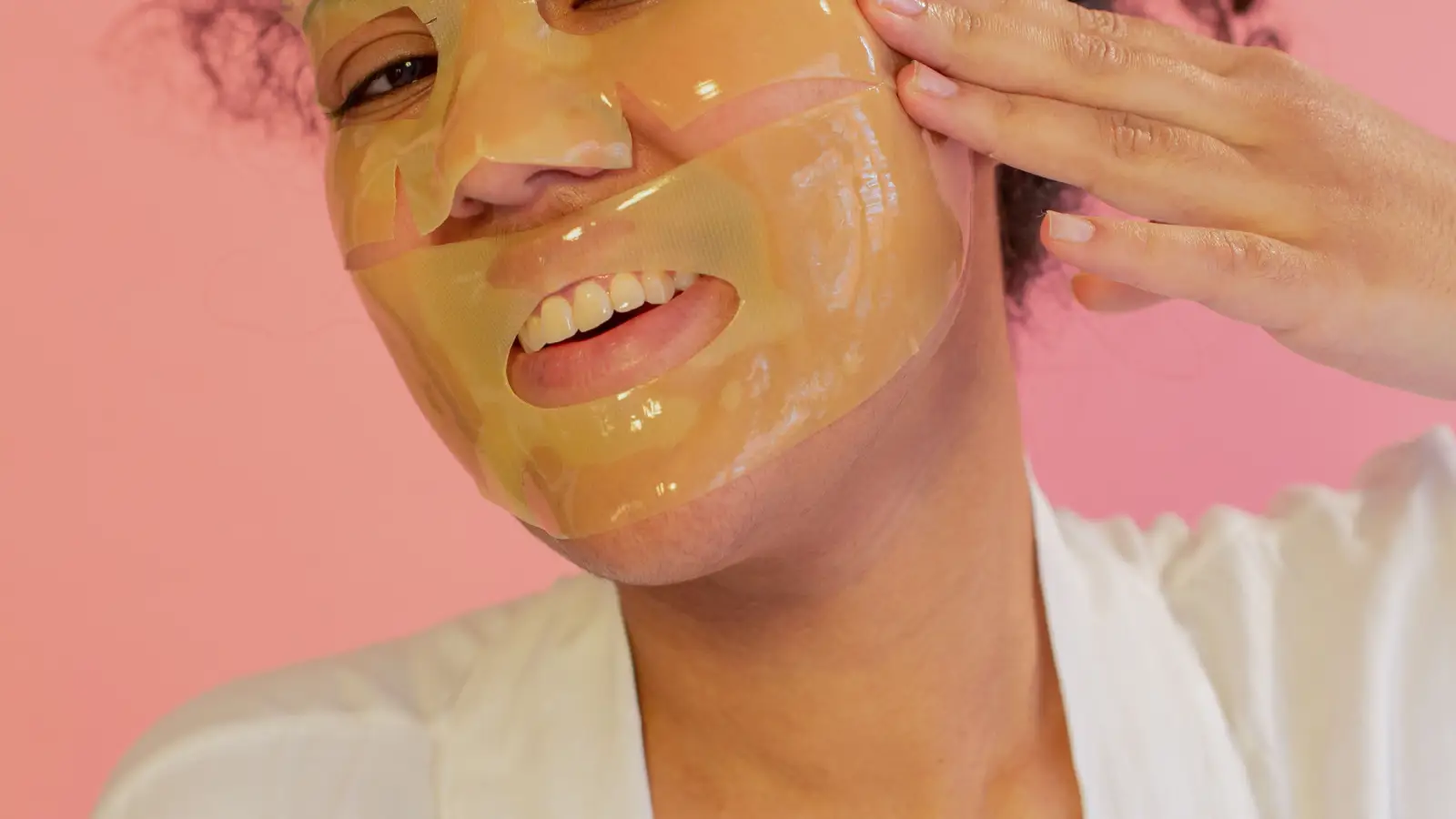
Can honey shrink pores, fade scars, or replace moisturizer? Dermatology and cosmetic science say no—here’s where honey is still worth using.
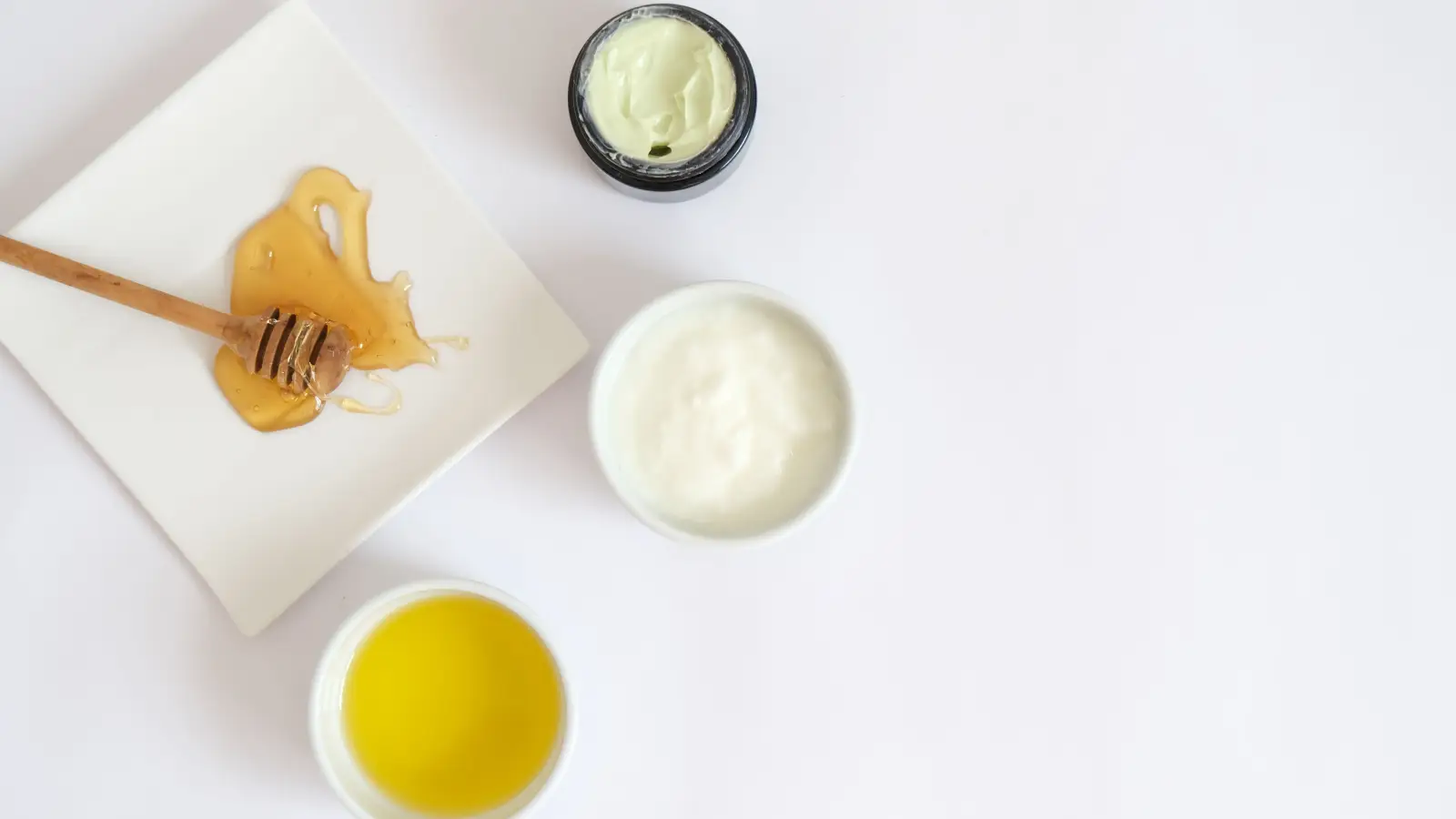
Heated honey loses the enzymes that exfoliate and fight acne. Learn to read labels and spot truly raw, unfiltered honey for a mask that actually works.