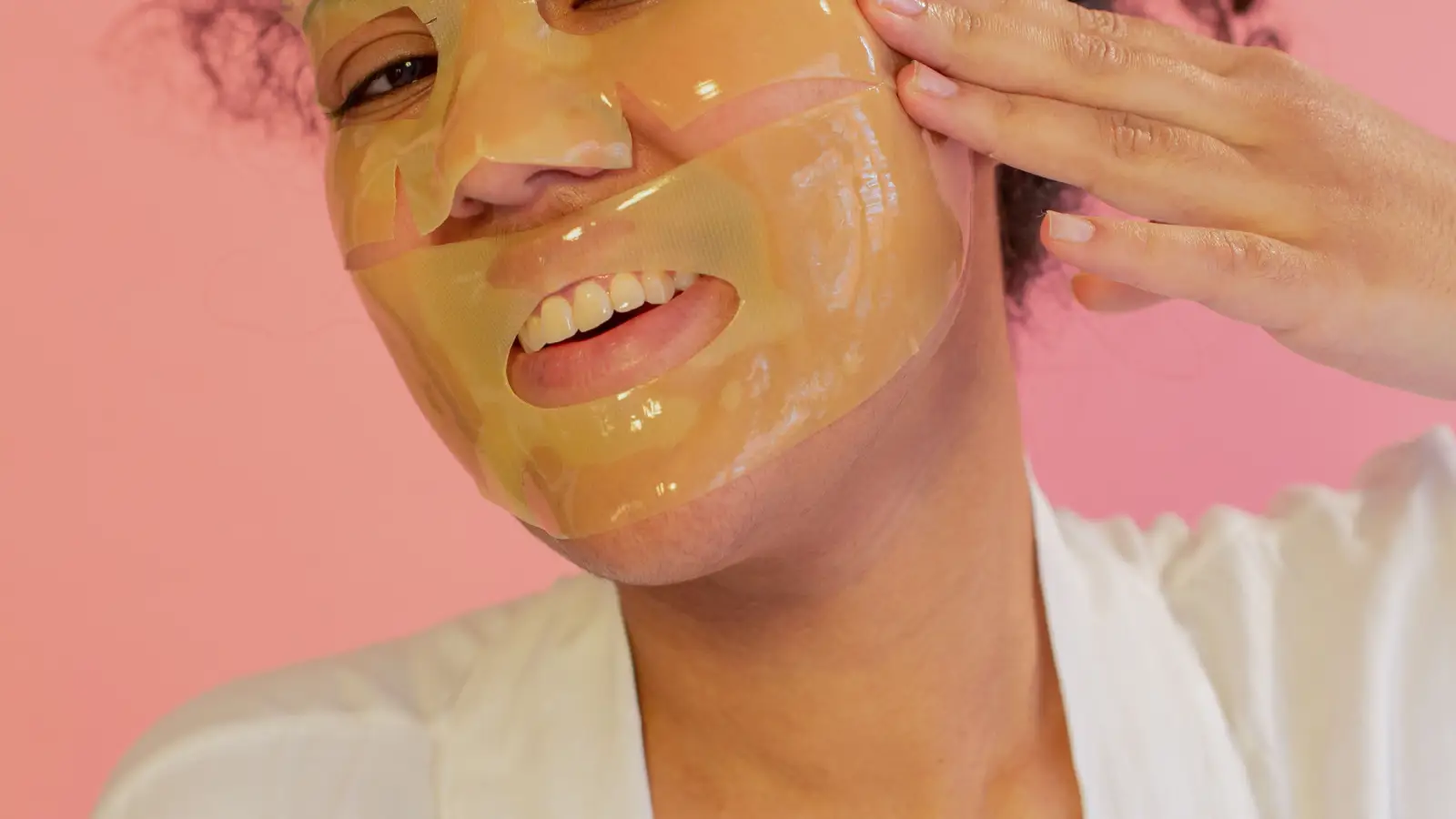
Honey has a centuries-old reputation as a skin soother, but social media somehow turns it into a pore-shrinking, scar-fading, instant-glow wonder—claims that disintegrate under the weight of basic dermatology. This piece tackles four of the most stubborn myths: that honey can shrink pores, erase acne scars, replace a moisturizer, and deliver visible results overnight. The goal is to separate the real calming properties from the hype, using what cosmetic science actually knows about a humectant that sits on top of the skin.
Myth 1: Honey Shrinks Pores
The claim that honey tightens pores permanently misses a fundamental anatomical fact: pores are static openings of hair follicles and oil glands, not muscles that respond to topical persuasion. They lack contractile tissue, so nothing you smear on the surface can shrink them in any lasting sense. What honey does is draw water into the outermost layer—a humectant effect that temporarily plumps the surrounding skin and makes pore openings look a little smaller. Rinse it off, and the illusion vanishes along with the water.
Dermatological observation notes that over-cleansing and harsh astringents can actually worsen the appearance of pore size by inflaming the skin, making the opening seem more pronounced. Honey, being non-irritating, doesn’t add to that problem. But it also doesn’t solve the underlying causes like genetics, collagen breakdown, or sun damage—things honey molecules are structurally incapable of addressing.
Practical tip: If you want the temporary appearance of tightened pores, reach for a clay mask that absorbs surface oil. Keep honey for its anti-inflammatory job on red, upset skin—it does that well—and don’t expect it to alter pore anatomy.
Myth 2: Honey Fades Acne Scars
This one usually comes from a confusion between fresh red or brown marks after a pimple and actual scar tissue. Post-inflammatory erythema and hyperpigmentation can indeed fade over time, and honey might slightly calm the surrounding inflammation because of its antioxidant content. But true scars—depressed, pitted, or raised—involve disorganized collagen in the dermis, and topical honey lacks any mechanism to remodel that.
From a cosmetic science standpoint, honey’s molecular weight is too high to penetrate meaningfully beyond the epidermis, and it doesn’t trigger the fibroblast activity or collagen synthesis that scar revision demands. Ingredients like prescription retinoids or stabilized vitamin C can influence dermal activity, but honey sits in the humectant-and-mild-soother category, not the structural repair group. Expecting it to erase a scar is like expecting a glass of water to mend a cracked foundation.
Practical tip: For post-acne marks, use azelaic acid or niacinamide. If the scars are deep or raised, a dermatologist can discuss silicone gels, retinoid therapy, or in-office procedures. Honey can stay in the routine as a calming step alongside those—just not as the heavy lifter.
Myth 3: Honey Replaces Moisturizer
Honey is a humectant, meaning it pulls moisture into the skin. That’s real and useful. But a moisturizer does three jobs: humectant, emollient, and occlusive. Honey delivers only the first part. It lacks the lipids that soften and fill gaps between skin cells, and it doesn’t offer the barrier-forming occlusives—like petrolatum or dimethicone—that stop water from escaping. Without those, skin gets a quick drink of moisture and then loses it rapidly through evaporation, especially in dry indoor air.
Someone with very oily skin in a humid climate might get away with honey alone for a short stretch. For everyone else, that tight, flaky feeling appears within an hour or two, because the honey didn’t seal anything in. The soothing aspect still works—honey can calm a red face—but structurally, it’s not a moisturizer.
Practical tip: Use honey as a brief wash-off mask or a thin pre-layer. After rinsing and patting dry, apply a moisturizer that has both emollients and occlusives suited to your skin type. That way, you get honey’s humectant pull plus the barrier you need.
Myth 4: Honey Works Instantly
That “instant glow” photo is typically one thing: a reduction in visible redness on irritated skin, not a transformation of texture or tone. When skin is acutely inflamed from mild dermatitis, honey’s viscous, cooling nature and compounds like glucose oxidase can calm the surface and dial down redness quickly. That looks dramatic if the starting point was angry, but it’s a temporary dial-back of inflammation.
For deeper concerns—acne clearance, tone evening, true smoothing—honey needs consistent application over weeks, and even then the results are mild. Medical-grade honey does show benefits in wound healing because of its osmotic activity and low pH, but those are sterile, standardized products under controlled conditions, not a random jar from the pantry. Holding up kitchen honey to that standard sets up a false comparison. The believable ceiling is a slow, modest improvement in redness and surface smoothness, not a dramatic overnight reset.
Practical tip: Commit to two or three masks a week for at least a month if you want to see any reduction in surface redness. For anything beyond that—spot fading, texture resurfacing—pair honey with proven actives and give those actives their own realistic timeline.
When Honey Makes Sense vs. When to Skip It
Because honey works on a specific, limited axis—soothing, humectant hydration—its place in a routine depends entirely on the problem you’re solving.
- For dryness or flaking: A thin honey mask for ten minutes, rinsed, followed immediately by a cream with ceramides or squalane gives you the humectant boost plus the seal you need.
- For pore visibility: Honey won’t help the cause. Use oil control and gentle exfoliation (salicylic acid). Pull out honey only on days when those actives leave your skin feeling raw—it’s a reset button for discomfort, not a pore corrector.
- For post-acne marks: Let honey be the anti-inflammatory buffer during active breakouts. Do not expect it to fade pigmentation. Brightening agents and dermatologist-guided scar treatment are separate lines of defense.
- For quick glow before an event: A 15-minute honey mask can temporarily plump the skin and make it look dewier—cosmetically useful, but entirely superficial. It won’t last and it won’t fix anything.
Frequently Asked Questions
Can honey help with active acne breakouts?
It can reduce some redness and swelling of a pimple, especially if it’s a manuka honey with documented antimicrobial activity. But it won’t unclog a pore or match the bacteria-killing speed of benzoyl peroxide or salicylic acid. Think of it as a gentle calming spot treatment, not a breakout terminator.
Is raw honey better for the face than processed honey?
Raw honey retains enzymes and more antioxidants, which might offer a bit more anti-inflammatory help. It also carries a slightly higher chance of impurities that could irritate some skin. Medical-grade is sterilized and standardized. For routine face masking, either is fine so long as it’s real honey—skip the syrups with added sugars, which do nothing for skin.
How often should I use a honey face mask?
Two to three times a week works for most people. Overdoing it leaves a sticky film that can trap debris and trigger breakouts in acne-prone types. Even once a week can deliver the soothing benefit.
Does honey on the face cause sun sensitivity?
Not in the way that potent actives do. Honey has no notable photosensitizing compounds. However, its mild acid content could theoretically increase skin’s vulnerability a tiny amount, so sunscreen is still the responsible move—but that’s true for any daytime skincare.
What Honey Actually Brings to the Table
Honey earns its spot in a skincare routine for one dependable reason: it calms. It’s a simple, non-irritating humectant that can take the edge off redness and give a fleeting plumpness. But shrinking pores, fading scars, replacing a moisturizer, and delivering instant transformations are in another category entirely—a category honey’s structure doesn’t support. Use it when your face feels hot and upset, as a pre-moisturizer layer, or for the simple ritual of it. Just don’t ask the jar to do what even a dermatologist’s office can’t do in a day.