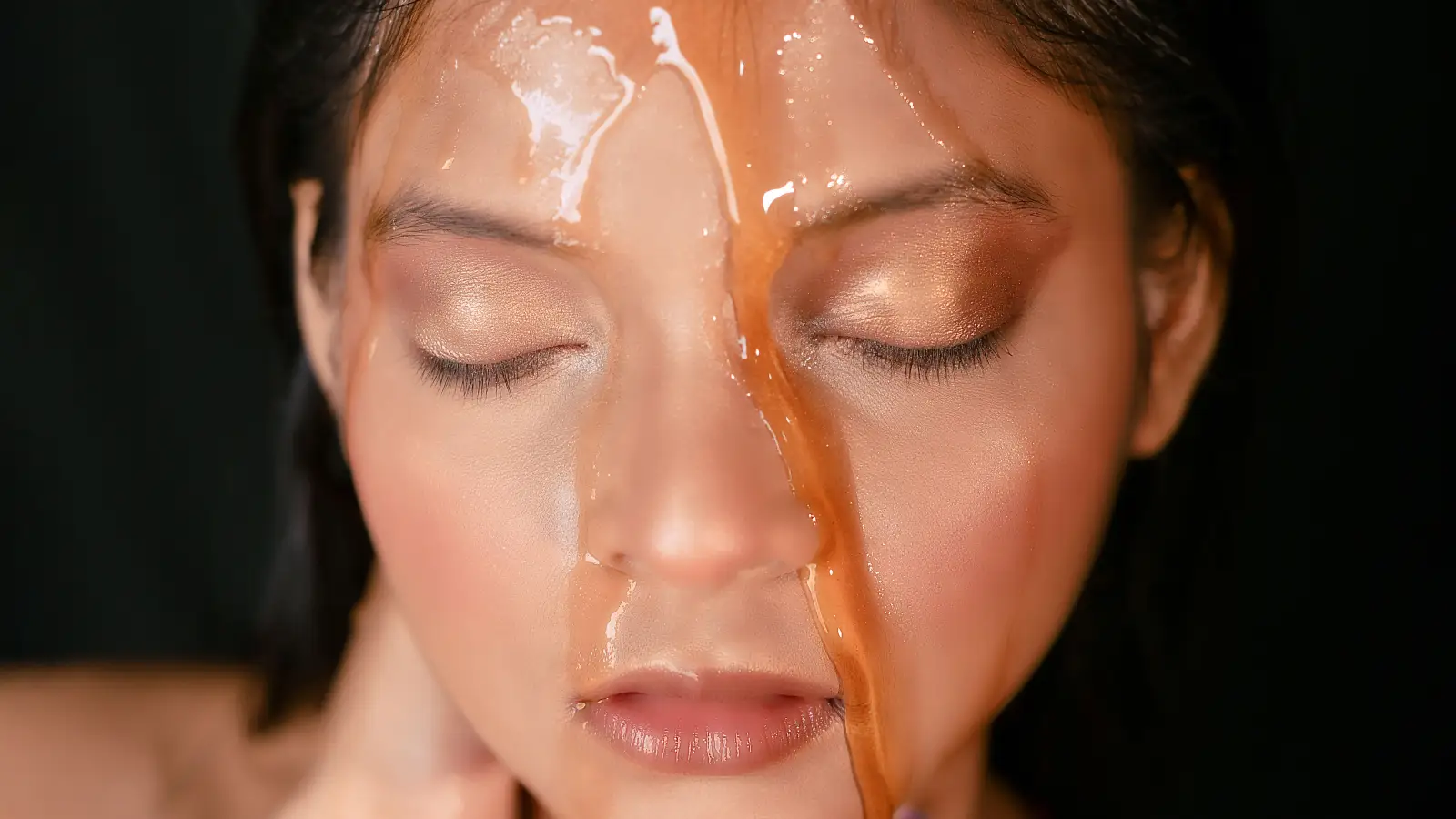
When raw honey meets facial skin, three chemical processes unfold: its high sugar concentration draws moisture from the air via osmosis; glucose oxidase activation yields a tiny steady stream of hydrogen peroxide; and its acidity, hovering near pH 3.9, reinforces the skin’s own acid mantle. None of these effects are potent enough to treat acne or eczema—they’re gentle, in‑vitro‑validated mechanisms that nudge the skin toward a more comfortable temporary state.
A Concrete Case: Raw Honey on Dry, Flaky Cheeks
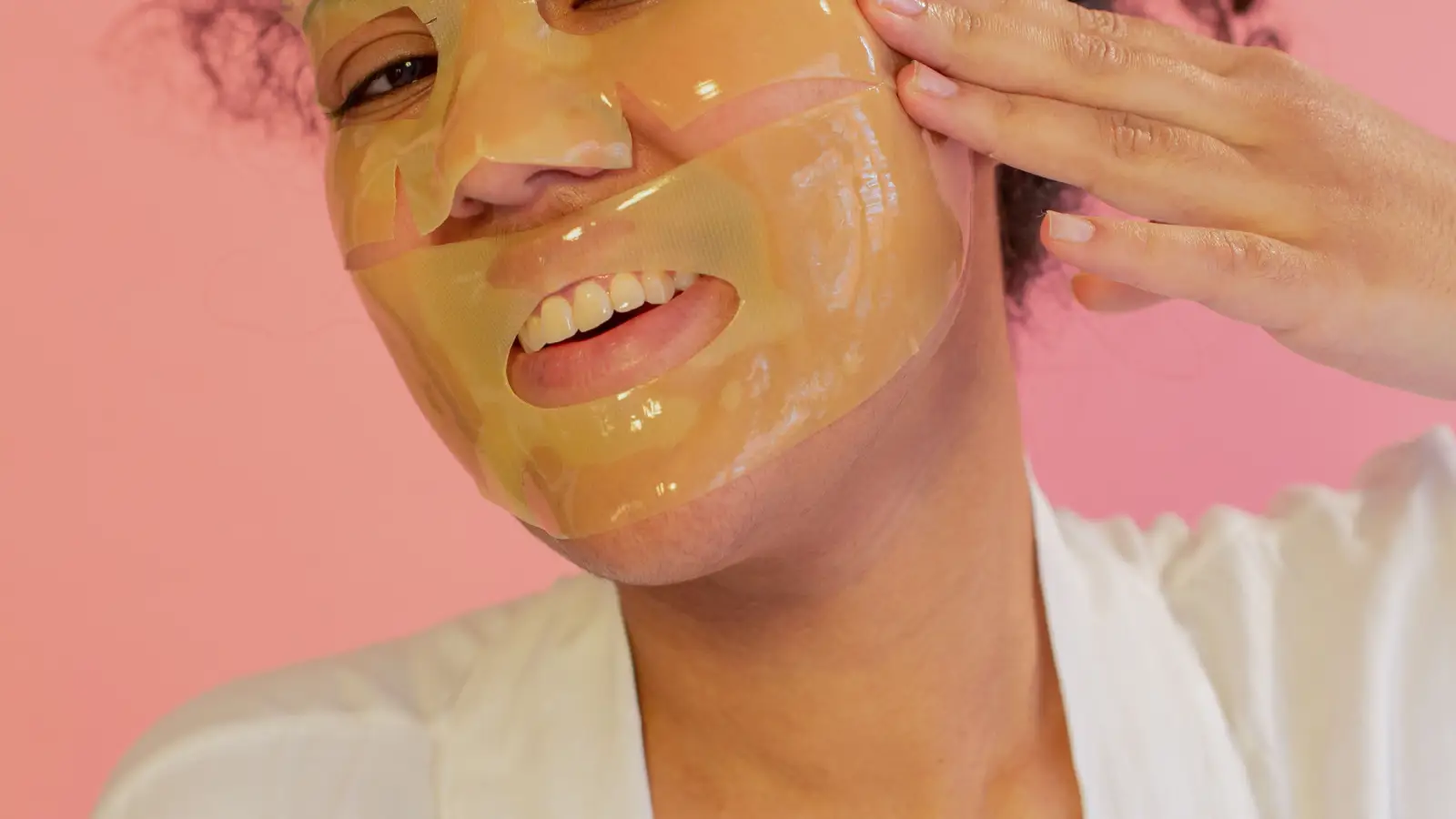
Consider a person whose cheeks have become rough and scaly after prolonged exposure to cold, dry air. They smear a thin layer of raw, unheated honey over both cheeks, wait 15 minutes, and rinse. The result: the skin feels smoother and less tight, and the flaking subsides for several hours. What produced that outcome? Not a single miracle compound, but three distinct, measurable mechanisms acting in parallel.
How Honey Alters the Cheek Environment: Three Parallel Processes
Moisture Retention, Not Occlusion: The Osmotic Humectant Effect
Honey’s sugar matrix is a natural osmolyte. The high concentration of fructose and glucose exerts an osmotic pull that draws water from the air into the skin’s outermost cells. On the test cheeks, this explains why the mask never dried into a brittle layer—the sugars held their moisture. Laboratory studies on stratum corneum hydration confirm that solutions with equivalent osmotic pressure can increase surface water content after short exposure. The upshot: the skin temporarily appears plumper, and the tightness from dehydration recedes. No oil film necessary.
A Faint Signal of Activity: Glucose Oxidase and Peroxide Generation
The sensation of a faint tingle, not a burn, corresponds to the enzymatic production of hydrogen peroxide. Glucose oxidase, an enzyme deposited by bees, remains stable in raw honey. When the honey is diluted by the water in the skin’s surface, the enzyme starts converting glucose into gluconic acid and peroxide. The peroxide concentration is measured in parts per million—hundreds of times weaker than a 3% topical antiseptic. In vitro, this level can reduce surface bacterial counts temporarily, but on real skin, catalase enzymes and physical dilution limit the effect to the outermost layer and to the minutes the honey stays moist. The tingle is the only clinical signal that the reaction is active.
pH Alignment: Why the Barrier Doesn’t Retaliate
Healthy skin maintains an acidic pH around 4.5–5.5. Raw honey naturally sits at roughly 3.9. That’s low enough to discourage many pathogens but not so acidic that it disrupts the barrier proteins. While the honey rests on the cheeks, it supplies a slight acidifying influence, nudging the local milieu toward conditions where commensal microorganisms thrive and where proteases that degrade the barrier are less active. This is a quiet, background support, not a resurfacing event, and it partly explains why the skin doesn’t feel stripped after rinsing.
When These Mechanisms Are Worth Reaching For
Post‑Cold‑Weather Dryness
The flaky‑cheek scenario is a prime candidate. Raw honey’s osmotic moisture pull offers immediate relief from the tight, scale‑like texture without adding occlusives that might trap heat or sweat. Use twice weekly for maintenance, but understand it’s a cosmetic patch, not a cure for underlying barrier dysfunction.
Surface Irritation Without Open Wounds
After light chemical exfoliation or a windy afternoon that leaves skin pink and sensitive, a 10‑minute honey mask acts as a cooling, inert compress. The peroxide output is low enough that it won’t aggravate compromised nerve endings, and the pH similarity discourages further irritation. It’s a safer bet than many botanical extracts that carry a higher allergic potential.
A Pre‑Makeup Reset in Dry Environments
Air‑conditioned offices and airplane cabins strip ambient moisture. A quick raw‑honey application the morning after, carefully removed, can plump the surface enough to improve foundation application and reduce the appearance of fine dehydration lines. The key caveat: only raw, non‑pasteurized honey retains active glucose oxidase; heat‑treated honey is merely a sticky sugar syrup with no peroxide release.
Why Honey Won’t Cure Acne (And What the Evidence Actually Supports)
The same person with dry cheeks might extrapolate and start using honey as a spot treatment for a breakout. This common leap is unsupported. In vitro, honey inhibits certain bacteria, including Staphylococcus aureus, but the minimum inhibitory concentration is achieved in a test tube full of liquid honey, not a thin film on skin. Real facial skin is an oxidative environment with catalase enzymes that degrade hydrogen peroxide within seconds; moreover, honey’s macromolecule structure prevents it from entering sebaceous follicles where acne bacteria reside. The result: at best, a light surface decolonization for a few minutes—insufficient to resolve an inflamed lesion. For acne, honey makes a sensible companion to proven actives like benzoyl peroxide or retinoids, not a standalone treatment. Expecting it to clear pimples only guarantees frustration.
Frequently Asked Questions
Will honey clog pores?
Raw honey’s water activity is high enough that it rinses away without residue; it’s not comedogenic in the typical sense. However, if mixed with oils or occlusive balms, those ingredients—not the honey—could block follicles. Rinse thoroughly after use.
How long should a honey mask stay on?
Ten to fifteen minutes provides sufficient time for osmotic hydration and for the glucose oxidase reaction to reach equilibrium. Beyond that, the peroxide output plateaus as substrate diminishes, and the mask simply becomes sticky without added benefit. Overnight application is not recommended.
Is manuka honey worth the higher price for skincare?
Manuka honey adds methylglyoxal, which has potent, non‑peroxide antibacterial activity. This makes it more reliable for surface disinfection, but for simple moisture and pH support, any raw, minimally filtered honey achieves similar results. The extra cost is justified only when the primary goal is antimicrobial action, and even then, the effect is superficial.
Can honey be used on reactive or redness‑prone skin?
Honey’s osmotic and acidic nature generally avoids triggering stinging, but individual sensitivity varies. Patch test on the jawline first. Avoid any blend that includes essential oils or citrus, which are common irritants.
The Simplest Mental Model
Remember the dry‑cheek example: honey’s value is not as a cure but as a temporary, three‑pronged support for the skin’s hydration, microecology, and comfort. It moisturizes via osmosis, releases a trace antiseptic for a few minutes, and maintains an acid milieu—nothing more. This modest profile makes it a rational addition to a skincare routine, not a replacement for medicine.