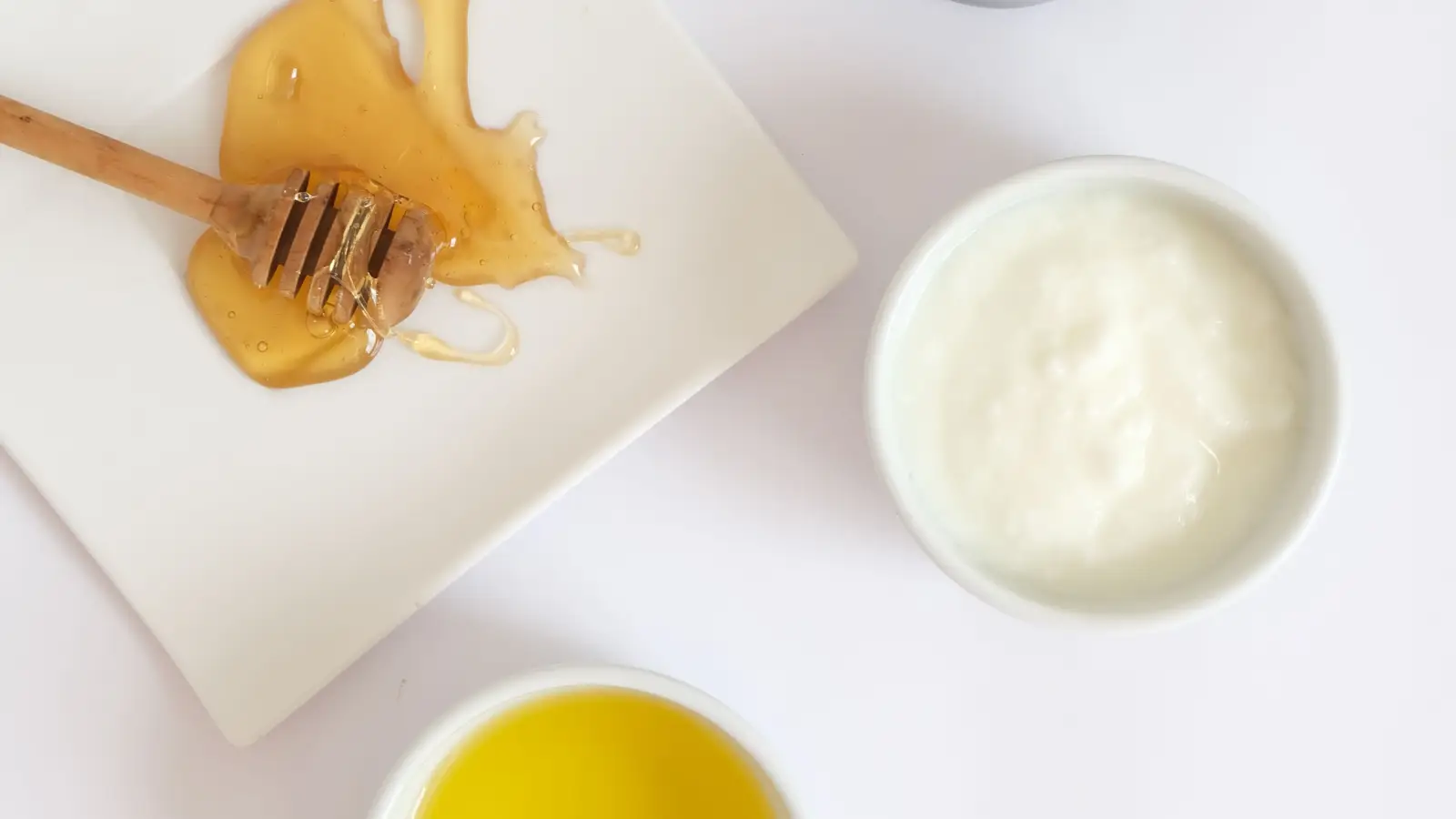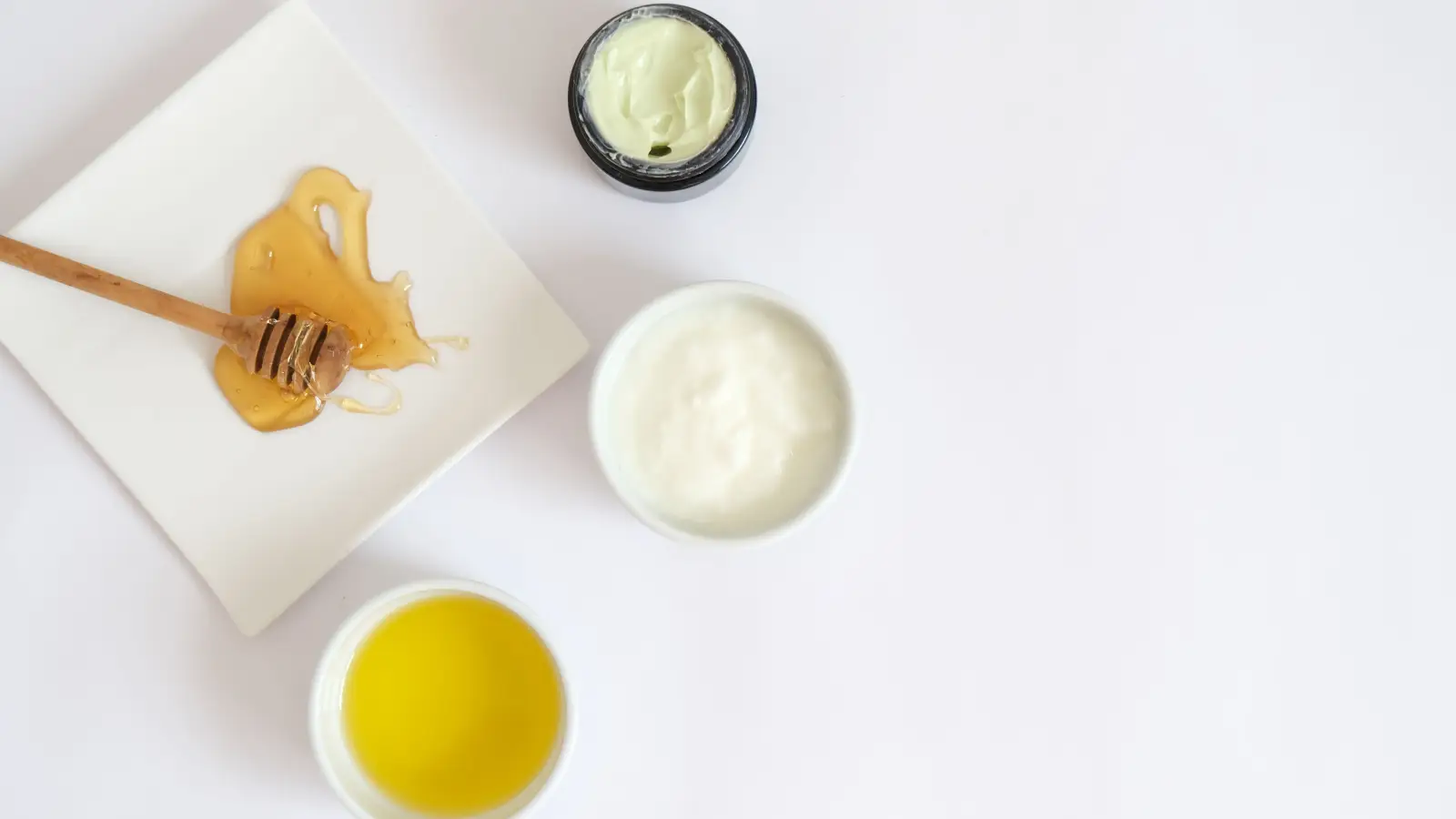
Store-bought honey rarely delivers what a DIY face mask recipe expects. The heat treatment used to keep commercial honey clear and fluid destroys glucose oxidase and protease—the two enzymes responsible for antibacterial action and exfoliation. A jar that has been heated or finely filtered offers no activity beyond simple sugar moisture. To get real skin benefits, pick honey that is genuinely raw, unfiltered, and visually cloudy or granulated, not just something wearing a “raw” sticker.
| Scenario | Winner | One-Line Reason |
|---|---|---|
| You want to fight acne and blemishes | Raw, unfiltered wildflower honey (opaque, not clear) | Active glucose oxidase produces hydrogen peroxide; clarity signals the enzyme is dead. |
| You need gentle exfoliation for dull, flaky skin | Raw, unfiltered honey with visible pollen or natural crystallization | Protease enzymes and fine granules exfoliate; processed honey contains none. |
| Your skin is dry and you want deep, soothing hydration | Thick, raw, unfiltered creamed honey | Unheated honey keeps its humectant capacity and anti-inflammatory compounds; pasteurized honey does not. |
Targeting Acne and Bacteria: Why Raw, Unfiltered Honey Wins
When raw honey gets wet—from skin moisture or added liquids in a mask—glucose oxidase begins to release hydrogen peroxide. That peroxide is the same broad-spectrum antibacterial agent used in wound dressings. It kills acne-causing bacteria without stripping the skin. Commercial packing lines, however, heat honey to around 118°F or higher to delay crystallization. That single step permanently shuts off glucose oxidase. Many jars marked “raw” still go through a warming pass that pushes past the enzyme’s tolerance. A honey that stays perfectly clear and runny for months on the shelf has almost certainly lost its peroxide-producing ability. For acne, the only reliable choice is a honey that looks opaque and has visible sediment, ideally from a local apiary where minimal processing is stated plainly on the label.
For Gentle Exfoliation Without Irritation
Raw honey carries a set of proteolytic enzymes (proteases) that break down the protein bonds holding dead skin cells to the surface. Mixed with the small pollen particles and the fine crystalline grit that forms when honey granulates naturally, those enzymes give a mild dual-action exfoliation. Processed honey, by contrast, passes through pressure filters to remove every solid particle and then gets heated, which denatures the protease entirely. A clear, smooth jar looks appealing but contributes zero exfoliation. What you spread on your face is nothing more than a sticky syrup—its texture has been engineered for shelf appeal, not for skin renewal.
Deep Hydration and Soothing Dryness
Honey already draws moisture into the skin because of its sugar content. Raw honey adds another layer: it retains heat-sensitive flavonoids and phenolic acids—such as chrysin and quercetin—that help calm redness and irritation. Even moderate pasteurization breaks down these compounds. Consistency matters too. Unfiltered honey tends to be thicker and creamier, so it stays in place during the mask’s wait time. Runny, heavily processed honey drips off before it can deliver anything lasting. For dry or reactive skin, the ability of the mask to actually remain in contact with the face is not a minor detail.
Where the Sweet Smell and Stickiness Don’t Count
Both raw and processed honey smell floral and feel tacky. Both will briefly soften the skin because any sugar solution pulls water from the air. Those properties are neutral; they do not help with bacteria, exfoliation, or deep hydration. If the mask recipe targets those specific effects, the jar’s scent and the immediate slip of the honey give you no useful information. Base the decision on what the label and the honey’s appearance tell you about enzyme survival, not on how it smells.
Deal-Breakers: When the Label and Allergies Decide for You
A honey that lists “pasteurized” anywhere on its label is a non-starter for any mask that needs active enzymes. Even without that word, a jar that stays transparent and pourable for months after purchase has been heated enough to kill what makes it functional. That means it is ruled out the moment you need exfoliation or antibacterial action. The opposite limit applies to raw, unfiltered honey: it contains pollen, propolis, and bee particles. For someone with a confirmed allergy to bee byproducts, that type of honey is off-limits regardless of any skin-care potential. If a slight graininess feels uncomfortable—which rarely matters once the mask is spread thin—a fully solidified raw honey can be softened gently at room temperature, but that is a texture penalty, not a safety risk.
FAQ
Is raw honey actually better than organic processed honey for skin?
Yes. Organic certification covers the flowers the bees visited, not the bottling process. Organic honey can still be pasteurized and filtered, which strips out the enzymes a face mask requires. For DIY skincare, what the heat did to the honey matters far more than whether the nectar was organic.
How do I spot truly raw and unfiltered honey on a shelf?
Look for “raw,” “unfiltered,” and “unpasteurized” on the label. Then assess the jar visually: the honey should be cloudy or opaque, with possible settled pollen or a crystallized layer. A honey that is as clear as simple syrup and pours without resistance has likely been heated past the point of enzyme activity.
Why did my raw honey turn solid, and can I still use it on my face?
Crystallization happens when glucose separates from water; it is a natural process that indicates the honey was not overheated. Solidified raw honey doubles as a gentle physical exfoliant. If you prefer a smoother paste, place the closed jar in water no warmer than 100°F until it softens—this preserves the enzymes.
Can I use Manuka honey in face masks, and is it better?
Manuka contains methylglyoxal (MGO), which gives it a non-peroxide antibacterial action that tolerates moderate heat. A genuine, raw Manuka can still fight bacteria. However, many exported Manuka honeys are heated to meet fluidity standards, and that heat wipes out protease enzymes. For exfoliation and hydration, a fresh local raw honey often delivers more consistent results than a heated, imported Manuka.
Most face mask recipes rely on honey for bacteria control and exfoliation, and a genuinely raw, unfiltered honey—cloudy, possibly crystalized—is the only type that delivers both. Before you measure your next spoonful, check: Is this honey actually raw, or did the label do all the work?